Seville City Bike Tour

REVIEW · SEVILLE BIKE & E-BIKE RIDES

Seville City Bike Tour

4.5 · 202 reviews 2 to 3 hours (approx.) From $36 Operated by Rent a Bike Sevilla · Bookable on Viator
Book on Viator →

Seville looks different at bike speed. In 2 to 3 hours, you get a smooth intro to the city’s historic core, plus a guide who makes the stories make sense. I especially like the small-group feel and the built-in photo and shade stops, like the Campana Cafe break and the Maria Luisa Park wandering time. One thing to consider: in hot afternoons, it can feel like a long ride, so timing matters.

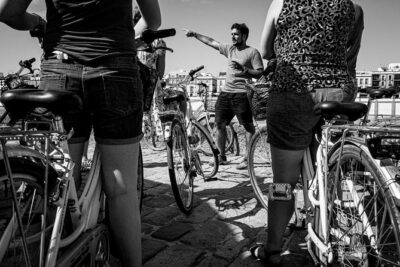
You start in the Casco Antiguo at Plaza de Santa Cruz, then roll through river views, big landmark squares, and quieter garden paths along the Alcázar walls. The tour is priced at $36.30 per person and includes the bike, helmet, bottled water, and a local guide, so you are not adding extra costs just to get moving. The practical tip is simple: bring sun protection and plan to ride only as hard as your comfort level allows.

With a maximum of 15 people, and confirmation coming at booking, this works well as a first activity in Seville. Most riders can participate, and the route uses bike-friendly streets and pedestrian areas, so you should feel in control. If the weather turns bad, the operator may switch dates or refund, since this experience depends on good conditions.

Key highlights worth your attention

Seville City Bike Tour - Key highlights worth your attention

  • Torre del Oro and Triana views from the river for that classic postcard angle with easy photo access
  • Parque de María Luisa comfort factor because tree tunnels and shade make a real difference
  • Plaza de España focus with big sights covered fast without doing a walking marathon
  • Tobacco factory to Carmen la Cigarrera lore linking Sevilla to opera and 18th-century industry
  • Alcázar-adjacent garden paths that connect the calm of old streets to the city’s energy
  • Guides named Juan, Pablo, Daniel, Pierre, and Elena getting praised for turning history into clear, fun stops

Why this Seville bike tour works as a first day plan

If you only have a day or two, Seville can overwhelm you. This tour is designed for orientation, not just sightseeing. I like that the pace is built around short segments and frequent stopping points, so you keep momentum without feeling rushed through everything.

You also get a “what to look for” lens. Instead of staring at stone and hoping it clicks, you get the why behind the landmarks, from medieval coastal defense to the later power of tobacco and the city’s grand 1920s style. That makes subsequent self-guided wandering easier because you understand what you are seeing.

The group size stays small, capped at 15. That matters. Smaller groups usually mean fewer delays at intersections, more chances to ask questions, and a smoother ride overall.

You can also read our reviews of more tours and experiences in Seville.

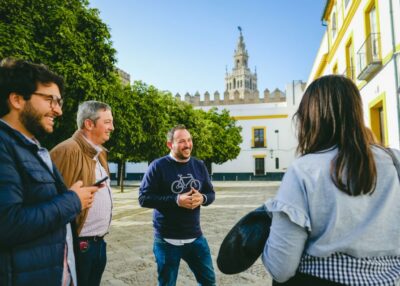
Getting started at Plaza de Santa Cruz, right in the old town

Seville City Bike Tour - Getting started at Plaza de Santa Cruz, right in the old town
The meeting point is Plaza de Santa Cruz in the Casco Antiguo, and the tour ends back at the same spot. That round-trip format is underrated. You can park your plans at one location, then come back without a scavenger hunt.

This also helps with timing. If you are doing it early, you get your bearings fast. If you are doing it later, you still finish near where many first-time visitors want to be: the old-town lanes and easy access to restaurants.

The tour uses a mobile ticket, and you receive confirmation when you book. It is a straightforward setup, and the start is near public transportation, so it is not a mission to reach.

Torre del Oro by bike: the postcard, plus the story behind it

One of the first big hits is the ride past Torre del Oro, the 13th-century defensive tower. Even if you have seen pictures already, seeing it from the road while you are moving has a different effect. The tower reads as part of the city’s maritime past, not just a standalone monument.

What I find useful here is the way the guide frames the name. The tower is often described as being connected to gold, but the explanation you are given is about the sheen of its tiles reflecting on the water. It is the kind of detail that makes your photos look better, because you know what surface and light to watch for.

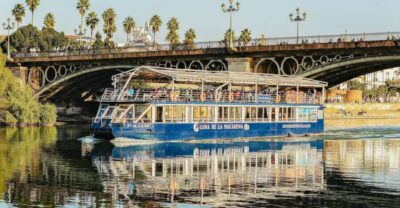
This stop is also paired with a practical scenic moment. You cycle along the Paseo de Cristóbal Colón, and you get river-breeze views toward Triana. That is valuable if you are new to Seville and trying to understand how the city is shaped by its waterways and neighborhoods.

Parque de María Luisa: shade, fountains, and movie-famous squares

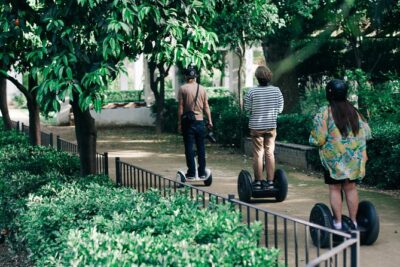
Parque de María Luisa is where the tour turns from “sights” into “breathing room.” I love that this isn’t just a token pause. You get to pass through a long green stretch with fountains, open spaces, and those secret-feeling corners people talk about when they describe Seville’s softer side.

Practically, the park layout helps you in warm weather. Tree tunnels and heavy vegetation can cool things down compared to direct sun on city streets. Even if you are visiting in shoulder season, this shade advantage is real.

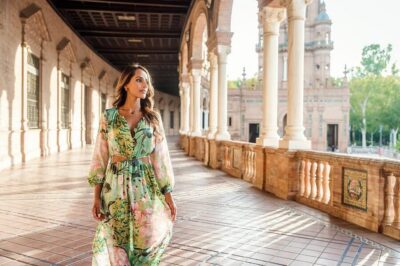
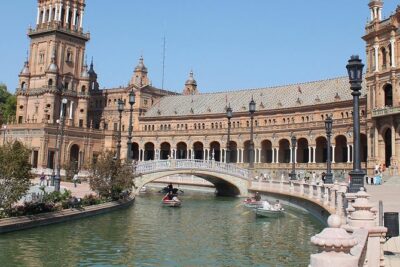
Then you hit the two landmark squares inside the park: Plaza de España and Plaza de América. Plaza de España is the headline here, the one that always draws people in. You also get context for why the site has shown up in popular culture, including mentions of films like Star Wars. The main benefit is not trivia for trivia’s sake. It is that it prepares you to look at materials, proportions, and the way the space is staged.

One thing to watch: because it is a park, you are still riding and stopping in a lot of outdoor light. Bring a hat, and sip water at every stop. You get bottled water included, but you still need your own sun habits.

The University of Seville tobacco factory: from industry to myths

Another stop takes you to a major architectural landmark that many people mistake for a palace. This building is now part of the University of Seville, and it used to be the first tobacco factory in Europe.

That detail changes how you read it. You are not just looking at Baroque flourishes and dramatic massing. You also get the sense of scale, and the idea that 18th-century industrial power could look almost royal. The tour route goes around the impressive foso and looks at the grand portico style, so you feel how monumental it is.

And then the story turns romantic, in an opera kind of way. The tour connects the building to Carmen la Cigarrera, the famous cigar maker figure tied to Bizet’s Carmen. If you care about arts and cultural history, this is one of the stops that makes Seville feel like a living stage, not just an archive.

Gardens near the Alcázar walls: Murillo name, Columbus stop, and quick transitions

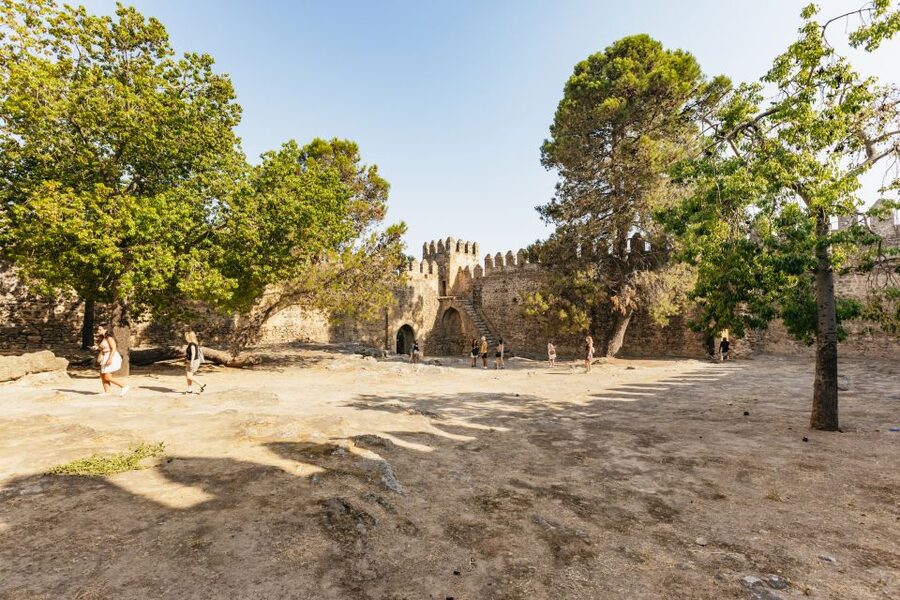
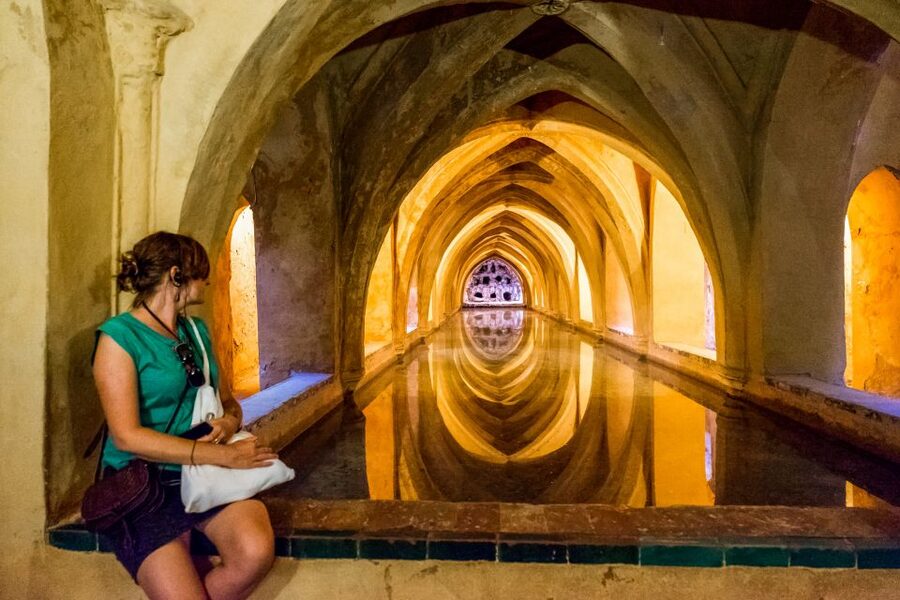
After the tobacco factory, the tour shifts into a different mood. You ride through gardens that are described as regionalist, early 20th-century style, with shaded, narrower paths that run alongside the walls of the Alcázar area.

This part is especially good for people who feel like large monuments are “too big to absorb.” Gardens give you scale control. You slow down naturally because the paths are narrower and more shaded, and that helps you actually take in the setting.

You also get a major photo and landmark stop at the Monumento a Colón. The column is about 23 meters tall, and you are told about the stone caravels between the trees. I like this stop because it gives you a focal point, and it breaks up the denser historic center with a more open visual moment.

There is another practical advantage here too. This is described as a link between the calm of Santa Cruz and the more active modern city areas. So the ride feels like you are moving from one “Seville mood” to another, instead of repeating the same type of street scene.

How the historic center loop keeps you moving without frying your legs

The core of the tour is designed for efficiency. The old city center is one of the biggest old quarters in Europe, and the route uses bike-friendly connections and pedestrian zones to cover a lot in a short window.

In other words, this is not a slow crawl tour where you barely roll. It is also not a full-on workout. The sweet spot is a gentle cycle via monuments, gardens, bridges, and squares, with enough stopping time to catch your breath and learn.

One detail I like from the way the tour is described: it is made for riders of different experience levels. Most travelers can participate, and the riding is framed as manageable. If you have never ridden in a European city before, this is still a reasonable way to get comfortable because the route is built around short, guided segments.

Still, set expectations. If you want a leisurely half-hour breeze with zero stops, this probably is not your match. The value comes from the frequent explanations and the number of major sights you cover.

Campana Cafe break and the pacing that makes it comfortable

The highlights include a break at Campana Cafe. Even though food and drinks are not included, that stop is a smart reset point. It is where you can hydrate, cool down in the shade, and stretch your legs.

This matters because the tour is time-boxed at roughly 2 to 3 hours. You do not want to spend that entire window fighting fatigue. The structure is built to keep the ride fun and the learning digestible.

Bottled water is included. That is a small thing, but it saves you from hunting for a shop at the exact wrong moment. If you are sensitive to heat, treat the water as part of the plan, not a backup.

Price and value: why $36.30 can be a smart use of time

At $36.30 per person, you are paying for access to a bike, helmet, bottled water, and a local guide, plus the concentrated route that links multiple top Seville landmarks. That is the key value point. If you tried to do this same set of sights solo, you would likely spend more time repositioning yourself, walking between clusters, and figuring out the best path.

The bike and helmet being included makes the price feel cleaner. You are not adding a rental cost on top, and you can focus on the tour itself rather than logistics.

Also, the tour is booked in advance fairly often, with an average booking window of about 18 days. That hints that people plan this early to fit Seville into a tight schedule. If your dates are firm, booking ahead is a good idea, especially in peak season.

What the guides do right, and why their names keep showing up

The single biggest factor in a bike tour is the guide. This one is consistently described as professional, friendly, and able to turn history into clear, human stories.

Guides are often highlighted by name, including Juan and Pablo, plus Daniel, Pierre, and Elena. The common thread is how they pace the tour: enough time at the important stops, not so much time that you lose momentum.

I also like that the tour can feel slightly customized depending on the group. When groups are small, guides have room to adjust pacing and focus. That is how you get more meaningful questions and more time for photos, instead of watching other people’s stops from a distance.

If you are an English speaker, the tour is offered in English. In some cases it may be run by a multi-lingual guide, so you are likely to get good communication even if you run into mixed-language groups.

Practical tips so you enjoy it more

Here’s how to get the most out of the ride without overthinking it.

  • Wear sun protection. The tour is outdoors and you do stop for breaks in sun and shade.
  • Expect frequent stops. That is part of the value, so let your legs recover during explanations.
  • Bring comfortable cycling shoes. If your feet are not happy, your ride will not be either.
  • Keep an eye on your bike. Some bike condition notes exist, so if brakes or handling feel off, ask for a quick check.
  • Consider the time of day. The tour requires good weather, and heat can change the experience a lot. Earlier or cooler slots are usually kinder.

If you are traveling in August or during a hot spell, you might want to pick a less intense time window. That is not just comfort, it is also about how enjoyable the history stops feel when you are not overheating.

Should you book the Seville City Bike Tour?

Book it if you want a smart, first-day overview of Seville without spending your entire afternoon crossing the city on foot. The route is built around major landmarks in a compact window: Torre del Oro, river views toward Triana, Parque de María Luisa with Plaza de España, the tobacco factory, and garden-and-views connections near the Alcázar.

Skip it, or at least change your timing, if you hate riding in heat or you are only comfortable doing short walks on uneven ground. Even with shade and breaks, your comfort will depend on the day.

If you are the kind of traveler who likes learning while you move, this tour is a good match. You leave with a stronger mental map and stories you can use later when you wander on your own.

FAQ

How long is the Seville City Bike Tour?

It runs about 2 to 3 hours.

Where does the tour start and end?

It starts at Plaza de Santa Cruz (Pl. de Sta Cruz, Casco Antiguo, 41004 Sevilla, Spain) and ends back at the same meeting point.

How much does it cost?

The price is $36.30 per person.

What is included in the price?

You get bottled water, a local guide, and the use of a bike and helmet.

Is food included?

No. Food and drinks are not included.

Do children get a special rate?

A child rate applies only when sharing with 2 paying adults. Children must be accompanied by an adult.

How many people are in the group?

The tour has a maximum of 15 travelers.

What language is the tour offered in?

The tour is offered in English, and it may be operated by a multi-lingual guide.

What happens if the weather is bad?

This experience requires good weather. If it is canceled due to poor weather, you will be offered a different date or a full refund.