
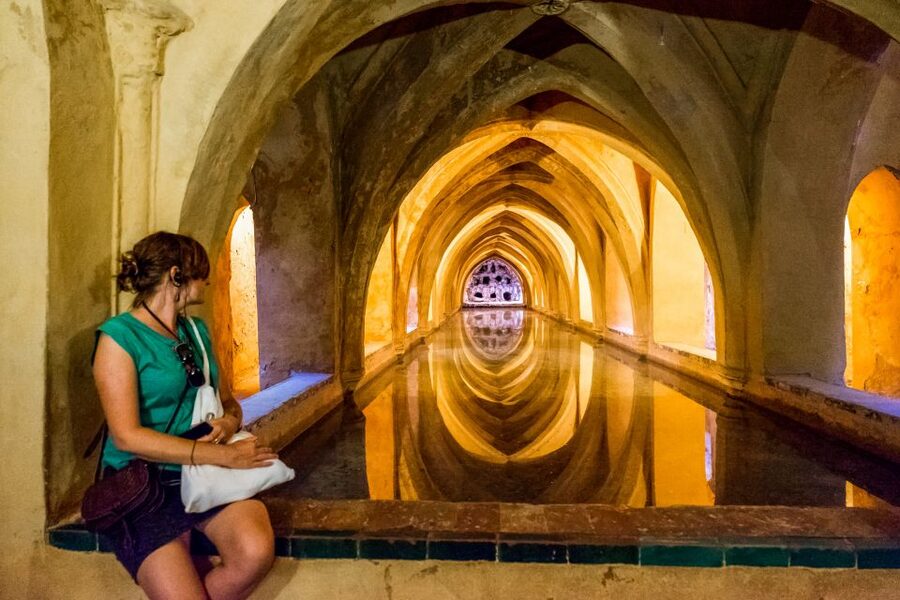
Courtyards, tiles, orange blossom.
Choose the Alcázar hour, the Giralda climb, the Triana tablao and the right road into Andalusia.
The bookings that anchor a Seville stay.
Start with the palace and cathedral, leave room for tapas after sunset, then choose the one excursion that earns a full day.
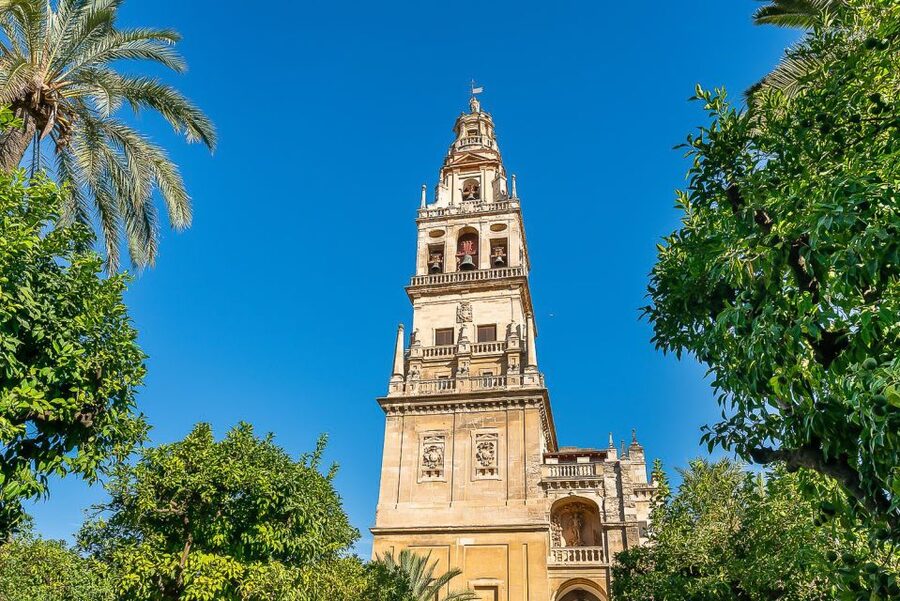
Córdoba: Skip-the-Ticket-Line Mosque-Cathedral Guided Tour
Skip-the-line guided tour of Córdoba’s Mosque-Cathedral, with headsets, courtyard highlights, and expert-led history in about 1.5 hours.
From $31 per person
Read the review → ★ 4.7First-day favouriteCathedral, Giralda, and Royal Alcázar Guided TourFrom $699,165 reviews
 ★ 4.6Books aheadSetas de Sevilla Entry TicketFrom $188,901 reviews
 ★ 4.6Easy city winCathedral, Giralda & Alcazar Entry With Guided TourFrom $658,560 reviews
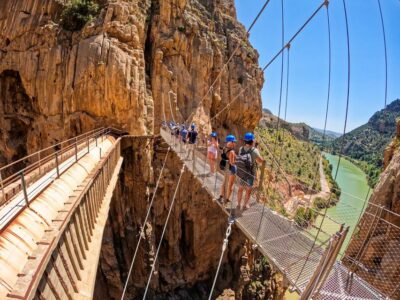 ★ 4.6Golden-hour pickCaminito del Rey: Entry Ticket and Guided TourFrom $348,149 reviews
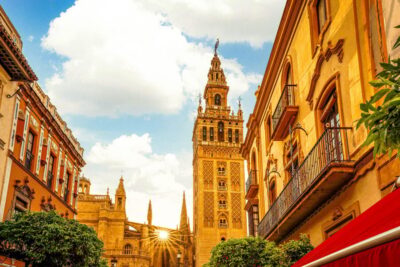 ★ 4.8Worth the climbPriority Access Cathedral, Giralda & Alcázar TourFrom $647,563 reviews
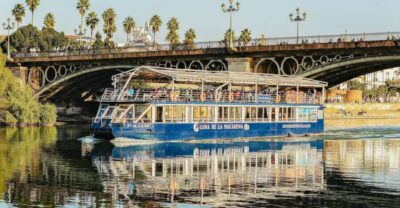 ★ 3.9Local classicGuadalquivir River CruiseFrom $216,921 reviews
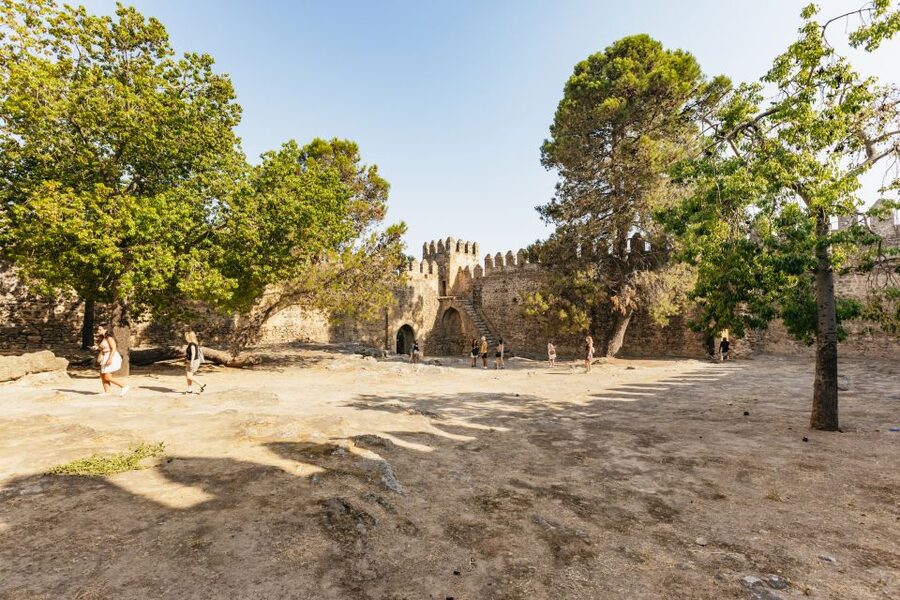
Ronda puts the road trip in perspective.
Cross the gorge, look back from the Puente Nuevo and thread the limestone hills through Setenil’s cave streets. This is Andalusia at full scale.
How should you see Seville’s monumental centre?
Choose one deep palace visit, a cathedral pairing or a wider walk that joins the landmarks together. The best fit depends on your pace, not your checklist.
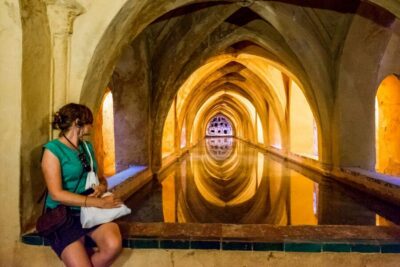 Palace first
The Alcázar in depth
1 day · from $23 · 28,378 reviews
Give the tiled courtyards, royal rooms and gardens a dedicated guide instead of squeezing them between monuments. Morning entry keeps the heat and crowds manageable.
Compare Alcázar tours →
Palace first
The Alcázar in depth
1 day · from $23 · 28,378 reviews
Give the tiled courtyards, royal rooms and gardens a dedicated guide instead of squeezing them between monuments. Morning entry keeps the heat and crowds manageable.
Compare Alcázar tours →
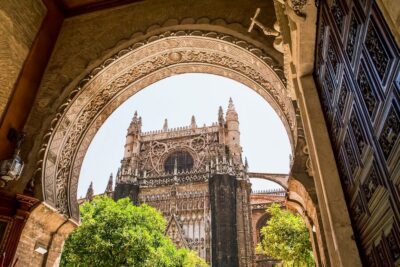 Two icons together
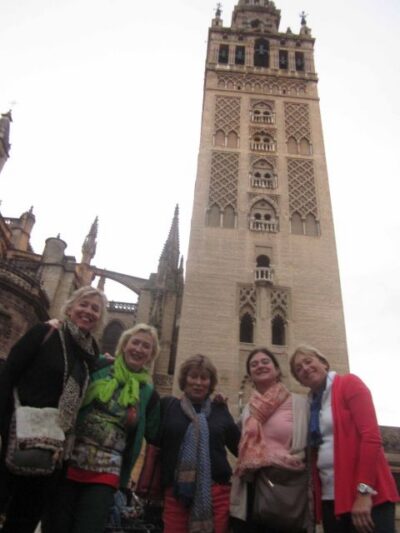
Cathedral and Giralda
1 day · from $20 · 24,592 reviews
Pair the cathedral interior with the ramped climb up the Giralda. The route is compact, the skyline reward is immediate and timed entry matters.
See cathedral combinations →
Two icons together
Cathedral and Giralda
1 day · from $20 · 24,592 reviews
Pair the cathedral interior with the ramped climb up the Giralda. The route is compact, the skyline reward is immediate and timed entry matters.
See cathedral combinations →
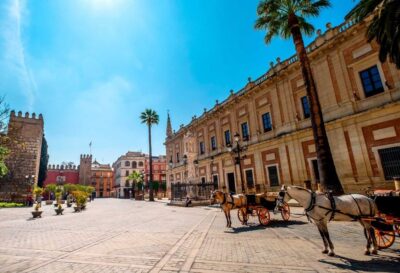 Streets between
The complete old-town walk
2 hours · from $27 · 1,204 reviews
Connect Santa Cruz, the Archivo de Indias and the monumental core with the stories that make the map legible. Best when you want context before tickets.
Choose a historic walk →
Streets between
The complete old-town walk
2 hours · from $27 · 1,204 reviews
Connect Santa Cruz, the Archivo de Indias and the monumental core with the stories that make the map legible. Best when you want context before tickets.
Choose a historic walk →
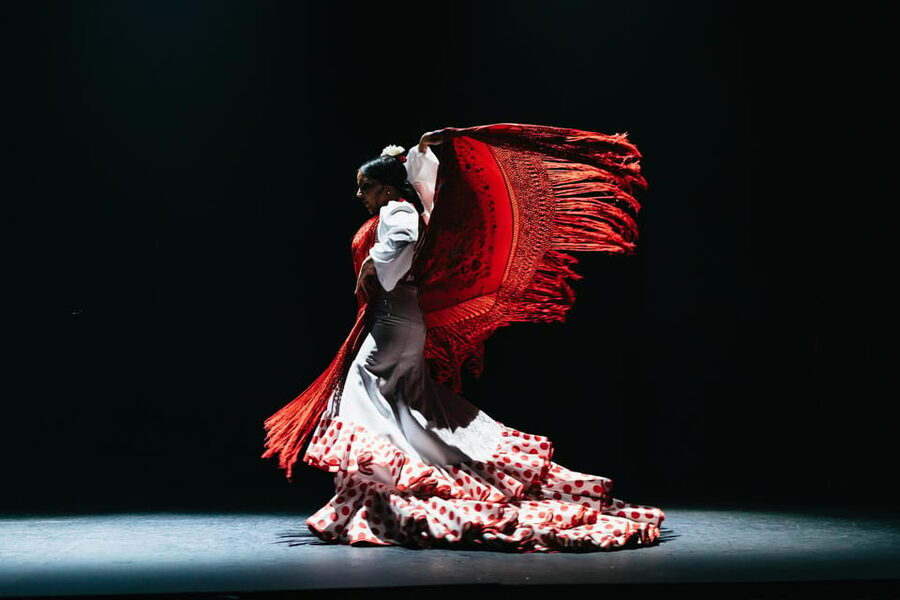
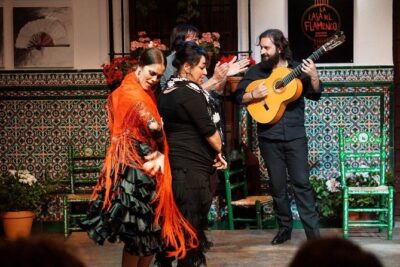
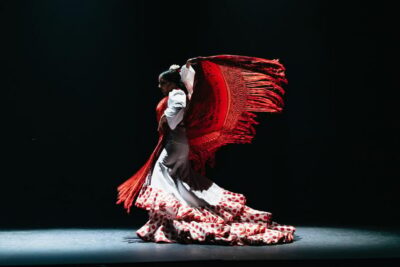
Flamenco belongs close enough to hear.
In a Triana room or a small central tablao, the heel strikes and unamplified voice do the work. Pick the atmosphere before the dinner package.
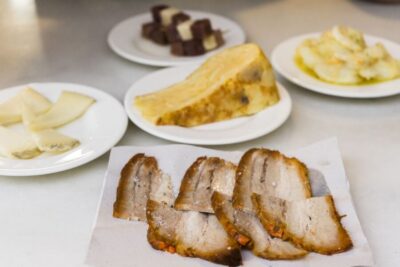
Tapas is a route, not one reservation.
Move from a standing bar to a tiled tavern, order the house speciality and let each stop reset the evening. A guide is most useful for the doors you would pass.

Seville makes an easy ride.
Link Plaza de España, the river path and Triana without turning the day into a march. E-bikes add range; standard bikes keep it simple.

The Alcázar rewards the unhurried hour.
Mudéjar arches lead into quiet patios, then the gardens stretch the visit beyond the royal rooms. Timed tickets solve the queue; a good guide makes the layers visible.
Cross the river, then lose the map.
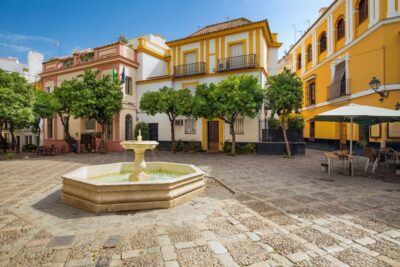
Santa Cruz for shaded lanes. Arenal for the river and bullring. Triana for ceramics and late tables. The centre for bells, courtyards and rooftops.
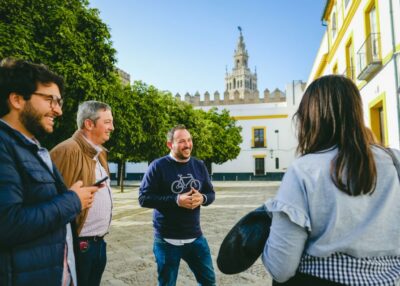


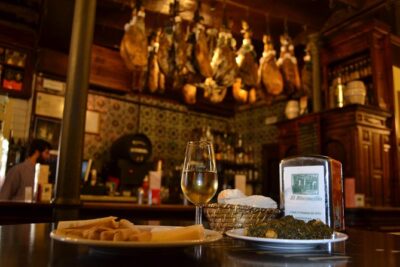
Walk, ride, taste or take the river.
Build around the way you like to travel: close-up history on foot, a breezy circuit by bike, small plates after dark or a quiet line along the Guadalquivir.

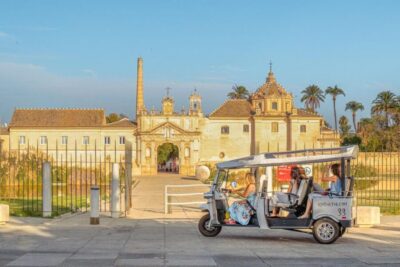
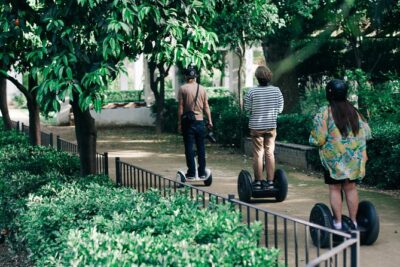

Andalusia opens in every direction.
Take the fast line to Córdoba, follow the white-village road to Ronda or turn west for sherry country and the Atlantic. Each asks for a different kind of day.
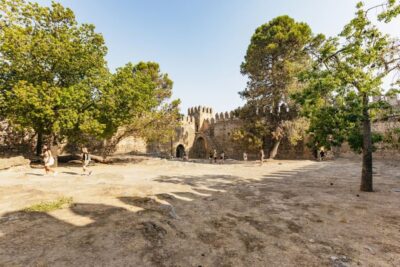
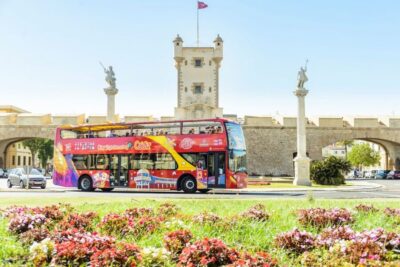
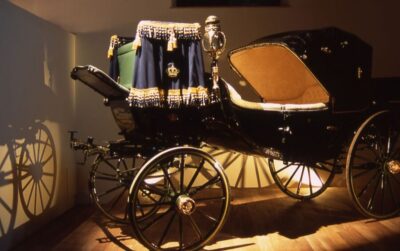

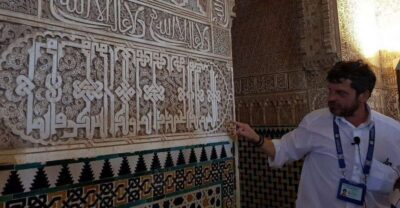
Three days, from palace to river.
Give the monuments their own morning, let the neighbourhoods take the second day, then spend the third beyond Seville’s skyline.
Day 1
Palace, cathedral, sunset
Take the Alcázar early, climb the Giralda before lunch and save Plaza de España for the softer evening light.
Build the monument day →
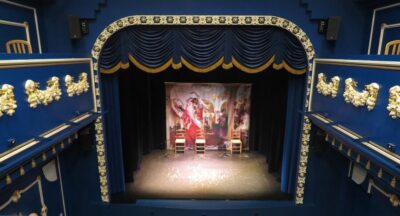 Day 2
Santa Cruz to Triana
Walk the old lanes, cross the Guadalquivir, stop for ceramics and tapas, then let a close-room flamenco show finish the night.
Cross into Triana →
Day 2
Santa Cruz to Triana
Walk the old lanes, cross the Guadalquivir, stop for ceramics and tapas, then let a close-room flamenco show finish the night.
Cross into Triana →
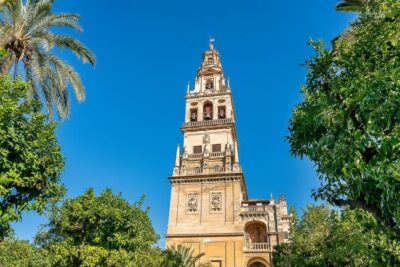 Day 3
The Córdoba day
Take the morning train, give the Mosque-Cathedral first place and use the lanes of the Judería to slow the afternoon.
Choose a Córdoba route →
Day 3
The Córdoba day
Take the morning train, give the Mosque-Cathedral first place and use the lanes of the Judería to slow the afternoon.
Choose a Córdoba route →
Latest Seville tour reviews.
 ★ 5.0White Villages of Huelva private full day tourFrom $3653 reviews
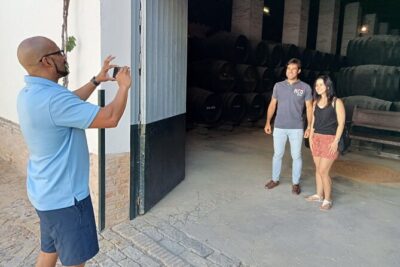 ★ 5.0Wine tourism, visit to a traditional winery and wine tastingFrom $2553 reviews
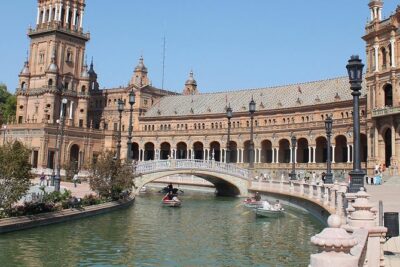 ★ 5.0Best Private half day Tour of Sevilla with Hotel pick upFrom $4283 reviews
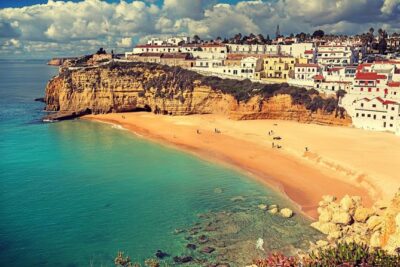 ★ 4.5Private Transfer from Seville to Faro (FAO) AirportFrom $5453 reviews
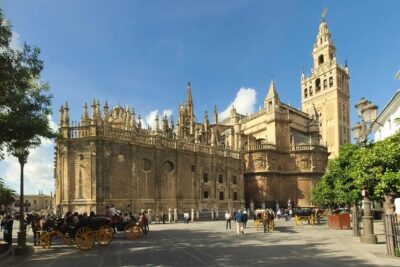 ★ 4.5Private 12-Hour Tour to Sevilla from Malaga with Hotel pick upFrom $8243 reviews
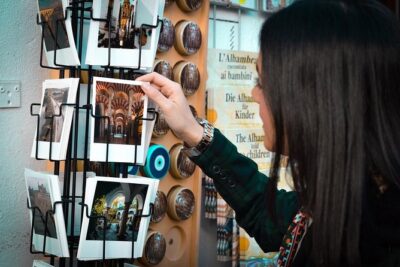 ★ 5.0Private Tour: Mezquita-Catedral from CordobaFrom $2793 reviews
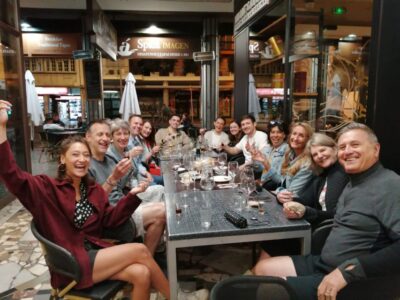 ★ 5.0Triana: Authentic Flamenco & Tapas TourFrom $1243 reviews
Dance lesson in Sevillanas experience from MálagaFrom $343 reviews
★ 5.0Triana: Authentic Flamenco & Tapas TourFrom $1243 reviews
Dance lesson in Sevillanas experience from MálagaFrom $343 reviews