
REVIEW · CáDIZ TOURS FROM SEVILLE
Andalusian Horses Dance Show
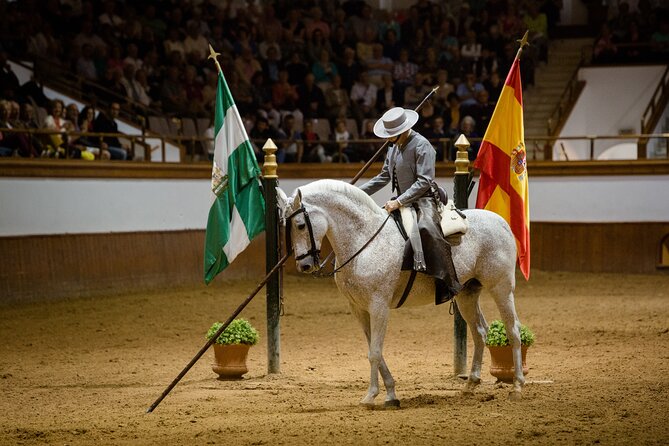
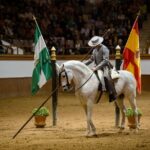
Horse beauty meets old-school discipline. At the Royal Andalusian School of Equestrian Art in Jerez (near Cadiz), I love the doma vaquera moments rooted in traditional cattle herding, and I love how the classical dressage segments lock in with the music. My only real caution is that seating is assigned by category, so some views can be partly blocked.
This is a focused show, about 1 hour 30 minutes, with a set of choreographies that can change by day while staying in the same difficulty level. If you want Andalusia through movement, music, and horsemanship instead of tickets to more buildings, this one delivers.
Key Things I’d Bank On Before You Go
Six to eight choreographies per show that highlight different corners of Andalusian riding.
Doma vaquera plus Haute École exercises, so you see both heritage style and classical school work.
A big ending with the carousel maneuver, where horses and riders work in unison in the arena center.
Carriage driving and work in hand add variety beyond what most people expect from a horse show.
No filming allowed, so plan to enjoy it with your eyes, not a camera.
Seat category matters, and higher seats tend to feel safer for a clear view.
How the Andalusian Horse Dance Works (and Why It Feels So Different)
The Andalusian riding tradition is built on control, balance, and communication. This show is the Royal Andalusian School of Equestrian Art putting that into a tight performance format. You will see trained horses and riders move through multiple styles of choreography, with classical music as the backbone for the most formal segments.
What makes it interesting is that the program is not just one long type of dressage. You get a blend. One segment shows a more working, practical feel with doma vaquera. Another section leans into classical dressage with advanced maneuvers. Then you add carriage driving, where the horses wear classical harness and demonstrate carriage skill, plus work in hand, where the horse responds even when the rider is not mounted. The show ends with the carousel maneuver, a coordinated finale that puts everything together.
For most people, the surprise is how watchable it is even if you are not a horse person. The rhythms are clear, the patterns are dramatic, and the horses look like they are dancing with the music rather than just performing tricks.
You can also read our reviews of more tours and experiences in Cadiz.
Where You Start in Jerez and What to Expect at the Royal School
You’ll meet at Fundacion Real Escuela Andaluza del Arte Ecuestre, also listed as the Royal Andalusian School of Equestrian Art. The voucher redemption point is Av. Duque de Abrantes, s/n, 11407 Jerez de la Frontera, Cádiz, Spain. The scheduled start time is 12:00 pm, and the show runs about 1 hour 30 minutes.
Plan to arrive with a little slack. The school grounds are more than a one-room venue. There is time to get oriented, find your ticket window, and settle in before the horses start moving. Also note the program can change day to day, and the management reserves the right to alter or change the show program.
One more practical note that matters: you need to present your printed receipt at the ticket office. If you booked at a discount, you must show proof of eligibility when collecting tickets, or you may need to pay the difference for the standard ticket price if tickets are available.
Inside the Show: The Six to Eight Choreography Lineup
Each performance is built from a repertoire of choreographies chosen by the school. You should plan for between six and eight styles on your date, with a consistent entertainment value and difficulty level.
Here’s how the main segments connect, and what to look for in each.
Doma Vaquera, the Heritage-Based Working Style
Doma vaquera is the Andalusian counterpart to a working tradition. The horseman rides around the arena using one hand, starting with trotting and later moving into galloping. Then you see the key skills: changing rhythm and performing pirouettes and arreones, which are breaks into a gallop.
Even if you do not understand every term, you will feel the difference. This segment looks less like formal schooling and more like athletic communication, as if the horse is reading the rider’s cues in real time. It’s one of the most memorable sections for many people because it looks raw and alive compared to the more choreographed dressage moments.
Classical Dressage, Where the Music Runs the Show
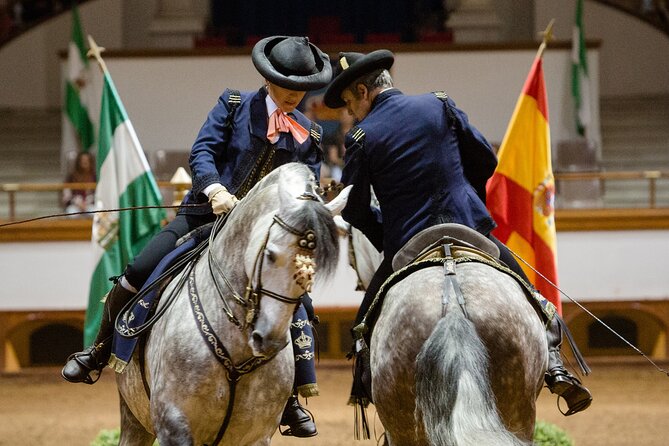
The classical dressage portion includes choreographies like the Colts, Airs on Horseback, Pas de Deux, Passage and Piaffer, Domino on Horseback, Airs above the ground, and Fantasy.
In these segments, the horses perform advanced exercises to classical music. The maneuvers are the point, but the emotional effect is the quiet control. The horses move with precision, and the riders keep their posture and hands steady, like they are conducting rather than wrestling for position.
If you like ballet, you will probably like this. If you do not, you might still appreciate the clarity. The movements are distinct, and the music helps you track the pace of what is happening.

Carriage Driving, When Classical Harness Returns
Carriage driving is a different kind of spectacle. Horses draw carriages using classical harness, and coachmen demonstrate the driving skill.
This segment connects to the older purpose of horse-drawn transport but turns it into an art form for sport and exhibitions. The visual detail here is the harness and the carriage motion, plus the coachman’s control. It’s a good break from the riding-only rhythm of the earlier parts.
Work in Hand, the Tests of Obedience Without a Saddle
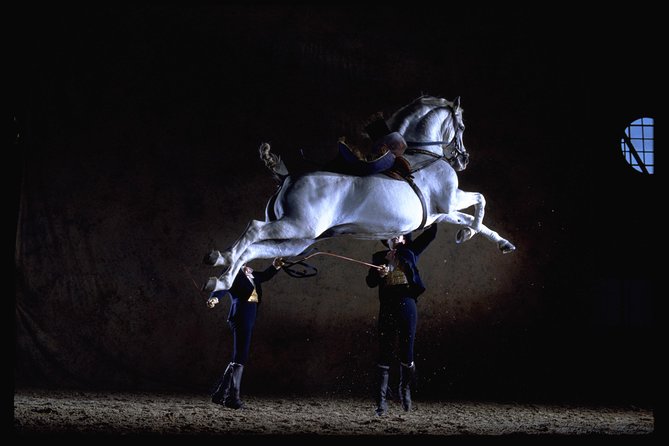
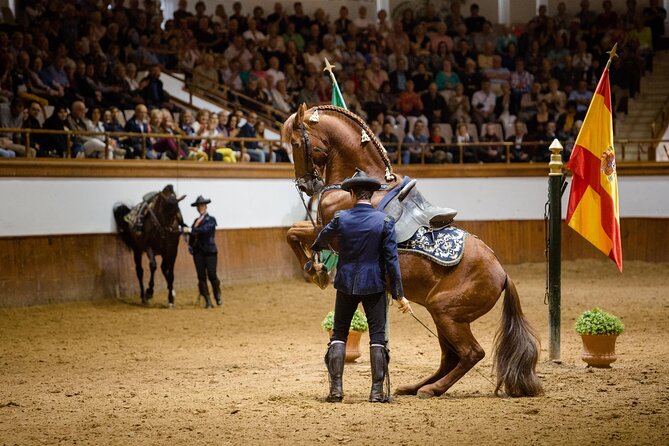
Work in hand is the segment that surprises people the most. It shows that the horse can follow commands even when the rider is not in the saddle. The horse performs classical Haute École dressage exercises based on signals from the ground.
You may see levades, caprioles, courbettes, piaffe between pillars, the Spanish walk, and long reins.
Look closely at this one because it’s about response time and trust. When the horse moves in a controlled, elevated way, it is not just strength. It is the horse understanding the cues. This is also a segment where families often stay engaged, because the horse actions feel clear and dramatic even for kids.
Carrousel Finale, the Grand Group Moment
The finale is the carousel maneuver, where horses and riders perform advanced equestrian exercises in unison in the center of the arena. It feels like the show is paying off its own promises.
This last part is where you see how trained animals and skilled riders can synchronize. If you like big finishes, this will land with a thump. If you prefer quieter details, you will still enjoy how the earlier segments build toward this shared rhythm.
Price and Value: What $33.43 Buys You in the Real World
At about $33.43 per person, you are paying for a curated, 1 hour 30 minute performance that covers multiple styles, not just a single routine. The ticket you buy includes entrance to the show How the Andalusian Horse Dance.
The value is in the variety. Doma vaquera, classical dressage, carriage driving, and work in hand are four different lenses on Andalusian horsemanship. Even if you already know a bit about dressage, the extra segments make the ticket feel more complete.
Where value can soften is seating. Because tickets are sold by category and you cannot select a specific row or seat number, you might end up with a less-than-perfect angle. If you are very view-sensitive, consider that before booking.
Seating, View, and the One Thing That Can Change Your Feel
This is the biggest practical swing factor. Tickets are allocated by order of purchase or booking within price categories, and you do not get to choose your seat or row number. That means some people end up with restricted views where a portion of the arena is hard to see.
If you want the best shot at a clean view, think of it this way: higher seats usually feel safer for a full arena picture. The show is in the arena, and a small obstruction can feel bigger than you expect when the action moves across the space.
Also, keep in mind the arena can get warm in summer. If you are going in hot months, bring a fan if you have one, and wear breathable clothing.
Enjoying It Without Missing the Story: Audio and Narration Notes
A practical detail that affects how much you understand is the narration. Narration before each segment is only in Spanish, while announcements happen in multiple languages. So even if you miss some explanation, you can still enjoy the show because the choreography and music do most of the storytelling.
If you like context, you might consider reading a bit about the maneuvers beforehand. But you do not need to be an equestrian nerd to follow what is going on.
Timing, Parking, and the Smoothest Way to Arrive
Start time is 12:00 pm. Plan your arrival so you are not rushing at the ticket windows or hunting for a last-minute taxi. The venue is near public transportation, which can help if you are staying in the Cadiz area.
Parking can be a little chaotic depending on how busy the day is. Some people report easy parking nearby, while others mention people signaling spots and trying to direct you into paid arrangements. The best move is simple: have your own plan for getting there, and do not feel pressured if someone approaches you with a parking offer.
If you are coming by taxi from the cruise port area, cost can swing a lot. One solid tip from experience is to confirm the fare before you ride, because last-minute surprises are common when you are far from the city core.
Family-Friendly, But Not Baby-Show Simple
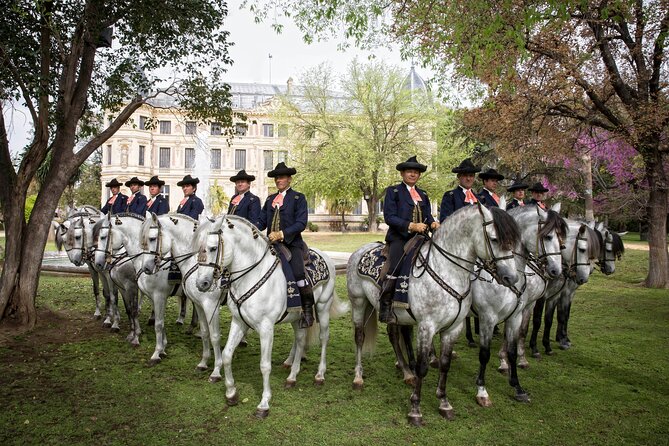
This is a strong pick for families. The horses are the star, the routines are visually clear, and the program moves briskly through different styles. Kids generally do not need technical background to enjoy the precision and energy.
That said, it helps to manage expectations. This is not a casual riding demonstration. This is a serious, disciplined equestrian school performance. If you go in expecting a simple show and snacks, you might be underwhelmed. If you go in expecting polished classical horsemanship, you will likely be thrilled.
The Tradeoffs: What Could Annoy You
Let me be straight about the few downsides that matter most.
First, seat assignment is the main risk. If you end up with restricted view, the show can feel frustrating, especially during the central arena movements.
Second, language is a consideration. Narration before segments is in Spanish. You will still enjoy the performance, but you may miss some of the finer explanation.
Third, heat is real in summer. Bring something to stay comfortable, because 1 hour 30 minutes sitting in an arena can feel longer when the air is still.
After the Show: Using Jerez Time Well
When the performance ends, you are dropped back into Jerez, close to historic sites, cafes, and places to wander. This is a good timing choice if you want one anchored activity and then open time afterward.
I like pairing it with a slow walk and a drink somewhere nearby. The show gives you a strong sense of Andalusia through movement, and the city atmosphere lets you soften the intensity afterward.
Should You Book This Andalusian Horse Dance Show?
Book it if you want a real taste of Andalusian riding traditions in a format that is easy to plan around. For the price, you get multiple disciplines in one sitting: doma vaquera, classical dressage, carriage driving, and work in hand, then the carousel finale.
Think twice if you know you are picky about seating views, because you cannot choose your exact seat. If you are going with a group and everyone has different view tolerance, plan to choose your category carefully and set expectations.
Overall, I’d call this a strong value show in Jerez. If you like beauty with discipline, or you just want to see horses perform at a level that looks impossible until you see it, this is one of the better ways to spend an afternoon in Andalusia.
FAQ
What time does the show start?
The start time is 12:00 pm.
Where do I redeem my voucher?
Redeem your voucher at Royal Andalusian School of Equestrian Art, Av. Duque de Abrantes, s/n, 11407 Jerez de la Frontera, Cádiz, Spain.
How long is the experience?
The show lasts about 1 hour 30 minutes.
What is included in the ticket price?
Your ticket includes entrance to the show How the Andalusian Horse Dance. Entrance to other facilities is not included.
Can I film or take photographs during the show?
No. Under no circumstances are you allowed to film, record, or take photographs unless you are an authorized professional.
What is the cancellation deadline for a full refund?
You can cancel for a full refund if you cancel up to 24 hours in advance of the experience start time. If you cancel less than 24 hours before, the amount paid is not refunded.
More Tour Reviews in Cadiz
Not for you? Here's more nearby things to do in Cadiz we have reviewed

More Cádiz Tours from Seville worth a look.
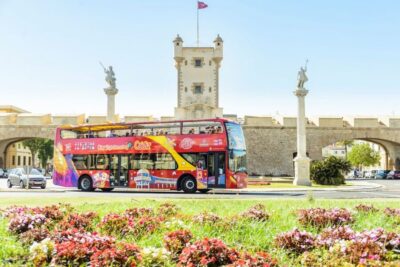 ★ 4.1Cadiz: City Sightseeing Hop-On Hop-Off Bus TourFrom $32753 reviews
 ★ 5.0Walking Tour through Cádiz: Stories from the hand of a local guideFrom $16532 reviews
 ★ 4.6Cádiz: Sunset Catamaran Cruise ToursFrom $29498 reviews
 ★ 4.7English Cádiz Tour: Walking Tour with Local GuideFrom $15431 reviews
 ★ 4.6Cadiz: Medieval TourFrom $38379 reviews
 ★ 4.4Cádiz: Bay of Cádiz Catamaran Tour with HostFrom $22327 reviews
 ★ 4.5Sancti Petri: Sunset Catamaran CruiseFrom $24277 reviews
 ★ 4.5Cadiz Small Group Bike TourFrom $43215 reviews
Continue by place or experience