
REVIEW · TRIANA QUARTER EXPERIENCES
Legends of Triana Walking Tour in Spanish
Triana has a way of talking back. Cross the Guadalquivir and you’ll see why this Seville neighborhood is famous for flamenco roots and street-level legends, told as you walk. This is a 2-hour guided stroll in Spanish that starts at Puente de Isabel II and threads through the oldest parts of Triana at a comfortable group pace.
I love two things most. First, the small group size (maximum 15) keeps the experience friendly and makes it easier for the guide to control the rhythm. Second, the route is built around real anchor points you can look at, like Santa Ana Church and the riverbank, not just vague “interesting corners.”
The main thing to consider is physical comfort. Triana’s streets can be uneven, and the tour calls for moderate physical fitness. Also, food and drinks are not included, so plan for water if you’re doing this on a warm day.
Key points before you go
- Puente de Isabel II start point: you get oriented fast, with the river acting like a backdrop for stories.
- Calle Betis + church steeples: you’ll understand Triana’s visual identity early.
- Lots of specific landmarks: Betis Street, the old navigators university, Monipodios House, Santa Ana Church, the potters quarter, inquisition headquarters, and the riverbank.
- Admission ticket included: at least one stop includes entry, so you don’t have to sort it out on the spot.
- Guides make it fun: many groups highlight entertaining delivery, with humor and even tablet visuals from some guides.
- Spanish tour with a friendly group: good if you want stories and history told as you walk, not in a lecture format.
Starting at Puente de Isabel II: the fastest way to get oriented in Triana
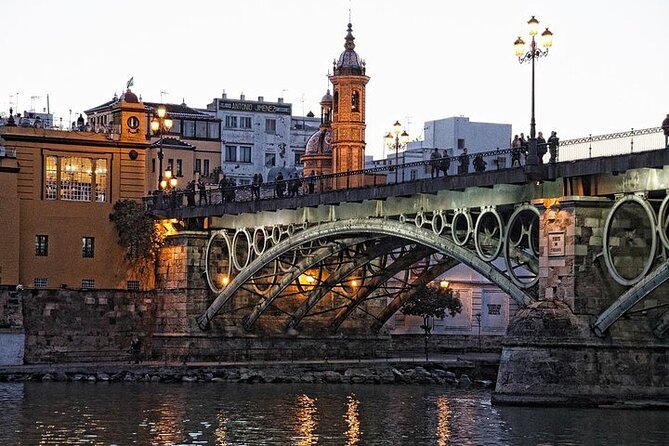
The meeting point is Puente de Isabel II, right by the bridge that connects Seville proper with Triana across the Guadalquivir. This matters more than it sounds. When you start at the river crossing, you instantly understand the neighborhood’s geography, and later stops make more sense.
From the first minutes, you’ll be in “walk and look” mode. Triana is the side of Seville where the river feels close, and where the street layout feels older. Even if you’ve visited Seville before, this side can feel different because you’re not just sightseeing buildings. You’re following a human map of stories, from old corners to river views.
One practical tip: expect the start area to be busy at times, since it’s a major bridge. Give yourself a few extra minutes so you’re not rushing while also trying to settle into the tour pace.
You can also read our reviews of more tours and experiences in Seville.


Calle Betis and Triana’s flamenco identity
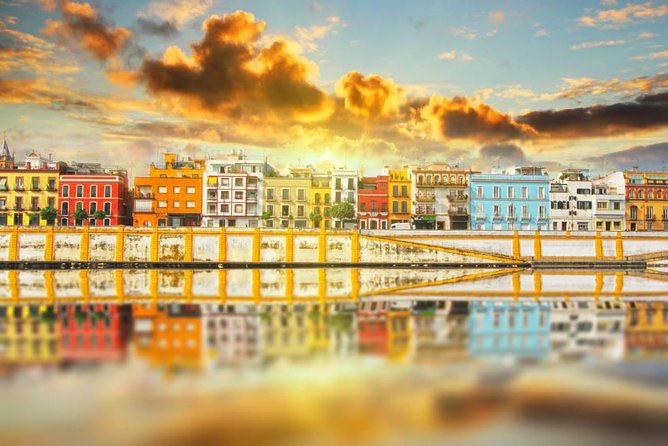
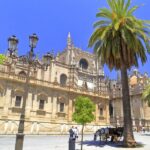
Triana often gets described with visuals first. Colorful facades line Calle Betis, and church steeples rise above the roofs like they’re pointing you toward the next stop. This tour leans into that. You’re not just passing the neighborhood, you’re learning how it “reads” on foot.
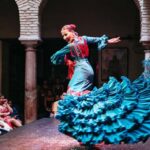
Triana is widely seen as a birthplace of flamenco dance, and you can still feel that influence in the way the area is talked about and remembered. On this route, flamenco is less about performing and more about atmosphere: it’s the cultural background behind why Triana is treated as a distinct world inside Seville.
As you walk, I like that the tour frames the neighborhood as something with layers. You’re not stuck in one time period. You’re hearing the stories that people attach to streets, houses, and church spaces, so the area feels alive instead of like a photo spot.
If you’re a first-time visitor to Seville, Triana is a great counterweight to the more monumental parts of the city. You get street texture, not just landmarks.
Betis Street, the old navigators university, and the “why this place matters” stops
After the bridge, the walking route takes you along Betis Street, then toward several older, more specific sites: the old navigators university and then the Monipodios House. These may not be famous name-brand attractions, which is a good thing. It means the stories attached to them can feel more personal and local.
Here’s what I think is valuable about these stops: they turn architecture and street history into something you can actually notice. When a guide talks through why a building mattered, you start seeing details you might otherwise ignore, like location, purpose, and the way the streets developed around everyday life.
The old navigators university is an especially interesting kind of stop. It hints at Seville’s connection to trade and water, which fits Triana’s river identity. Even without getting technical, a good guide helps you see the logic: if people depended on waterways, this side of town would develop its own skills, institutions, and reputation.
Then you reach Monipodios House. The name alone is memorable, and that’s usually a sign a place has a story that locals actually use. Expect your guide to connect the house to Triana’s character, not just to describe it like a museum object.
If you like tours that feel like walking with a storyteller who can point at real things, these stops are where you’ll likely start trusting the route.
Santa Ana Church: when legends meet visible landmarks
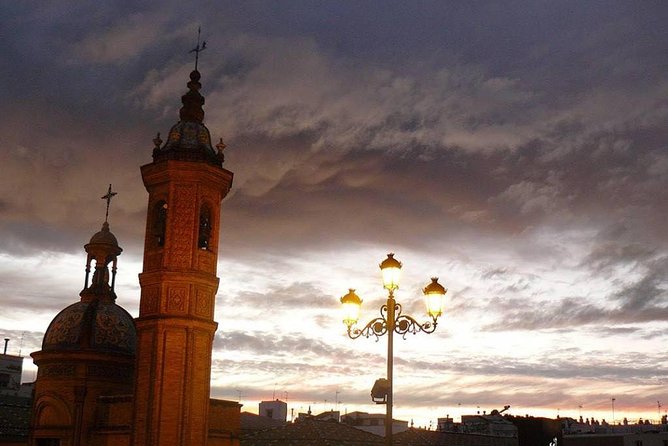
Santa Ana Church is one of the most solid “anchor” moments on the walk. Churches like this do two things for a tour like this. First, they offer a clear visual landmark. Second, they give the guide a place to connect belief, community, and local memory.
I find this stop especially useful because it helps you reset your attention. After the street details and house stories, a church gives your brain a new kind of reference point. You can step back slightly, look up, and then rejoin the walk with a better sense of how Triana’s buildings sit in relationship to each other.
This is also where a tour benefits from strong guide delivery. Many people mention that guides on this route keep the group active and moving while still explaining stories in clear detail. Some guides even use tablet visuals, showing historical images and videos to add context. That can be a big help if you’re trying to understand how people used to view the neighborhood compared with how it looks today.
If you’re traveling with someone who likes photos, Santa Ana Church is a moment to pause. You’ll want a few minutes to get the angle right and not feel rushed.
The old potters quarter and the inquisition headquarters
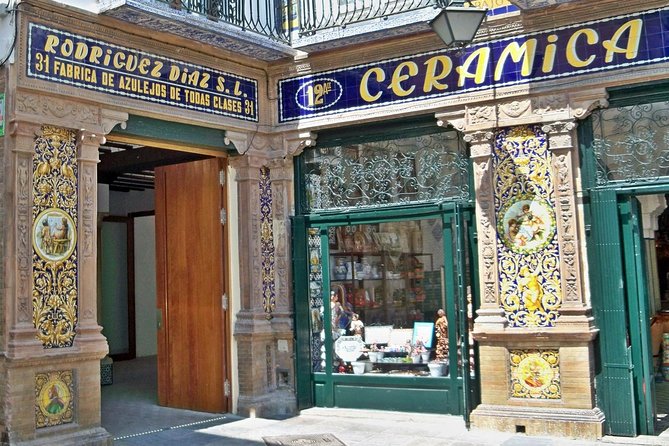
Next comes an area connected to craft life: the old potters quarter. This stop is valuable because it balances the church and the power stories with something more grounded. Pottery and ceramics are not just “art objects,” they’re practical goods that supported homes, markets, and daily routines.
Then the route turns toward the inquisition headquarters. That’s a heavier tone, and it’s exactly the kind of contrast that makes Triana feel like more than a pretty neighborhood. You’re stepping into the part of the story where authority, fear, and control show up in how places were used and remembered.
You might wonder why these two stops fit together. For me, the answer is simple: real neighborhoods are made of ordinary life plus the shadow of institutions. Triana’s legends work because they sit on top of both. You can feel that shift as you walk, especially if your guide explains not just what happened, but how the neighborhood setting shaped what people experienced.
One practical consideration: if you’re sensitive to darker historical themes, tell yourself ahead of time that the tour includes them. This isn’t an all-happy stroll, and the payoff is that the legends feel more believable when the context is real.



Riverbank walking: finishing with Triana’s strongest backdrop
The last part of the route takes you along the riverbank. That ending makes sense for two reasons. First, it gives you space to cool down your brain after concentrated storytelling. Second, it lets the setting do what settings do best: remind you that Triana’s identity is tied to the Guadalquivir.
When you’re done, you’ll likely notice something: the river is not just a view. It’s part of the neighborhood’s logic. Where trade and movement happen, communities grow. Where communities grow, stories collect.
If you’re the kind of traveler who likes to keep walking after a tour, this is a good moment to linger. You can use the last stretch to reorient, take a final look at the skyline, and decide what to do next based on what you learned.
Guides on this tour: what makes the difference
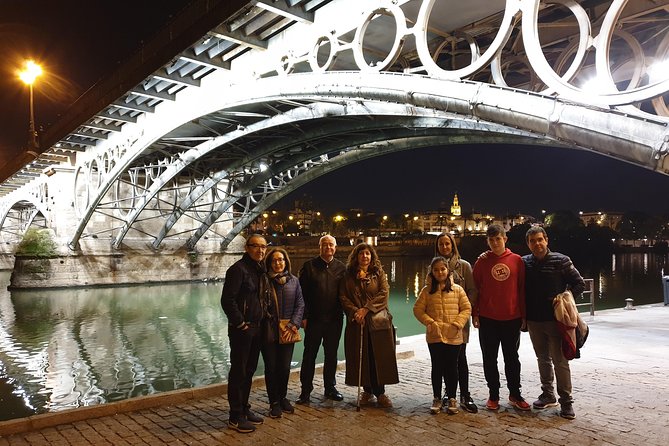
The quality of this experience is heavily guide-dependent, and the good news is that the delivery seems consistently strong. Names you may spot in shared experiences include Yohanna, Mari Paz, Joana (or Joanna), Nieves, Jesús, Valentín, Cristina, Adrián, Bárbara, and Grecia.
What I’d take from that pattern is not “collect the guide’s name,” but what their groups seem to value:
- keeping explanations clear even with a larger group
- telling stories in an active, entertaining way (including humor)
- using visuals in some cases, like historical images and videos on a tablet
- connecting the legend to the physical place, so you can picture it later
This is where small group size helps. With up to 15 people, it’s easier for the guide to keep the pace steady and to handle questions without turning the tour into a stop-and-start problem.
If you enjoy tours where you walk, listen, and look closely, this one fits that style.
Price and value for a Seville Triana walking tour at $14.23
At $14.23 per person, this isn’t a “big-ticket” tour. That’s exactly why it can be smart value in Seville, where you’ll probably spend more on tickets and transport later.
Here’s what you’re paying for:
- a local professional guide
- a small group walking format
- and an admission ticket included
The admission ticket detail is the key value booster. Many walking tours are “free to look, pay for entry” later. Here, at least one stop has entry included, which helps make the price feel more complete.
Two hours is also a sweet spot. You get enough time to see multiple neighborhood nodes, but it doesn’t eat your entire day. That matters if you’re trying to fit Triana around other Seville priorities like the Alcázar and the Cathedral, or if you’re planning a night out afterward.
My practical advice: treat this as your Triana orientation and legend primer. Then you can decide what to revisit on your own.
When timing matters: morning or evening in summer
The tour runs in Spanish and is commonly done as a night walk, and that timing can be a genuine comfort factor. One theme from the experiences shared is that evening departures were a more relaxed choice in summer, especially when heat makes daytime walking unpleasant.
You don’t need to guess. If you’re visiting in hot months, consider the later slot. If you’re visiting in cooler weather, a daytime start works too. Either way, the route length stays about the same, so you’re not locked into a tough schedule.
Still, Triana is a walking neighborhood. If you’re sensitive to walking at night, choose the time that feels safest and most comfortable for you.
Good to know before you go in Spanish
A few practical notes help you plan smoothly:
- It’s a Spanish tour, and the guide leads the storytelling as you walk.
- The group is capped at 15 travelers, and the tour has a moderate physical fitness expectation.
- Food and drinks are not included. I’d plan to bring a small bottle of water, especially if it’s warm or if you run thirsty while walking.
- The meeting point is Puente de Isabel II, and the tour ends back at the same place.
- It uses a mobile ticket, so you’ll want your phone charged and ready.
- It’s near public transportation, so getting there should not be a nightmare.
- Service animals are allowed.
Also, since the tour includes uneven cobblestones and street steps at times, wear shoes you trust. Triana doesn’t ask permission to be charming, it asks you to keep moving.
Should you book Legends of Triana Walking Tour?
If you want Seville that feels human, this is a great booking. You’ll walk real streets in Triana, get stories tied to recognizable places like Santa Ana Church and the riverbank, and do it with a guide who keeps the mood lively. The price is reasonable for a guided, ticket-included neighborhood experience.
I’d skip it only if you dislike historical themes like the inquisition angle, or if you know you struggle with uneven walking. Otherwise, this is an excellent “learn the neighborhood fast” tour, and it pairs well with the rest of your Seville sightseeing.
FAQ
How long is the Legends of Triana Walking Tour?
The tour lasts about 2 hours.
Where does the tour start?
It starts at Puente de Isabel II, Sevilla, Spain.
What time does the tour end?
It ends back at the meeting point.
Is the tour offered in Spanish?
Yes, it is the Legends of Triana Walking Tour in Spanish.
What is included in the price?
You get a local professional guide, a walking small group tour, and an admission ticket is included.
Are food and drinks included?
No, food and drinks are not included.
How big is the group?
The tour has a maximum of 15 travelers.
Is there a mobile ticket?
Yes, the tour uses a mobile ticket.
Do I need moderate physical fitness?
The tour is suitable for travelers with a moderate physical fitness level.
Are service animals allowed?
Yes, service animals are allowed.
Can I get a full refund if I cancel?
You can cancel up to 24 hours in advance of the experience for a full refund.
More Tour Reviews in Seville
Not for you? Here's more nearby things to do in Seville we have reviewed


More Triana Quarter Experiences worth a look.
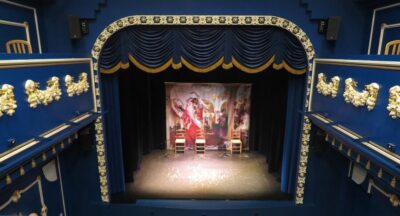 ★ 4.6Live Flamenco Show at “Teatro Flamenco Triana”From $283,290 reviews
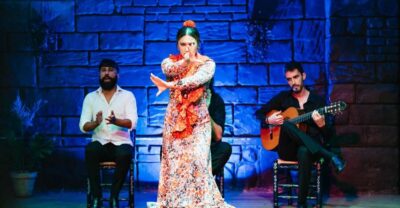 ★ 4.8Baraka Sala Flamenca Show with Drink in TrianaFrom $321,761 reviews
 ★ 4.8Traditional Flamenco Show in TrianaFrom $261,580 reviews
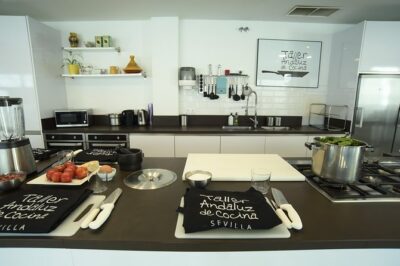 ★ 5.0Spanish Cooking Class & Triana Market Tour in SevillaFrom $90760 reviews
 ★ 4.93.5-Hour Spanish Cooking Class & Triana Market TourFrom $88751 reviews
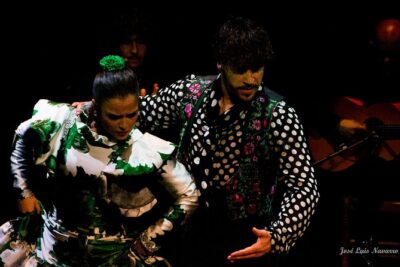 ★ 4.5Flamenco Show Tickets to the Triana Flamenco TheaterFrom $30599 reviews
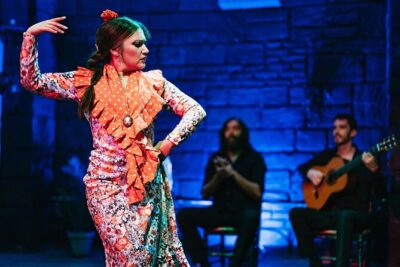 ★ 5.0Baraka Triana. Flamenco show with drinkFrom $32497 reviews
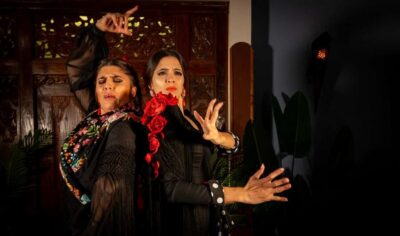 ★ 4.6Flamenco Show at Tablao Almoraima in TrianaFrom $28483 reviews
Continue by place or experience