
REVIEW · SEVILLE TOURS
Seville: Casa de Pilatos Ground Floor Entry Ticket
Casa de Pilatos clicks into place fast. I love the Roman sculptures and the courtyard gardens, but this ticket only covers the ground floor. That means if you want the full palace sweep, you may feel tempted to upgrade.
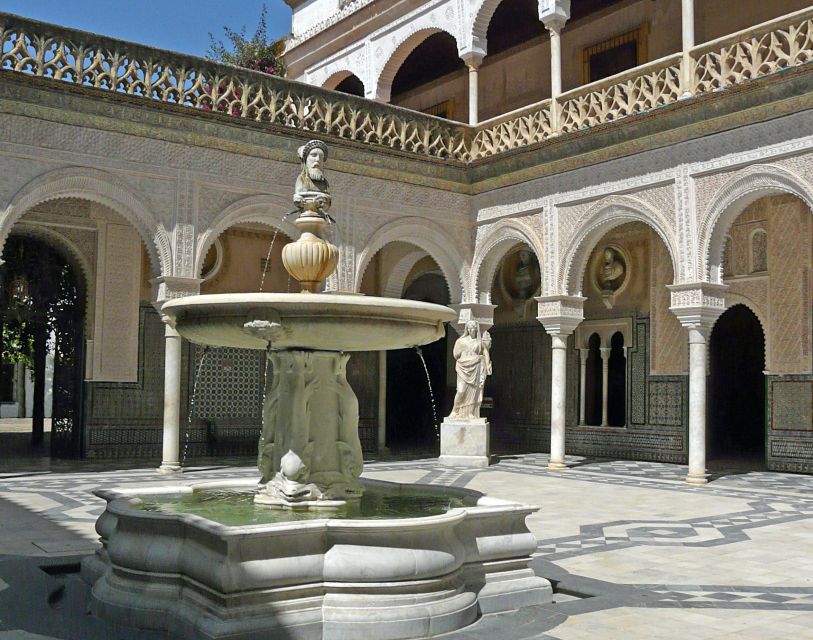
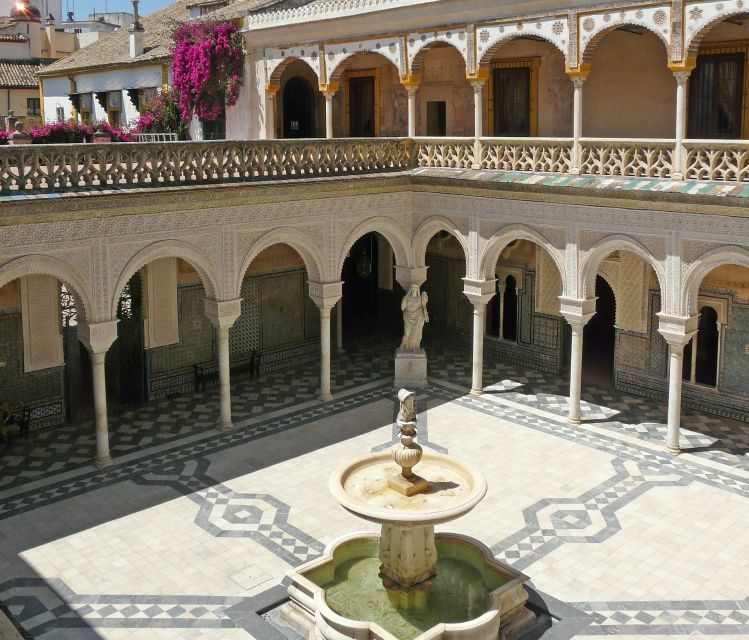
What makes it so satisfying is the way the place is staged for slow wandering. You move room to room around courtyards, glazed tiles, fountains, and sculpture displays, while the audio guide helps you connect what you’re seeing to the palace’s design mix and Seville’s changing fortunes.
One heads-up: the audio guide can run long and detailed, so if you prefer short and punchy interpretation, you may need to pace yourself or use only the parts you care about.
Key Takeaways Before You Go
- A ground-floor route packed with sculpture and tiles so you can enjoy a full palace feel without the upper level
- Roman emperor busts and mythology works including Hadrian, Aphrodite, Apollo, and Pallas Pacifera
- A design mash-up you can actually see with Mudejar-Gothic and Renaissance architecture side by side
- Chapel of Flagellation details such as the basket-handle arch and Christian-Islamic stylistic crossover
- Audio guide in many languages plus on-site cues like QR codes reported by visitors
Casa de Pilatos Ground Floor: What You Actually Get
This is a ground floor entry ticket to Casa de Pilatos, paired with an audio guide. The palace is a 15th-century private residence tied to the Enríquez de Ribera family, and it’s known for how it reflects the highs and lows of Seville’s history.
The price is listed at $14 per person, which is not dirt cheap, but it’s also not trying to be an all-day, big-production museum ticket. You’re paying for a compact, beautiful route where art, architecture, and garden space are all part of the same experience. With only the ground floor included, the value question comes down to how much you care about gardens, sculpture, and courtyard design.
Also note the practical boundary: upper floor access is not included. If you want more rooms and more family-focused context, plan for the option to add the upstairs route if it’s offered when you arrive. Many people end up doing that because the ground floor whets the appetite.
You can also read our reviews of more tours and experiences in Seville.


Entering Through a Renaissance Marble Gate
Casa de Pilatos gives you an immediate sense of “arrival,” not just “walk in.” You enter through a Renaissance-style marble gate, which sets the tone for what follows: decorative surfaces, detailed architectural rhythms, and a palace layout built around open-air courtyards.
From there, your route is designed to keep your eyes moving. You go past statement elements like the courtyard fountains and the sculpture displays, then you circle through drawing rooms and transitional spaces. The big win here is pacing. Instead of one long hallway, you get an on-and-off rhythm of covered rooms, courtyards, and gardens.
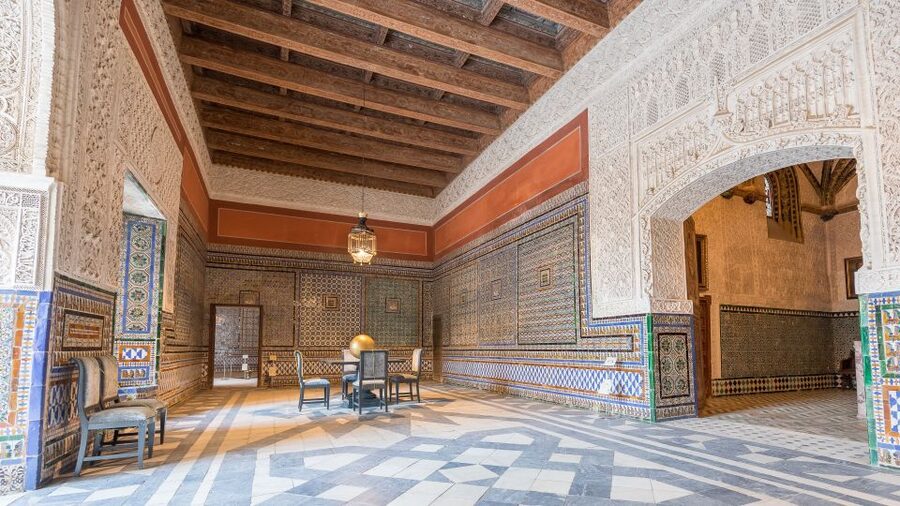
Seville-style tiles show up constantly, so even when you’re not staring at sculpture, you’re still reading the walls and ceilings like part of a larger artwork. If you love taking photos, this is the kind of place where you can shoot for a while without feeling like you’re repeating the same angle.
Design Mix on Display: Mudejar-Gothic Meets Renaissance
One reason Casa de Pilatos feels different from the big name palaces is the visual conversation happening across styles. You’ll see the harmonious blend of Mudejar-Gothic and Renaissance design in the architecture and decorative details.
In practical terms, that means you’ll notice layered ideas rather than one uniform look. The palace is part of what made Renaissance style take hold in Seville, and you can literally see the transition in stonework and arches. You’re not just learning concepts, you’re observing them.
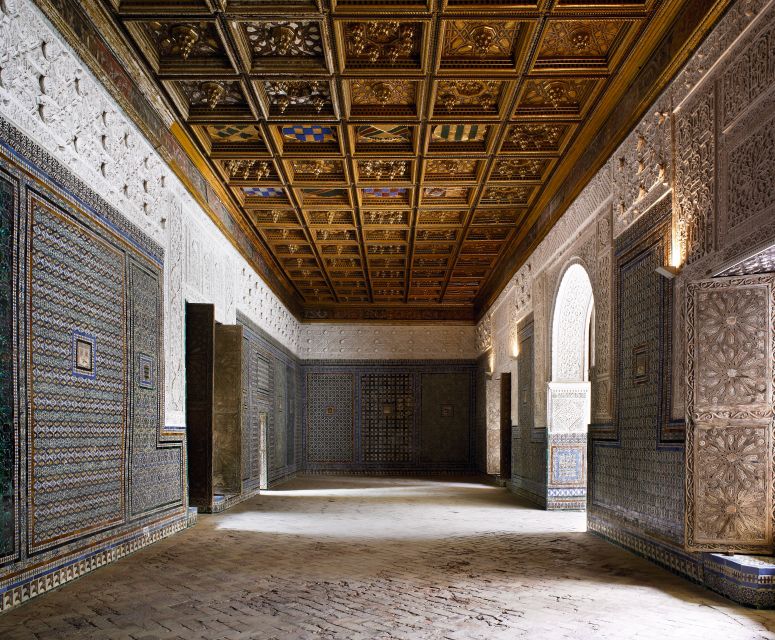
A standout for me in this kind of place is how the ceiling decorations and room proportions keep you oriented. The audio guide helps you name what you’re looking at, which matters because these palaces can otherwise feel like a beautiful blur. You’ll especially appreciate the coffered ceilings later in the route, but you start getting that “decorative system” feeling from the first rooms.
The Roman Sculpture Circuit: Emperors, Gods, and Pallas Pacifera
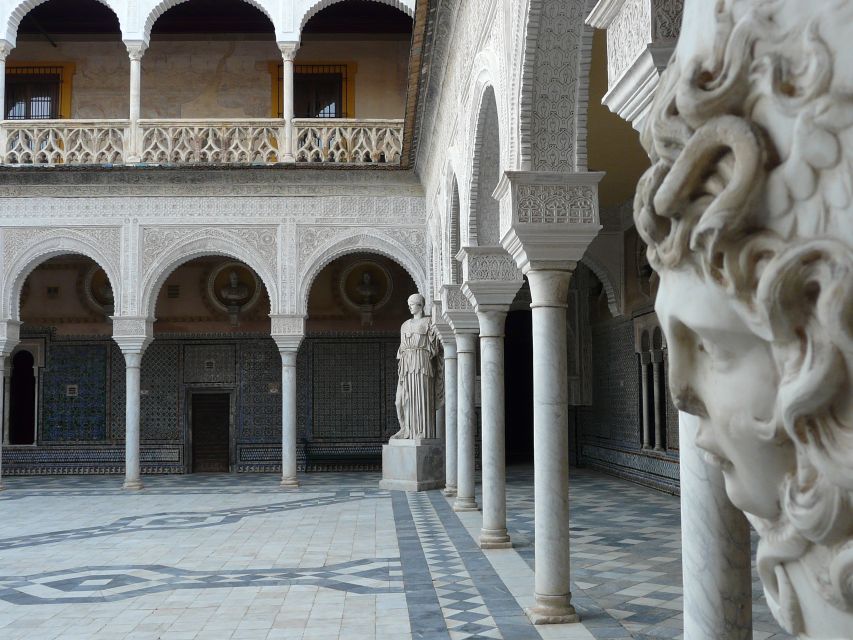
The palace takes sculpture seriously. On the ground floor, you’ll encounter a collection featuring Classical antiquity, including 24 busts of Roman emperors. This is one of the easiest ways to understand why people get so taken with Casa de Pilatos, because the theme is clear and the details are memorable.
As you follow the route, look out for the specific names called out for you by the audio guide signage and track notes:
- Emperor Hadrian
- Aphrodite
- Apollo, the god of music, poetry, and art
Then there’s Pallas Pacifera with war ornaments carved in stone, including a shield and helmet. This part adds contrast, because it shifts the mood from serene gods and portraits into something more martial and symbolic.
My advice: don’t try to treat it like a checklist. Instead, pick two or three figures you genuinely like and linger there. If you rush, you’ll remember the overall beauty but miss the texture and expression that makes the busts feel alive.
Courtyards, Fountains, and the Andalusian Pace
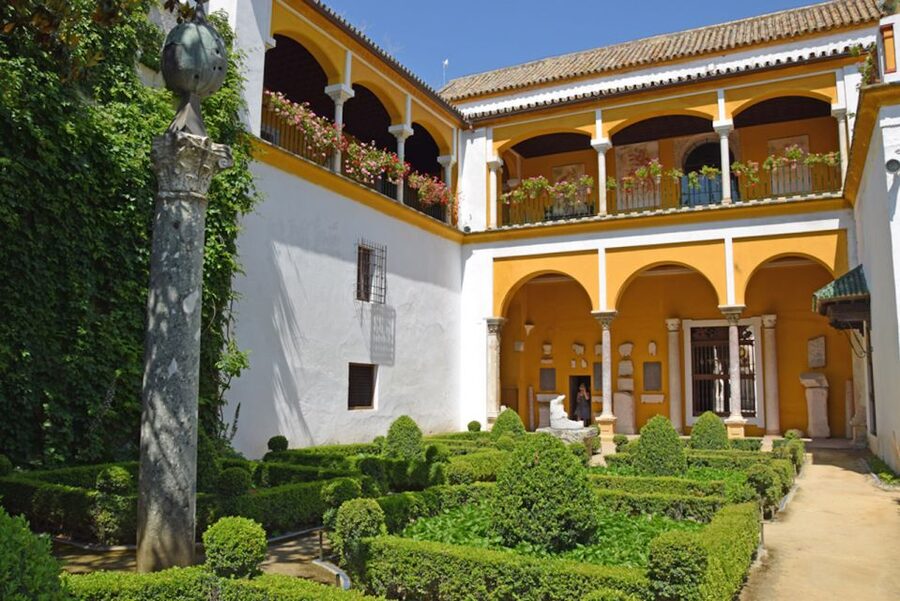
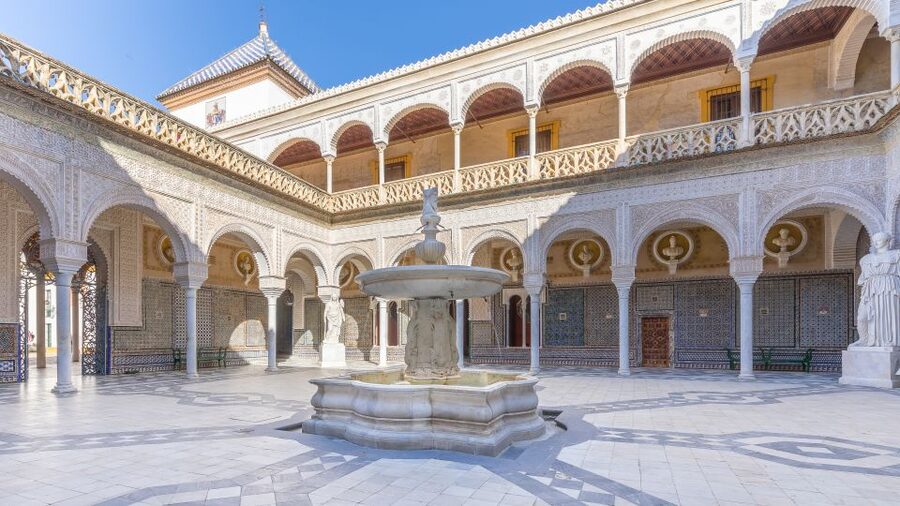
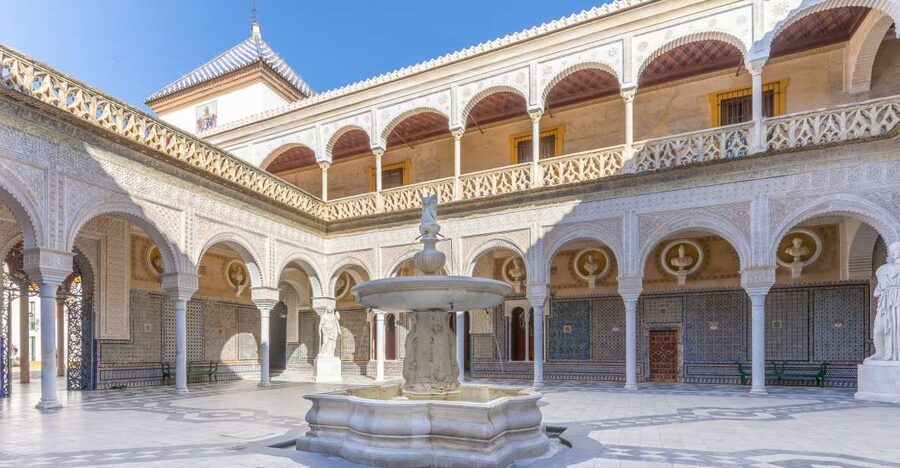
After sculpture, the experience slows down in the best way. You’ll see the fountains in the typical Andalusian courtyard, and that shift is what makes Casa de Pilatos feel restful even when you’re surrounded by art.
Courtyards are the heart of this place. They create light, they frame views, and they give you those natural “pause points” where your brain can reset between rooms. If you’re visiting during the warmer parts of the day, courtyards and shaded spaces matter because they let you keep enjoying the palace rather than overheating and rushing.
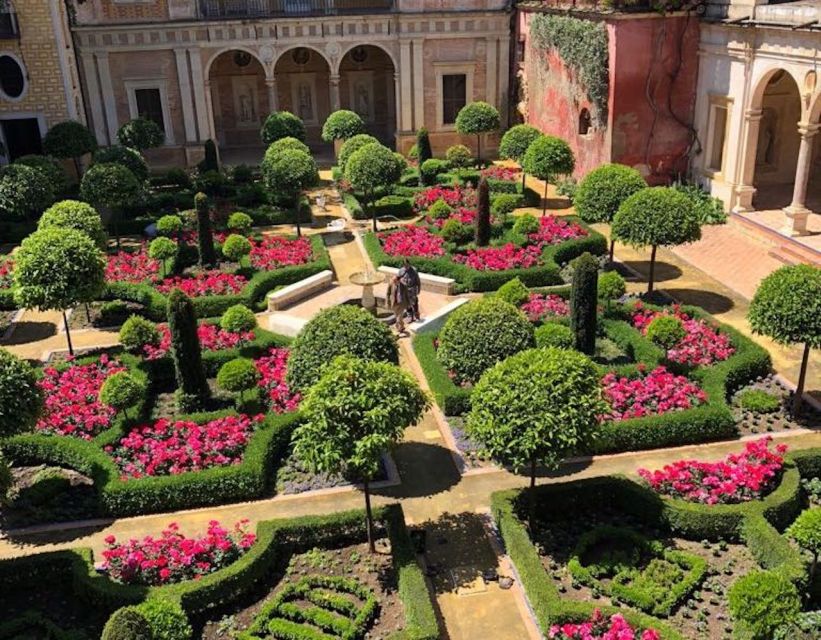
Then there are the palace gardens, which you can explore on this ground-floor ticket. The gardens are described as Renaissance style, and that label matters because it changes the feeling. These aren’t random walk-around greens. You’re walking through a designed space that complements the palace architecture rather than competing with it.





Chapel of Flagellation: Where Styles Cross
The Chapel of Flagellation is the oldest part of the palace, and it’s also one of the most visually specific stops. This is where the Christian and Islamic crossover becomes more than an abstract label.
The chapel features an ornate basket-handle arch, and the architecture is described as crossing between Mudejar-Gothic and Renaissance styles. For you, that means the shapes and decorative cues feel more complex than in the main ceremonial rooms. You’ll likely find yourself looking up more than you expected.
If you like places where architecture carries meaning, this is the moment to slow down. Don’t just glance at the arch, look for how it frames the surrounding space. The audio guide helps put it into context, so you’re not stuck wondering what you’re seeing.
Salón del Pretorio and the Coffered Ceiling Detail
As your route continues, the palace turns up the “look closer” factor. In the Salón del Pretorio, you’ll appreciate the intricate coffered ceiling decorated with ornamental bows.
Coffered ceilings are one of those features that seem simple until you see them in person. Up close, you can understand the craftsmanship, the repeating pattern logic, and why this kind of room was meant to impress. It’s not only decorative. It’s about structure and rhythm.
This is also where an audio guide shines. Names like this help you remember where you are, and the guided notes keep you from getting lost in visual overload. If you tend to skip audio in historic places, consider turning it on for this section and letting the ceiling become your main character for a few minutes.
Audio Guide Tips: Easy Use, Real-World Pacing
You’ll get an audio guide with language options including Spanish, French, English, Portuguese, German, Japanese, and Italian. That’s great for comfort, because you’re not locked into one language for the whole visit.
A practical tip: go in with a plan for your attention. Some people end up overwhelmed by how detailed the track becomes. If that’s you, don’t worry about catching every single note. Use the audio guide to get the big ideas, then switch to looking mode for a while.
Also, QR codes are reported as part of the way you match narration to specific rooms and signs. If you see them, use them. They’re a small thing, but they help you avoid the frustrating hunt for the right track when you’re standing in front of a wall of tiles and trying to read it all at once.
If you’re traveling with limited time, you can still make this work. Focus on your personal top three: (1) the Roman busts, (2) the chapel arch, and (3) the coffered ceiling room.
Timing in Seville: Last Entry and Monday Free Window
Timing matters at Casa de Pilatos. The last entry from Tuesday to Sunday is 5:30 PM. On Mondays, entry is free between 3:00 PM and 5:30 PM.
If you want a calmer visit, plan around the flow of tour groups. Earlier in the day can feel quieter, and later in the day is when you’ll be competing with more organized group pacing. This is one reason the audio guide is extra helpful. Even when the palace gets busier, you can still control your experience by lingering in courtyard pockets and returning to the stops that matter most to you.
For planning your day in Seville, think of this as the kind of stop you can pair with another major palace visit. People often use it as a warm-up because it sets you up to notice tilework, sculpture themes, and Renaissance details more clearly afterward.
Value Check: Is It Worth $14 for Ground Floor Only?
Let’s talk value without rose-colored glasses.
At $14, you’re paying for:
- a 15th-century palace atmosphere
- ground-floor access that includes sculptures, courtyards, and gardens
- an audio guide included in the ticket
What you’re not paying for is the upper level, and that’s the main reason some people feel a pinch. If you’re the type who wants every floor of a historic site, you may end up wishing you had bought the all-access option.
On the other hand, the ground floor route is designed to feel complete. You get the key visual themes: Classical sculpture, Roman busts, decorative tilework, fountains, and major architectural moments like the chapel and coffered ceiling hall. And you can slow down in gardens without feeling like you must rush to make a schedule.
I think this ticket is strong value if you:
- enjoy architecture and art more than guided storytelling
- like self-paced visits with audio support
- want a break from the biggest crowd magnets in Seville
If you strongly prefer a guided experience with a live narrative, you may find the audio alone less satisfying than what you expected.
Who Should Book This Ticket, and Who Should Skip
This experience fits best if you want a self-guided palace with built-in interpretation. You’ll likely enjoy it if you care about:
- architecture blending styles, especially Mudejar-Gothic and Renaissance
- Classical antiquity sculpture, especially Roman busts
- designed courtyards and gardens where you can slow your pace
You might skip it, or at least think twice, if:
- you’re only interested in upper-floor rooms
- you dislike audio guides that feel detailed
- you want a full museum-style guided narrative rather than independent exploration
Should You Book the Casa de Pilatos Ground-Floor Ticket?
Yes, I’d book it if you’re excited by art, tiles, architecture, and Roman sculpture, and you’re okay with the ground floor being the main event. The palace is small enough to enjoy without stress, and the audio guide helps you turn what you see into something you can actually remember.
If you’re the kind of traveler who hates missing parts, consider planning for the upstairs option if it’s available when you arrive. For the rest of you, this ground-floor ticket can be the perfect “Seville palace primer,” letting you appreciate the details before you tackle bigger sites later.
And if you like flexibility, the experience offers free cancellation up to 24 hours in advance and a reserve now, pay later option, which is handy when your Seville day plan is still shifting.
FAQ
What areas are included with this Casa de Pilatos ticket?
This ticket includes access to the ground floor of Casa de Pilatos. The route covers the palace rooms, courtyards, and gardens, along with the on-site sculptures and architectural highlights described for the ground floor.
Is the upper floor included?
No. This specific ticket is for the ground floor only, and upper floor access is not included.
What languages is the audio guide available in?
The audio guide is available in Spanish, French, English, Portuguese, German, Japanese, and Italian.
What is the last entry time from Tuesday to Sunday?
From Tuesday through Sunday, the last entry is at 5:30 PM.
Is entry free on Mondays?
Yes. Entry is free on Mondays between 3:00 PM and 5:30 PM.
How long should I plan to spend inside?
The ticket is valid for 1 day, and the visit is self-paced on the ground floor. Give yourself enough time to move slowly through rooms, courtyards, gardens, and sculpture areas, especially if you plan to use the audio guide.
More Tour Reviews in Seville
Not for you? Here's more nearby things to do in Seville we have reviewed








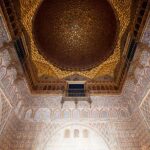

More Seville Tours worth a look.
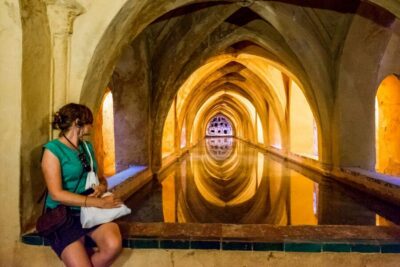 ★ 4.6Royal Alcázar Entry TicketFrom $2328,378 reviews
 ★ 4.5Cathedral and La Giralda Entry TicketFrom $2024,592 reviews
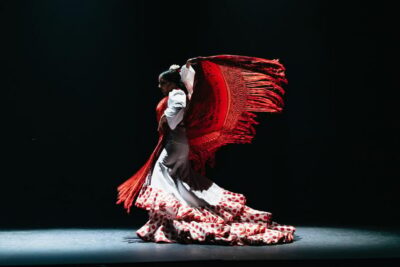 ★ 4.7Live Flamenco Dancing Show Ticket at the TheaterFrom $2716,396 reviews
 ★ 4.21-Hour Guadalquivir River Sightseeing Eco CruiseFrom $1910,281 reviews
 ★ 4.7Cathedral, Giralda, and Royal Alcázar Guided TourFrom $699,165 reviews
 ★ 4.6Setas de Sevilla Entry TicketFrom $188,901 reviews
 ★ 4.6Cathedral, Giralda & Alcazar Entry With Guided TourFrom $658,560 reviews
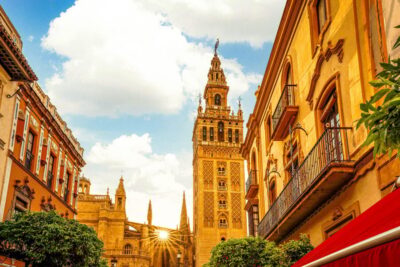 ★ 4.8Priority Access Cathedral, Giralda & Alcázar TourFrom $647,563 reviews
Continue by place or experience