
REVIEW · SEVILLE TOURS
Private trip to Carmona from Seville: 5000 years of history
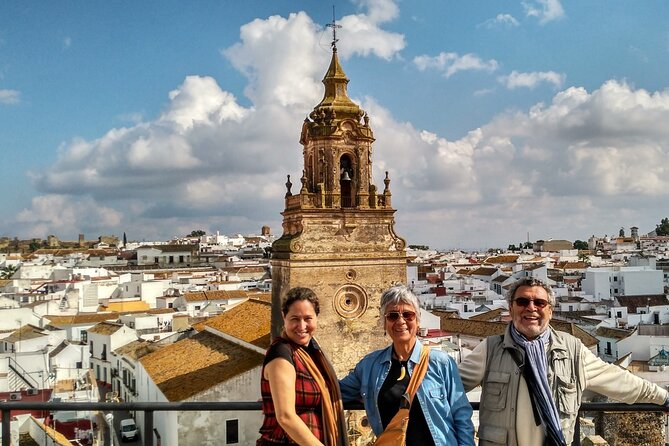
Carmona turns up the volume on history. In one long morning to afternoon, this private trip from Seville strings together Roman ruins, fortress views, and a working church that also feels like a slice of daily life. It is built for people who want their photos and their context, without the stress of driving or figuring out sites on your own.
I love how the day works like a real conversation with your guide, not a lecture. In one of the strongest highlights, guide Enrique is singled out for being both friendly and sharp on explanations, and the pacing stays comfortable, so you have time to look, ask, and connect the dots. You’ll also get a smooth plan with private transportation and admission tickets handled for the main stops.
The one drawback to watch is the Roman Necropolis timing. It closes on Mondays, so your visit may shift depending on the day you pick.
Key highlights you will actually feel on the ground
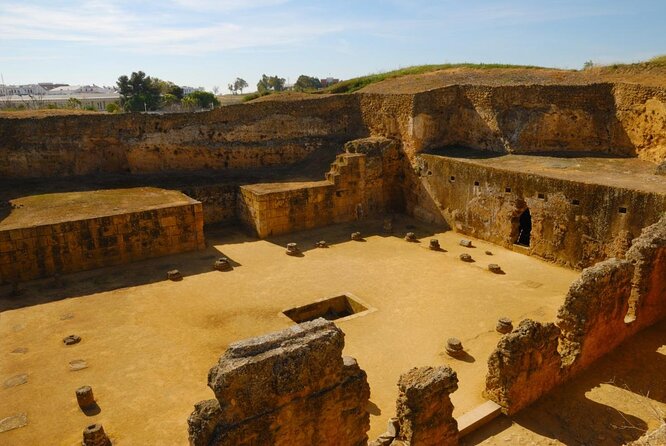
- Roman Necropolis terrace views that line up with the Roman Amphitheatre of Carmona, described as the oldest in Hispania
- Alcázar de la Puerta de Sevilla showing military layers across Carthaginians, Romans, Muslims, and Christians
- Santa María de la Asunción as a Priory Church with a Seville Cathedral style reference, plus an alternate stop to Santa Clara if needed
- Plaza San Fernando lunch time in Carmona’s historic center, with plenty of options where you can take your time
- Alcázar de Arriba viewpoint up near the King Peter I fortress and the Parador for big, easy photo angles
From Seville pickup to Carmona ramp-up
This trip starts with a simple promise: you do not have to manage the logistics. Your pickup is arranged at your accommodation when possible. If that is not workable, it shifts to a nearby, accessible meeting point. Either way, it is designed to reduce “where do we meet?” moments, and you are in an air-conditioned vehicle for the ride.
Timing is also practical. The tour runs in the morning window, and the ride takes about 45 minutes each way. That matters because Carmona is not just a quick stop. You want enough time to slow down in the old streets and to actually sit with the views from the fortress points. A 6 to 7 hour day is long enough to feel satisfying, but not so long you start speed-walking through everything.
If you are traveling as a couple or a small group, the private format changes the whole feel. Instead of splitting attention with a big crowd, you can follow your guide’s story thread, ask questions when something sparks your curiosity, and get recommendations for what to photograph first.
You can also read our reviews of more tours and experiences in Seville.


Roman Necropolis: the terrace view that makes it click
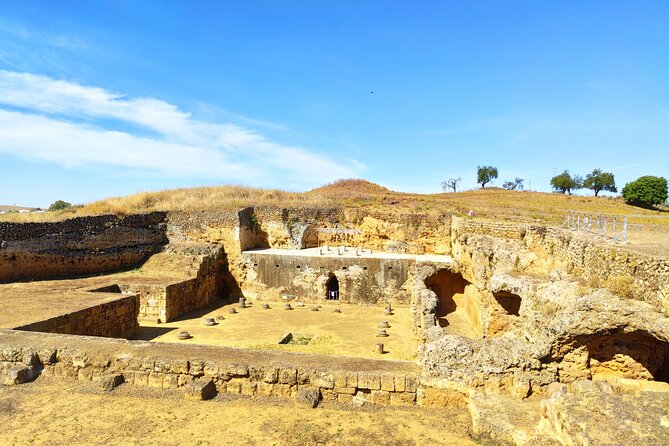
One of the best parts of Carmona is how the sites talk to each other. The Roman Necropolis visit gives you that “aha” moment fast. You are not just looking at old stones. You are placed so the setting makes sense. From the terrace, you can see the Roman Amphitheatre of Carmona. The amphitheatre is described as the oldest in Hispania, which is a big claim. It also gives you a reason to pay attention to angles, elevations, and how ancient space shaped the town.
You get about 1 hour 30 minutes here, which is enough time to walk carefully and still keep the day moving. If you like ruins that feel connected to real geography, this stop is a winner. A necropolis is also a good reminder that Roman culture was not only about temples and forums. It included how people faced death and how they used land outside the main urban core.
The main consideration is the day-of-week issue. The Roman Necropolis is closed on Mondays. If your travel dates land on a Monday, plan for a different flow. On paper, that closure is a clear heads-up. In practice, it affects how much of the Roman thread you get.
Alcázar de la Puerta de Sevilla: fortifications through many eras
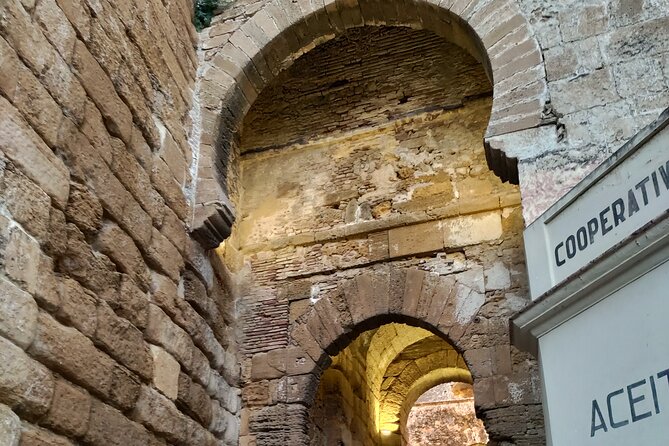
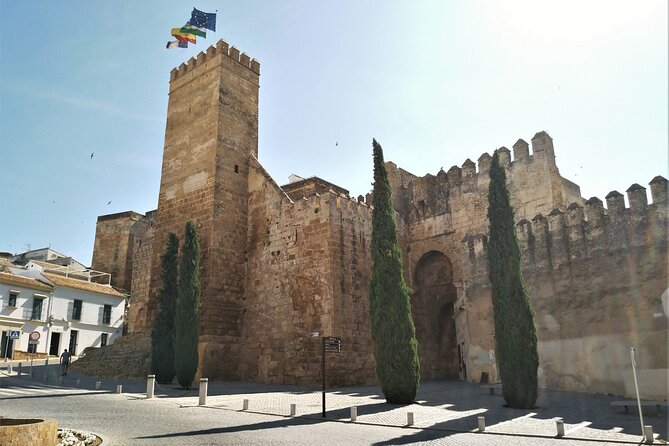
After the Roman setting, the story shifts to military architecture and how Carmona kept reusing strategic spaces. The stop at Alcázar de la Puerta de Sevilla focuses on the main military monument of the city. It is described as one of the oldest in Spain, with around 30 centuries of history.
What I like about this stop is that it does not present history as a single straight line. It shows layering. The site includes remains connected to Carthaginians, Romans, Muslims, and Christians. That matters because it helps you read the building logic. You start to notice how defensive design evolves, and how later groups adapt what earlier powers already built.
Expect about 1 hour for this segment. For me, that is the right amount of time. You need enough minutes to understand what you are looking at and to appreciate the views, but you do not want to stall here so long that you lose the momentum of the rest of the day.
If you are the type who likes learning why a place got chosen, this is where you will feel rewarded. The setting is tied to control and vantage, and your guide can help you connect the dots between walls, gates, and the sightlines over the town.
Priory Church of Santa María de la Asunción, and a smart backup plan
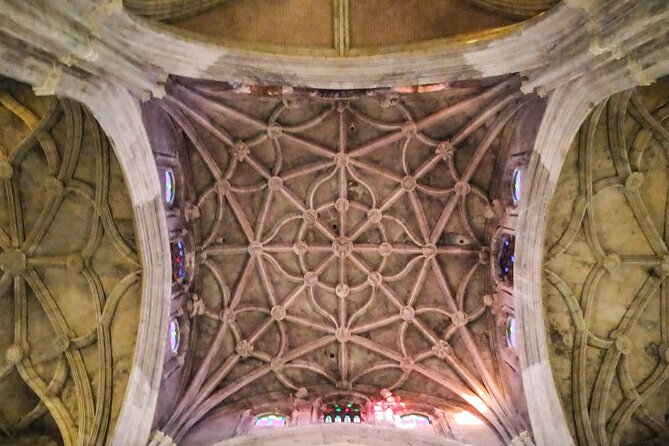
Next up is the heart-and-soul side of Carmona. The Iglesia de Santa Maria de la Asuncion is the Priory Church of Santa María de Carmona. It is described as an architectural jewel and a mini copy reference to the Cathedral of Seville. Even if you already know Seville’s cathedral style, it is still a fun comparison. You see how ideas travel across cities, and you get a chance to spot differences without being overwhelmed.
This stop runs about 1 hour, and it balances well with the earlier fortress and Roman elements. You go from stone defense and ancient viewing points to a sacred space where design choices show religious life over centuries.
There is also a thoughtful contingency built into the plan. If the church is closed on the day of your visit, you do not lose the stop. Instead, you visit the Convent of Santa Clara, described as a picturesque gothic and Mudejar active convent. A practical bonus: you can buy their pastries. That is not just a souvenir angle. It is a chance to taste something from an active place rather than a staged one.
This is the kind of backup plan that keeps the day feeling complete. A lot of smaller towns have sites that close unpredictably, and having a route that still lands you somewhere meaningful is a big quality-of-life factor.
Plaza San Fernando: lunch time in Carmona’s historic center
By the time you reach Plaza San Fernando, you will have earned a break. This is your lunch time slot, with about 1 hour 30 minutes in the historic center. The best part is that it is flexible. You can take it at your pace, browse options, and choose what fits your appetite and budget.
I like this structure because it lets you do two useful things. First, you can recharge without rushing. Second, you can get your bearings in the town square area. After the earlier sites, it helps to return to Carmona’s “everyday stage,” where the streets, views, and daily movement all start to feel connected.
There is no lunch included, so you will be paying your own way for meals. That is a normal tradeoff for a tour that keeps the ticket and guide costs bundled elsewhere. If you want value, use this time to compare menus and look for lunch specials, not just the most obvious option at first glance.
If you are traveling with someone who wants a slower day, this lunch block is also where you can steer. Want a longer coffee break? You probably can. Want to do one quick photo loop before sitting? You can.

Alcázar de Arriba and the King Peter I viewpoint
Finally, you climb back into viewpoint territory. Alcázar de Arriba, also known as the Upper Fortress, is the last big “look out over Carmona” moment. The time is short, about 20 minutes, but it is scheduled like a finale, not a random stop.
This viewpoint sits at the highest altitude of Carmona and is associated with the Alcázar of King Peter I. Today, that royal fortress area is a Parador de Turismo, the state-run hotel. Even if you do not go inside, the value here is the perspective. You get a sense of the town’s scale and the way the old walls and streets relate to the land around them.
For photographers and daydreamers, short stops like this can be perfect. Twenty minutes is long enough to set up, breathe, and take your shots without turning the day into a slog.
If you are sensitive to hills or stairs, plan to go at a steady pace. The route is still manageable for most people, but Carmona’s topography is part of what makes these views worth it.
The real value: private guide pace and ticket-smooth planning
This tour is priced at $300.40 per person, and that number can look steep until you translate it into what you are actually getting. You have a private licensed guide, private air-conditioned transportation, and tickets for the main visits. Lunch is not included, but the other major cost drivers are.
So the value question becomes simple: do you want control, ease, and guidance built in? If yes, this format usually makes sense. If you are comfortable building your own Carmona plan, then the price might feel less attractive. But most people choose a private tour because they do not want to waste precious daylight sorting opening hours, ticket lines, and travel timing.
One of the best review signals is that the experience feels conversational. Guide Enrique gets credited for being friendly and for making the information land in a way that feels like interaction, not a speech. That is what turns “I saw a church and some ruins” into “I understand why these places matter.”
The private setup also helps if you have any specific interests, like Roman Spain, fortress design, or how Islamic and Christian eras overlapped in architecture. You can steer questions toward what you care about and let the guide connect the dots for you.
When to go, and what can change your route
You need good weather for the experience. That is not a minor detail here, because viewpoints and outdoor terraces play a real role in the “wow” factor of Carmona. If the weather is poor, the plan may shift, or you may be offered a different date or a full refund.
Also keep your calendar in mind. The Roman Necropolis closure on Mondays can change the rhythm of the Roman portion of the day. If you want that Roman terrace and the amphitheatre connection, try to schedule on a day other than Monday.
Lastly, your church visit can depend on whether Santa María de la Asuncion is open that day. The backup to the Convent of Santa Clara protects your time so you still end up with a meaningful church and convent stop.
Who this private Carmona trip suits best
This tour is a great match if:
- You want a full, story-driven day without renting a car or stressing over public transport
- You care about connecting different civilizations in one place, rather than checking boxes
- You like clear pacing with a guide who can adjust to your questions
- You want viewpoints that are easy to access and tied directly to the main sites
It may be less ideal if:
- You are only interested in one small slice, like just churches or just ruins
- You plan to travel on a Monday and the Roman Necropolis is your must-see, since it is closed that day
Should you book this Carmona from Seville tour?
If you want an efficient, guided way to see why Carmona is described as having 5,000 years of history, I think this is a solid booking. It hits the right balance: Roman context, fortress storytelling, sacred architecture, lunch time, and then a viewpoint finish. The private guide plus included tickets and transportation makes the day feel “managed,” which is worth something when you are on holiday.
Book it if you like learning as you walk, and if you want the day to feel personal. Skip it only if Carmona for you means a quick drive-by, or if your dates make the Roman Necropolis closure a dealbreaker.
FAQ
What is the duration of the Carmona trip from Seville?
It lasts about 6 to 7 hours.
How much does the tour cost?
The price is $300.40 per person.
Is pickup from my accommodation included?
Pickup is offered, and it is arranged at your accommodation when possible. Otherwise, it goes to a nearby accessible meeting point.
What language is the tour guide?
The tour is offered in English.
What is included in the price?
A private licensed tour guide, tickets, private transportation, and an air-conditioned vehicle are included.
Is lunch included?
No. Lunch is not included, but you get time to eat in the historic center.
Does the tour visit the Roman Necropolis every day?
The Roman Necropolis is closed on Mondays, so it will not be available on Monday visits.
What if the Church of Santa María de la Asuncion is closed?
If it is closed on your visit day, you will visit the Convent of Santa Clara instead, including time to buy their pastries.
What happens if the weather is bad?
The experience requires good weather. If it is canceled due to poor weather, you will be offered a different date or a full refund.
More Tour Reviews in Seville
Not for you? Here's more nearby things to do in Seville we have reviewed



More Seville Tours worth a look.
 ★ 4.6Royal Alcázar Entry TicketFrom $2328,378 reviews
 ★ 4.5Cathedral and La Giralda Entry TicketFrom $2024,592 reviews
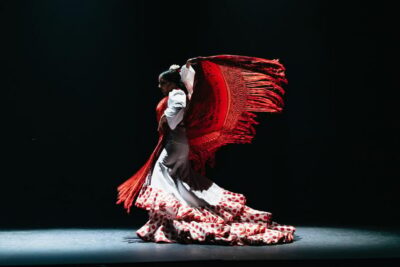 ★ 4.7Live Flamenco Dancing Show Ticket at the TheaterFrom $2716,396 reviews
 ★ 4.21-Hour Guadalquivir River Sightseeing Eco CruiseFrom $1910,281 reviews
 ★ 4.7Cathedral, Giralda, and Royal Alcázar Guided TourFrom $699,165 reviews
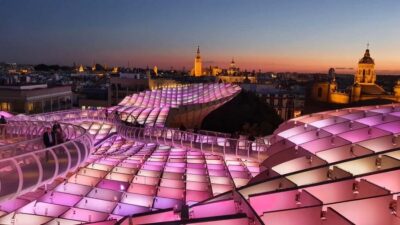 ★ 4.6Setas de Sevilla Entry TicketFrom $188,901 reviews
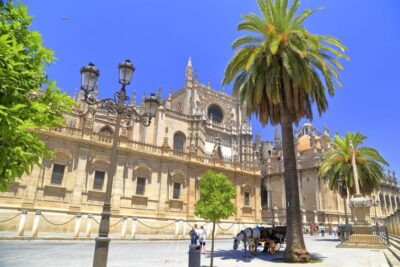 ★ 4.6Cathedral, Giralda & Alcazar Entry With Guided TourFrom $658,560 reviews
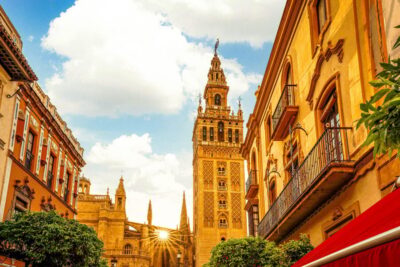 ★ 4.8Priority Access Cathedral, Giralda & Alcázar TourFrom $647,563 reviews
Continue by place or experience