
REVIEW · SEVILLE TAPAS, TAVERNS & MARKETS
Seville Adventure: Historic Walking Tour & Traditional Tapas
Seville layers history, and food ties it together. This 3-hour walking-and-tapas tour strings together the Islamic and Christian story of the city with a local guide, plus stops like Plaza del Triunfo and the Alcázar. I love the way the guide explains the 12th-century main mosque legacy and connects it to how people lived. I also love that your tapas and drinks are built into the route so you get a real taste of Seville, not just photos. One thing to consider: entry tickets are not included, so you may pay extra for any sites where you want to go inside.
A big reason this works is the guide quality and the way they help you plan the rest of your stay. In the guide credits I saw, people named Zach and Marcio specifically for being welcoming and for bringing the history to life with practical recommendations afterward. If you want the highlights and a clear plan for what to do next, this is set up for that.
Key Highlights You’ll Actually Notice
- Islamic influence explained on the street, from the city’s main mosque story to later Islamic-era landmarks
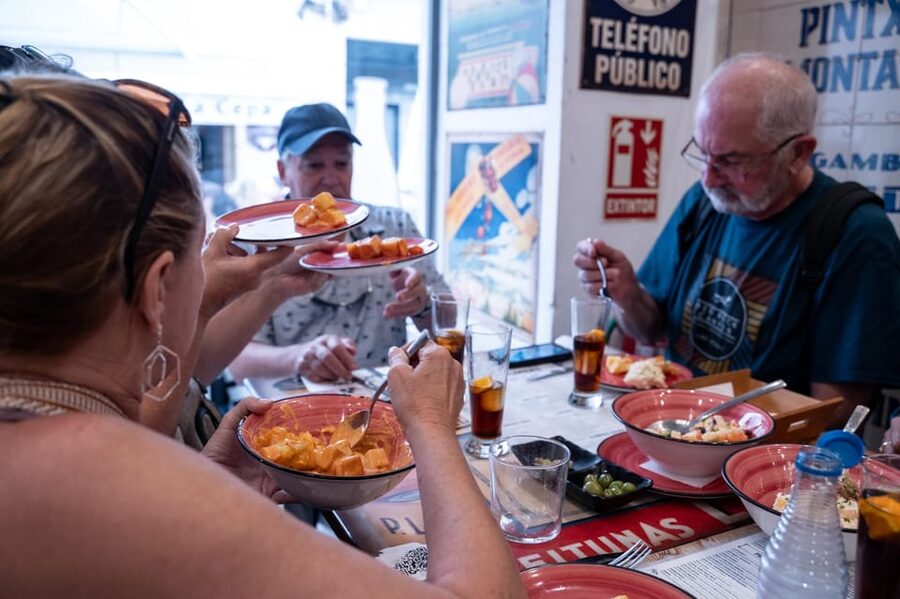
- Tapas and drinks included, timed so you can snack without ruining the pacing
- Mudéjar architecture stop, where you can see the mix of Arabic and Christian design
- Top viewpoints at Las Setas, including skyline time at the end of the walk
- Helpful stay recommendations from your guide, so you leave with a plan, not just a route
Why This Seville Adventure Feels More Like a Plan Than a Walk
Seville can overwhelm you fast. The streets twist, the sights are close, and the city has so many layers that it’s easy to walk past important details. This tour is built to give you an order to the chaos.
The big value is the theme: Islamic influence running underneath the later Christian city, with food as your reward. You do not just look at buildings. You learn what changed, what stayed, and why Seville still carries those fingerprints. And because tapas are included, the experience stays practical and satisfying.
At $79 per person for 3 hours, it’s not a bargain-tour price. But when you factor in a live guide plus tapas and drinks, it becomes decent value for people who want structure. You’re paying to have someone connect the dots for you, and to feed you along the way.
You can also read our reviews of more tours and experiences in Seville.


Where You Start, What to Bring, and How to Prepare
You meet at Topsegway Federico Sanchez Bedoya 12, Calle Federico Sánchez Bedoya 12, 41001 Sevilla. That matters because the first few stops set the pace and tone. If you arrive late, you’ll lose time at places like the cathedral area and the Setas viewpoint area.
Bring your passport or ID card. You’ll thank yourself for having it ready.
This is a walking tour, and it’s not suitable for children under 12 or pregnant women. The tour is listed as wheelchair accessible, so there’s a plan for mobility, but I’d still go in expecting walking time through real city streets.
Entry tickets are not included. That’s a key point for budgeting. If you plan to go inside multiple major sites, you’ll want cash or a card ready for any additional fees.
Stop-by-Stop: Plaza del Triunfo, Cathedral Area, and Archivo de Indias
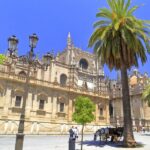
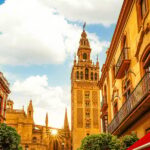
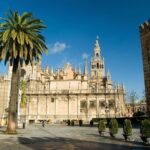
You kick things off near the cathedral at Plaza del Triunfo. Expect explanations right away, so you’re not just standing in a famous square with no context.
This part of the walk connects three big ideas:
1) The Archivo de Indias, where Spain’s maritime empire left paperwork footprints. Even if you do not go inside, hearing what the archive represents gives you a stronger sense of why Seville mattered.
2) The 12th-century main mosque story. This is where the tour’s theme takes shape: Islamic rule left architecture, urban design, and names.
3) The way those layers were repurposed later, so Seville becomes a “same-place, different-era” city.
You also pass by Puerta del Perdón, which is tied to the way later religious spaces were shaped around older urban routes. The tour helps you notice how entrances and passages often preserve the logic of older cities.
Drawback to keep in mind: this is one of the heavier interpretive segments. If you do better with a lighter narrative, you may want to pace your listening and ask your guide to repeat key points as you walk.
Puerta del Perdón and Alcaicería de la Seda: The Muslim Market Story
Next, you move about 100 meters to another major piece of the puzzle: Alcaicería de la Seda, described as a 12th-century indoor Muslim market.
This is one of the stops I like most because it makes history feel human. You hear how the market worked and how people organized daily life around trade. You’re not only learning about rulers and dates. You’re learning how citizens lived during about 500 years of Islamic ruling.
The market setting also helps you understand why Seville’s later wealth and global connections made sense. If you only think of Seville as a postcard of churches and palaces, this stop corrects that.
And practically, it’s a pause-point in the route. Indoor or sheltered spaces help you reset while still hearing the big story.
El Salvador and the 9th-Century Aljama Mosque: Where Tapas Become History
From there, you head toward El Salvador. This is where the tour stretches the Islamic thread further back, including a 9th-century Aljama Mosque and the mention of an original main dock from Roman times.
That combination is the kind of detail that makes Seville feel layered without you needing to read a book. You get a sense that this city was trading long before any single empire defined it.
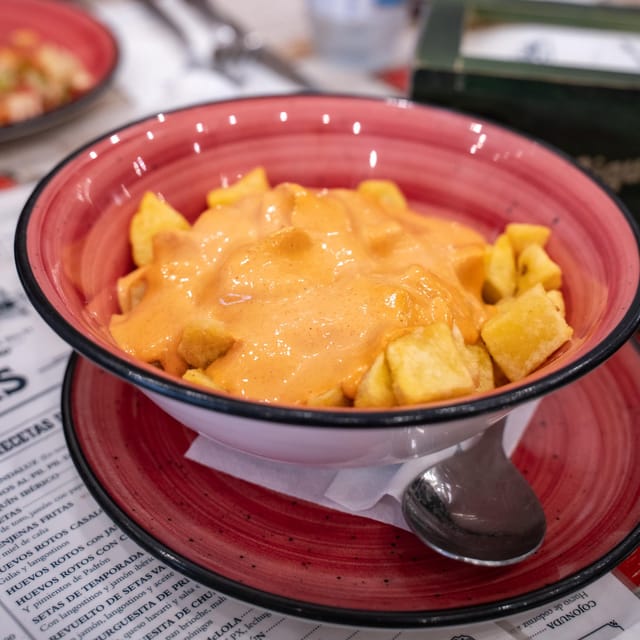
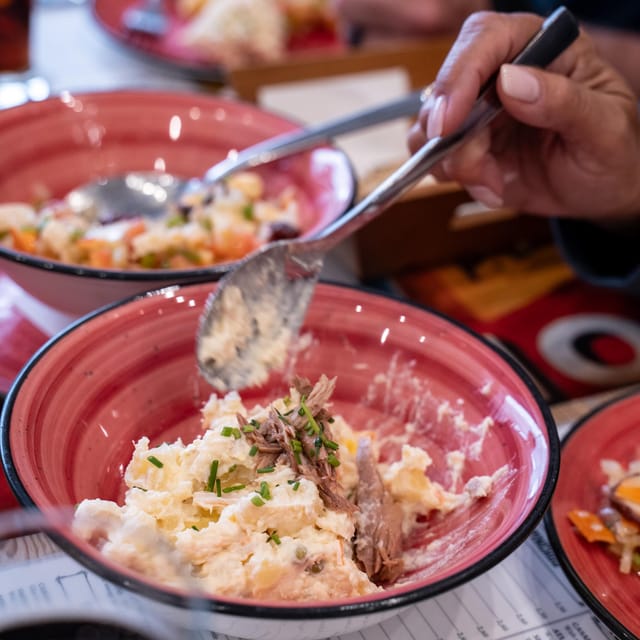
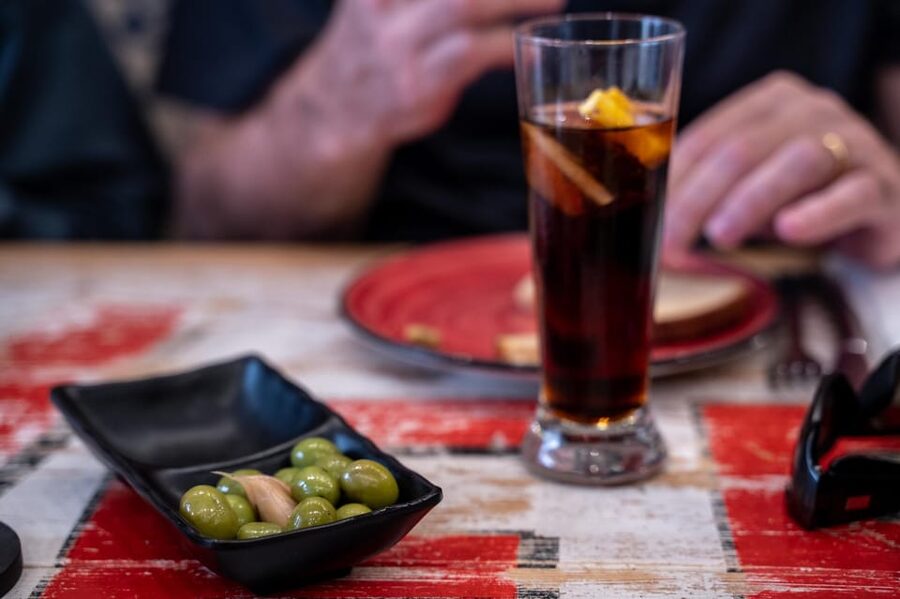
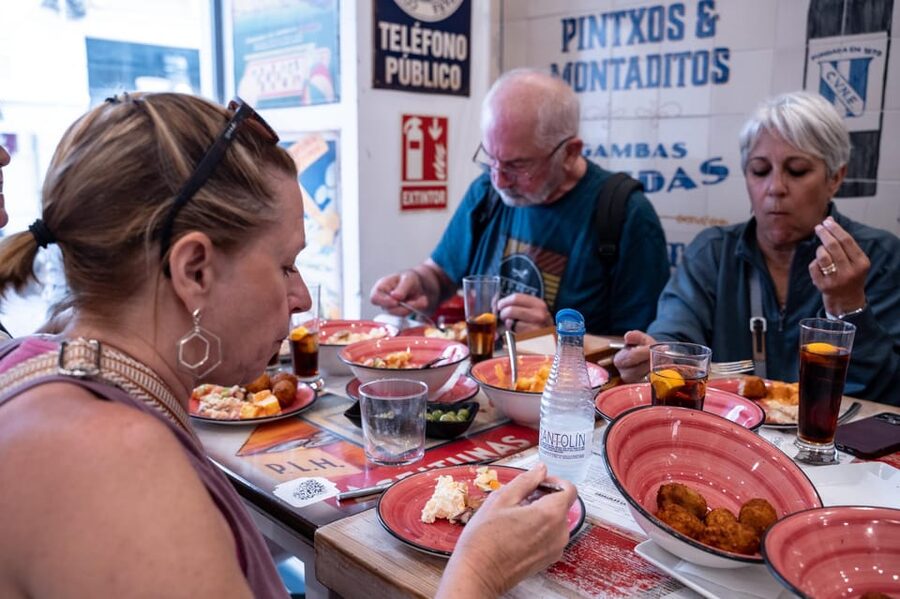
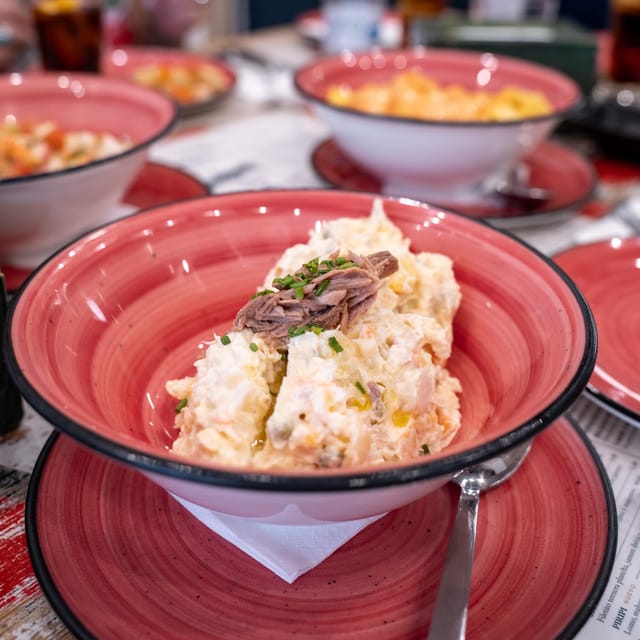
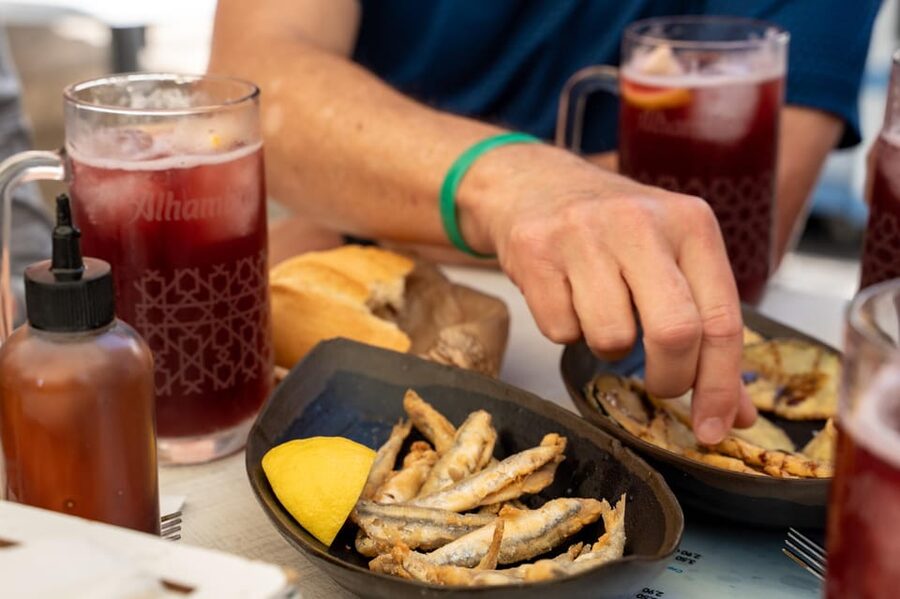
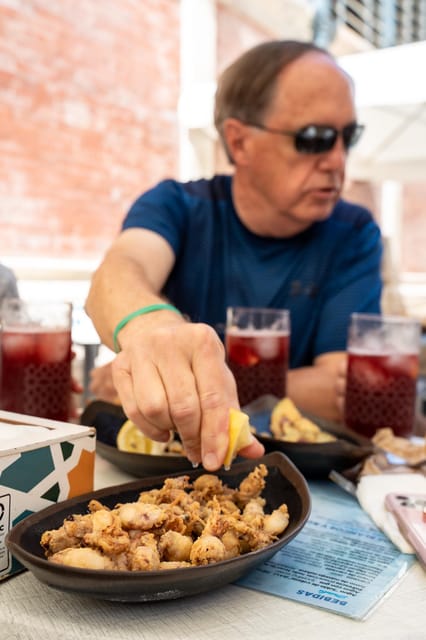
Then comes the real payoff: you’re set up for a tapa and a drink at an authentic abacería, an ancient tavern. This matters more than it sounds. In Spain, the best tapa moments are often tied to the room, the rhythm, and what locals actually order. Having it arranged inside the tour means you do not waste time hunting for something good when your feet are already tired.
If you have dietary needs, the tour data here does not specify options. I’d plan to ask your guide when you sit down so you can adjust fast.

Santa Catalina and Mudéjar Style: Arabic-Christian Details You Can See
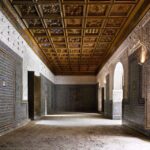
Before the final stretch, you get to Santa Catalina and learn about Mudéjar. The key idea is simple: Mudéjar is a building style mixing Arabic and Christian design.
This is where I’d slow down if I were you. Mudéjar details are often in the small stuff: patterns, shapes, and the way materials are used. A good guide makes these features easier to spot as you walk past them.
This stop is also a reminder that cultural change was not always a clean break. It was often a blend, a reuse, and a redesign.
Alcázar, Orange Tree Sevilla, and the Courtyard Pause
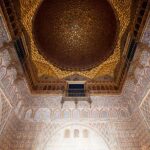
The tour includes the Alcázar of Seville and a stop at Orange Tree Sevilla. In many Seville routes, this area is where you get a breath of air and a change in visual mood, especially if you’re moving from busy street corners into garden-like spaces.
You also get guided time and walking time here, with the tour focusing on meaning rather than just checking boxes. The orange tree stop is short, but it can be powerful because it signals the role of courtyards and gardens in Mediterranean city life. Even if you do not go inside every structure, the way your guide frames the space helps you interpret it when you pass similar places later.
One thing to remember: since entry tickets are not included, some of the most famous interior rooms might require extra payment. If your must-do list includes specific indoor spaces, decide early so you do not end up surprised at the end.
Santa Cruz, La Antigua Fábrica de Tabacos, and the Smoke-Free Feeling of a Big Building
You then head into Santa Cruz, Seville for a visit and guided storytelling. This is the neighborhood where the city’s medieval feel is often most visible, and your guide uses it to reinforce the Islamic-to-Christian timeline.
Next is Antigua Fábrica de Tabacos, with a break time included. It’s a major architectural stop, and it helps that you get walking plus guided time here. Industrial and historic factory buildings in Europe can feel out of place until you learn what they represent. This tour’s framing keeps it from becoming a “random exterior stop.”
Also, you get a moment that feels like a breather. When the tour is only 3 hours, those little resets matter.
Hotel Alfonso XIII, Plaza de España, and Parque de María Luisa: Big Space, Big Photos
As you move onward, you pass Hotel Alfonso XIII. Think of this as a quick city-scope moment, where the guide uses the building and its position to connect your route back to Seville’s main urban story.
Then you reach Plaza de España for a longer photo stop and guided time. This square is made for pausing. It’s wide, it invites photos, and it gives you a chance to look around before the route keeps moving.
From there, you head into Parque de María Luisa. You get more guided time plus photo stops. The point of pairing these two stops is practical: you go from monumental architecture to open-air space without losing the tour’s historical thread.
If you’re doing Seville over a few days, these are great places to also spot your bearings. After this section, you’ll find it easier to navigate on your own.
San Telmo Palace and Torre del Oro: Rivers, Royals, and a Final Sense of Scale
The tour includes San Telmo Palace as a photo stop and then Torre del Oro with guided and sightseeing time.
Even without entering every building, these stops help you understand how Seville is organized around key landmarks. Towers and river-adjacent points give you a sense of scale. And when your guide has already walked you through the city’s older dock story, seeing river-side symbolism again makes it click.
This is also a good phase to ask questions. If you want to know what to do next in the city, your guide’s recommendations are most useful here, because you can apply them right away while you’re still oriented.
Las Setas and the Metropolitan Mushroom Skyline Moment
The tour ends by stepping up to the Metropolitan Mushroom, known as Las Setas de Sevilla. In practice, this is your payoff view.
This stop is important because the tour started at street level with history. At the end, you get to look down and see the city’s geometry. The skyline moment helps your brain organize everything you heard earlier.
It also gives you a nice final photo window before the food and walking fade into memory.
Since timing is tight in a 3-hour tour, arrive ready to spend time looking and not just moving. Take a minute to find landmarks your guide pointed out earlier, then confirm them from above.
Included Tapas and Drinks: What This Format Does Well
Included tapas and drinks can be a gamble on tours. Some places offer a token taste and then rush you through. This one is designed around the route’s rhythm.
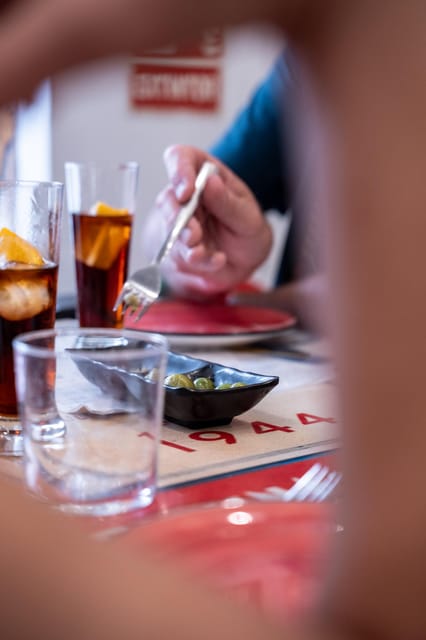
You get tapas after hearing a major historical stop at El Salvador. That timing makes sense. You’re not eating just to eat. You’re tasting while your mind is still wrapped around the city’s layers.
It also keeps you from doing the hardest part of travel planning, the decision where to eat after you’ve already walked for two hours. Here, the tour handles the coordination and includes drinks as part of the deal.
If you’re hoping for a full meal or a specific cuisine beyond classic Spanish bar tapas, you might want to plan a separate dinner on your own. But for a value-priced 3-hour history tour, this format works.
Price and Value at $79 for 3 Hours
Let’s talk value honestly. At $79 per person, you’re paying for:
- a live English, Spanish, or French guide
- tapas and drinks
- a guided route that connects multiple major landmarks
- built-in recommendations for your remaining time
What you’re not paying for is entry tickets. So the true cost depends on your interest level in going inside more than just seeing from the outside.
If you’re the type who hates paying extra at the door, you may feel this is pricey. If you like having a guide explain Islamic influence and Mudéjar details while you walk, the value is easier to justify. Plus, the guide help often saves you hours of deciding what to do next.
Who This Tour Fits Best
This tour is a strong fit if you:
- want Seville highlights without stitching together your own route
- like history that explains cause and effect, not just dates
- enjoy tapas as a core part of the day
- want a guide to recommend what to do after the tour, not just during it
It’s a weaker fit if you:
- want a relaxed, sit-down pace all day
- plan to enter many ticketed sites and resent surprise add-ons
- travel with kids under 12, since it’s not suitable
Should You Book Seville Adventure, Historic Walking Tour and Traditional Tapas?
I’d book it if you want your first taste of Seville to be both structured and tasty. The Islamic-to-Christian story, Mudéjar details, and the arranged abacería stop make this more than a sightseeing loop.
I’d hesitate if you hate extra ticket costs or if you only want quick photo stops. Since entry tickets are not included, you should treat this as guided orientation plus tapas, then build your deeper site visits around it.
If you’re visiting Seville for a short time, this tour is one of the smartest ways to get oriented fast, learn what to look for, and leave with a clear next step.
FAQ
What is the duration of the Seville tour?
The tour lasts 3 hours.
How much does it cost?
The price is $79 per person.
What is included in the price?
The guided tour is included, along with tapas and drinks.
Are entry tickets to attractions included?
No. Entry tickets to sites are not included.
Where do I meet the tour?
You meet at Topsegway Federico Sanchez Bedoya 12, 41001 Sevilla, at Calle Federico Sánchez Bedoya 12.
What languages are available for the guide?
The live guide is available in English, Spanish, and French.
Is the tour wheelchair accessible?
Yes, the tour is listed as wheelchair accessible.
Who is the tour not suitable for?
It is not suitable for children under 12 and for pregnant women.
What should I bring?
Bring your passport or ID card.
More Tour Reviews in Seville
Not for you? Here's more nearby things to do in Seville we have reviewed


More Seville Tapas, Taverns & Markets worth a look.
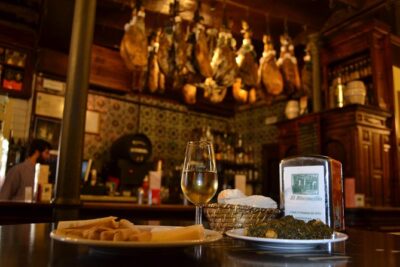 ★ 5.0Sevilla Food Tour: Tapas, Wine, History & TraditionsFrom $833,468 reviews
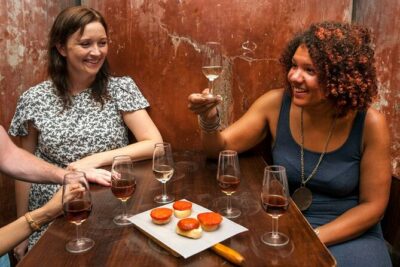 ★ 5.0Ultimate Seville Tapas, Wine & History Small Group TourFrom $1011,766 reviews
 ★ 4.9Tapas CrawlFrom $861,705 reviews
 ★ 5.0Authentic Flamenco Show with Tapas & Wine Guided TourFrom $951,476 reviews
 ★ 4.5Flamenco Show at Tablao El Arenal with Drink and Optional Dinner or TapasFrom $591,415 reviews
 ★ 5.0The Seville Tapas Crawl Tour by Food Lover TourFrom $881,213 reviews
 ★ 5.0Seville Ultimate Food TourFrom $83898 reviews
 ★ 4.3Exclusive River Boat Tour with TapasFrom $41802 reviews
Continue by place or experience