
REVIEW · SEVILLE TOURS
Seville: Bullring Guided Tour with a Skip-the-Line Ticket
Seville’s bullring feels like a movie set. This guided visit turns a famous arena into a clear lesson on Spanish bullfighting culture, from the museum to the Prince’s Gate entrance.
I especially liked how the skip-the-line ticket gets you moving fast, plus the included headset keeps the guide’s story easy to follow, even when you’re walking around. My second big plus: you’re not just looking at seats, you’re led through the real spaces bullfighters reference, including the chapel and the route into the ring, so you start understanding how the whole place works.
One thing to consider: depending on what’s happening, you might not have full access to every part of the arena, and during bullfighting season you’ll be admiring the arena from the seats instead of roaming freely.
Key highlights you will care about
- Skip-the-line entry to Plaza de Toros de la Real Maestranza, so you do not burn your time standing around.
- Headsets included, making it much easier to catch the English or Spanish commentary while you move.
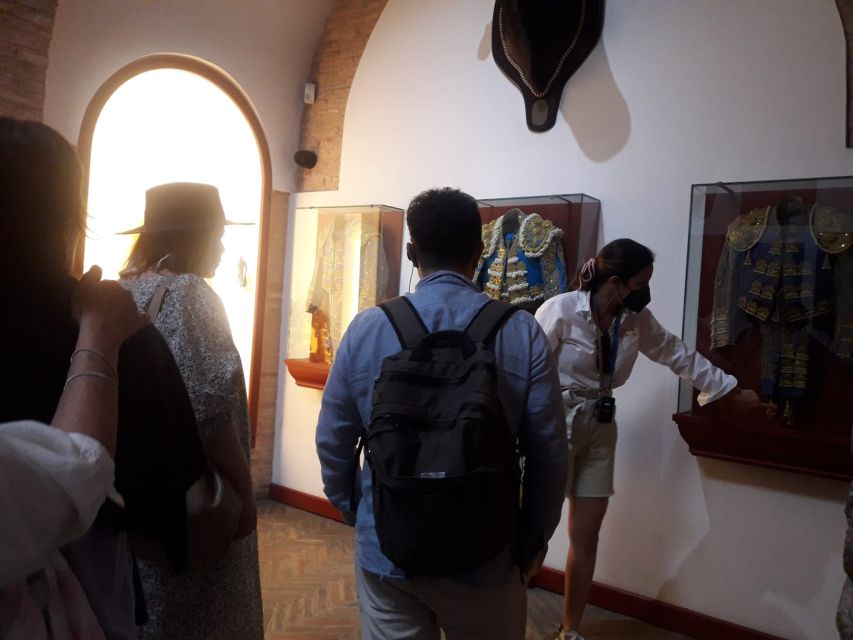
- Bullfight Museum in four sections, covering the aim, history, and the many roles in a corrida.
- Chapel + horses courtyard, the pre-fight spaces that explain ritual, not just spectacle.
- Walking the matador-style route toward the main gate and seeing the bullring from inside.
Skip-the-Line and Headsets: Getting Value in 75 Minutes
For $32, the deal is not the building alone. The value is what you do with it, and how quickly you get there. This is a short, focused tour, roughly 1 hour to 75 minutes, with a live guide and headsets so you can hear the commentary without leaning in or losing details when the group is moving.
The skip-the-line part matters in Seville, because you are on vacation hours that you will never get back. When you arrive at the Plaza de Toros de la Real Maestranza, your time is best spent inside the museum spaces and then in the arena, where the guide helps you read the layout.
Also, I like that you are given an experience format that works for different interests. If you are curious about Spanish culture, the tour gives context. If you are more visual, the movement from museum rooms to courtyards to the arena gives you natural “checkpoints” that keep it engaging.
You can also read our reviews of more tours and experiences in Plaza De Toros De La Maestranza.
Bullfight Museum First: How the Tour Gives Context, Not Just Sights
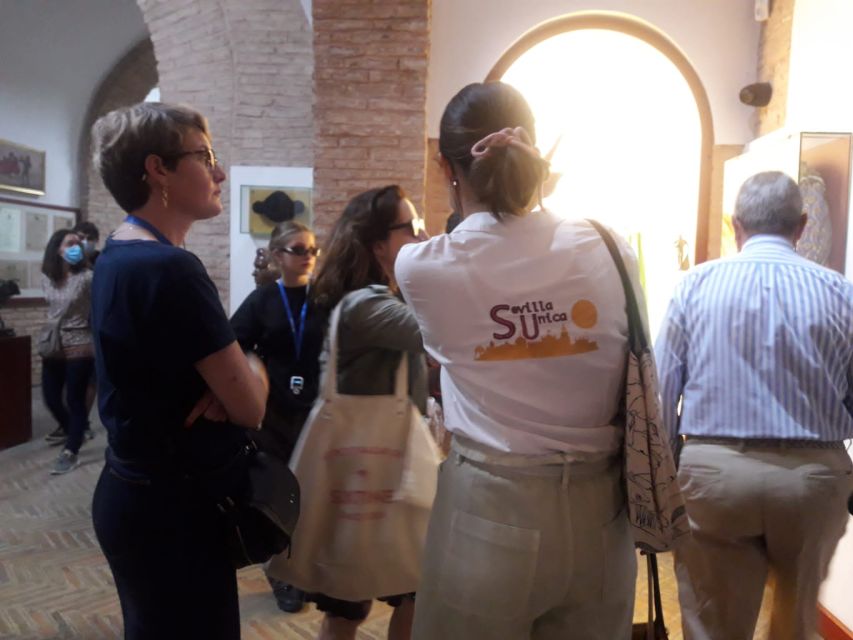
The tour starts with the Bullfight Museum, which is laid out in four parts. That structure is practical. It keeps the story from turning into one long lecture, and it helps you understand what bullfighting is supposed to be, beyond the headlines.
Here is what you learn:
- The aim of bullfighting and how that idea has been discussed over time
- The history of the practice, framed across centuries rather than as one modern moment
- The different parts of a bullfight and the people who have a share in it
- Original costumes and capes, plus other artifacts that help you see what is actually involved
What I like most about leading with the museum is that it changes what you notice later. When you stand in the arena, you do not just see architecture. You start to recognize roles, gates, and the flow of action the guide explains.
If you already know a bit, you will still benefit because the tour ties terminology to physical places. And if you are starting from zero, you get a map for the experience, which is what makes it feel meaningful rather than just unusual.
Horses’ Courtyard and the Chapel: The Pre-Fight Side of the Story
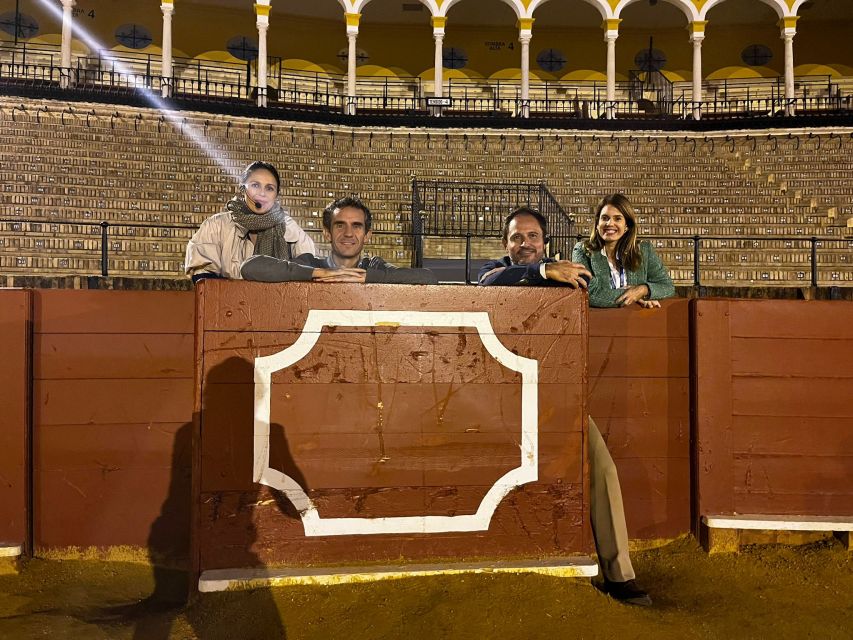
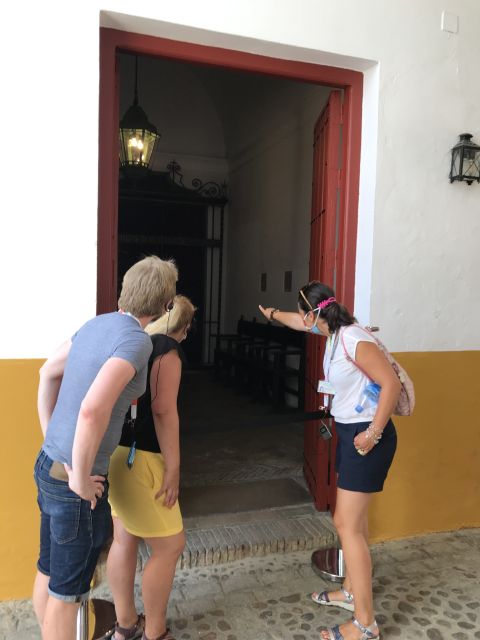
After the museum, you move into the courtyard connected to the horses and then to the chapel where bullfighters pray before the fight. That pairing is telling. It shifts the focus from what happens in the ring to what happens around it, in the spaces people treat as part of the ritual.
In the horses’ area, the point is not to treat it like a zoo stop. It is to show you a key working relationship in historical bullfighting, where the horse role links to training, choreography, and tradition.
Then the chapel brings a different mood. You are watching the story turn from public event to private moment. Even if you personally do not connect with bullfighting as a sport, you can still appreciate why the ritual spaces matter to Spanish culture and how people express belief and nerves before a major public moment.
If you like cultural history that includes religion, community tradition, and identity, this stop is one of the most memorable parts of the route.
Entering the Arena Like a Bullfighter: Main Gate Moment
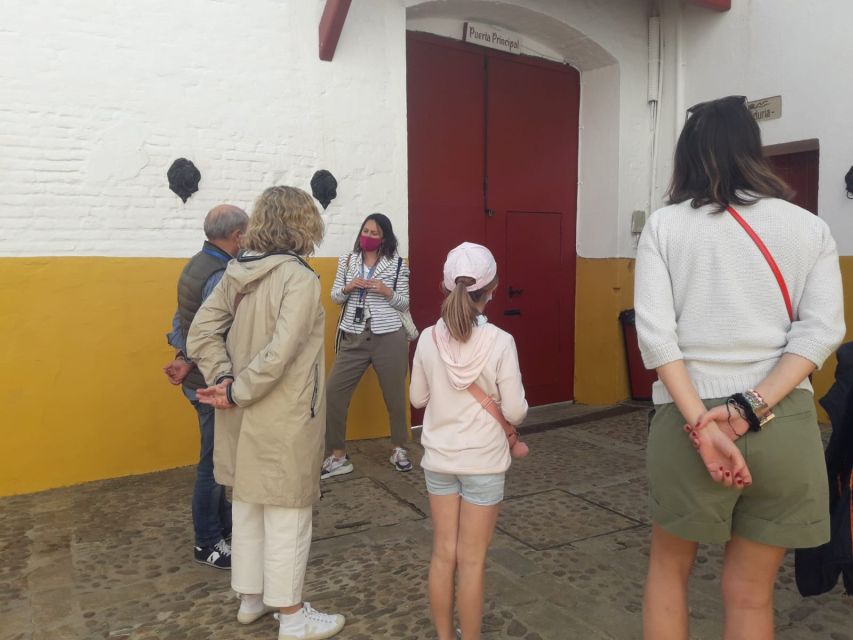
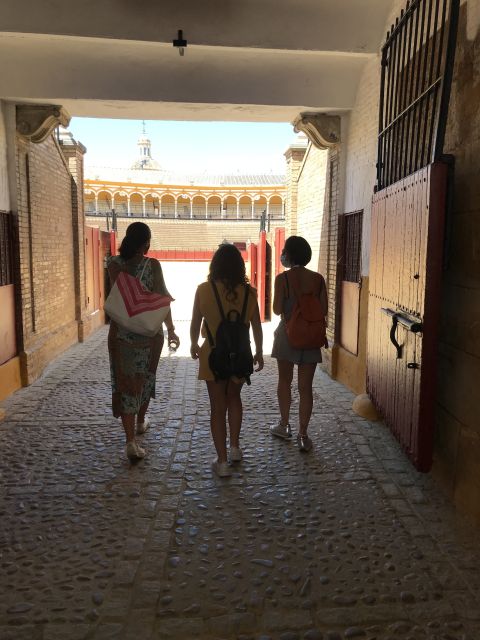
The tour does not just point at the arena. You get to pass through the main gate, like a bullfighter would. Before you enter, you spend a few minutes at the gate area, and the guide helps you notice a dramatic cue, the sound of the opening wood door.
That small detail changes the vibe. The arena feels less like a tourist viewpoint and more like an operating space with a sequence. You are walking into the same kind of threshold a performer crosses, and your brain automatically starts mapping where action would happen.
If you care about atmosphere, this is the part you will talk about later.
From the Middle of the Arena: Reading Tendidos, Toriles, and Gates
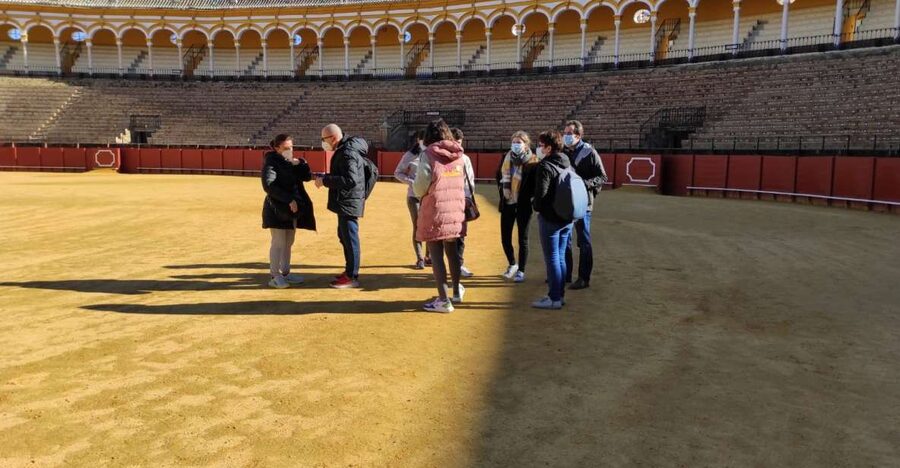
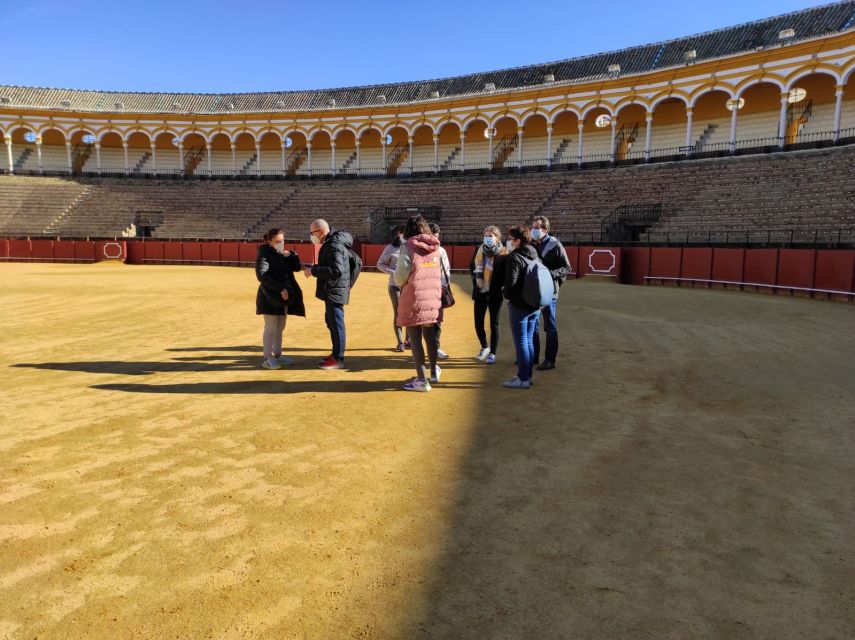
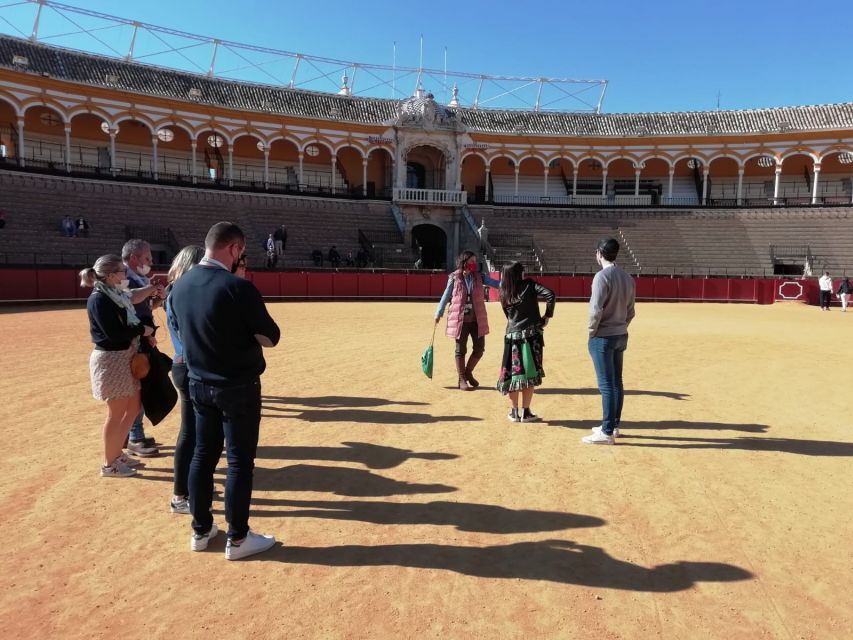
Once you are inside, the tour gets practical. You will admire the bullring from the middle of the arena, which is a smart viewpoint. From there, you can see:
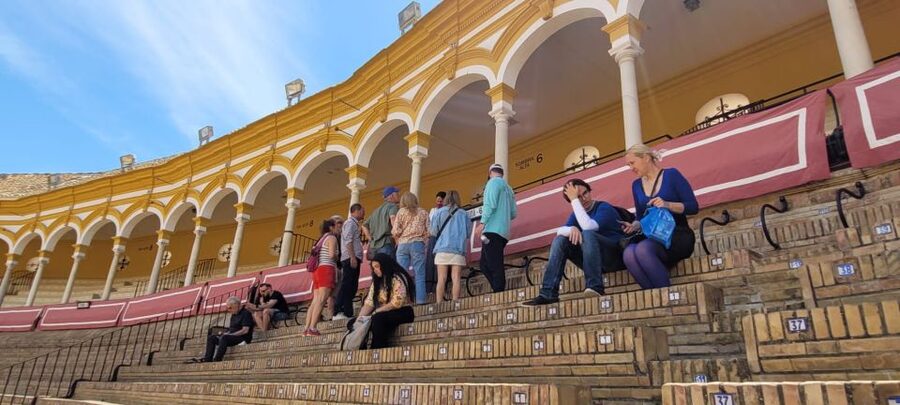
- The tendidos, the front rows where spectators sit
- The bull pens, called toriles, where bulls are kept before entering
- The Prince’s Gate, which the guide highlights as the most important gate in the bullring
The Prince’s Gate is a key concept during the tour. The explanation is simple: when the matador crosses it, the reception is part of what the event is about. You start to understand bullfighting as performance, timing, and status, not only as what happens at the moment of impact.
Also, keep this in mind as you go. This is a guided visit, not a ticket to an actual event. You are there to interpret the building, the symbolism, and the roles. That is why the guide’s commentary is so important, and why the headset is included.
Practical Timing, Group Flow, and What Might Not Be Fully Available
This is a short tour, and that affects expectations. The path is museum, then courtyard and chapel, then arena time focused on the main route and viewpoints. You should plan for walking at an easy pace with a set schedule.
Two practical notes from what is common for this kind of site access:
- Access is not permitted once the tour has started, so be on time at your meeting point option.
- During bullfighting season, the arena is admired from the seats rather than touring more freely.
If you have seen photos online where people seem to be standing in spots that look like full field access, manage expectations. Some tours like this focus on gates and interior viewpoints rather than letting everyone roam the exact working areas.
That said, even with those limits, the route is still a strong way to see the key spaces that make the bullring feel functional and meaningful.
Price and Logistics: Why $32 Can Actually Be Good Value
At $32, the ticket can look steep if you compare it to walking by an exterior landmark. But you are paying for three things that matter:
- A guided explanation that helps you understand what you are seeing, especially in the museum and arena route
- Headsets that keep the experience clear and comfortable
- Skip-the-line entry, which saves time and reduces frustration
A solo self-guided visit can work if you already know what to look for and you can read the museum context quickly. But if you want your visit to click, a guided route is often the difference between collecting facts and understanding a place.
Also, the duration is short. You are not committing half a day in exchange for a few photos. For a city like Seville, where your schedule can get tight, a 1 hour to 75 minutes tour is usually a smart use of time.
Best Fit: Who Will Enjoy This Tour Most
I think this tour works especially well if you fall into one of these groups:
You love culture and history that includes uncomfortable topics. Bullfighting is controversial in many places, but understanding the tradition, the roles, and the rituals is part of understanding Spain, especially Seville.
You like guided experiences with clear structure. The museum being divided into four parts, then moving to horses courtyard and chapel, then entering the arena, makes it easy to follow.
You want a memorable “standing inside the place” moment. The route through the main gate and the chance to see tendidos and toriles from inside gives you that physical connection.
If you are only interested in watching the sport itself, this is not that kind of experience. It is a cultural guided visit, focused on how the bullring works and what people believe it represents.
A Quick Note on Guides, Language, and Asking Questions
One detail that shows up strongly in the guide experience is how much guests appreciate the tour leader’s energy. Names like Margarita come up again and again, with people highlighting that the guide explains roles and history clearly and stays open to questions.
Language can vary by group and guide. If you select English and you find the guide’s accent or pace a bit challenging at first, it often gets easier as you settle into the rhythm and terminology. Headsets help a lot, and the tour format keeps the guide repeating key ideas at each location.
If you have questions, ask them while you are moving between stops. The guide’s answers land better when you are standing in the place they refer to.
FAQ
FAQ
How long is the Seville bullring guided tour?
The tour runs about 1 hour to 75 minutes, depending on the starting time and schedule.
Does this tour include skip-the-line entry?
Yes. You get skip-the-line tickets, so you avoid waiting in the regular ticket line.
Are headsets included for the guide commentary?
Yes. Headsets are included so you can hear the guide clearly.
Where is the meeting point for the tour?
The meeting point can vary based on the option booked, with two starting locations listed: P.º de Cristóbal Colón, 12, and Calle Circo, 7.
What should I bring with me?
Bring a passport or ID card. You should also bring a reusable water bottle.
Do I need to show anything for student or child fares?
If you paid the senior, student, or child fare, you must bring your passport to prove age. Students must also bring a valid student ID card.
Should You Book This Seville Bullring Tour?
I’d book it if you want a structured, guided way to understand the Plaza de Toros de la Real Maestranza. The skip-the-line setup, the headset, and the route from museum to chapel to arena give you real context in a short window.
I would pause and adjust expectations if your goal is to roam every working area of the arena or to guarantee full field access. Access can depend on timing and on whether bullfighting season changes the viewing setup.
If you like cultural explanations that make a famous site feel less mysterious and more readable, this is a solid value use of time in Seville.
More Tour Reviews in Plaza De Toros De La Maestranza
Not for you? Here's more nearby things to do in Plaza De Toros De La Maestranza we have reviewed
More Seville Tours worth a look.
 ★ 4.6Royal Alcázar Entry TicketFrom $2328,378 reviews
 ★ 4.5Cathedral and La Giralda Entry TicketFrom $2024,592 reviews
 ★ 4.7Live Flamenco Dancing Show Ticket at the TheaterFrom $2716,396 reviews
 ★ 4.21-Hour Guadalquivir River Sightseeing Eco CruiseFrom $1910,281 reviews
 ★ 4.7Cathedral, Giralda, and Royal Alcázar Guided TourFrom $699,165 reviews
 ★ 4.6Setas de Sevilla Entry TicketFrom $188,901 reviews
 ★ 4.6Cathedral, Giralda & Alcazar Entry With Guided TourFrom $658,560 reviews
 ★ 4.8Priority Access Cathedral, Giralda & Alcázar TourFrom $647,563 reviews
Continue by place or experience