
REVIEW · SEVILLE TOURS
Seville: Ceramic painting workshop
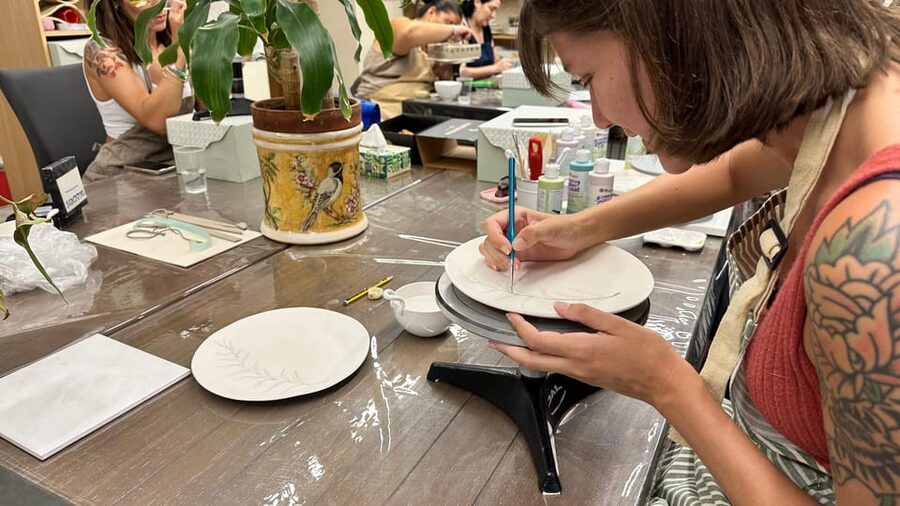
One table, a few paints, and a piece of Seville. This ceramic painting workshop lets you decorate pottery however you like, using templates or your own design, and you do it with two teachers guiding you step by step. It is a calm, hands-on break from the sightseeing grind, and the result is something personal you can actually take home later.
I love that it is small-group (up to 10 people) and you are not stuck figuring things out alone. The other big win is how practical the whole process feels, from choosing your mug or jewelry box to getting it fired after your session. One thing to plan for, though, is timing: your piece is not ready right away, and it needs 10 to 15 days to fully finish in the oven.
Ceramic Painting in Seville: Key Things You’ll Notice Fast
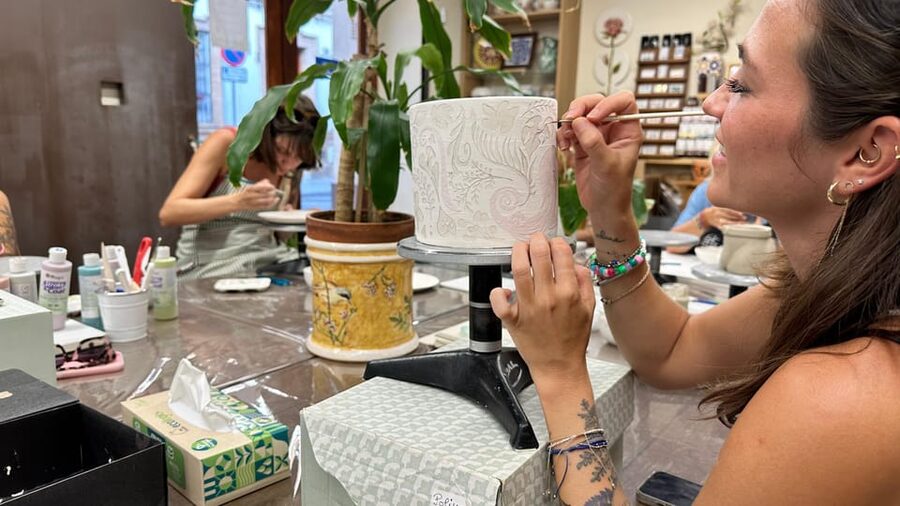
- You design the look: bring your own idea or pick from workshop templates before you start painting
- You get real coaching: two teachers help in Spanish and English, so you are not guessing
- Your workshop time is protected: 2 hours reserved time, with the option to stay a bit longer if there is availability
- The price comes in two parts: reservation plus the ceramic piece you choose, which can run €13 to €29
- Firing and finishing happen later: glazing and baking are included, but you need patience afterward
- Storage is limited: your piece is kept for up to 90 days, then it is treated as abandoned
Where You Start: Local Arte y Pureza, Near Esperanza de Triana
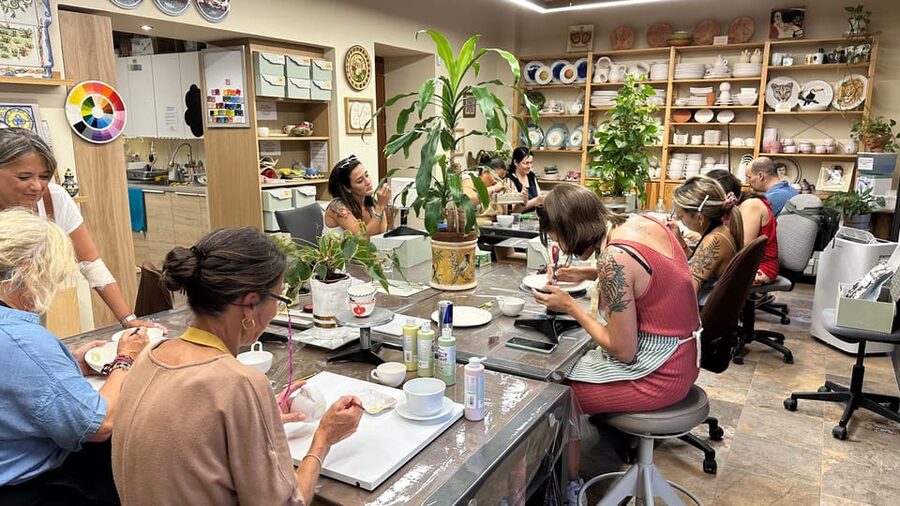
The workshop meets at Local Arte y Pureza, near the chapel of Esperanza de Triana. That matters because Seville is easy to wander, but it is also easy to drift off course. If you plan to walk here, give yourself a little extra buffer. The session is short on purpose, so being late can cut into your painting time.
Once you arrive, you get the vibe you want for a craft workshop in the middle of a travel day: not rushed, not staged. You are there to make something. And because it is a small group with a limited count (10 participants max), the teachers can actually spend time with you instead of herding people like cattle.
Also, it is wheelchair accessible, and the instructor team works in English and Spanish, which helps if your Spanish is limited or if you just want to relax and follow along without effort.
You can also read our reviews of more tours and experiences in Seville.


What You Make: From Mugs to Jewelry Boxes (and Even Pet Feeders)
You can choose from a catalog of ceramic items such as mugs, jewelry boxes, and more. The most helpful thing about a workshop like this is that you do not have to start from scratch. You pick the base piece, then you decorate it.
The range of items matters for value. A small piece like a jewelry box is usually an easy, quick project if you are watching your time. A mug is practical if you want something you will actually use when you get home. And the fact that there are oddball options like a pet feeder tells me this is not a one-size-fits-all tourist activity. They have pieces you can tailor to your real life, not just to a souvenir photo.
You can paint one or more pieces depending on the items you choose and how long it takes. That is good if you are traveling with someone and want to make matching gifts, or if you want a main piece plus a smaller backup. Just keep your pace realistic. Two hours sounds long until you are sketching ideas, testing colors, and trying not to smear what you just painted.
The Two-Hour Workshop: How Your Painting Session Actually Flows
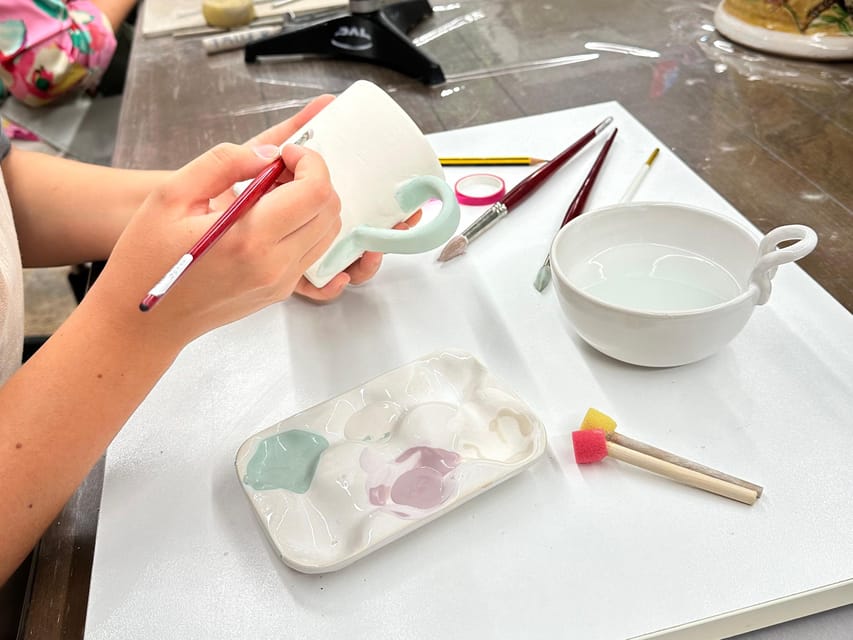
Your reservation lasts 2 hours, which is ideal for a “do it today” activity. You show up, you select your ceramic base, and then you paint during the session window.
Here is the part you can plan around. At the start, you will either use a design idea from your head or use templates available in the workshop. If you feel stuck, templates can save you from overthinking. If you want your piece to look personal, bring a simple plan: one motif, one border, one theme. You do not need a masterpiece to get a good-looking result.
During the session, you have help from the two teachers you meet at the pottery workshop. That one detail is huge. A lot of craft tours fail because they hand you supplies and disappear. Here, you can ask questions. They will explain the details you need, and that means you spend less time worrying and more time actually painting.
If you run out of time at the end, the workshop has a practical safety net: if they have a free spot in the next session, they do not mind if you stay a little longer and finish at your own pace. That is worth noting because travel schedules can get messy in Seville. Rain happens, buses run late, and you want your hands on the work, not counting minutes.
One more practical rule for enjoying it: it is meant to be relaxing. The best approach is to slow down, focus on a few clean shapes, and let the teachers steer you when something is unclear.
Painting With Confidence: Templates vs Your Own Idea
I like that this workshop is built for both types of people: the ones who arrive with a plan and the ones who want inspiration on-site. You can bring your own idea and decorate your piece however you like. Or you can get inspired by the templates offered in the workshop.
If you are the planning type, use that freedom smartly. Choose a design that fits the surface. For example, a mug handle area and the curve of a mug change how patterns look. A jewelry box flat top usually gives you more room for a centered motif. If you have a design in mind, quickly adapt it to the shape you picked. Do not try to force a full painting onto a tiny surface.
If you are the improviser type, templates can help you start drawing confidently. Even if you do not copy them exactly, you can use them as a starting point for color placement and spacing. You are not locked in, but you get a structure that keeps your time realistic.
And because teachers are there, you can ask questions as you go. This is where a workshop turns from hobby time into a good learning experience. You will pick up small tips that help your paint go on smoother and look more intentional when it is fired.
Glazing and Baking Later: The Waiting Part You Should Expect
The workshop includes firing of the pieces, but you do not walk out with a finished ceramic ready for instant gifting. You paint during your 2-hour session, then they glaze and bake your work in their ovens.
The timing is the main “real life” detail. Your pieces take at least 10 to 15 days for them to be completely finished. That means you are paying for the reservation and leaving your artwork in the studio for kiln time.
Now, the good news is that this can still fit into a trip. If your goal is to make a personal souvenir for later, you are fine. The tricky part is if you need the piece right before you leave Spain. One helpful detail from an experience like this is that the workshop works with the schedule you brought. In at least one case, the piece was finished sooner so it could be taken when someone had to go home. That does not mean it will always happen, but it does suggest you can ask what is realistic for your dates.
Shipping is an option if you cannot pick up your piece in person. Shipping costs are the buyer’s responsibility, and shipping options are available. If you are traveling for a short time, consider deciding your plan early so you are not scrambling at the end.





Pick-Up and Storage: Don’t Let Your Piece Time Out
When you finish painting, the studio keeps your ceramic pieces for a maximum of 90 days. After that, if you do not claim them, they are considered abandoned pieces.
That is not a scare tactic. It is just important logistics. If you are planning to ship later, you need to coordinate it. If you plan to pick up in Seville, make sure your schedule includes enough time.
So my practical advice is simple: treat the workshop as “make it now, receive it later.” Once you know your travel end date, ask how the timing will affect your pick-up or shipping. It is better to ask early than to hope kiln timing will magically match your itinerary.
Price and Value: €13 Reservation Plus €13 to €29 for the Piece
The cost is best understood as two layers. The reservation price is €13. Then, once the activity is finished, you pay for the ceramic piece you chose. Those pieces range from €13 to €29.
So your total spend depends entirely on what you pick. If you choose a mid-range item, you are effectively paying for the experience plus the object itself. That is usually where craft workshops deliver value. You are not just buying time at a table. You are paying for materials (including paints and brushes), professional guidance, and the firing process that turns your painting into real ceramic you can keep.
One more value detail: the reservation includes necessary materials like paints, brushes, and other supplies, plus professional advice at all times, plus firing. If you price that out against buying supplies yourself and then trying to find firing somewhere else, this becomes a lot more reasonable.
Yes, the final bill might feel a little surprising if you were only thinking about the reservation fee. So check your expectations early: the ceramic piece is a separate payment, and the final amount can climb if you pick a higher-cost item.
Best for Your Trip: When This Workshop Makes Sense
This workshop is a great fit for people who want a break that is active but not exhausting. It is also a solid choice when the weather turns. One person specifically mentioned using the workshop during a rainy day in Seville, which is exactly when you want an activity that moves with the day, not against it.
It is also a good match for gift-makers. Since the piece is personal, it feels like more than a generic souvenir. If you are traveling with friends or family, it is easy to share the experience. Small group also helps here, because you can talk with the teachers and still enjoy the atmosphere without feeling crowded.
Who it is especially good for:
- Couples or friends who want one meaningful item instead of ten quick buys
- Travelers who enjoy hands-on crafts, even if they are not “arts and crafts” people
- People who want a slower moment in Seville, with guidance and a clear goal
A couple caution notes:
- Kids under 12 must be accompanied by an adult
- It is not suitable for children under 5
- Smoking indoors is not allowed, and alcohol and drugs are also not allowed
If your priority is hitting every major sight, this might feel like a detour. But if you want one authentic, hands-on thing tied to the city’s craft tradition, this is a strong use of time.
A Few Practical Tips to Make Your Piece Look Great
I have a few simple habits that make workshops like this go better, and they match how these sessions are set up.
First, choose your design with the ceramic shape in mind. If it is a mug, expect curves and a handle. If it is a box, aim for a top-centered motif. Keeping it simple often looks better after firing.
Second, lean on the teachers early. If you are unsure about placement or style, ask. In one example, an instructor named Irene was described as helpful and friendly, and that kind of support is exactly what makes the time feel smooth.
Third, plan for the waiting time. You paint now, then you wait for glazing and baking. If you need your piece before your flight, ask about realistic timing and consider shipping options.
Finally, if you are pressed for time, remember you can possibly extend a bit if there is a free spot in the next session. That can save your project when Seville runs you over with a “just one more street” habit.
Should You Book It?
If you want a creative souvenir that actually reflects your taste, I think it is worth booking. You get a focused 2-hour session, professional guidance, and the finishing work (glazing and firing) handled for you, plus the supplies you need.
The main reason to hesitate is the timeline. Your ceramic needs 10 to 15 days, storage is limited to 90 days, and you may need shipping if you cannot pick up. If your trip is extremely short and you cannot manage that follow-up, you will feel the delay more than you would in other activities.
But if you are traveling with a bit of flexibility, or you simply like the idea of making something you will enjoy later, this is one of those Seville experiences that gives you a real memory, not just photos.
FAQ
How long is the ceramic painting workshop in Seville?
Your reservation lasts 2 hours.
What is included in the price?
The reservation price includes the necessary materials such as paints, brushes, and other supplies, plus professional advice and the firing of the pieces you make.
Do I pay for the ceramic piece separately from the reservation?
Yes. The piece costs extra, and you pay for it once the activity is finished.
How much do the ceramic pieces cost?
The prices of the pieces range from €13 to €29.
Can I paint more than one ceramic item in the 2 hours?
You can paint one or more pieces, depending on the pieces you choose and the estimated time. If you have questions, the teachers can advise you.
When will my painted piece be ready?
After you paint, the workshop will glaze and bake your piece. It takes at least 10 to 15 days to be completely finished.
Can they ship my piece if I cannot pick it up in person?
Yes, shipping options are available. Shipping costs are the buyer’s responsibility.
How long do they store pieces in the studio?
They keep your pieces for a maximum of 90 days. After that, unclaimed pieces are treated as abandoned.
More Tour Reviews in Seville
Not for you? Here's more nearby things to do in Seville we have reviewed









More Seville Tours worth a look.
 ★ 4.6Royal Alcázar Entry TicketFrom $2328,378 reviews
 ★ 4.5Cathedral and La Giralda Entry TicketFrom $2024,592 reviews
 ★ 4.7Live Flamenco Dancing Show Ticket at the TheaterFrom $2716,396 reviews
 ★ 4.21-Hour Guadalquivir River Sightseeing Eco CruiseFrom $1910,281 reviews
 ★ 4.7Cathedral, Giralda, and Royal Alcázar Guided TourFrom $699,165 reviews
 ★ 4.6Setas de Sevilla Entry TicketFrom $188,901 reviews
 ★ 4.6Cathedral, Giralda & Alcazar Entry With Guided TourFrom $658,560 reviews
 ★ 4.8Priority Access Cathedral, Giralda & Alcázar TourFrom $647,563 reviews