
REVIEW · FLAMENCO SHOWS & TABLAOS IN SEVILLE
Seville: Fun class to approach Flamenco
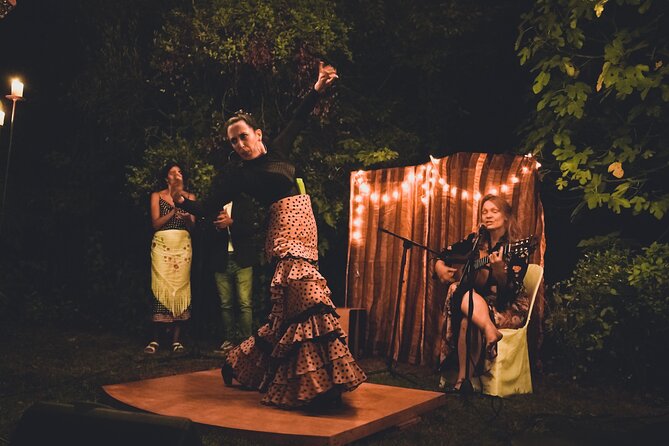
Flamenco starts with a clap. This Seville lesson is interesting because it takes you right into tango compás with hands-on palmas, then builds step by step toward real movement instead of just watching.
I like that you learn in a safe, encouraging way, and you finish with a small routine that makes the art feel less mysterious. The only catch is timing, it’s about 1 hour, so you’ll leave with a taste and a few skills, not full mastery.
Key Highlights Before You Go
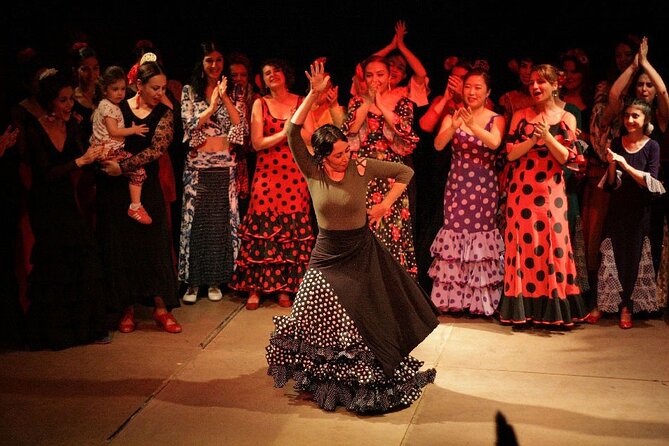
- Tango-first approach: You start with palmas that match the rhythm of tangos before adding anything else.
- Real body technique, not just steps: Hands and arms come next, then feet with patá por tangos.
- A learnable finale: You practice a short call-and-response moment, then dance together with the instructor singing.
- English instruction: Offered in English, so you can follow the cues without guessing.
- Small-group feel: Max group size is 30, which helps you stay oriented during the class.
Flamenco Fundamentals in One Hour, Tango Style
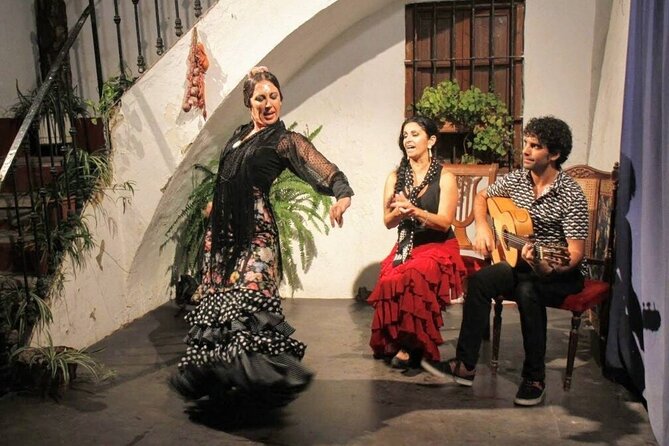
If you’re curious about flamenco in Seville, this is a smart first move. It zeroes in on one lane of the art, tango flamenco rhythms, and teaches you the building blocks you’ll hear and see at later performances.
The class structure is straightforward: you begin with rhythm using your hands, then you add coordination with your arms, then you bring in footwork. That flow matters, because flamenco is not just about looking pretty, it is about timing.
Most sessions are led by working dance professionals, and names that show up in the teaching include Luna and Elisabeth Luna. Across the experiences shared, the tone is similar, energetic, patient, and focused on getting you doing the right thing, not just standing there.
You can also read our reviews of more tours and experiences in Seville.


What Happens in Class: Palmas, Arms, and Patá Footwork
Here’s what you can expect during your 1-hour session, and why each part helps you understand flamenco fast.
Palmas that lock into compás
You start learning to play with the palms to the compás of tangos. Compás is the flamenco clock, the repeating rhythmic structure that tells your body what to do. For first-timers, learning compás through clapping is a great shortcut. Your brain can catch the rhythm even before your feet are ready.
You’ll likely go beyond clapping patterns and also learn how to move your body while keeping that beat consistent. That’s the difference between random noise and flamenco rhythm.
Hand and arm movement, built to be doable
Next you learn to move your hands and arms. This is where a lot of flamenco “mystery” dissolves. Instead of broad, vague gestures, you get guided movement options that you can reproduce.
You’re also training coordination, because your arms and your timing have to work together with the palm rhythm. It can feel a little awkward at first, then it clicks.
Feet join the party with patá por tangos
Then comes the feet, patá por tangos. Patá is footwork with clear accents, and the goal is not to stomp wildly. It is to land the hits in rhythm.
This part is usually the biggest confidence test for beginners. The upside is that the class is paced to your level, and the teaching style aims to keep you moving safely and comfortably.


Markings, then call-and-shot (the flamenco spotlight moment)
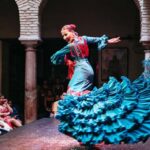
After footwork basics, you practice various markings. Then you learn a call and a shot, a short dramatic back-and-forth moment that is typical of how flamenco builds tension and releases it.
Even if you don’t know flamenco terminology, this section gives you something you can remember: a small cue, a response, and a final accent. That makes the art feel structured rather than random.
Finish by dancing while the instructor sings
The finale is group dancing together, after the instructor sings a tango lyric. Singing changes the whole experience. It gives you another rhythmic layer, and it turns the lesson into something closer to a real performance moment.
You also get a “we did it together” feeling, which is part of why people leave smiling, not sore.
Where to Meet in Seville: Plaza Pelícano (Casco Antiguo)
Your meeting point is Plaza Pelícano, in Seville’s Casco Antiguo area, 41003 Sevilla, Spain. The class ends back at the same meeting point.
This matters for convenience. You do not need to plan a complex route between locations. It’s also described as near public transportation, so you can usually reach it without complicated transfers.
If you want to reduce stress, arrive a few minutes early. Studios can be inside local blocks, and you’ll want a moment to find the right door before you start clapping in front of strangers.
Why Learning Compás and Tangos Changes Everything
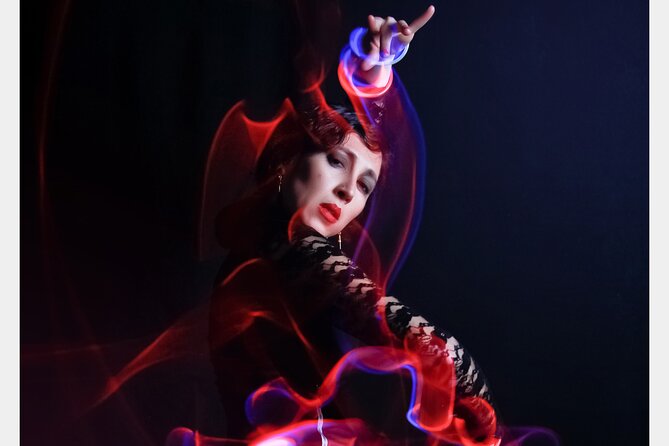
A flamenco show can feel like a blur if you’ve never touched the rhythm. This class gives you an entry point.
Compás is what you will notice later
Once you’ve clapped tango compás, you’ll start hearing the structure in a tablao performance. Even when you can’t identify every detail, your body recognizes the rhythm. That recognition is what turns an entertaining show into something you can actually follow.
Palmas train timing more than you expect
Learning palmas is not “just clapping.” It teaches accuracy. Flamenco rhythms can be subtle, and getting them right requires focus. In class, you’re practicing repetition with guidance, so you leave understanding that the rhythm is the backbone.
Footwork teaches accents, not volume
Patá footwork also helps you see the difference between dramatic accents and random stomping. Later on, you’ll watch feet and realize you’re seeing punctuation marks. That makes the whole performance feel tighter.
Instructors, Pacing, and What the Class Feels Like
A big part of why this class earns top scores is the teaching style. Multiple experiences describe instructors as warm, energetic, and very careful with beginners. You can also sense a focus on empathy and laughter, which is a great match for a performance art that can feel intimidating.
You’ll likely get:
- Step-by-step instruction that starts from basics
- Encouragement to try again if your timing slips
- A class pace that tries to match the group level
- Time for questions about flamenco in general, so you can connect what you learned to what you’ll see in Seville
Also, group size is capped at 30 travelers. That keeps the class lively but manageable. If you prefer a bit more personal attention, this is still a group setting, but the limited headcount helps you avoid being lost.
Price and Value: Is $42.05 Worth It?
At $42.05 per person for about 1 hour, you’re paying for coaching, studio time, and a structured lesson that ends with a shared routine.
Here’s how to judge the value in a practical way:
You’re buying skilled instruction, not just a performance
Flamenco looks effortless when great dancers do it. In class, you get the process. That turns the cost into something you can carry home: rhythm, coordination, and a short routine you can repeat.
You get a complete arc for the price
Many dance activities stop after a few moves. This one pushes through to a finale, including a call-and-shot moment and dancing together with the instructor singing. That end point is what makes it feel like a real experience, not a quick demo.
Consider that it is short, so set expectations
One fair drawback: it’s only about an hour. You’ll improve, but you’re not leaving fluent in flamenco. This is best viewed as an introduction that helps you appreciate and understand what you’ll see later.
What to Wear and How to Show Up Ready
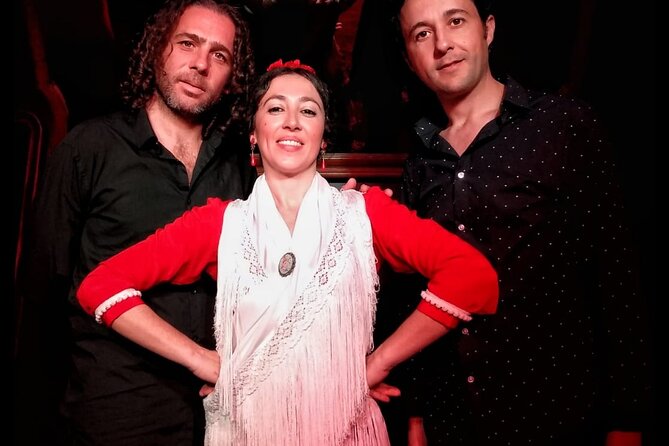
The tour details say most travelers can participate, but your comfort still matters for footwork and rhythm practice.
A practical approach:
- Wear comfortable clothes that let you move arms and legs freely.
- If you have them, choose shoes that support quick foot accents without slipping.
- Bring a mindset that you’re here to learn, not to look perfect.
This class is designed to get you moving fast. The best results come from showing up ready to participate, even if your first attempts feel clumsy.
Pair It With Evening Flamenco in Seville
One of the most useful reasons to book this class is what it does for your evening plans.
After you learn tango compás, you’ll watch live flamenco with better ears. You’ll notice rhythm choices, arm and hand character, and how foot accents shape the energy. People often describe going to a flamenco performance later and feeling like the show makes more sense.
So if you’re planning a tablao that night or the next day, this lesson can act like a decoder ring. You’ll get more from the show because you’ve practiced the fundamentals for an hour.
Who Should Book This Class (and Who Might Skip It)
This experience fits best if:
- You want a hands-on Seville flamenco experience without needing dance background
- You like structured learning, rhythm first, then movement
- You’re traveling with limited time and want a meaningful activity that feels active, not passive
- You prefer English instruction and clear guidance
You might skip it if:
- You’re already a strong flamenco dancer and want a deeper, longer training block
- You’re expecting a private, full dance workshop with extended choreography practice (this is an hour class, designed as an introduction)
Should You Book This Tango Flamenco Class in Seville?
Yes, if you want a fast, confidence-building way to understand flamenco through tango rhythm. The palmas to compás start, the patá footwork, and the finale where you dance together with the instructor singing give you an actual “I did it” ending.
Book it especially if you have an evening flamenco performance on your schedule. You’ll walk into the show with rhythm in your head and you’ll feel less like an observer.
If cost is your big concern, think of this as paid coaching for an art form that usually takes months to learn. In one hour, you get the basics that unlock a lot of what you’ll notice later.
FAQ
Where is the meeting point for the Seville flamenco class?
You meet at Plaza Pelícano, Pl. Pelícano, Casco Antiguo, 41003 Sevilla, Spain. The activity ends back at the meeting point.
How long is the class?
The duration is about 1 hour.
Is the class taught in English?
Yes, it is offered in English.
Is this class suitable for beginners?
Yes. The experience notes that most travelers can participate, and the class starts with basics like palm rhythm and gradually adds arm and footwork.
What is included in the $42.05 price?
The included item is dance study.
Is soda or pop included?
No. Soda or pop is not included.
How big is the group?
The maximum group size is 30 travelers.
Do I get a mobile ticket, and when will I receive confirmation?
You will receive a mobile ticket, and confirmation is received at the time of booking.
Are service animals allowed, and is it near public transportation?
Yes, service animals are allowed. The meeting point is near public transportation.
What is the free cancellation window?
You can cancel for a full refund up to 24 hours in advance of the experience start time. If you cancel less than 24 hours before the start time, the amount you paid will not be refunded.
More Tour Reviews in Seville
Not for you? Here's more nearby things to do in Seville we have reviewed

More Flamenco Shows & Tablaos in Seville worth a look.
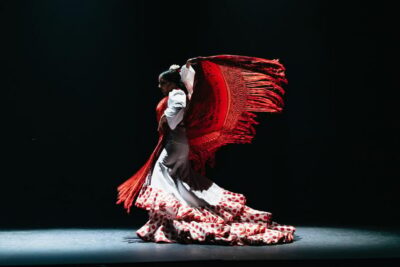 ★ 4.7Live Flamenco Dancing Show Ticket at the TheaterFrom $2716,396 reviews
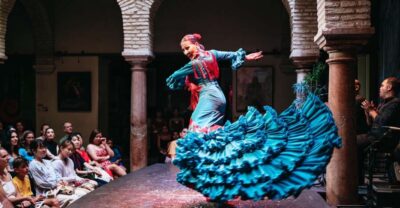 ★ 4.8Puro Flamenco Show with Optional Museum TicketFrom $346,088 reviews
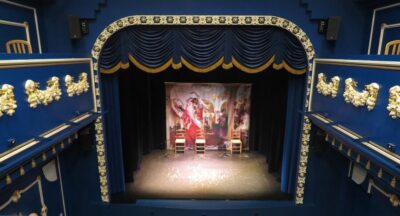 ★ 4.6Live Flamenco Show at “Teatro Flamenco Triana”From $283,290 reviews
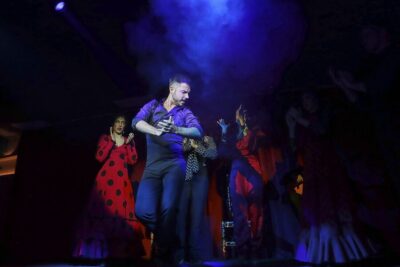 ★ 4.8Flamenco Show Ticket at Tablao Flamenco Las SetasFrom $332,214 reviews
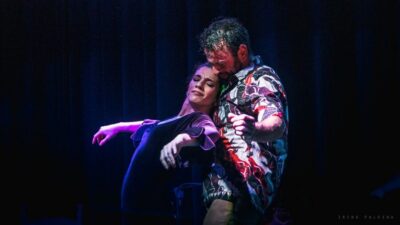 ★ 4.8Traditional Flamenco Show in TrianaFrom $261,580 reviews
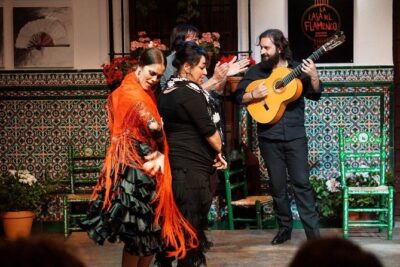 ★ 5.0Authentic Flamenco Show with Tapas & Wine Guided TourFrom $951,476 reviews
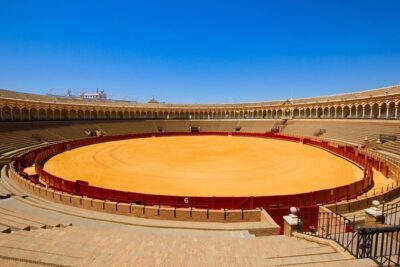 ★ 4.5Flamenco Show at Tablao El Arenal with Drink and Optional Dinner or TapasFrom $591,415 reviews
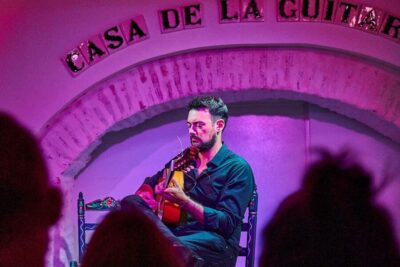 ★ 4.5Ticket to Flamenco Show at La Casa de la GuitarraFrom $231,321 reviews
Continue by place or experience