
REVIEW · TRIANA QUARTER EXPERIENCES
Seville: Guadalquivir & Secrets of Triana Small Group Tour
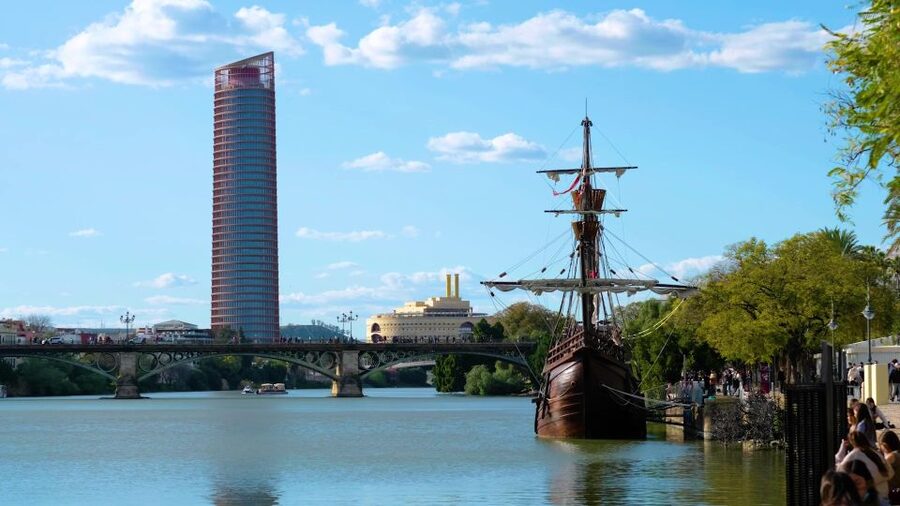
Seville’s river is the real main character. This 1.5-hour small-group walk starts at Torre del Oro and builds outward from the Guadalquivir into Triana’s crafts, churches, folklore, and the working life that fed Seville’s power. I like that the tour gives you context as you walk, not just dates on a screen, and the guide storytelling often feels personal, with locals like Marta and Carmen standing out in the guide feedback. One thing to consider: it runs rain or shine, and if you’re late, you may miss the departure once the group moves on.
What I like most is the balance of big-picture Seville and street-level Triana. You get the river-port story first, then you cross the emblematic bridge and slow down for Triana Market, Centro Cerámica Triana, and the narrow lanes that still carry old names like Callejón de la Inquisición. I also love that the flamenco angle is grounded in place, not treated like a random add-on.
The main drawback is that 1.5 hours goes fast. If you want a slow, museum-style pace or lots of monument time, this is more of a “get your bearings fast” kind of tour, and it does not include monument tickets.
Key highlights you will actually feel while walking
- Guadalquivir first approach, so Seville’s trade power makes sense before you reach Triana
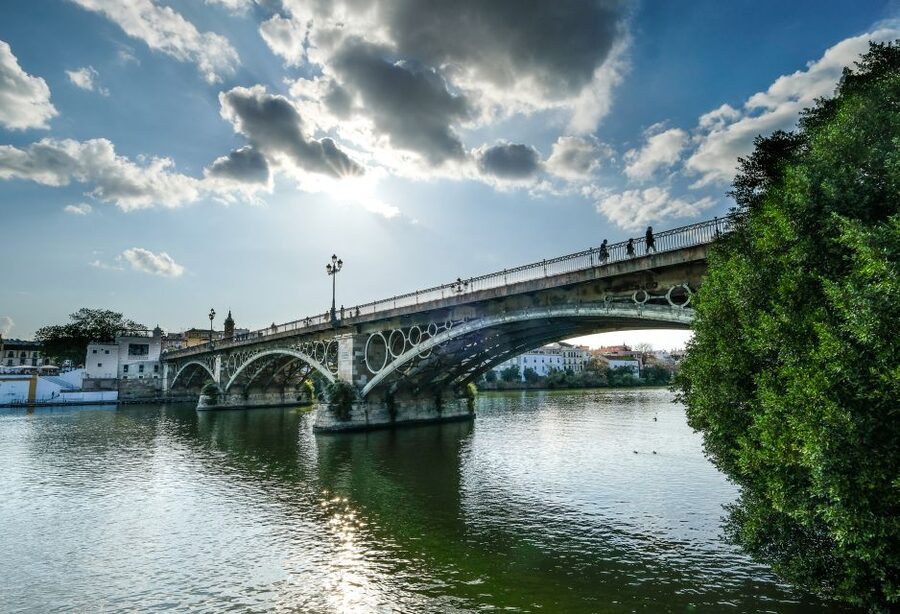
- Puente de Isabel II crossing, the easy moment when the city turns into a different neighborhood
- Crafts and everyday life, with Triana Market and Centro Cerámica Triana along the route
- Flamenco, folklore, and gypsy culture connections, tied to where people lived and worked
- Churches and old lane names, including the first Christian-conquest church stop and Callejón de la Inquisición
- Finish by the river, where flamenco venues cluster in the evenings
Why the Guadalquivir river matters, before you even cross the bridge
If you want Seville to click, start with the river. The Guadalquivir is not scenery here, it is the reason trade, ships, jobs, and neighborhoods formed the way they did. This tour nudges you to read the city like a map of movement: goods moved, people followed, and stories spread along the water.
I like that the tour’s first half is all about seeing Seville as a port. You begin at Torre del Oro Cruise on the riverbank, so you are literally starting where the “how did the city grow” story belongs. Then you get a guided introduction that frames what you will spot next, so when you stop to look around, it feels purposeful.
And because the walk is short, you do not get lost in “too much information.” You get enough to understand the big idea, then you keep moving into the neighborhood where that idea becomes real daily life.
You can also read our reviews of more tours and experiences in Seville.


Torre del Oro to the Nao Victoria area: port power in human scale
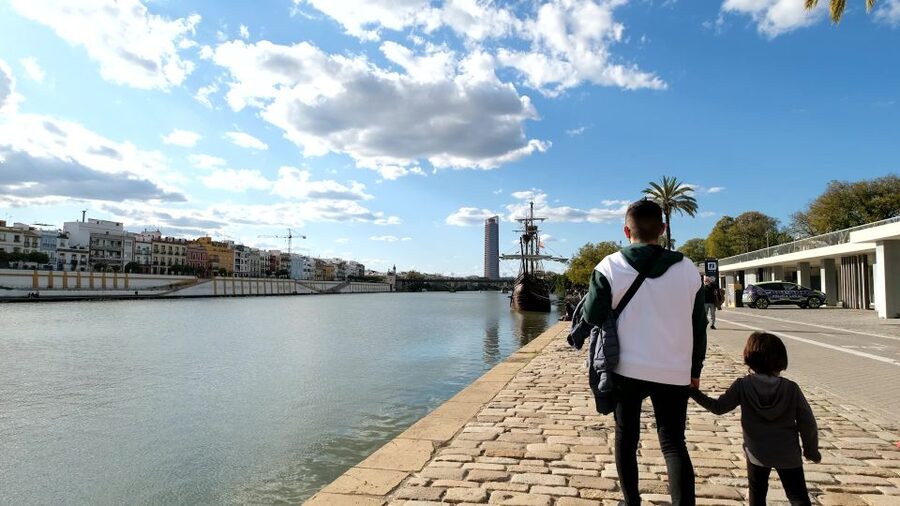
Your meeting point is the base of Torre del Oro, by the riverbank, just next to the tourist cruises ticket office. From there, the tour heads to the area connected with Fundación Nao Victoria and Espacio Exploraterra for a short guided visit. This is one of those stops that helps you connect the river with exploration and Seville’s larger role in maritime history.
Don’t expect a long museum detour. Think of it as setting the stage so the rest of the river walk has meaning. You are not just looking at water, you are learning why Seville was a trade center and why sailors and merchants mattered.
A small but practical benefit: this early start keeps the pace moving while your brain is still fresh. By the time you reach the bridge later, you already know what you are looking for.
Puente de Isabel II: the moment Seville becomes Triana
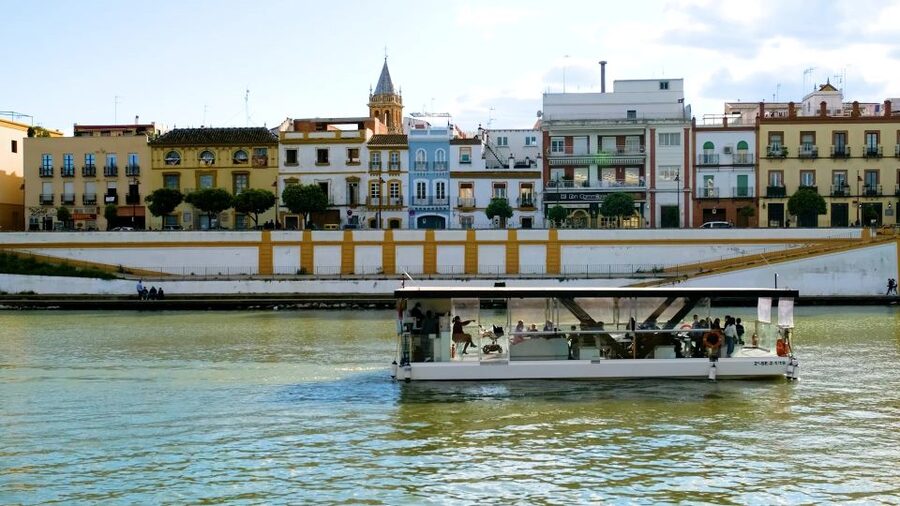
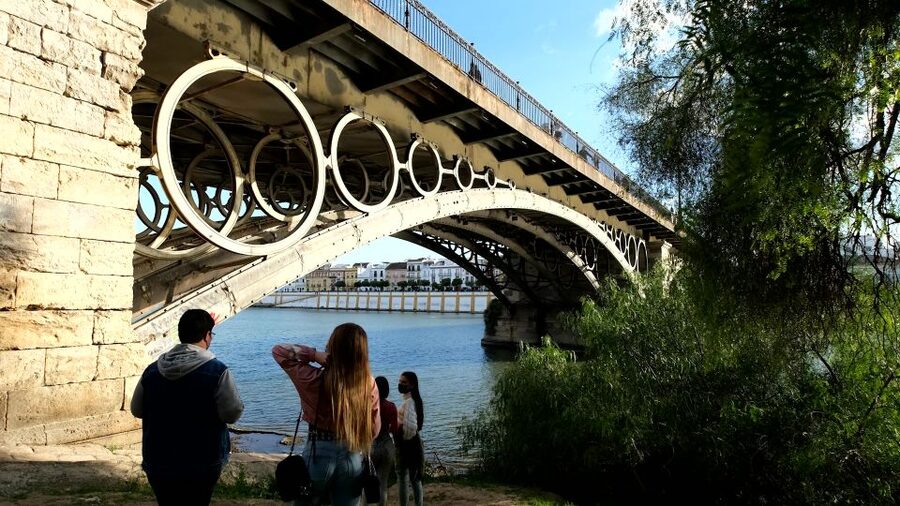
Crossing Puente de Isabel II is more than a photo stop. It is the physical shift from Seville proper to Triana, and the tour uses that to reset the story. On one side you are thinking about the port and the city’s central power. On the other, you start seeing Triana as its own social world, across the river.
This is a great stretch for orientation. You get time to look around and connect architecture and street layout with the neighborhood’s identity. It is also where the tone of the tour changes from trade story to people story, which is exactly what you want if you like neighborhoods rather than just monuments.
If you are the kind of traveler who always wonders why a district feels different, this is your answer. Triana’s special atmosphere comes from its location and its long relationship with river life, jobs, and crafts.
Triana Market: where “traditional professions” feels real
Next up is Triana Market. This stop is short, but it is the kind of place where you can get an immediate feel for how locals lived and worked. The tour frames the market as part of the neighborhood’s economy, tied to older craft guild traditions that have survived to the present.
I like this kind of stop because it anchors all the abstract history. Instead of just hearing that Triana had professions, you stand in the place where a market supports a community. You also get a chance to spot the neighborhood rhythm, which matters if you want to understand why Triana became such a strong center for popular folklore.
Keep your expectations realistic. You are not there for a full meal plan. It is more like a guided “read the space” moment, with enough context to make the market feel less random.
Centro Cerámica Triana: tiles, craft, and why details matter
Then you head to Centro Cerámica Triana. Even if you do not spend hours in ceramics, this is a smart way to understand Triana’s identity. The tour connects the neighborhood’s craft life with what you will later hear about folklore and flamenco roots.
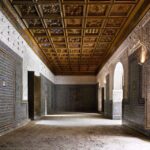
Here is the practical part: this is where you learn to notice the visual language of the area. Triana is known for tile and street detail, and guide commentary turns those details into clues. You start seeing how artisans shaped daily life, not just how the neighborhood looked in old photos.
In the feedback I saw, people singled out how much they enjoyed noticing tile and ironwork after the guide pointed it out. That is the big value of a short walk with a good storyteller: you see more than you would on your own.
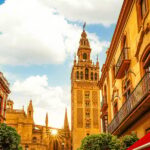

Callejón de la Inquisición: when old fear shows up in a lane name
One of the most interesting stops is Callejón de la Inquisición. Even if a narrow street does not look dramatic at first glance, the name carries weight. The tour uses this lane to talk about dark times linked to the Inquisition, and it helps you understand how power and religion shaped daily life and neighborhoods.
This is also where good guiding matters. Without context, a street name is just text. With a guide, it becomes a clue to the social history of the area.
I also appreciate that the tour does not treat it like horror for horror’s sake. It places the “dark times” theme next to other elements of Triana’s identity, like craft life and popular culture. That contrast is what makes the neighborhood feel like a real place, not a theme park.
The Guadalquivir stretch: trade center story in the open air
After the inland stops, you return attention to the river itself at Guadalquivir River. This portion is timed for understanding, not just walking. You get a guided look at why the riverbank location mattered for trade, shipping, and the movement of people.
If you are the kind of traveler who likes to connect dots, this is your checkpoint. You have already seen port-related framing at the start, you’ve crossed into Triana, and now you look back at the river to understand why all that trade talk matters.
The best part: being outside keeps the learning easy. The river gives you a constant reference point, so the story sticks better than if you were only indoors.
The Chapel of Sailors and Seville’s old maritime ties
Next is the Chapel of Sailors, Sevilla. The tour includes time here to connect Triana and Seville’s religious life with maritime culture. It is a fitting stop because the neighborhood identity was shaped by sailors, river work, and the people who moved through Seville because of the waterway.
This is also where you get a more human scale of history. “Trade center” can sound like numbers and ships. A chapel stop turns it into community life and shared identity, especially in a place tied to sailors.
Even in a short tour, these stops help you build a mental model. You start to see Triana not as a separate curiosity, but as a neighbor formed by the same river-powered story as the city across.
Real Parroquia de Señora Santa Ana: Christian conquest, then everyday Triana
Your finish is at Real Parroquia de Señora Santa Ana. The tour specifically points out it as the first church built after the Christian conquest, and it’s a strong final anchor for the bigger “how Seville changed” story.
This is also the practical ending point. The tour concludes by the river, where many flamenco venues are located. So you can wrap up with a drink or keep your evening going without having to commute far.
I like ending near where local culture actually happens. You are not sent back to a distant landmark. You finish in the right neighborhood, with enough context to appreciate why the area has so much music energy.
Flamenco in Triana, and how the guide ties it to place
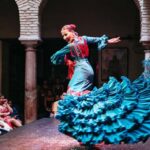
Flamenco shows up in the tour, but it is handled in a grounded way. The narrative links flamenco to Triana’s popular folklore and the Andalusian gypsy culture, with the tour explaining origins of flamenco in what many consider its birthplace.
Here is why this matters for you: if you only hear flamenco as performance, it can feel like culture floating above history. This walk insists it grew out of real social life, jobs, and community networks. Triana is also described as home to bullfighters, flamenco artists, sailors, and craftmen. That mix helps explain why the neighborhood became such a cultural engine.
Also, because you finish near flamenco venues, you are in position to connect the story to a real evening plan. Even if you do not book a show immediately, you will know where to look and what to listen for.
Small group size, English guide, and how it affects your experience
This is designed as a small group tour, limited to 10 participants. That size makes a difference in a walking format. You can ask questions without your guide feeling like they are herding cats, and you get more time at each stop instead of constant forward pressure.
The guide is an English-speaking licensed guide, and the guide quality is one of the most consistently praised parts of the experience. In feedback, I saw names like Valentin, Valentín, Miguel, and Carlos, and people repeatedly highlighted story-telling and patience with questions. One person mentioned that Valentin recommended lunch spots at the end, which is exactly the kind of practical add-on that makes a short tour feel worth it.
If you travel solo, this format can feel especially comfortable. A solo traveler can ask for clarification without feeling put on the spot, and the group size helps keep the conversation flowing.
Price and value: what $29 buys in 1.5 hours
At $29 per person for a 1.5-hour guided walk, you are not paying for a bus ride and a menu of attractions. You are paying for a tight route with expert interpretation and time at multiple themed stops.
You also get guided time at key points like Fundación Nao Victoria and Espacio Exploraterra, Puente de Isabel II crossing time, Triana Market, Centro Cerámica Triana, Callejón de la Inquisición, a river segment, Chapel of Sailors, and then the finish at Real Parroquia de Señora Santa Ana. That is a lot of “story stops” for a short schedule.
What is not included is monument tickets. So if you plan to enter paid sites on your own afterward, you will need to handle those separately. Still, for learning and orientation, this kind of guided walk is typically excellent value because it saves you hours of trying to figure out what matters.
Who should book this Triana and Guadalquivir tour
You will like this tour if you want:
- A short, high-impact Seville overview that makes the river essential
- A neighborhood focus on Triana instead of only the big central sights
- Flamenco culture tied to history and street life, not just stage tradition
- A guide who can explain what you are seeing as you walk, with time for questions
It might not be the best fit if you:
- Want long museum time or ticket-based sightseeing inside multiple monuments
- Prefer self-guided wandering with no structured explanation
- Have zero flexibility for weather, since it runs rain or shine
Should you book this tour?
I think this is an easy yes for most first-timers who want Seville to make sense fast. The tour does the smart thing: it starts with the Guadalquivir so you understand why Triana exists the way it does, then it turns that story into streets, names, crafts, and cultural identity in a compact 1.5 hours.
Book it if you want a guide-led path through Triana’s best “why this place matters” points. Pass or pair it with longer time elsewhere if you want deep monument access or a slower pace.
FAQ
Where do I meet for the tour?
You meet at the base of Torre del Oro, by the river bank side, next to the tourist cruises ticket office.
How long is the tour?
The tour lasts about 1.5 hours.
Is the tour guided in English?
Yes. It includes a guided tour by an English-speaking licensed guide.
How much does it cost?
The price is $29 per person.
Is it a small group?
Yes. The tour is limited to 10 participants.
Are monument tickets included?
No. Tickets to monuments are not included.
Does the tour run in bad weather?
Yes. It takes place rain or shine.
What if I’m late to the meeting point?
Please be punctual. Latecomers may not be able to join once the group leaves.
Where does the tour finish?
The tour finishes at Real Parroquia de Señora Santa Ana. It is near the river area with many flamenco venues.
More Tour Reviews in Seville
Not for you? Here's more nearby things to do in Seville we have reviewed


More Triana Quarter Experiences worth a look.
 ★ 4.6Live Flamenco Show at “Teatro Flamenco Triana”From $283,290 reviews
 ★ 4.8Baraka Sala Flamenca Show with Drink in TrianaFrom $321,761 reviews
 ★ 4.8Traditional Flamenco Show in TrianaFrom $261,580 reviews
 ★ 5.0Spanish Cooking Class & Triana Market Tour in SevillaFrom $90760 reviews
 ★ 4.93.5-Hour Spanish Cooking Class & Triana Market TourFrom $88751 reviews
 ★ 4.5Flamenco Show Tickets to the Triana Flamenco TheaterFrom $30599 reviews
 ★ 5.0Baraka Triana. Flamenco show with drinkFrom $32497 reviews
 ★ 4.6Flamenco Show at Tablao Almoraima in TrianaFrom $28483 reviews
Continue by place or experience