
REVIEW · SEVILLE TOURS
Seville: Museum of Fine Arts Guided Tour
One tour makes Seville art easier to read. You get the museum’s biggest names, plus the convent setting that shaped how these works were displayed.
I especially love the historic La Merced convent setting, with its cloisters and Renaissance-Baroque architecture doing half the storytelling for you. I also like that the guide keeps the art from feeling like homework, by connecting paintings, sculpture, and symbols to the world that made them.
One thing to think about: this is a 2-hour highlights route, so you will not see everything in the entire museum. If you want to linger for long stretches in just one gallery, plan extra time on your own after the tour.
Key things I’d circle before you go
- La Merced architecture adds context before you even reach the paintings
- Claustro de los Bojes and Claustro Mayor are calm breaks, not just hallways
- You’ll move through styles, from Sevillian Gothic to Renaissance works
- The route includes major stops like the Saint Jerome Penitent by Torrigiano
- A dedicated room for Bartolomé Esteban Murillo helps you understand why he mattered in Seville
- Small group size, up to 8 people, makes questions feel normal, not rushed
A Convent Turned Art Classroom at La Merced
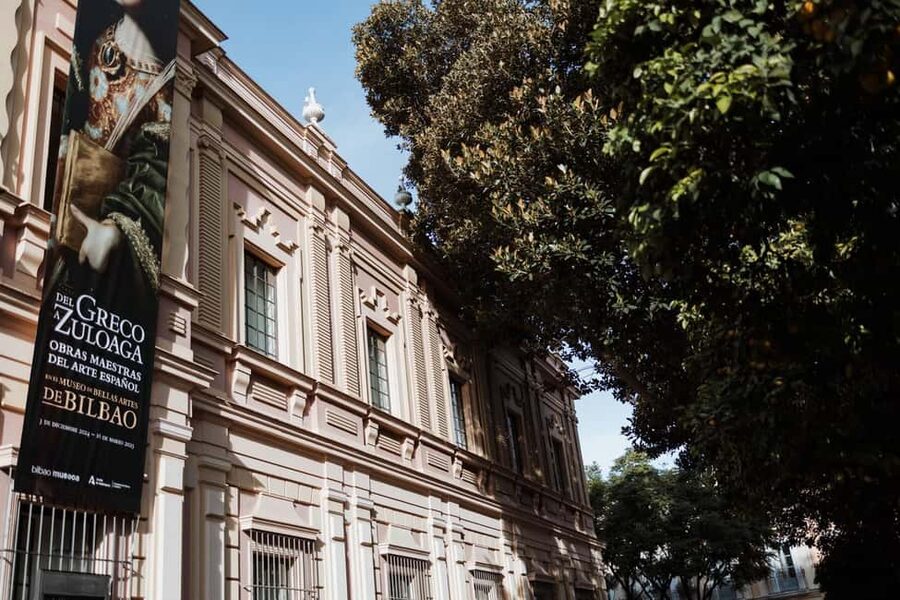
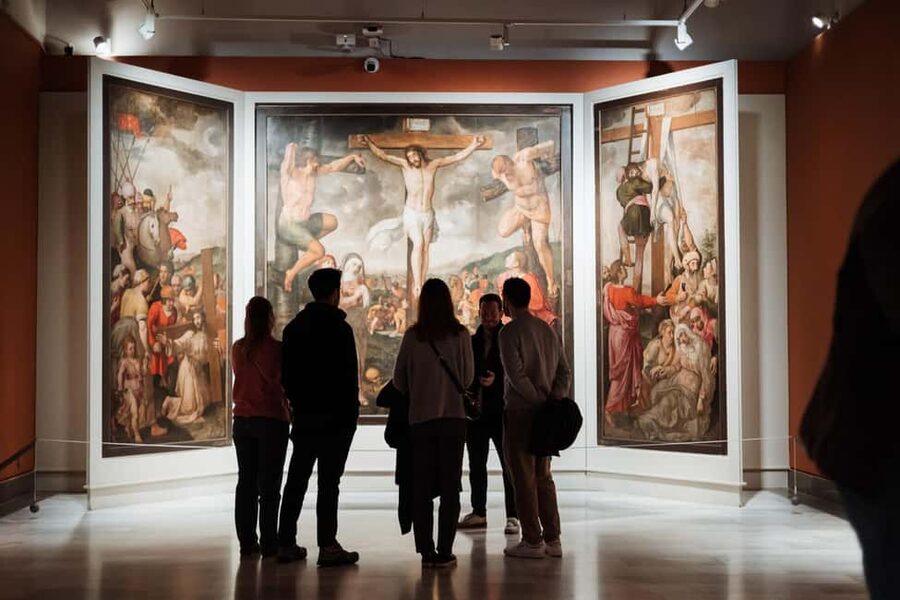
The Museum of Fine Arts of Seville is not just housed in a building. It lives inside the older bones of a convent, which changes how you experience the art. Even before you focus on any single painting, you feel the space designed for contemplation. That matters, because a lot of these works were created for religious and civic life, not for quick selfies and empty glances.
I like that this tour treats the museum like a story in layers. You start with the La Merced setting, then you move into cloisters and galleries where Renaissance and Baroque art makes more sense. One minute you’re noticing architecture and light, the next minute the guide points out why certain subjects were painted the way they were.
If you’ve ever stood in a museum and thought, I know this is important, but I’m not sure why, this format helps. The guide connects what you’re seeing to the time period and the artists’ choices. That turn, from looking to understanding, is what makes the museum feel less overwhelming.
You can also read our reviews of more tours and experiences in Seville.


Where You Meet Plaza del Museo and Why It Works
You meet at Plaza del Museo, near the statue of Murillo. The guide waits there with a blue umbrella or a name tag that says Sevilla Guías & Tours. This is a simple setup, and it saves you the stress of guessing which entrance is the correct one.
One practical win: the tour includes express security so you are not stuck in the slowest line. In a popular museum, that can be the difference between feeling rushed and feeling in control. Since the guided part is only 2 hours, you’ll appreciate any time you get back.
Also note that you are in a small group of up to 8. That size is big enough to meet people, but small enough that the guide can pace explanations without leaving you behind. If you like asking questions, this group size makes it easier to get a real answer.
La Merced Cloisters: Renaissance and Baroque in Quiet Motion
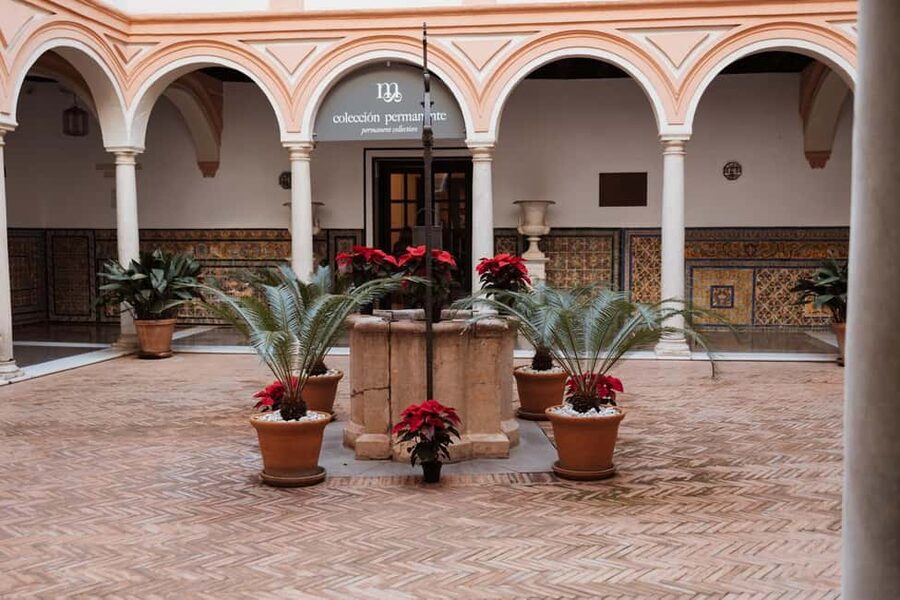
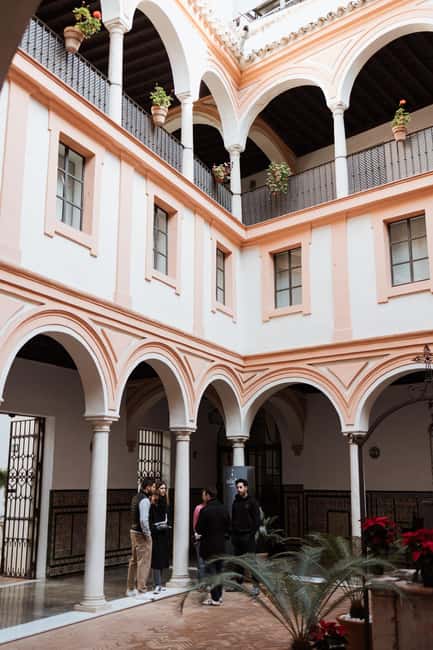
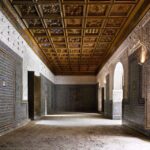
A big part of what makes this tour feel special is that you do not rush straight into art rooms and stop thinking. You start with the historic convent atmosphere and then walk through the cloisters. Two cloisters are specifically part of the experience: Claustro de los Bojes and Claustro Mayor.
Think of cloisters as the museum’s breath. They’re where the building’s design shows you how movement and stillness were intended to work together. You get a sense of why some artworks were commissioned and displayed in a world that valued ritual, order, and reflection.
In these spaces, I find it easier to notice details that people usually miss. Stonework, proportions, and the way light settles on surfaces. When the guide then points you toward the artworks, those earlier observations help you understand the overall aesthetic. It’s not just “look at painting.” It becomes “look at the logic behind the display.”
Gothic to Renaissance: What Changes Across Centuries
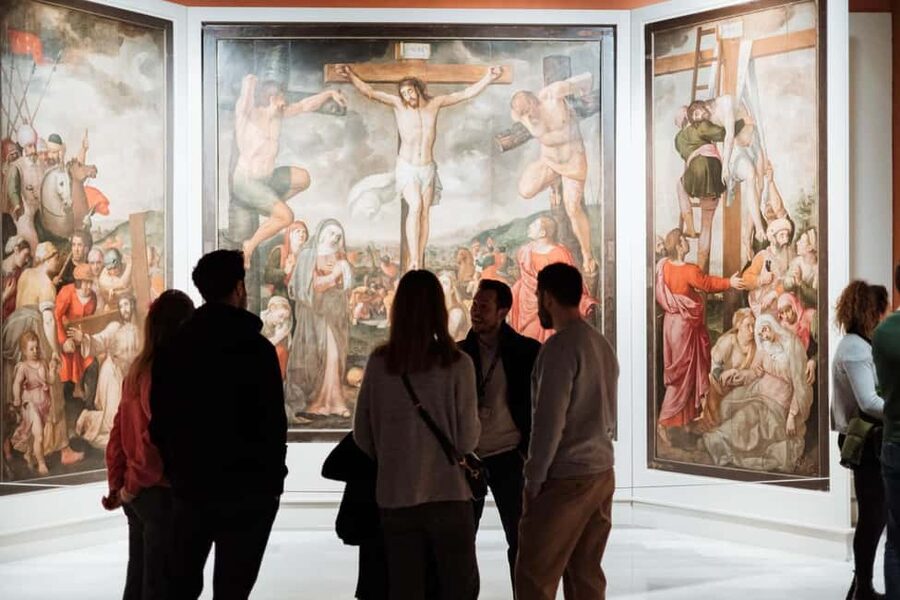
Seville’s art didn’t switch styles overnight, and the tour helps you see that evolution without turning it into a textbook. You start with Sevillian Gothic pieces and then move toward Renaissance works like Saint Jerome Penitent by Torrigiano.
This transition is the heart of why a guided experience is valuable here. In many museums, you can walk from room to room and just feel style differences. With a guide, you learn what those differences meant to the people living at the time. For example, why certain religious subjects were painted with specific symbolism, or how artistic conventions reflected social and spiritual priorities.
I also like how the tour makes the Renaissance feel local. Instead of treating it as imported and finished, you see it as something that took root in Seville’s culture and religious life. That’s where the guide’s context really helps. One guest highlighted how Julio connected works to the historical period they came from, and that kind of framing is exactly what turns a “pretty painting” into an informed moment.
The Murillo Room and Why Seville Loved His Style
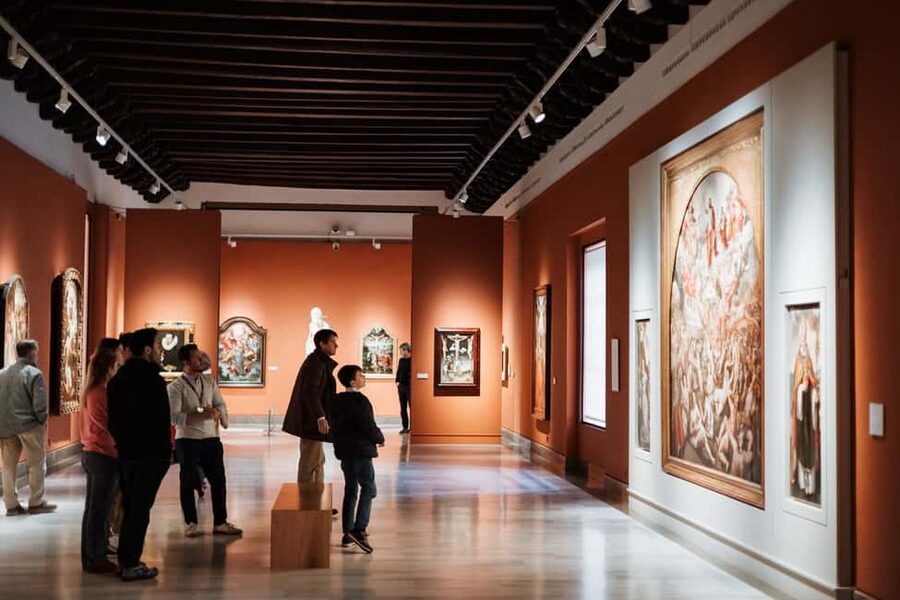
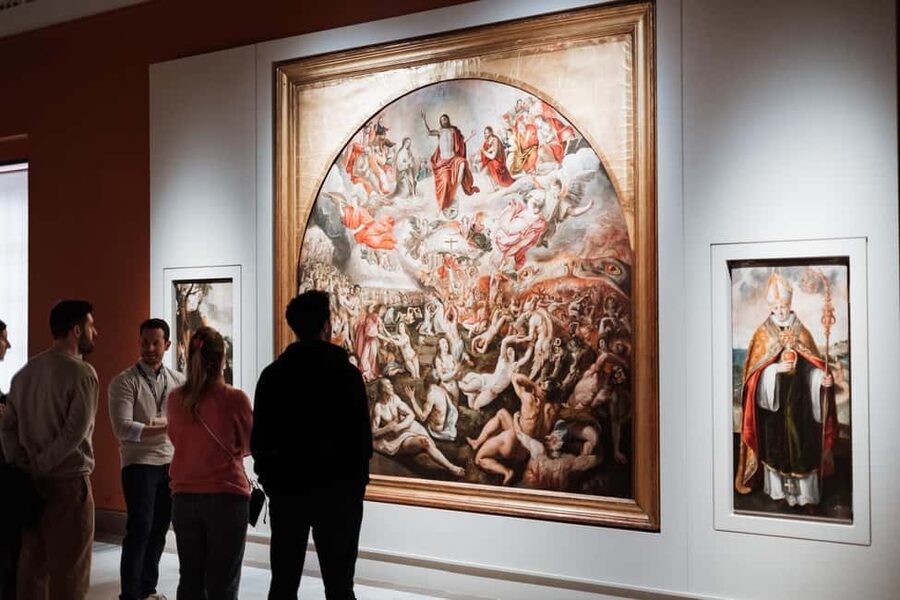
One stop you do not want to skip is the room dedicated to Bartolomé Esteban Murillo. This dedicated space is where the tour becomes especially satisfying if you’re the type of person who worries you won’t understand what you’re looking at.
Murillo is a major figure for Seville, and the guided route helps you notice what makes his art resonate. You get more than names and dates. You start connecting how his subjects, expressions, and visual storytelling fit into Spanish society and the religious imagination of the city.
If you like symbol spotting, you’re in luck. The guide’s approach leans toward stories, iconography, and interpretation, not just description. Guests have praised how the explanations stay digestible, even if you’re not a longtime art fan. That pacing is important, because it keeps you from zoning out halfway through a long wall of paintings.





How the Guide Makes the Art Click (English or Spanish)
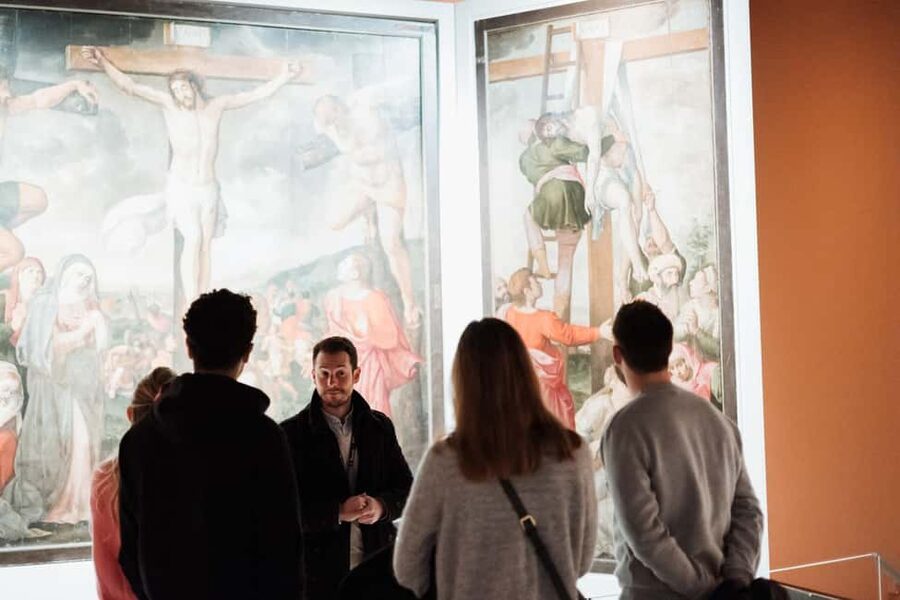
A key detail here is the guide quality. Multiple visitors specifically mention Julio as the standout, including Julio Dean Del Junco. People loved how he answered questions and tied artworks to their historical backdrop, so you’re not just seeing a masterpiece, you’re understanding the why behind it.
What I think you should expect is an art lesson with real-world context. You’ll hear explanations tied to period, style, and the lives behind the works. That’s also why this tour works for different skill levels. If you have art knowledge, the guide can go deeper. If you don’t, the guide still gives you clear entry points.
There’s also a review note about an ear piece helping hearing. Even if that’s not universal, it’s safe advice: if you’re offered any audio device, use it. Your brain will thank you when the guide is speaking in a busy room.
The Value: Why $23 for Two Hours Can Be a Smart Move
At $23 per person for a 2-hour guided visit, this tour sits in a sweet spot. You’re paying for three things that are hard to replace on your own: guided selection, historical context, and time efficiency.
Yes, you can visit the Museum of Fine Arts independently. But without a plan, you risk wandering through rooms without landing on the key connections. A guided route prevents that. You get a curated walk that takes you through architectural highlights and major artists, including works such as Saint Jerome Penitent and the Murillo-focused room.
Also, the group stays small, up to 8, which improves the quality of the attention. In art museums, attention is currency. This tour spends it where it matters: on telling stories behind paintings and sculpture, and helping you see symbols you’d likely miss.
So if your goal is to come away saying, I finally understood what I saw, the price feels reasonable. If your goal is pure freedom to linger, you might prefer museum time alone. But even then, a 2-hour structure can give you a strong foundation for the rest of your visit.
What You’ll Actually Do During the 2 Hours
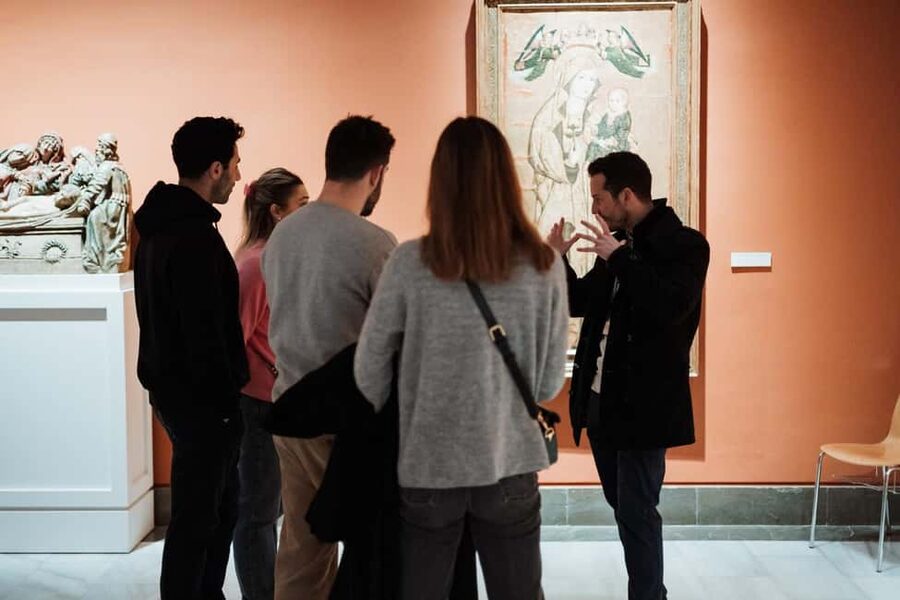
Here’s the real rhythm. You begin at the meeting point in Plaza del Museo, then you head into the museum and start moving as a group. The tour style is a guided walk through a mix of architecture and galleries, not a seated lecture.
Expect to:
- Notice La Merced architecture and the convent context
- Walk cloisters like Claustro de los Bojes and Claustro Mayor
- Cover a style sweep, including Sevillian Gothic
- See Renaissance landmarks such as Saint Jerome Penitent by Torrigiano
- Spend real time in the Murillo room and related works by Sevillian artists
One more detail that makes this tour feel grounded: the guide’s explanations respond to the audience level. Several guests praised how the guide adjusted the pace, explained symbolism, and kept answers coming. If you like asking why a figure is posed that way, or why a saint is depicted with certain objects, you’re likely to enjoy the back-and-forth.
And yes, after the tour, you can keep enjoying the museum on your own, which is a smart way to combine guided context with your own pace.
Practical Tips Before You Go
A few small things that will make your visit smoother:
- Give yourself time to reach Plaza del Museo so you can find the blue umbrella or the Sevilla Guías & Tours name tag.
- Wear comfortable shoes. You’re doing a structured walk through multiple spaces in a historic building.
- If you’re splitting the day between museum and other city walking, protect this 2-hour block. This is best enjoyed when your brain isn’t rushed into five other stops immediately after.
- No pets are allowed, so leave furry companions at the hotel.
Also, the tour runs in English or Spanish. Pick the language that makes you most confident asking questions. Your understanding will feel faster when you can speak up naturally.
Should You Book This Guided Tour?
I’d book it if you want Seville’s Museum of Fine Arts to feel readable. This tour earns its keep by combining the museum’s convent setting, a clear path through major artists and styles, and a guide who can explain symbolism and historical context without making it boring.
Skip it only if you already know the museum well, or if you hate structured routes and would rather wander without guidance for a full afternoon.
For most people, especially first-timers or anyone who wants a strong overview in limited time, this is a smart way to experience one of Seville’s top art spaces without losing the thread.
FAQ
How long is the Seville Museum of Fine Arts guided tour?
The guided tour lasts about 2 hours.
Where do I meet the guide?
Meet at Plaza del Museo, next to the statue of Murillo. The guide will be waiting with a blue umbrella or a name tag that says Sevilla Guías & Tours.
What is included in the price?
You get entrance to the Museum of Fine Arts of Seville, a licensed expert guide (English or Spanish), and a small group experience.
Is transportation included?
No. Transportation to the meeting point is not included.
Do I need to pay upfront?
You can reserve now and pay later, which lets you keep travel plans flexible.
Is the tour wheelchair accessible?
Yes, the tour is listed as wheelchair accessible.
Are pets allowed?
No, pets are not allowed on this activity.
More Tour Reviews in Seville
Not for you? Here's more nearby things to do in Seville we have reviewed









More Seville Tours worth a look.
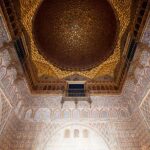
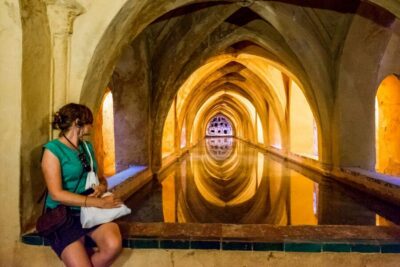 ★ 4.6Royal Alcázar Entry TicketFrom $2328,378 reviews
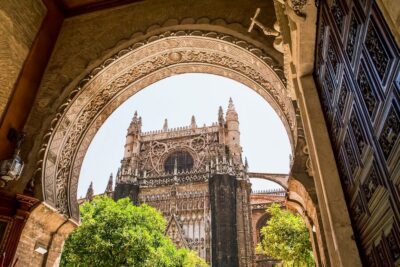 ★ 4.5Cathedral and La Giralda Entry TicketFrom $2024,592 reviews
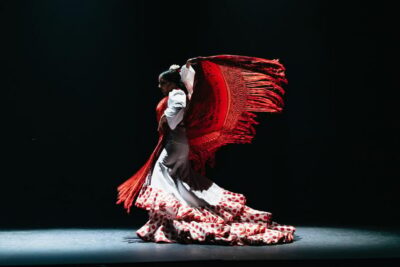 ★ 4.7Live Flamenco Dancing Show Ticket at the TheaterFrom $2716,396 reviews
 ★ 4.21-Hour Guadalquivir River Sightseeing Eco CruiseFrom $1910,281 reviews
 ★ 4.7Cathedral, Giralda, and Royal Alcázar Guided TourFrom $699,165 reviews
 ★ 4.6Setas de Sevilla Entry TicketFrom $188,901 reviews
 ★ 4.6Cathedral, Giralda & Alcazar Entry With Guided TourFrom $658,560 reviews
 ★ 4.8Priority Access Cathedral, Giralda & Alcázar TourFrom $647,563 reviews
Continue by place or experience