
REVIEW · SEVILLE TOURS
Tour Sevilla de las 3 Culturas
Seville makes sense with the right guide. This Sevilla de las 3 Culturas tour strings together Roman, Al-Andalus, Jewish, and Christian Seville so the city starts feeling like one connected story. I like that it is guided by an official guide, so you do not spend your time guessing what you are seeing.
My second big win is the way José kept things clear and answered questions as we moved through the streets. You’ll also appreciate the comfort details, all flat and with shade in summer and sun in winter. The one drawback to consider is that it is Spanish-only, so if you do not read or speak Spanish, you might miss some of the story beats.
Key highlights worth your time
- Official guide quality: Live Spanish guiding, focused on communication and local context
- A “no missed sights” route: You hit major landmarks plus quieter streets in one smooth walk
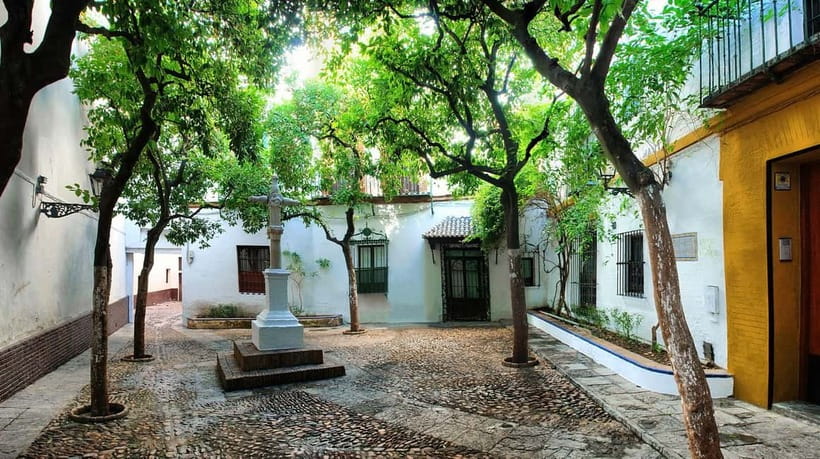
- Judería and Santa Cruz street-level history: Places like Calle Susona, Calle Vida, and Santa Cruz come alive
- Real Alcázar and the Archive of the Indies: You get a guided stop at the General Archive of the Indies
- Easy walking plan: Flat route, with shaded stops in summer and sun in winter
- Good value for price: Skip the ticket line and get a full 2-hour guided experience for about $7
Why the Three Cultures theme actually helps you understand Seville
Seville is not just pretty streets and big monuments. This tour helps you read the city like a map of time. Roman rule, Al-Andalus, Almohad power, Christian growth after the Reconquest, and the strong footprint of the Jewish community in the old quarters all show up in how neighborhoods are laid out and which places feel important.
What I like is that the tour does not treat these cultures like separate chapters. It connects them. You walk between the old Medina and the Jewish Quarter, and you start to notice how walls, arches, and palaces relate to the story being told. That matters because Seville can feel overwhelming if you only look for famous icons. Here, you get both the icons and the context that makes them click.
There is also a smart bonus idea built into the theme: the tour includes more than the usual Roman, Muslim, Christian triangle. It adds a Gypsy Seville element through Triana, and it brings in the “Seville of the Indies” angle via the port area. That gives you a broader view of how Seville worked, not just who ruled it.
You can also read our reviews of more tours and experiences in Seville.

Starting at Plaza de San Francisco, then watching the city shift
You begin at Pl. de S. Francisco, 17, near the Fuente de Mercurio area. This is one of those starts that puts you close to the city’s major story zones, not out in some generic plaza. You also get practical guidance from the provider, and they ask you to include a phone number with WhatsApp so they can send you the meeting point details.
Right away, you are not just touring buildings. You are touring transitions. The opening stop in Plaza de San Francisco sets a baseline for where you are in Seville’s center. Then the walk moves toward the more monumental zone, where the guide’s explanations help you connect what you see to the bigger eras behind it.
A small but meaningful comfort note: the route is described as flat, with no slopes, and the guide plan includes that stops are in shade in summer and in sun in winter. That changes how you experience Seville. Instead of scrambling for cover or taking constant breaks, you can keep your attention on what the guide is explaining.
Giralda, Seville Cathedral, and Palacio Arzobispal: the Christian layer you can feel
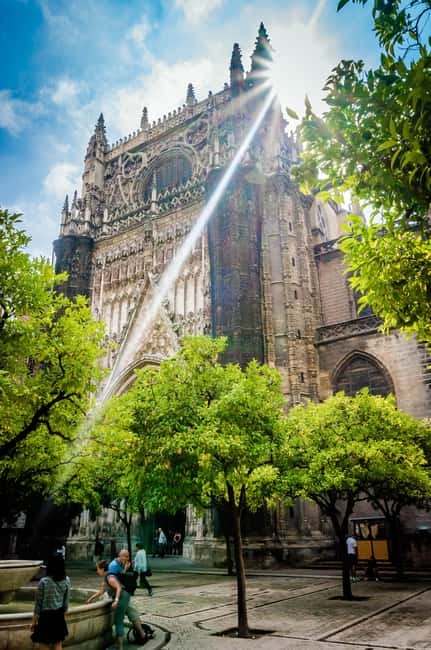
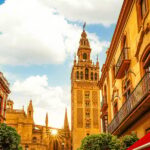
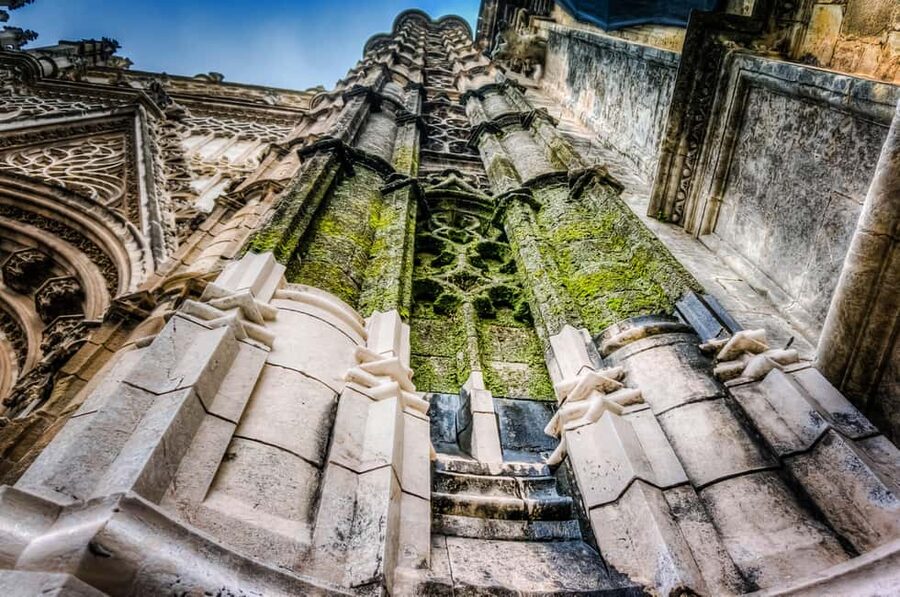
Once you head into the main landmark area, the theme shifts toward the Christian story. You visit the Giralda and then the Seville Cathedral as key stops. Even if you have seen Seville photos before, having them placed in the tour’s timeline matters. The guide links this era to Christianity becoming prominent after the arrival of Ferdinand III, which helps you understand why these sites became reference points.
From there, you move to Palacio Arzobispal for sightseeing. This is a good moment in the tour because it reminds you that the Christian story is not only about one church. It is also about institutional power and how it shaped the city around it.
Possible drawback at this stage: if it is peak daytime heat, you still have outdoor walking to do. The tour says the stops are planned with shade in mind, but you should still plan like it is a sunny city. Bring water and keep your pace steady.
The Judería and Santa Cruz: where Seville’s Jewish imprint still shows up in everyday streets
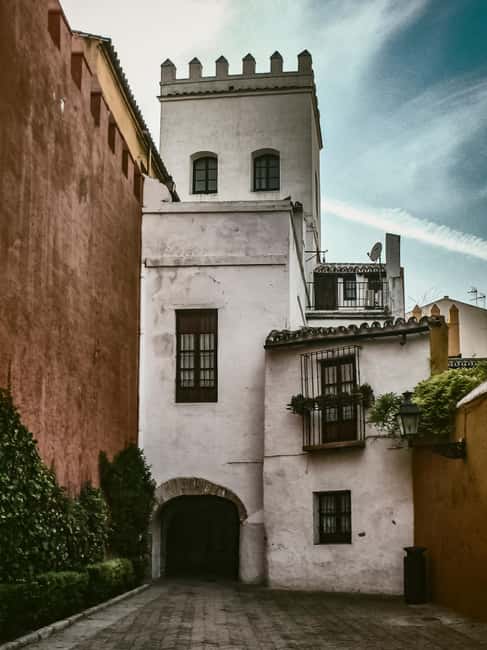
This is where the tour becomes most “walk-and-understand.” You move into the Judería zone and then pass through key squares and street sections that the guide uses to explain the old Jewish quarter, including the famous area known as Santa Cruz.
The guide takes you to Plaza de la Alianza for sightseeing, then Plaza Dona Elvira for a visit. These stops are not just photo moments. They are set up to help you understand the neighborhood structure: narrow streets, an older quarter feel, and a maze-like layout tied to the historic story.
Two street names stand out in the plan: Calle Susona and Calle Vida. I love when a tour includes streets like this because it forces you to slow down. You start noticing the way alleys and turns affect movement through the city. That makes the history feel real, not like it happened somewhere else.
Then comes Santa Cruz itself, where the tour leans into the Jewish community’s visible mark in Seville. The guide frames it as one of the oldest and largest Jewish quarters in the country. That framing matters, because it turns what could be just another pretty neighborhood into a place with real social and historical weight.
You also see Patio de Banderas for sightseeing. This is a good “breather” stop after the street sections. It gives you a visual pause, and the guide uses the moment to keep your timeline organized before you move back toward the royal and administrative power sites.
From the Real Alcázar door to the General Archive: power, record-keeping, and memory
Next you reach Puerta del León, connected to the Real Alcázar de Sevilla. The guide uses this as a transition point, and it fits the tour’s big idea: layers of rule and building styles showing up in what is still standing.
You then get a highlight stop at the General Archive of the Indies, with a guided tour included. This is one of the best “value adds” on the route because it is not only exterior sightseeing. It is a guided visit at a place tied to Seville’s role as a commercial hub tied to America.
The tour frames this through the idea of “Seville of the Indies,” described as a port of Europe for America, with lights and shadows. Even if you do not know the details ahead of time, you leave with a clearer sense of what Seville was doing during the age when global connections mattered. It turns the name of a district into something concrete.
You also pass the Immaculate Conception Monument for sightseeing and then visit El Giraldillo. These stops keep the tour moving without turning it into a rushed checklist. They also help reinforce the city’s symbolic look, which becomes useful later when you reach the riverside.


Walking to El Arenal and down toward Torre del Oro
As the route continues, you move toward El Arenal, with sightseeing there. This is where the “port and city life” story angle comes forward. From here, the guide’s explanations help you understand why riverside space mattered in different eras, from commercial importance to the city’s everyday rhythm.
Then you reach Plaza del Cabildo for sightseeing, followed by Mercado Artesania El Postigo for a visit. Markets like this are good on a history tour because you get a present-day Seville moment. You can browse without losing the context the guide gave you earlier, and it is an easy place to pause, regroup, and decide if you want a small souvenir.
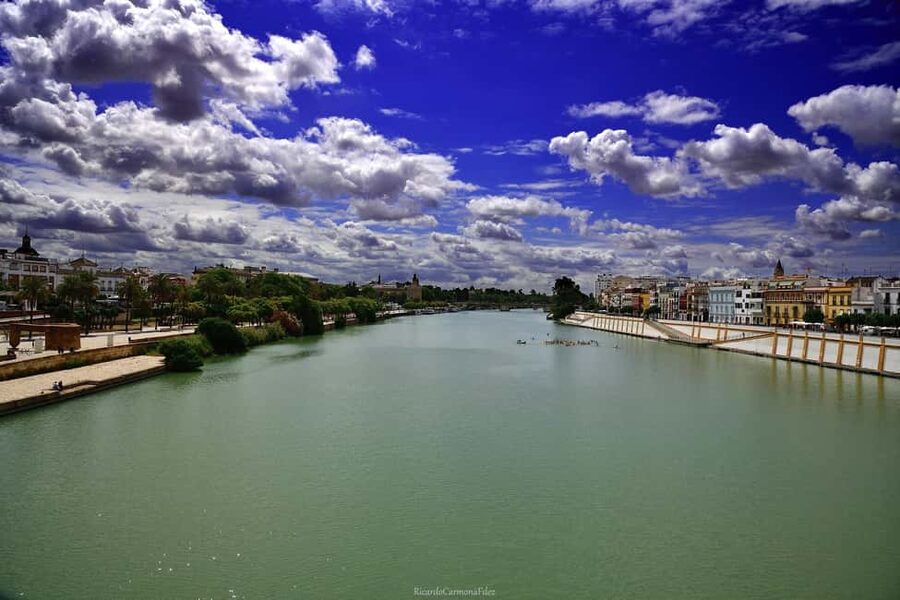
After that, you cross Puente de Isabel II for sightseeing. This is another smart “orientation” stop. Bridges help you understand the geography. Even on a short 2-hour walk, this kind of spatial clue makes it easier to plan your next self-guided wander.
Finally, the tour ends at Torre del Oro, with sightseeing at the tower itself. This finish point works because it is tied to Seville’s river story, and it is a strong visual cap to the tour. It also helps you connect your walk to what you might want to do next, like a further stroll around the river area.
One note to keep in mind: the activity details show Torre del Oro as the finish point, and they also state that the tour ends back at the meeting point. If you are tight on time later that day, ask the provider for confirmation via the WhatsApp contact they request during booking.
Price and comfort: why $7 can feel like a steal in Seville
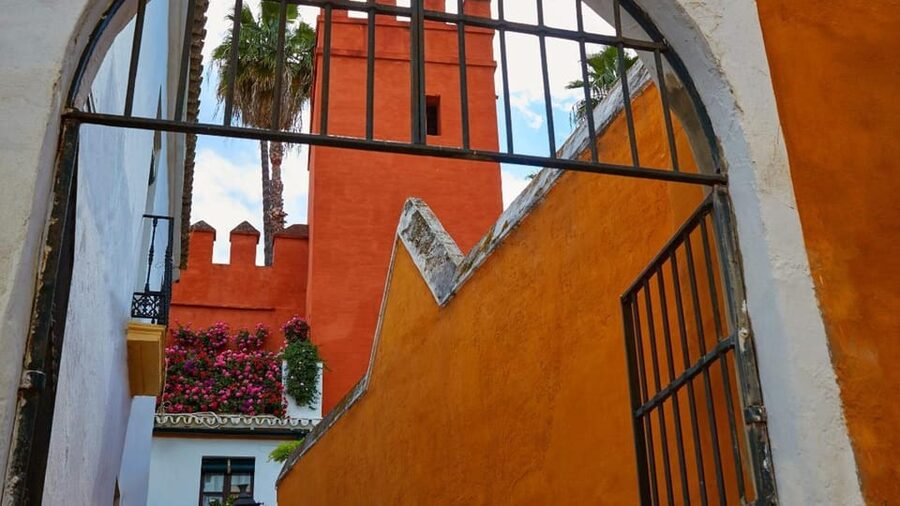
At about $7 per person, this is one of those tours that feels practical, not just “nice to have.” You get 2 hours of an official guide, you visit major landmarks, you cover multiple neighborhoods, and you also get skip the ticket line included.
That combination is the real value. If you try to do this on your own, you end up spending time on ticket logistics and also spending mental energy figuring out what ties Roman, Al-Andalus, and Christian Seville together. Here, the guide gives you the connections, so your time goes to seeing and learning instead of organizing.
Comfort is also part of the value. The route is described as flat with no slopes, and the stops are planned to be in shade in summer and sun in winter. You still need to bring water and wear comfortable shoes, but it is a walking plan designed for regular humans, not only for marathon tourists.
Who this tour suits best:
- You want a guided route that explains the city’s main layers without spending a whole day
- You like neighborhood history, not just single landmark photos
- You can comfortably handle Spanish during the walk
Who might find it less ideal:
- If you do not speak Spanish, the story will be harder to follow
- If you hate any walking at all, even a flat 2-hour route may feel like a lot
Based on the highest-rated feedback, the biggest wins are the guide’s explanations and the way the tour answers questions. People also call the tour very interesting and describe the experience as taking you back to ancient Al Andalus. That makes sense given how much the route covers, from major monuments to the older street layout of the Jewish quarter.
Should you book Sevilla de las 3 Culturas?
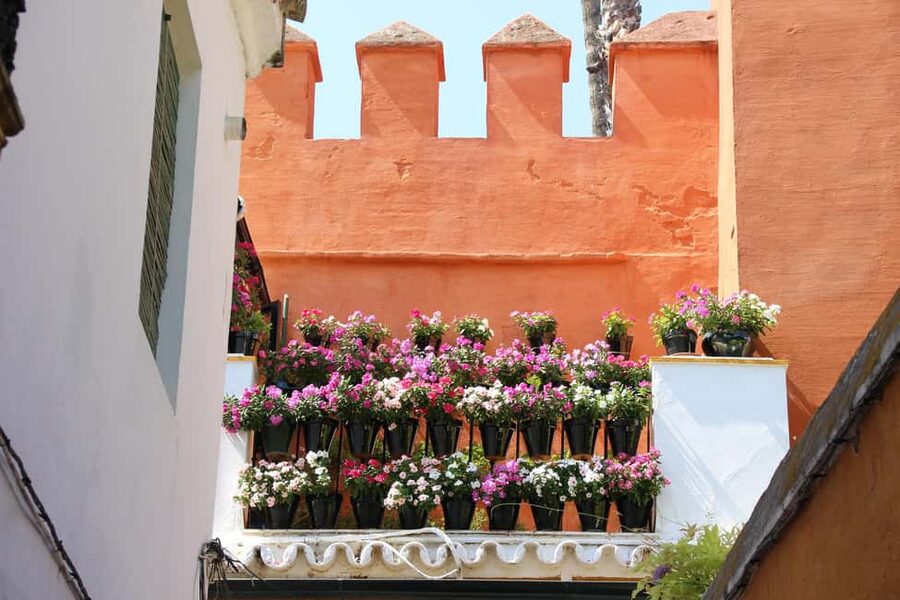
Book it if you want Seville to feel understandable fast. This tour is built for orientation: major landmarks plus the neighborhood streets where history is still visible in how you move. At around $7, with an official Spanish guide and skip-the-ticket-line support, it is a strong way to get smart quickly without overspending.
Skip it or reconsider if Spanish is a barrier for you. Because the tour is in Spanish, you will want to be comfortable following explanations at walking speed. If you are fine with that, you should walk away feeling like you can interpret Seville on your own street-level walks, not just take pictures.
One final tip: wear shoes you can trust and keep water handy. Then let the guide do what guides are best at, connecting the places you see to the story of how Seville changed over time.
FAQ
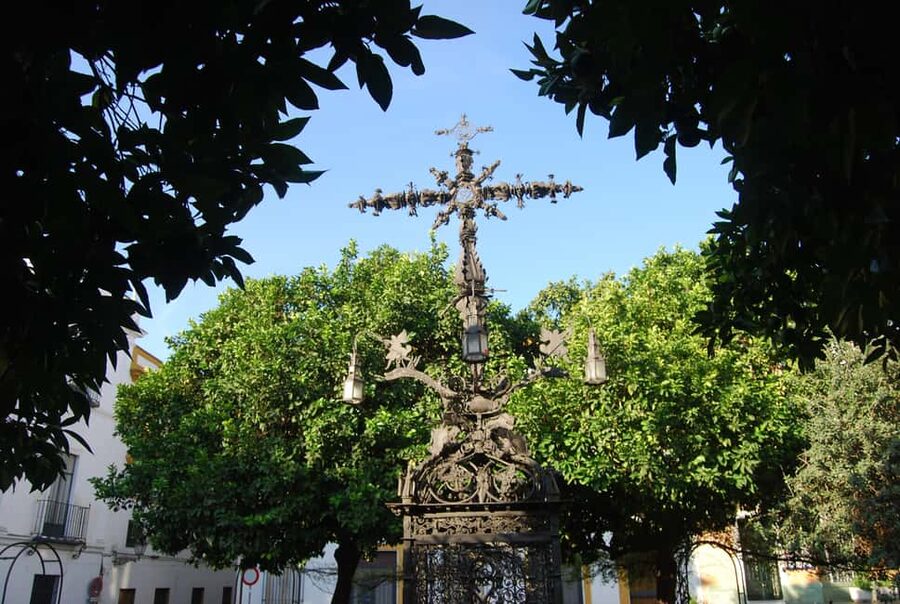
How long is the Tour Sevilla de las 3 Culturas?
The duration is listed as 2 hours.
What does the tour cost?
The price is listed as $7 per person.
What language is the guided tour?
The live tour guide is in Spanish.
Where do I meet the guide?
The meeting point is listed as Pl. de S. Francisco, 17, near Fuente de Mercurio.
Where does the tour end?
The finish point is listed as Torre del Oro. The details also mention that the activity ends back at the meeting point, so it is worth confirming the exact ending location using the WhatsApp contact they request.
Is there ticket-line skipping included?
Yes, skip the ticket line is included.
What is included in the booking?
You get a guided tour with an official tourist guide.
Is the route wheelchair accessible?
Yes, the tour is listed as wheelchair accessible. The route is described as flat with no slopes.
What should I bring?
Bring water and wear comfortable shoes.
What if I need to change plans?
You can cancel up to 24 hours in advance for a full refund, and you can reserve now and pay later. The operator also asks you to include a WhatsApp phone number so they can share the meeting point details.
More Tour Reviews in Seville
Not for you? Here's more nearby things to do in Seville we have reviewed


More Seville Tours worth a look.
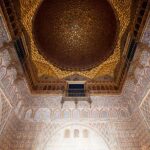
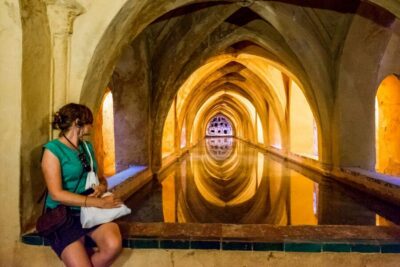 ★ 4.6Royal Alcázar Entry TicketFrom $2328,378 reviews
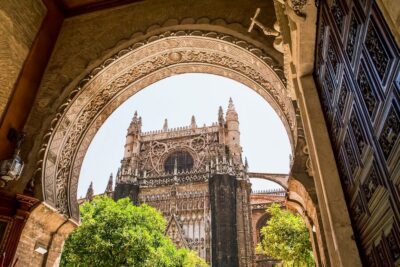 ★ 4.5Cathedral and La Giralda Entry TicketFrom $2024,592 reviews
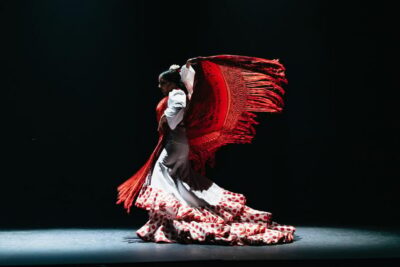 ★ 4.7Live Flamenco Dancing Show Ticket at the TheaterFrom $2716,396 reviews
 ★ 4.21-Hour Guadalquivir River Sightseeing Eco CruiseFrom $1910,281 reviews
 ★ 4.7Cathedral, Giralda, and Royal Alcázar Guided TourFrom $699,165 reviews
 ★ 4.6Setas de Sevilla Entry TicketFrom $188,901 reviews
 ★ 4.6Cathedral, Giralda & Alcazar Entry With Guided TourFrom $658,560 reviews
 ★ 4.8Priority Access Cathedral, Giralda & Alcázar TourFrom $647,563 reviews