
REVIEW · CóRDOBA TOURS FROM SEVILLE
Alcázar de los Reyes Cristianos
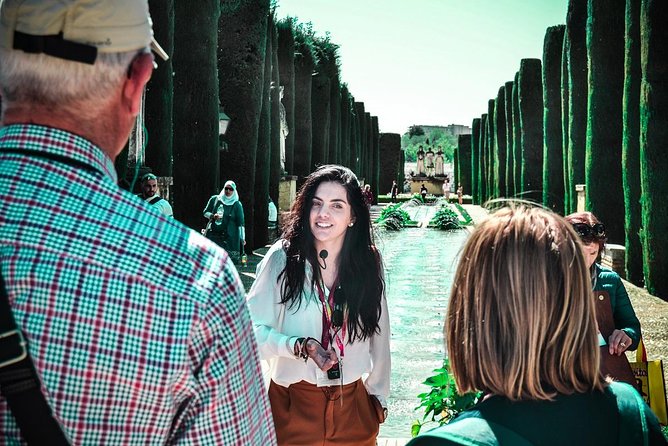
Cordoba’s Alcázar has layers you can feel. This guided visit turns a famous fortress into a clear story of rulers, faith, conflict, and love, all within a walkable circuit. You’ll see the parts that most people rush past, and you’ll understand why they mattered.
I especially love the professional art historian guidance. It helps you connect the dots between the big moments, like the Catholic Monarchs preparing the War of Granada and their first meeting with Christopher Columbus, and the smaller details you’d otherwise miss. I also like the guaranteed skip-the-long-lines entry, so you spend your hour looking, not waiting.
One drawback to consider: the whole tour is about 1 hour, and you’ll be moving through several rooms and outdoor spaces. If you do not follow English well, you may miss some of the guide’s humor and side explanations, since the narration can swing between languages depending on the group.
Key things to look forward to
- Skip-the-line entry that keeps the visit from stalling at the ticket gate
- Art historian level context that makes the palace feel understandable, not just impressive
- Roman mosaics and an Arab bath in the same visit, showing how the site changed with time
- Hammam Doña Leonor, tied to Alfonso XI and Leonor de Guzmán, for a standout storytelling moment
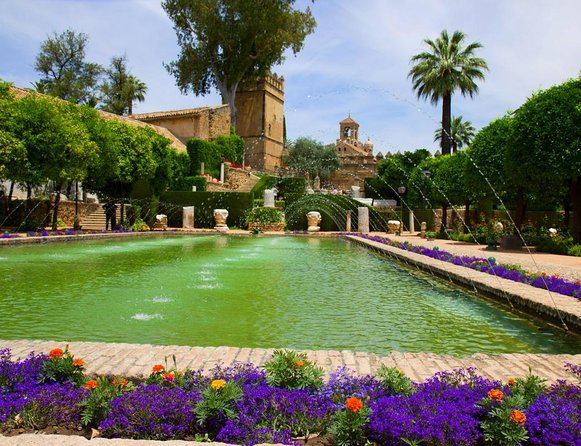
- Patio Morisco and gardens that connect Moorish design to modern-life traditions like weddings
Entering the Alcázar: Why These Walls Were So Useful
The Alcázar de los Reyes Cristianos is one of those places where history is not stuck in a museum case. The walls have been repurposed again and again, which is exactly why a guided tour works here. You start to see the site as a living machine that different powers kept adapting to their needs.
In just a short circuit, you’re guided through centuries of political and religious shifts. The Catholic Monarchs used it while preparing the War of Granada, and it’s also linked to their first meeting with Christopher Columbus. Later, the fortress took on darker roles, including headquarters connected with the Spanish Inquisition and even a prison function.
That mix of power and punishment is the whole point. Without a guide, the Alcázar can feel like a pile of pretty structures. With a guide, it becomes a timeline you can walk through.
You can also read our reviews of more tours and experiences in Cordoba.
Towers and the Roman Sarcophagus: Early Threads You Can See
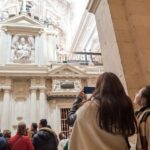
The tour moves through the towers, and you’ll quickly learn why towers were more than decoration. They’re about control: visibility, defense, and the practical advantage of watching what’s going on around you. Even if you’re not a medieval architecture expert, you can read the logic of the site when someone points it out.
Next comes the Roman sarcophagus, which is a smart reminder that Cordoba was already important long before the story this fortress is famous for. Seeing a Roman element inside later Christian and Moorish layers makes the place feel less like a single era and more like a continuous city with reused space.
If you like when history shows up in objects, not just dates, this part is for you. It’s also a good way to set your mindset: stop looking for one style, start looking for what changed.
Roman Mosaics Room: The Detail That Makes Time Stop
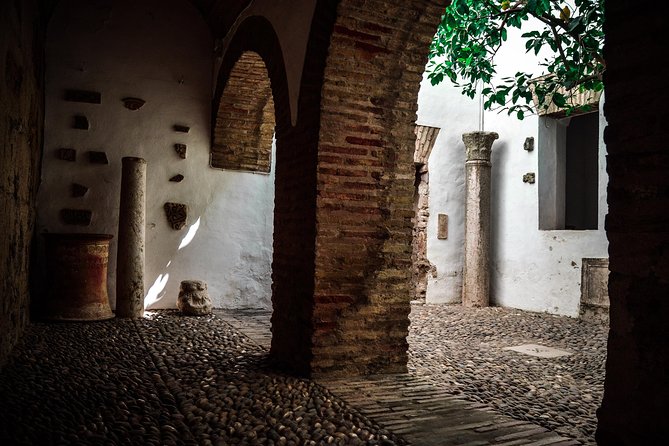
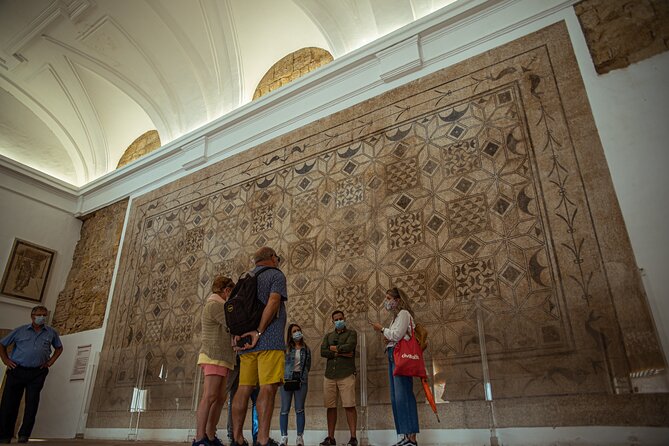
Then you get to what many people actually come for: the mosaics room. Roman mosaics are all about patience, and that patience shows in the design and craftsmanship. A guide helps you notice the patterns and the idea behind the decoration, instead of just taking a quick photo and moving on.
This is also where the tour helps you understand a common misconception. People often assume that conquest means erasing the past. At the Alcázar, you can see that older art forms and materials can survive and remain relevant, even as other groups take over and add their own layers.
If you’re the type who enjoys visual proof, spend a full moment here and let the guide’s pacing slow you down. In a busy city, that can feel rare.
Hammam Doña Leonor: Arab Baths and a Love Story With Names
One standout stop is the Hammam Doña Leonor. The bath connects directly to Alfonso XI and his lover, Leonor de Guzmán, and that personal link makes the space feel more human. It’s not just architecture. It’s a setting where court life, culture, and power all met.
The guide’s job here is valuable because this kind of room can be confusing if you only know it by a label. Baths are social spaces. They’re routine. They’re also identity. When someone explains how it fits into the bigger cultural picture, you understand why a palace includes something as specific as a hammam.
Practical tip: take your time looking at the room layout and how the space is used. Even in a quick, one-hour tour, this is the spot where you’ll be glad you paused instead of rushing.
Patio Morisco: Where Moorish Design Feels Like a Breather
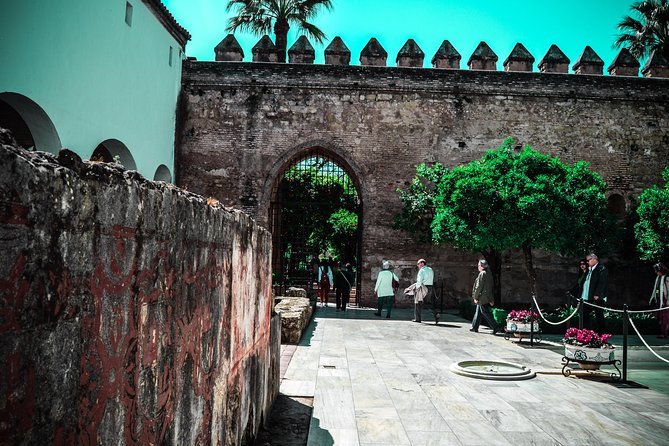
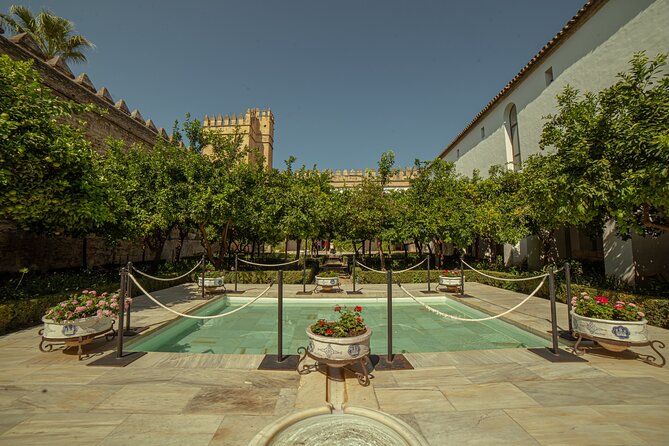
Next up is the Patio Morisco, a courtyard-style area that helps you feel the climate and the rhythm of the site. Courtyards are more than pretty geometry. They’re about light, air, and movement, and they often become the psychological reset point in complex buildings.
A guided explanation matters here because the “Morisco” label can sound like a history buzzword. With context, you see the courtyard as part of an older design language that influenced how people lived day to day. You also get a clearer sense of why the palace was built for more than just ceremonies and politics.
If you need a moment to catch your breath, this is usually it. The tour’s flow is intentionally balanced: indoor detail, then an open-air pause.


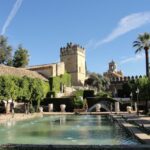
Gardens and Civil Weddings: The Part Locals Still Use
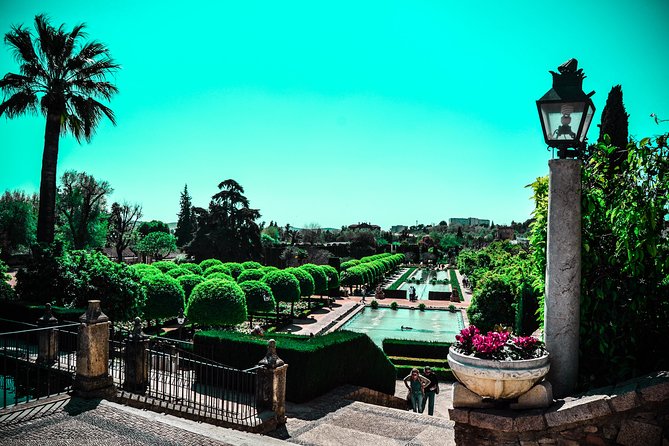
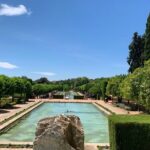
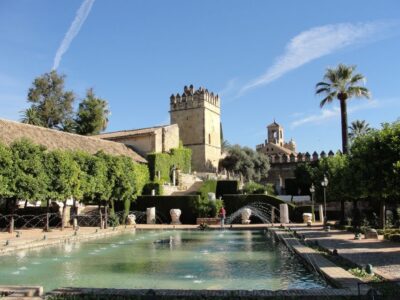
The gardens are one of the most practical reasons this stop stays popular. The gardens are the favorite place for civil weddings in Cordoba, which says a lot. This is not just a site for tourists. It’s space locals still want for real moments.
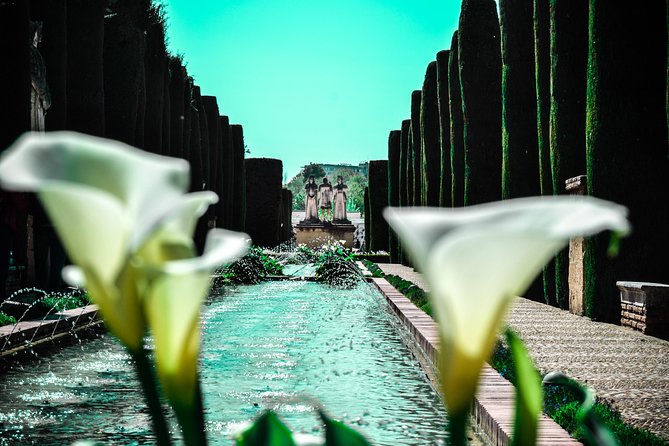
During your hour, the gardens can feel like a reward, but they also fit into the story. Gardens reflect wealth, taste, and control of atmosphere, even when the fortress around them was being used for completely different purposes. You’ll understand the contrast better when you’ve just seen Roman mosaics and an Arab bath in the same circuit.
To get the most out of this part, slow down just a touch. Let your eyes move from plants to stonework and back. The setting makes the history feel less abstract.
How the Tour Runs in 1 Hour (So You Don’t Miss the Point)
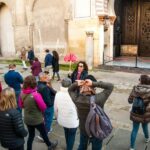
This is a 1-hour guided visit with admission included. The tour ends where it begins, which keeps things simple if you’re planning your day around Cordoba’s bigger sights.
The group size stays small enough to feel personal. The experience has a maximum of 30 travelers, and each booking has a cap of 10 people. That matters because it affects how much the guide can answer questions, and it helps you stay oriented instead of getting lost in a crowd.
I like that the itinerary is structured around clear “rooms and spaces” rather than vague wandering. You move through towers, mosaics, a Roman sarcophagus element, the Hammam Doña Leonor, the Patio Morisco, and then the gardens. It’s a tight loop designed to make a complicated building understandable fast.
You’ll want moderate physical fitness, since you’re walking and switching between indoor and outdoor areas. If you’re dealing with mobility limits, it’s worth factoring that into your planning, even though the tour is short.
Price and Value: What $19.68 Buys You Here
At $19.68 per person, this feels like a bargain if you care about interpretation. You’re not only paying for a ticket. You’re paying for a professional art historian guide and a professional guide, plus guaranteed skip-the-long-lines access.
That skip matters in real terms. The Alcázar is a popular draw, and time spent in line is time you can’t spend learning. For a one-hour experience, efficient entry is basically part of the value.
Also, the tour is built on a mobile ticket. That’s helpful on days when you’re juggling maps, snacks, and changing plans. You show the ticket, you go in, you get the narration. Simple.
If you’re deciding when to book, note that this type of tour is typically booked about 23 days in advance on average. If your dates are fixed, I’d plan ahead so you’re not hunting for availability at the last minute.
And yes, you get flexibility: free cancellation is available up to 24 hours before the experience start time. That’s enough cushion for most schedule tweaks.
Practical Tips: Meeting Point, Language Expectations, and One Red Flag
Your meeting point is Pl. Campo Santo de los Mártires, 2, Centro, 14004 Córdoba, Spain. The tour ends back at the same spot, so you can plan around it without needing a second pickup point.
On language, I recommend choosing based on your comfort level with English or Spanish-style explanations. One review praised a guide with very strong English, so if you’re an English speaker, you have a good chance of following the story well. Another review noted that limited Spanish reduced how much humor and presentation landed, so if you rely on Spanish, you’ll want to know your limits.
One outlier review raised a serious issue, saying there was a ticket validation problem and that a guide did not show, leading to repurchasing. I can’t generalize that experience, but it’s a good reason to be organized: double-check your mobile ticket confirmation right before you go, and keep your booking details handy in your phone. If anything looks off at the meeting point, address it quickly rather than waiting.
For comfort, wear shoes you trust. You’re moving through multiple areas in an hour, and Cordoba walking adds up, fast.
Who Should Book This Alcázar Tour
This tour fits best if you want history that is explained clearly and tied to specific spaces. If you like when a guide connects architecture, objects, and major events, you’ll get your money’s worth here. It’s also a good option if you’re short on time and still want to understand why this fortress is famous.
It may not be ideal if you prefer to explore entirely on your own without any structured timeline. It’s also less suitable if your priority is long, slow wandering, because the visit is designed to be efficient at about an hour.
If you enjoy learning in a lively way, that’s supported by the positive reviews highlighting entertaining storytelling. If you prefer quiet interpretation, you can still do it, but this tour is clearly built around a guide’s narration.
Should You Book This Alcázar Tour?
I’d book it if you want the Alcázar to make sense, fast. The art historian level guidance, the skip-the-line advantage, and the mix of Roman mosaics, Roman sarcophagus, and the Hammam Doña Leonor create a well-paced hour that covers both big political history and physical details you’d miss alone.
If you’re cost-sensitive and only want a basic ticket, you might feel the value depends on your interest in interpretation. But if you’re the type who reads signs and still wants context, this is the right format.
My final check before you book is practical: confirm your mobile ticket on the day, show up at the meeting point on time, and keep your booking info accessible. Do that, and you’re set up for a smooth, story-rich visit.
FAQ
How long is the guided tour at Alcázar de los Reyes Cristianos?
The tour is approximately 1 hour.
What is included in the price?
Admission is included, along with a professional art historian guide and a professional guide. Skip-the-long-lines entry is also included.
Do I need food or drinks during the tour?
Food and drinks are not included.
Where do I meet the guide?
The meeting point is Pl. Campo Santo de los Mártires, 2, Centro, 14004 Córdoba, Spain.
Does the tour include hotel pickup or drop-off?
Hotel pickup and drop-off are not included unless an additional option is selected.
How big are the groups?
The experience allows up to 30 travelers, and each booking has a maximum of 10 people.
Do I get a mobile ticket?
Yes, the tour uses a mobile ticket.
Is there a cancellation option if plans change?
Yes, you can cancel for a full refund up to 24 hours before the experience starts.
What if I am less comfortable with the tour language?
The tour is guided, and the experience you get can depend on how much of the guide’s narration you can follow. One review mentioned strong English, while another noted limited Spanish reduced how much they enjoyed the presentation.
Is this something I should book in advance?
This experience is typically booked about 23 days in advance on average.
More Tour Reviews in Cordoba
Not for you? Here's more nearby things to do in Cordoba we have reviewed






More Córdoba Tours from Seville worth a look.
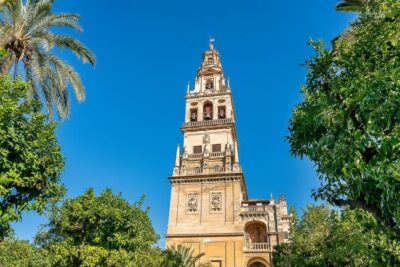 ★ 4.6Córdoba: Skip-the-Ticket-Line Mosque-Cathedral Guided TourFrom $319,634 reviews
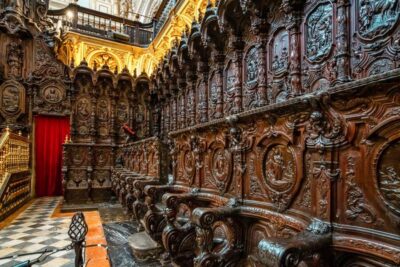 ★ 4.7Cordoba Mosque-Cathedral: Skip-the-Line Guided TourFrom $356,610 reviews
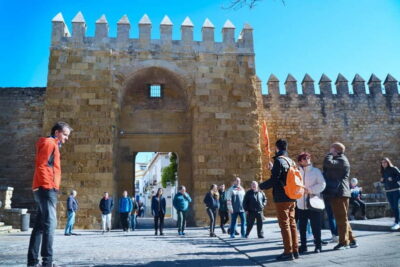 ★ 4.7Córdoba: Jewish Quarter, Mosque, and Alcázar TourFrom $504,279 reviews
 ★ 4.5Cordoba: Equestrian Show General EntryFrom $212,333 reviews
 ★ 4.1Cordoba: Mosque-Cathedral E-Ticket with Audio GuideFrom $212,124 reviews
 ★ 4.6Cordoba Mosque & Jewish Quarter Tour with TicketsFrom $401,996 reviews
 ★ 4.2Cordoba: Alcazar Guided Tour and Skip-the-Line TicketFrom $231,792 reviews
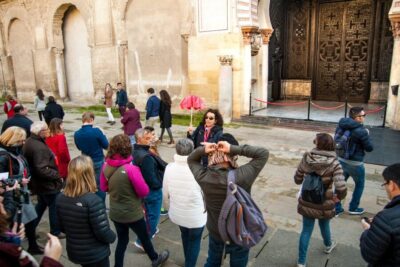 ★ 4.7Córdoba: Skip-the-Line Great Mosque-Cathedral History TourFrom $381,690 reviews
Continue by place or experience