
REVIEW · CóRDOBA TOURS FROM SEVILLE
Córdoba: Jewish Quarter, Mosque, and Alcázar Tour
Córdoba’s layers hit fast. In a 4-hour walk, you connect three big eras in one story, with guided time inside the Mezquita-Cathedral, the Judería, and the Alcázar of the Christian Kings.
I love the skip-the-line, separate entrance approach. I also like that you travel with a monolingual guide (Spanish, English, or French), so the explanations stay consistent instead of hopping between languages.
One consideration: the Alcázar has many stairs, and the tour is not suitable for mobility impairments. Add in comfortable shoes, and you’ll set yourself up to enjoy all the stops instead of rushing.
Key Points You’ll Actually Care About
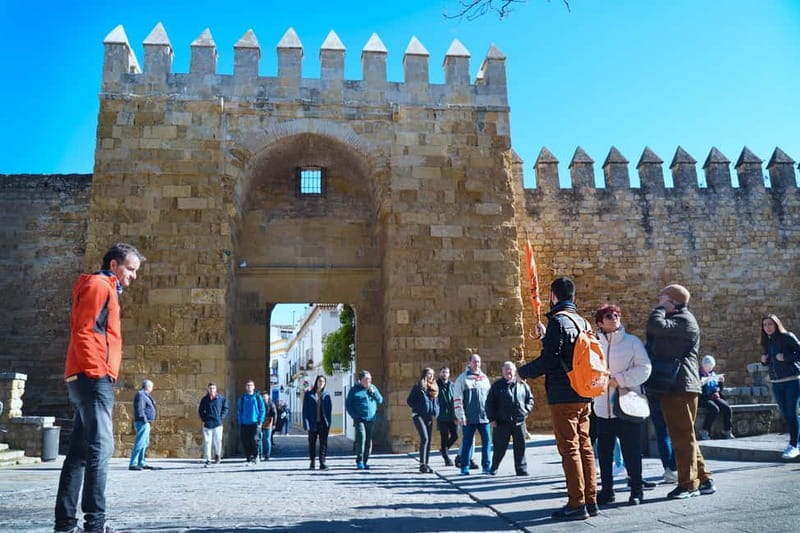
- Fast-track entry through a separate entrance to save time at major sites
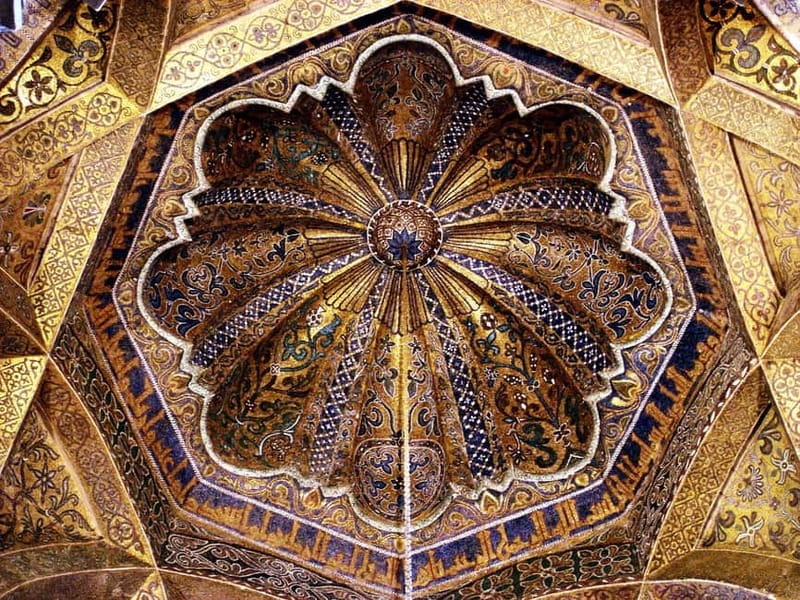
- Two-tone Mezquita-Cathedral architecture explained in plain terms, including how the cathedral was added
- Judería walk with big names, including Calleja de la Hoguera and a stop tied to Maimónides
- Souk-style lanes and historic storytelling that make the medieval quarter make sense
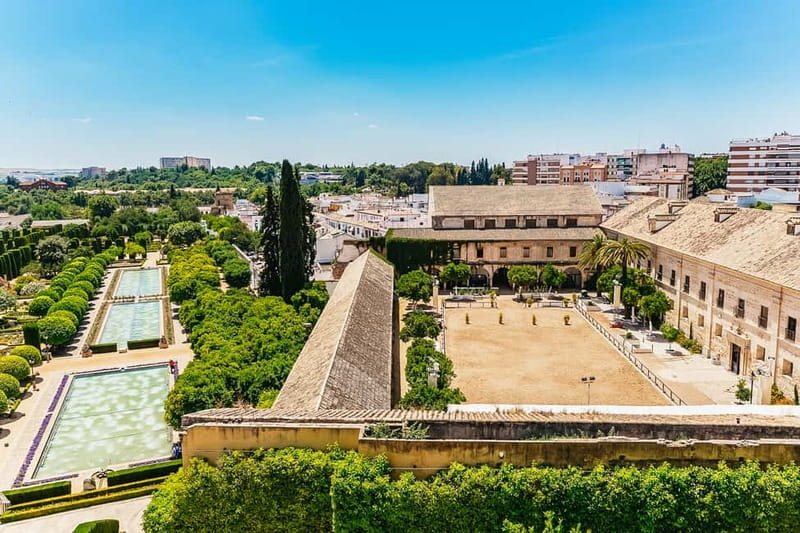
- Alcázar gardens plus palace history, but expect lots of steps
- Real-world guide impact: guides like Jaime and Rafa get consistent praise for humor and clarity
Why Córdoba’s Mosque, Judería, and Alcázar Belong Together
This tour works because it does not treat Córdoba like three separate museum stops. It frames the city as a place where religions and empires overlapped, then shows you the physical evidence still standing.
You start with the Mosque-Cathedral, where the Islamic roots are obvious in the architecture even after Christianity took over the space. Then you shift to the Judería, where the streets and legends explain daily life and community memory. Finally, you end at the Alcázar, which gives you a different kind of power story, told through walls, rooms, and gardens.
You can also read our reviews of more tours and experiences in Cordoba.
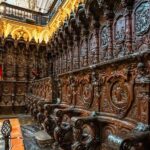
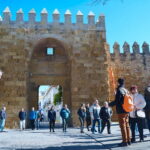
Meeting Up and How the 4-Hour Flow Really Feels
You meet at a start point tied to your option, either near the Puerta del Perdón at the Mezquita-Cathedral or at Calle Caballerizas Reales. The tour runs about 4 hours, with guided time at each major site, so you’re not trying to manage ticket lines and self-navigation while your mind is still catching up to the city.
A helpful rhythm shows up in the way the stops are arranged: the tour starts at the Mezquita-Cathedral, then moves through the Judería area, and ends at the Alcázar. If you want the easiest photos, you’ll appreciate that you’re routed through the places with the highest visitor flow first, before the day’s crowd pressure peaks.
Also plan for a short pause after the Mosque-Cathedral, which some groups find a welcome breather. You’ll still be walking, but it keeps the momentum from turning into a marathon.
Entering The Mezquita-Cathedral and Understanding the Two-Tone Look
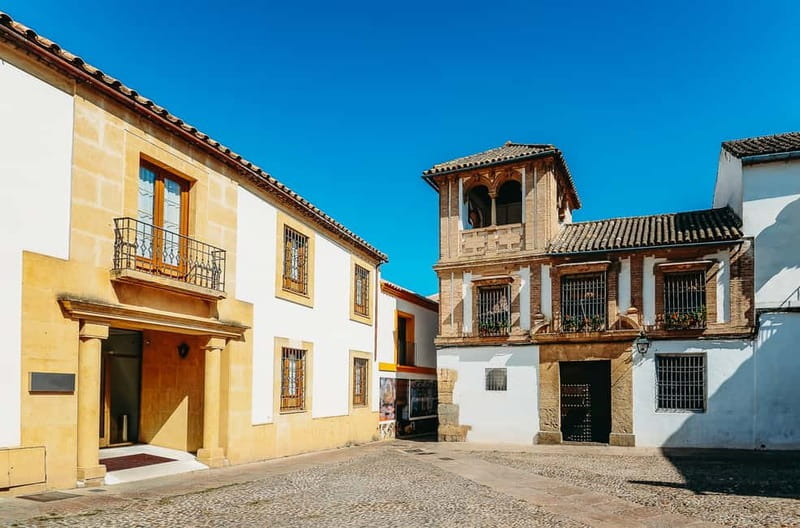
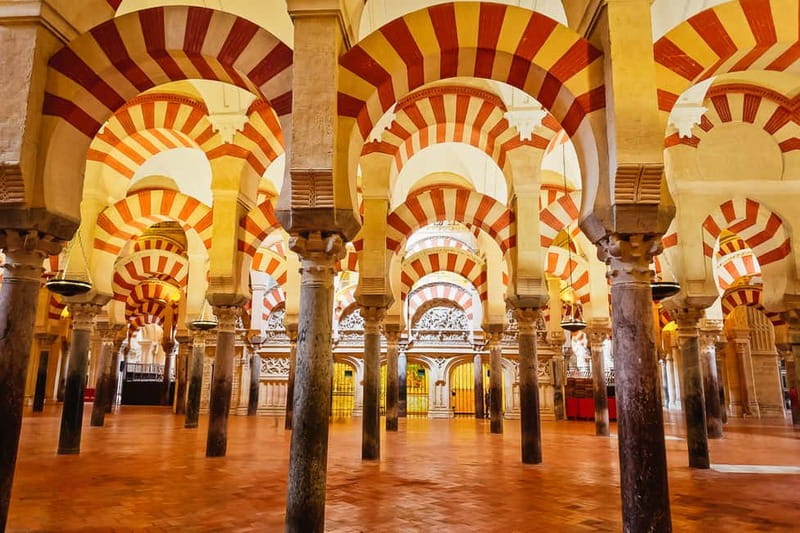
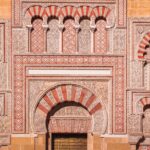
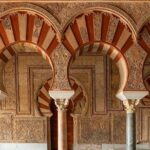
This is the headliner for a reason. The Mezquita-Cathedral is famous for its two-colored arches, and the guided visit gives you the key sight-lines and architecture to actually read what you’re seeing.
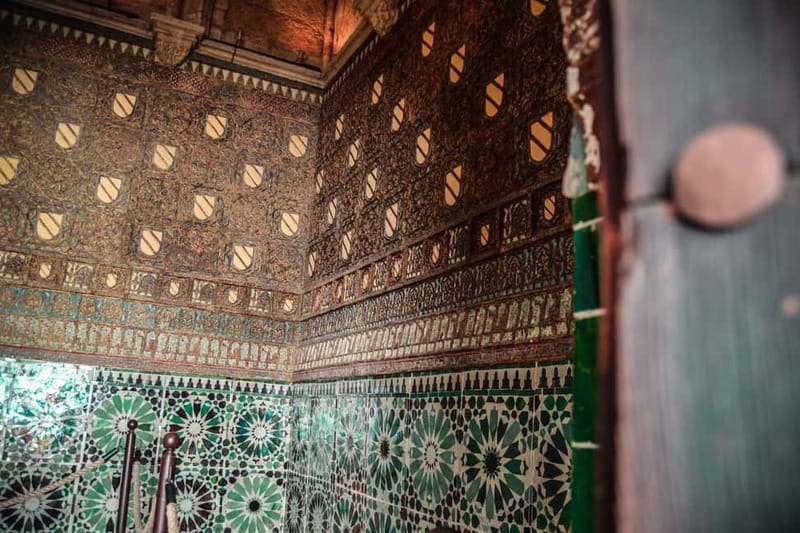
Your guide explains the space as an evolving monument, not a frozen photograph. You’ll get the story behind how the cathedral was added inside the mosque, so you can look at the same walls and understand why some parts feel distinctly Islamic in form while others shift toward Christian-era additions.
What I like about doing this with a guide is that you don’t have to be an art historian to notice patterns. You walk in, look up, and suddenly the building makes sense as a layered design.
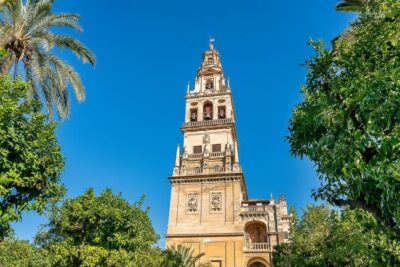
Practical note: the Bell Tower of the Mosque-Cathedral is not included, so if you love getting the best views from above, you may want to plan that separately.
The Judería Streets, Calleja de la Hoguera, and Maimónides
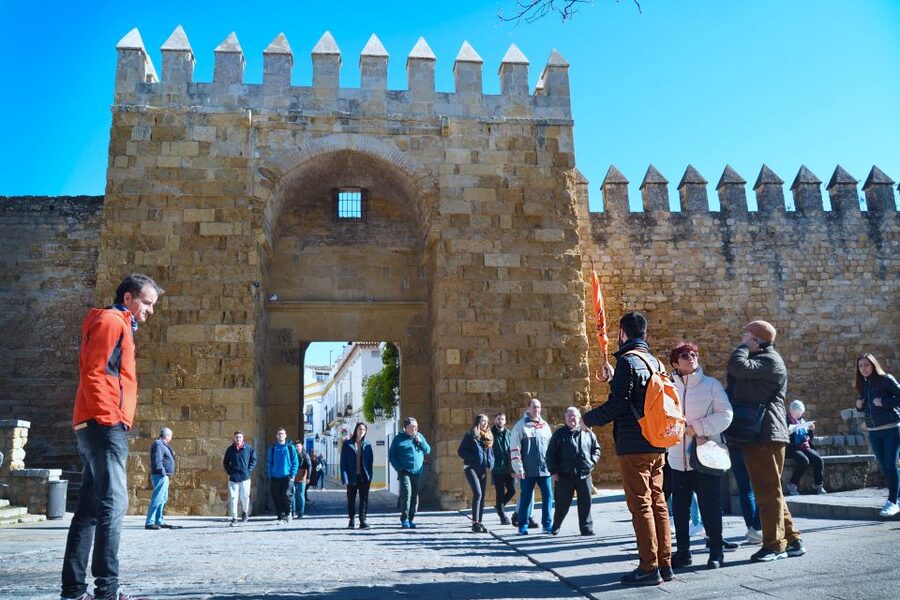
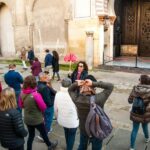
After the Mezquita-Cathedral, you move into the Jewish Quarter in a way that feels like stepping into the city’s medieval mind. The Judería is Córdoba’s most famous historical quarter, and the tour focuses on the narrow lanes and the stories tied to them.
One of the most specific stops is Calleja de la Hoguera. Your guide uses this street to explain the origins of Jewish culture in Spain and why that history matters to Córdoba. It’s one of those moments where the guide turns “a little alley” into a meaningful piece of the city.
You also get time tied to a **sou
k-style area and a statue of Maimónides**. Even if you’ve heard the name before, a guided stop helps you connect it to the neighborhood’s historical context instead of treating it like a random photo spot.
The payoff here is interpretation. You’re not just looking at old stone, you’re learning how the quarter’s layout and landmarks connect to people, culture, and memory.
Iglesias Fernandinas and the One-Request Ticket Detail
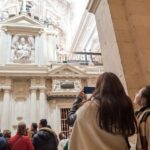
A quiet advantage of this tour is that it includes entry to Iglesias Fernandinas. That matters because it adds another layer to your understanding of how the same area shifted over time.
There is one very practical rule to know: if you want to visit Iglesias Fernandinas, you must request your ticket from your guide before the end of the visit. If you miss that moment, you will not be able to enter the churches because the guide will not be able to return the tickets later.
So, when your guide mentions that optional stop, decide quickly. If you’re the type who likes to see how architecture and faith traditions changed on the ground, ask for the ticket on time.
Alcázar of the Christian Kings: Gardens, Power, and Stairs

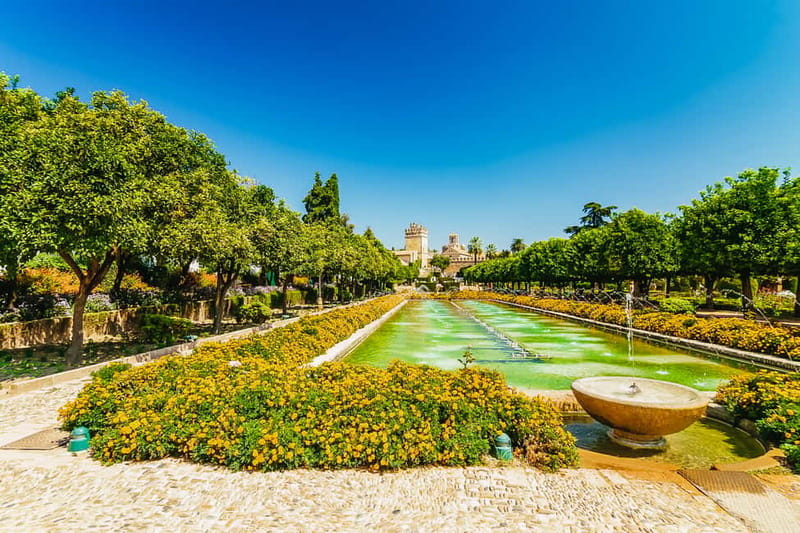
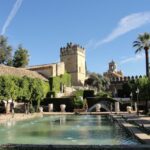
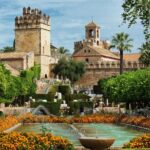
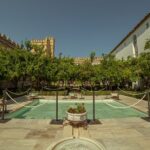
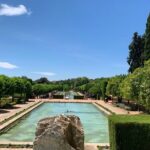
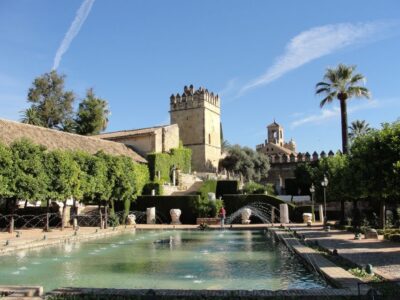
You finish at the Alcázar of the Christian Kings, where Córdoba shifts from story-rich quarters to palace-scale history. The visit includes guided time in the Alcázar, and a major highlight is the gardens, which give you a calmer pace after the density of the old streets.
This stop also tends to make the city feel political and strategic. You’ll learn the importance of the monument in Córdoba’s history and the different roles it played, which helps you understand why it was built and why it mattered.
The big consideration is physical. The Alcázar contains many stairs, so comfortable shoes are non-negotiable, and you’ll want to pace yourself. If you know you struggle on steps, this is the part where your enjoyment will depend on how you manage the climb.
Fast-Track Entry, Audio Headsets, and Monolingual Guides
Skip-the-line access is one of the strongest value drivers here. You use a separate entrance at the big sights, which helps you spend more time listening and looking instead of waiting.
Another smart detail is that the tour uses audio equipment for groups larger than 10. That can make a big difference in outdoor sections and busy interiors, especially when crowds make it hard to hear a guide over background noise.
One caution: in some cases, headsets have had buzzing or interference that affected sound quality. If you feel the audio is off, speak up early so staff can help you adjust what you’re using.
Language consistency also matters. The tour is offered in Spanish, English, and French, and you travel with a guide who stays in one language, which is a big deal when you’re paying for guidance rather than just entry tickets.
Finally, guide quality can swing the whole experience. The most praised names include Jaime, Rafa, Lalo, Suzanne, and Raphael, with frequent praise for humor and making history feel understandable. If you get Jaime, there’s a good chance you’ll be grinning while you learn.
Pacing, Group Size, and What You Might Want to Do On Your Own
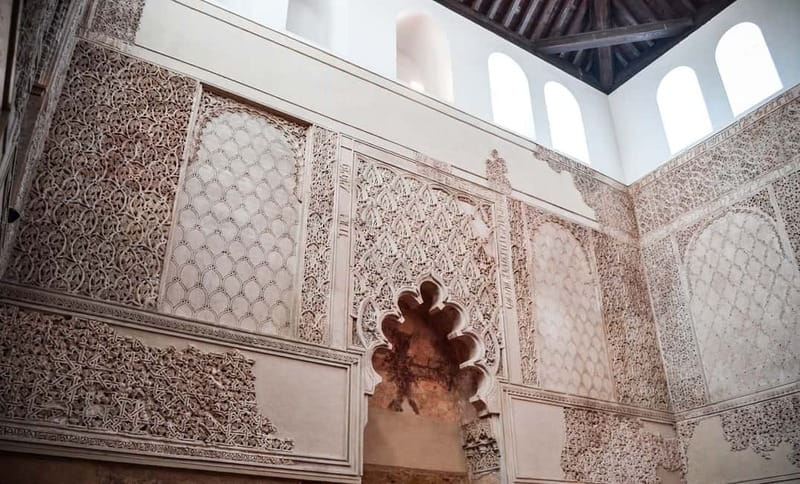
This tour is long enough to feel complete, but short enough that you’re not trapped. You get guided time at the Mosque-Cathedral, the Judería, and the Alcázar, including key landmarks and stories at each site.
Still, it can feel like a lot if you prefer slow travel. Some groups note the tour can be large, though guides do a job of managing the movement so you’re not constantly stuck behind people.
Because it’s a focused route, you won’t see every single corner of each monument. A good example is the Mosque-Cathedral Bell Tower, which is not included. If views from the top are a must for you, plan that add-on for a separate time window.
Also, note that some groups experience a guide change during the tour, which can slightly affect the flow, especially if you are sensitive to language strength. The upside is that both guides are frequently described as prepared and engaged.
What This Tour Costs, and Why $50 Can Be Good Value
At about $50 per person for a roughly 4-hour guided experience, you’re paying for three things:
- Three major entries bundled together
- Fast-track skip-the-line access at key sights
- Interpretation, so the buildings and streets mean something
If you tried to piece it together alone, you’d spend time figuring out the order, buying tickets, and negotiating the busiest entrances. Here, the structure is doing part of the work for you.
What pushes value even further is that it’s not just a sightseeing walk. You get narration that explains the “why” behind what changed over time, which is what makes Córdoba memorable.
Who This Tour Suits Best
This is a great fit if you want a guided hit of the essentials without losing a whole day. It’s also a strong choice if you like history that’s tied directly to the physical space, not just a lecture from the sidewalk.
You’ll enjoy it most if you:
- Are comfortable walking between stops
- Want guided time in the Mosque-Cathedral and Alcázar, not just quick entry
- Like learning the meaning behind landmarks, like Calleja de la Hoguera and the Maimónides stop
One more reality check: it is not suitable for people with mobility impairments, and strollers are not allowed. Hats are also not permitted, so plan your sun strategy with that in mind.
Should You Book This Córdoba Mosque, Jewish Quarter, and Alcázar Tour?
Book it if you want the best of Córdoba in a way that’s structured, time-saving, and story-driven. The fast-track entry and the guided explanations make it feel like you’re saving energy for the moments that count.
Don’t book it if you need a low-stairs plan or you hate crowded environments, because the Alcázar includes many stairs and the tour can involve larger groups.
If your goal is to understand how Córdoba’s Islamic, Jewish, and Christian chapters overlap in real places, this tour is a very practical way to do it.
FAQ
How long is the Córdoba Mosque, Jewish Quarter, and Alcázar Tour?
It lasts about 4 hours.
Are skip-the-line tickets included?
Yes. You get skip-the-ticket-line access through a separate entrance.
What stops are included in the tour?
You’ll visit the Mosque-Cathedral, the Jewish Quarter, and the Alcázar of the Christian Monarchs. Entry to Iglesias Fernandinas is also included.
Is the Bell Tower of the Mosque-Cathedral included?
No, entry to the Bell Tower is not included.
What languages are available for the live guide?
Live guide language options are Spanish, English, and French.
Is it suitable for mobility impairments?
No, it is not suitable for people with mobility impairments, and the Alcázar has many stairs.
More Tour Reviews in Cordoba
Not for you? Here's more nearby things to do in Cordoba we have reviewed



More Córdoba Tours from Seville worth a look.
 ★ 4.6Córdoba: Skip-the-Ticket-Line Mosque-Cathedral Guided TourFrom $319,634 reviews
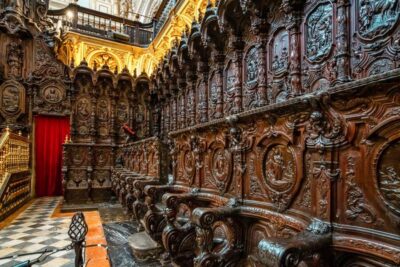 ★ 4.7Cordoba Mosque-Cathedral: Skip-the-Line Guided TourFrom $356,610 reviews
 ★ 4.5Cordoba: Equestrian Show General EntryFrom $212,333 reviews
 ★ 4.1Cordoba: Mosque-Cathedral E-Ticket with Audio GuideFrom $212,124 reviews
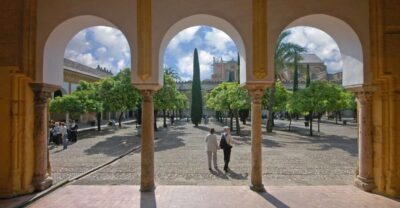 ★ 4.6Cordoba Mosque & Jewish Quarter Tour with TicketsFrom $401,996 reviews
 ★ 4.2Cordoba: Alcazar Guided Tour and Skip-the-Line TicketFrom $231,792 reviews
 ★ 4.7Córdoba: Skip-the-Line Great Mosque-Cathedral History TourFrom $381,690 reviews
 ★ 4.5Mosque-Cathedral of Córdoba Guided Tour with TicketsFrom $331,649 reviews
Continue by place or experience