
REVIEW · ANDALUSIA DAY TRIPS
Castle of Baños de la Encina
Stone towers, real history, quick and worthwhile. In just 45 minutes at Castillo de Baños de la Encina, you get a local guide who explains the site’s story clearly, and you experience it with a small group capped at 25 people.
What I like most is the blend of big-picture history with on-site details, including what archaeologists uncovered during recent excavations. One thing to consider: this visit works on good weather, and 45 minutes moves fast, so it suits quick history fans more than long wanderers.
Key takeaways before you go
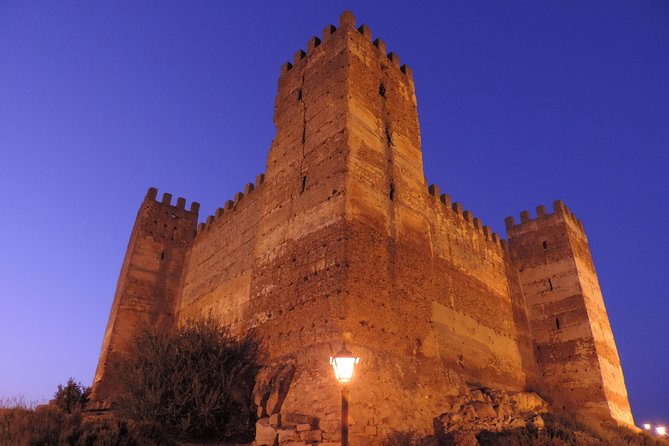
- Almohad-era fortifications in standout shape you can actually see up close
- A wall with fourteen towers plus an extra Christian tribute tower
- A site with layers, from Copper Age traces to Iberian walls and later Almohad urban life
- Recent excavation remains explained on-site, not just pointed out from a distance
- Small-group pacing, so you’re not swallowed by a crowd
- Mobile ticket entry makes the start simple, at Calle Sta. María, 1
Castillo de Baños de la Encina: why this fortress is worth your time
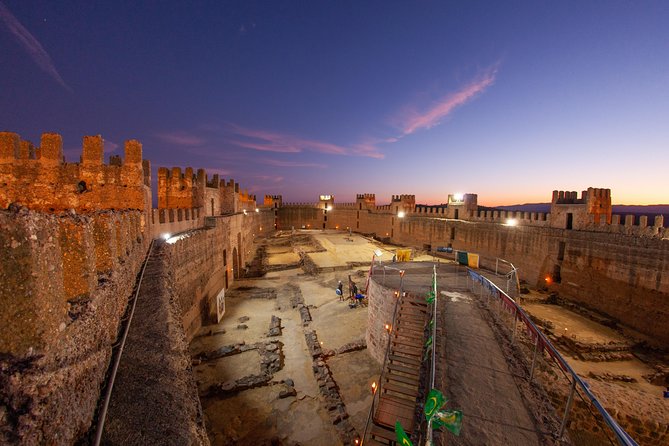
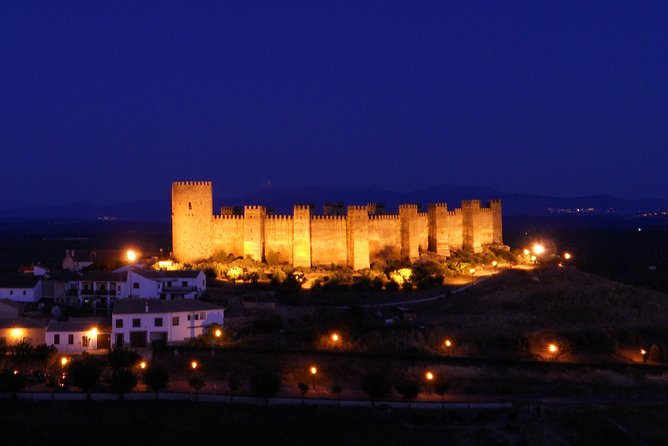
If you want an “easy yes” stop in Andalucía, this is it. Castillo de Baños de la Encina is one of those places where the setting helps, but the main event is the structure itself. The castle dominates the rural town of Baños de la Encina, with a strong, crenellated wall and a skyline full of towers.
This is not a museum, and it’s not a slow, all-day circuit. It’s a focused, guided walk that lasts about 45 minutes. That short length is a feature, not a flaw, especially if you’re trying to fit real history into an active travel schedule.
I also appreciate what the tour is aiming for: history from construction to the castle’s loss by the Muslims, plus the archaeological remains uncovered in recent work. That means you’re not only hearing dates and rulers. You’re connecting the physical place to the timeline, and you’re seeing how later eras built on earlier layers.
You can also read our reviews of more tours and experiences in Andalucia.


What you’ll notice first: towers, walls, and the feel of defense
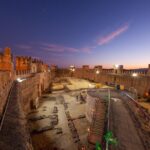
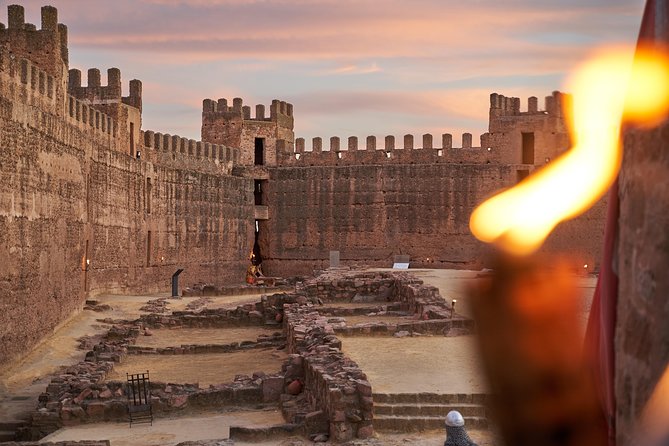
When you arrive, your eyes go straight to the castle’s silhouette. The fortified complex includes a robust wall with fourteen towers, topped with battlements that make the whole site look built for control. On top of that, there’s a fifteenth or Christian Tower of Tribute, adding a second architectural “chapter” on the same dramatic outline.
That mix is a big part of why the tour is satisfying. Instead of treating the castle like one uniform thing, you start noticing transitions. The fortifications feel like a living record of shifting power, and the guide’s explanations help you read what you’re seeing.
Another plus is the preservation. The site has hardly suffered damage, which matters because it makes interpretation easier. When stones still stand the way they were meant to, you can understand the defensive logic. You’re not relying only on imagination.
The history thread the guide connects in 45 minutes
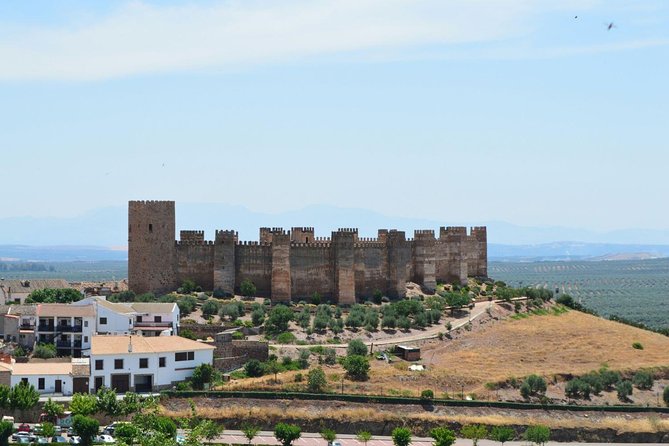
In a tour this short, the best guides do one thing well: they give you a clean story arc. Here, the focus is a timeline that starts with early occupation and moves forward through the Almohad period.
You begin with the idea that even before the Almohads, the site was already important. The first vestiges of occupation appear as far back as the Copper Age, which sets a long view. Then you hear about Iberian walls and a funerary mausoleum with a sacred character found in the interior. That’s a striking shift from defense to ritual space, and it helps you understand the site as more than a military installation.
Then the story becomes the Almohad urban complex, linked to the 12th century. This is where Castillo de Baños de la Encina really earns its reputation. It’s described as one of the best preserved fortified complexes of the Almohad era and also among the best preserved Muslim castles in Spain.
Finally, the tour brings you to the later chapter: the castle’s loss by the Muslims. You’ll tie the physical changes and the layered presence of eras to this transition. Even if you’re not a hardcore history person, this “construction to loss” framing makes the castle feel purposeful, not random.
Archaeology you can picture: the recent excavation angle
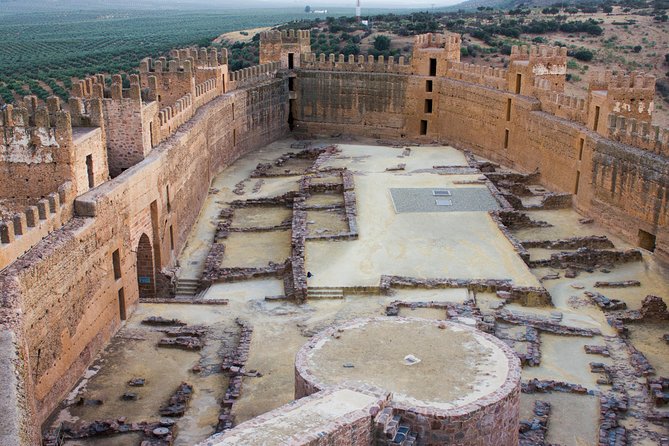
One of the most practical reasons to choose a guided visit is simple: it turns artifacts and traces into a narrative you can follow. This tour includes archaeological remains found in recent excavation, and that matters because it closes the gap between what’s standing and what’s been discovered beneath and around it.
I like that the tour doesn’t stop at dramatic architecture. It talks about the remains inside the castle complex too, where you find those earlier Iberian walls and the funerary mausoleum. That kind of detail is exactly what makes a guided visit feel more valuable than a self-guided look.
Here’s what to expect from the archaeology focus, in plain terms. You’ll be shown how the site evolved: older sacred or domestic spaces give way to later urban organization. That helps you picture the castle as a place where people lived, managed space, and built over time, not only a wall you stand outside of and photograph.
If you’re the kind of traveler who loves “how do they know,” archaeology explanations scratch that itch. You’re hearing what was found, and you’re learning why it supports the story the guide is telling about occupation and transformation.
The route inside the fortified complex: how to follow without rushing
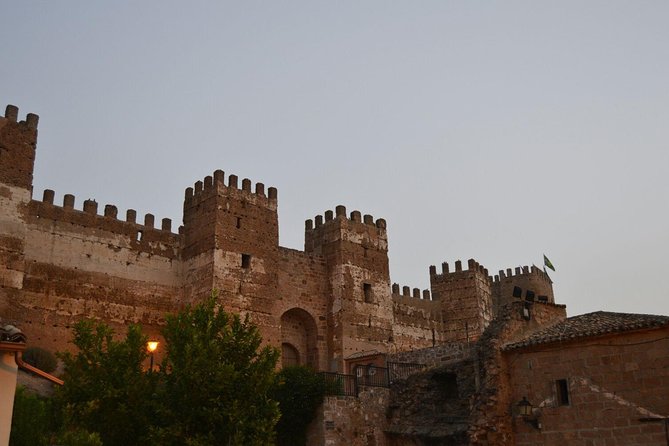
The tour has one main stop, the castle itself, and it ends back at the meeting point. So your experience depends on how you use that time inside the complex.
With a 45-minute length, you’ll want to do two things. First, listen for transitions in time periods. The story moves from Copper Age clues to Iberian structures, then to the Almohad 12th century complex, and finally to the later Christian-era presence reflected in the tribute tower. If you catch those “when,” you’ll suddenly understand why certain areas are emphasized.
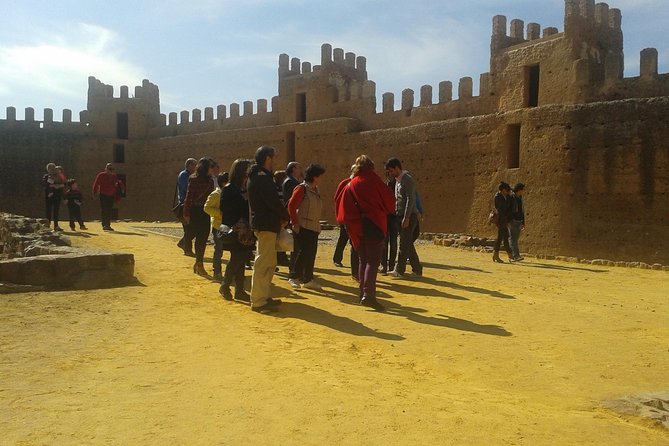
Second, keep your eyes working while you listen. Look at the walls and towers while the guide talks about defense and preservation. When the explanation shifts to earlier occupation and sacred spaces, look toward the interior areas the guide points out, even if you can’t fully “see” everything beneath the surface. The guide is essentially teaching you how to read the site.
Because the group limit is up to 25 travelers, it’s not usually a stampede. You should still be able to ask a quick question if something clicks late. And that small-group factor often makes the story feel more human and less like a timed lecture.



Price and value: what $7.49 buys you in real terms
Let’s talk value, because this is where it stands out. The price is $7.49 per person, and that’s remarkably low for a guided experience that includes historical interpretation and archaeological context.
You’re paying for three things:
- A guide who connects the structure to a timeline
- On-site explanations tied to remains from recent excavation
- A small-group format that keeps the experience focused
The time is also a value signal. At about 45 minutes, you’re getting a concentrated dose of history without paying for a half-day you might not fully use. If your day already includes other stops around Jaén or Andalucía, this kind of short guided visit is a smart “anchor” activity.
The biggest hidden value is clarity. One review highlight was that the guide made the history explanation amena and engaging. When a guide is good, a short visit feels longer because you understand more.
Weather, pace, and what to do if your day changes
This experience requires good weather. That’s not just boilerplate. A fortress visit often means spending time outdoors, and stone sites can be slippery or uncomfortable in poor conditions.
If the weather isn’t great, the operator offers a different date or a full refund. The key for you is to plan this as a flexible moment in your day. Don’t schedule it as the only activity you can’t miss.
Also remember the pace. Forty-five minutes is plenty for a tight overview, but it’s not enough for a slow, lingering “I’ll just stand here and think” kind of visit. If you’re aiming for photos plus deep reading, you may want to add extra independent time before or after the guided portion, if your schedule allows.
Who this tour is best for
This guided castle visit is a strong match if you want history that feels grounded in what you can see. It’s also ideal if you prefer short, structured experiences that don’t eat your whole day.
You’ll likely enjoy it most if:
- You like guided interpretation more than solo wandering
- You’re curious about the Almohad era and how Muslim castles were built and preserved
- You want a quick way to understand layered occupation, from prehistory to later urban life
- You appreciate archaeology explanations, not just architecture
If you’re the type who wants to spend hours studying details on your own, you might find the time limit a bit tight. But even then, it can work well as an orientation visit that makes your later self-guided exploring far more meaningful.
How to prepare so you get more out of those 45 minutes
You can’t control the weather, but you can control your readiness. I’d plan for:
- Comfortable walking shoes, because castle sites can involve uneven footing
- Sun protection if skies are clear, since you’ll be outside in open areas
- A phone or camera ready for wide shots of the wall and tower silhouette
Most importantly, arrive with one question in mind. For me it would be: how does the site move from sacred early use to fortress life, then to later shifts in power? A guided tour is like a guided lens, and having a question makes the story stick.
Should you book the Castle of Baños de la Encina tour?
I think you should book it if you want a short guided history stop in Andalucía that pays off fast. At $7.49, you’re getting a real guide-led explanation of the castle’s Almohad fortifications, the layered occupation history, and archaeological remains from recent excavations, all with a small-group feel.
Don’t book it if your goal is a long self-paced visit where you can wander for hours without a tight timetable. Also avoid making it an all-or-nothing plan if the forecast looks unstable, since the experience depends on good weather.
If you want a practical way to understand why Castillo de Baños de la Encina is considered one of the best preserved Almohad fortifications in Spain, this is one of the easiest ways to do it.
FAQ
How long is the Castle of Baños de la Encina guided tour?
The tour lasts about 45 minutes.
What is the price for the experience?
The price is $7.49 per person.
Do I need a printed ticket?
No. You use a mobile ticket.
Where does the tour start?
It starts at Castillo de Baños de la Encina, Calle Sta. María, 1, 23711 Baños de la Encina, Jaén, Spain. It ends back at the meeting point.
How large is the group?
The tour has a maximum of 25 travelers.
Is the tour dependent on weather?
Yes, it requires good weather. If it is canceled due to poor weather, you will be offered a different date or a full refund.
What is the cancellation window?
You can cancel for a full refund if you cancel at least 24 hours before the experience’s start time. If you cancel less than 24 hours before, the amount you paid is not refunded.
More Tour Reviews in Andalucia
Not for you? Here's more nearby things to do in Andalucia we have reviewed






More Andalusia Day Trips worth a look.
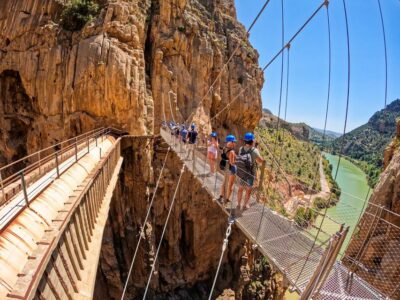 ★ 4.6Caminito del Rey: Entry Ticket and Guided TourFrom $348,149 reviews
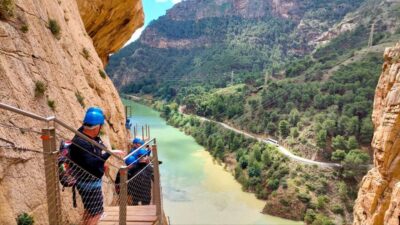 ★ 4.9Nerja, Torrox, or Torre del Mar: Caminito del Rey Day TripFrom $81762 reviews
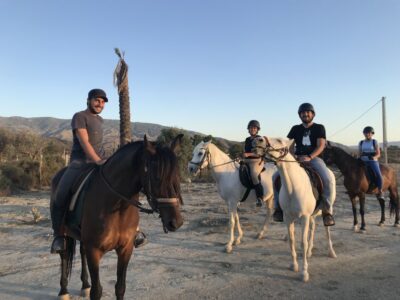 ★ 4.9Almeria: Horse Riding Tour Through the Tabernas DesertFrom $53406 reviews
 ★ 4.5From Malaga: Seville Day Trip and Optional Monument TicketsFrom $44340 reviews
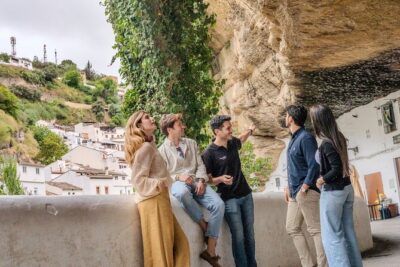 ★ 5.0Ronda, Setenil and Sevilla Small Group Tour from MalagaFrom $118334 reviews
From Málaga: Caminito del Rey Day Trip by BusFrom $85317 reviews
★ 5.0Ronda, Setenil and Sevilla Small Group Tour from MalagaFrom $118334 reviews
From Málaga: Caminito del Rey Day Trip by BusFrom $85317 reviews
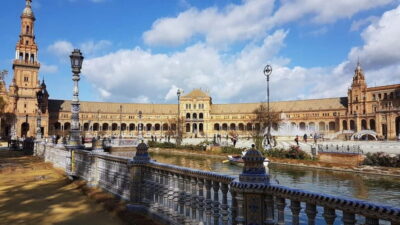 ★ 4.3From Malaga: Seville Day Trip with Real Alcázar TicketsFrom $42280 reviews
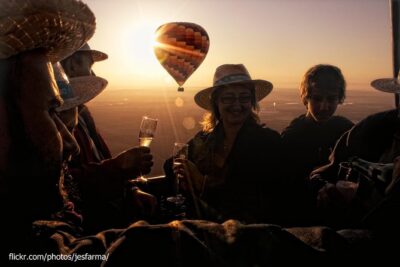 ★ 5.0Seville Hot-Air Balloon Ride with Breakfast, Cava & Hotel Pick upFrom $284184 reviews
Continue by place or experience