
REVIEW · CóRDOBA TOURS FROM SEVILLE
Cordoba: Alcázar de los Reyes Cristianos 1-Hour Guided Tour
Córdoba’s Alcázar compresses centuries into one walk. I love the skip-the-line entry that keeps a tight 1-hour tour from feeling rushed, and I also love how the route focuses your eyes on a few big-ticket sights instead of trying to cover everything. You get an official guide, plus an audio guide for extra support if you want it.
What really works for me is the mix of worlds inside the walls, from Roman mosaics to Moorish palace spaces to a very human story in the women’s courtyard. The gardens at the end are a nice payoff, especially when you want something beautiful without needing extra sightseeing days. The only drawback to watch is that this is not a slow, linger-at-every-corner kind of visit, and it is not recommendable for mobility issues.
If you’re ready for a focused hour, you’ll leave feeling like you understand why this place mattered, not just what it looks like.
Key highlights in 5 stops worth knowing
- Skip the line so you spend time inside, not waiting at the entrance
- Hall of Mosaics with pristine Roman mosaics uncovered in Corredera Square
- Columbus permission tower moment, a specific spot tied to his Atlantic plans
- Patio de las Mujeres, linked to the alcázar’s later use as a women’s prison
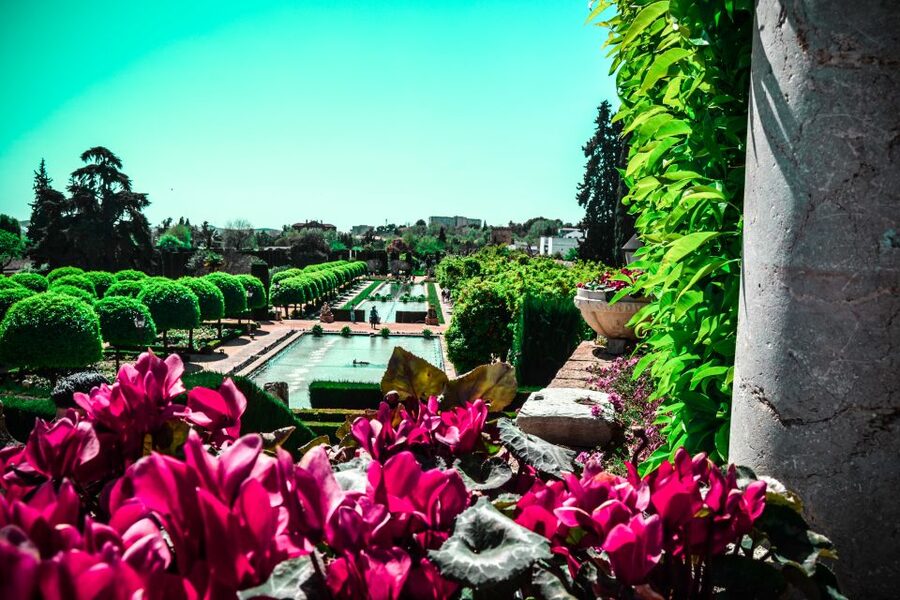
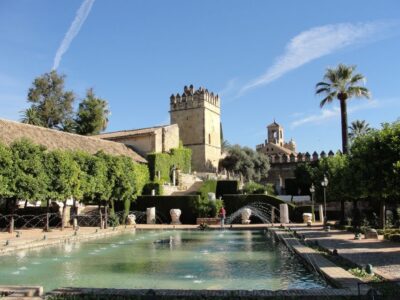
- Fragrant gardens with flowers and fountains to close the tour on an easy note
Entering Alcázar de los Reyes Cristianos with time on your side
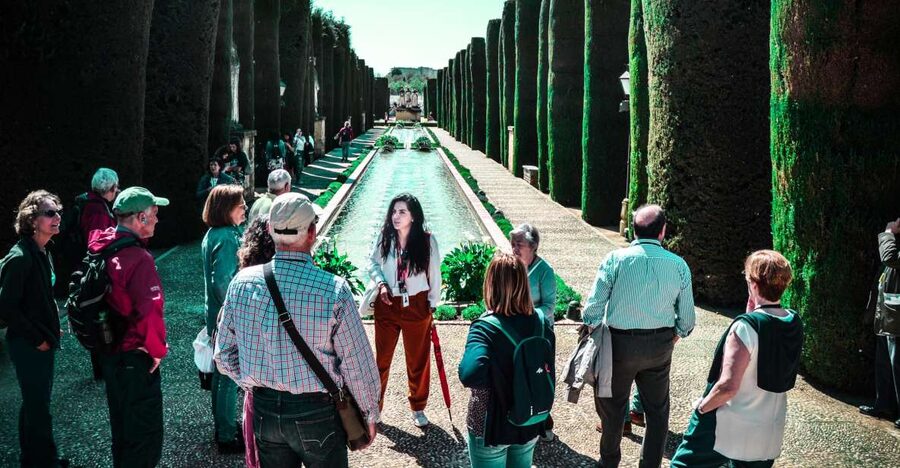
A 1-hour guided tour can either feel like a sprint or it can feel like smart triage. This one leans toward the second option because the visit is designed around a handful of high-impact areas that explain the site’s bigger story.
For me, the best part is that the tour includes your tickets, so you avoid the extra step of figuring out what to buy and where. Add the skip-the-line access, and you get a smoother start, which matters in Córdoba where you can easily waste energy just standing still.
The setting also helps. The alcázar is not a museum that asks you to sit back and look. It is a lived-in-feeling building, with courtyards and rooms that change the mood as you move through them. In that short hour, you still get a sense of how palace life, prison life, and military use all left their mark.
One consideration, though: if you need a slow pace, this will feel short. Strollers must be left at the entrance, and the tour is not recommendable for those with mobility issues, so it’s best to choose it when walking is realistic for you.
You can also read our reviews of more tours and experiences in Alcazar Of The Christian Monarchs.
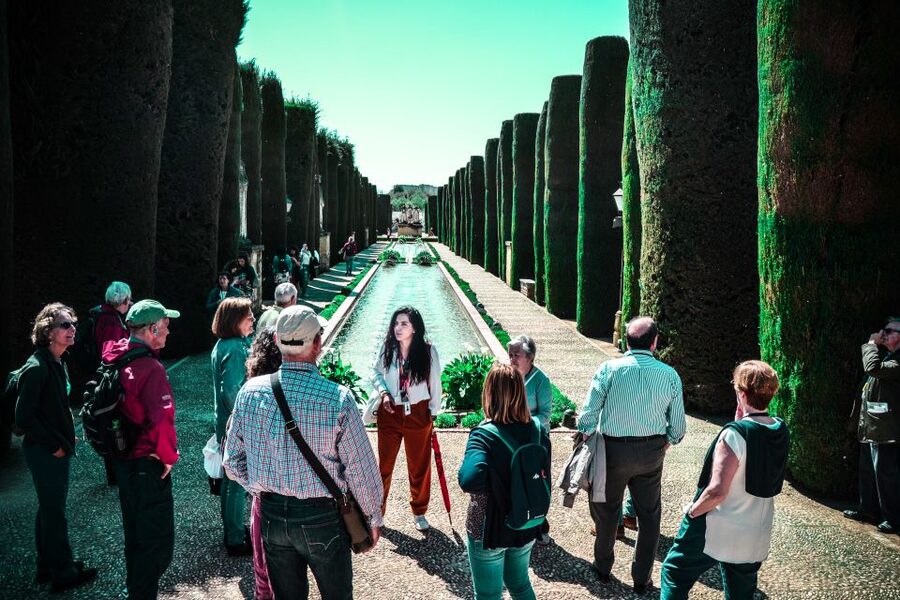
Meeting your guide at the Torre de los Leones (find the orange umbrella)
You meet your guide with an orange umbrella in Calle Caballerizas Reales, right in front of the Torre de los Leones. That’s a gift for first-timers because you know exactly what landmark anchors the meetup.
If you arrive early, good. If you arrive right on time, also fine, but I’d still give yourself a small buffer to find the correct spot. This kind of timed, skip-the-line entry works best when everyone is there together.
Also, it’s an easy area to navigate in theory, but Córdoba’s streets can surprise you with turning corners and tight crossings. A quick lap before the meeting time can save stress and keep your hour feeling like an hour, not a frantic hunt.
Inside walls built in 1328: Moorish palace, later jail and military base
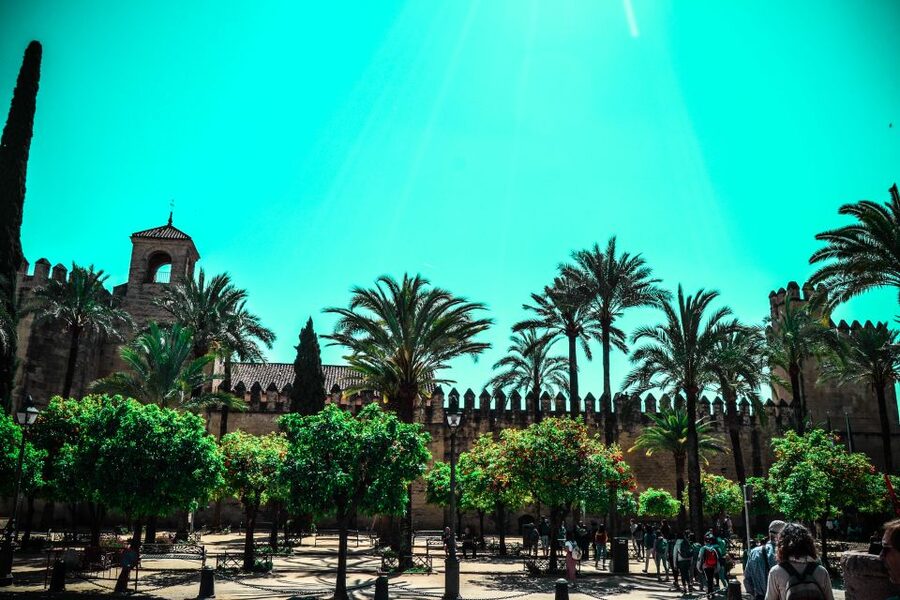
The alcázar dates to 1328, built by Alfonso XI of Castilla. Even if your Spanish is basic, you can feel what that means: this is a place where rulers and power changed hands, and the building kept adapting.
I like starting with that historical frame because it changes what you see next. A Moorish-style castle or palace courtyard is not just decorative. In this case, the ensemble was later used as a jail and military base, which means the same spaces that once supported royal life later supported confinement and operations.
That kind of timeline is one reason an hour guided tour can be worth it. Without a guide, you might notice the architecture and mosaics, but you can miss how the site’s purpose evolved.
You’ll walk through ancient walls, medieval chambers, and areas that show off that palace-castle hybrid feeling. Expect a compact route that still helps you connect the dots between architecture and power.
Roman mosaics in the Hall of Mosaics, plus the Corredera Square connection
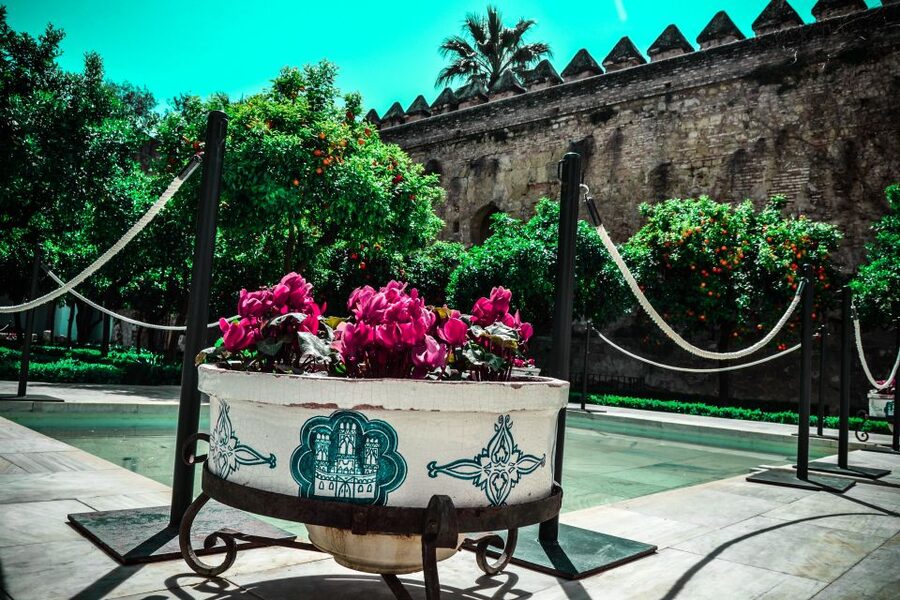
One of the headline stops is the Hall of Mosaics. This room is famous for Roman mosaics, with pieces that were uncovered in Corredera Square in Córdoba.
I appreciate this stop because it’s concrete. Instead of only hearing broad legends, you’re looking at preserved art objects, and the guide helps you place them in the city’s layers. It also explains why Córdoba can feel like it has multiple cities stacked together. Roman Córdoba left art like this behind, and centuries later, Moorish and Castilian eras built and used their own structures on top of it.
The mosaics also act like your visual reset button during the tour. You go from chambers and corridors to a room that centers on pattern and craftsmanship, which makes the hour feel more balanced.
In short, this is a strong use of your time. If you only cared about photos, you might skip the storytelling. But if you want meaning with your sightseeing, the mosaics are the easiest place to get it fast.
The Columbus permission story: standing where the Atlantic plan began
This alcázar isn’t only about architecture and ancient art. It also includes a very specific legend tied to Christopher Columbus.
The tour has you stand in a tower where Columbus stood when he first asked permission to traverse the Atlantic and find a route to India. That detail turns the building into a stage, not just a structure.
To me, that is exactly the kind of moment you want on a short guided visit. You walk out with one clear story thread you can carry with you while exploring the rest of Córdoba later. If you’re the kind of traveler who likes to understand why a famous name is connected to a specific spot, this stop is a good match.
Even if you approach the Columbus element with a modern, curious mindset, the guide’s context helps you see why this connection is told here. It gives the site a bridge between local history and larger European maritime ambitions.
Patio de las Mujeres: a courtyard tied to the alcázar’s prison era
Another major stop is the Patio de las Mujeres, or Women’s Courtyard. According to the tour description, this dates back to when the alcázar served as a women’s prison.
This is the part of the tour where the experience gets more serious. It can also be the part people remember most, because it’s not just about what the building looks like. It’s about how those walls and spaces were used.
A courtyard like this is especially powerful on a guided route because the guide can connect the physical setting to the human reality of imprisonment. In a short 1-hour format, you don’t get a slow, museum-style lecture, but you do get enough guidance to make the site’s darker chapter feel real, not abstract.
I also think it’s a smart inclusion. Many heritage sites in Spain highlight royal or artistic eras, but this courtyard reminds you that history can be complicated, and architecture often served very different purposes over time.
A fragrant finish: gardens with flowers and fountains
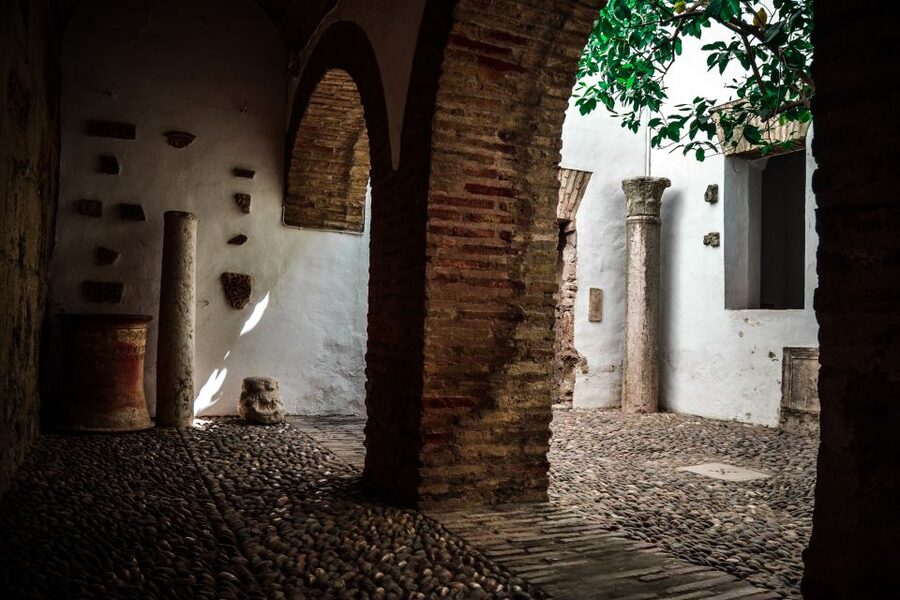
The tour ends in the gardens. This is one of the best “wrap it up gently” moments in Córdoba sightseeing, because the walking-heavy parts come first and the sensory payoff comes last.
You’ll stroll through a garden full of flowers and fountains, and it’s described as celebrated. Even if you are tired by the end of the hour, this is the kind of ending that makes the visit feel satisfying, not like a checklist.
There’s also a practical angle. If you’ve only got one or two days in Córdoba, a garden finish helps you transition from guided sightseeing to your own pace. You can slow down, take in the atmosphere, and decide what you want to explore next on your own.
English or Spanish guided, plus audio in Spanish and French
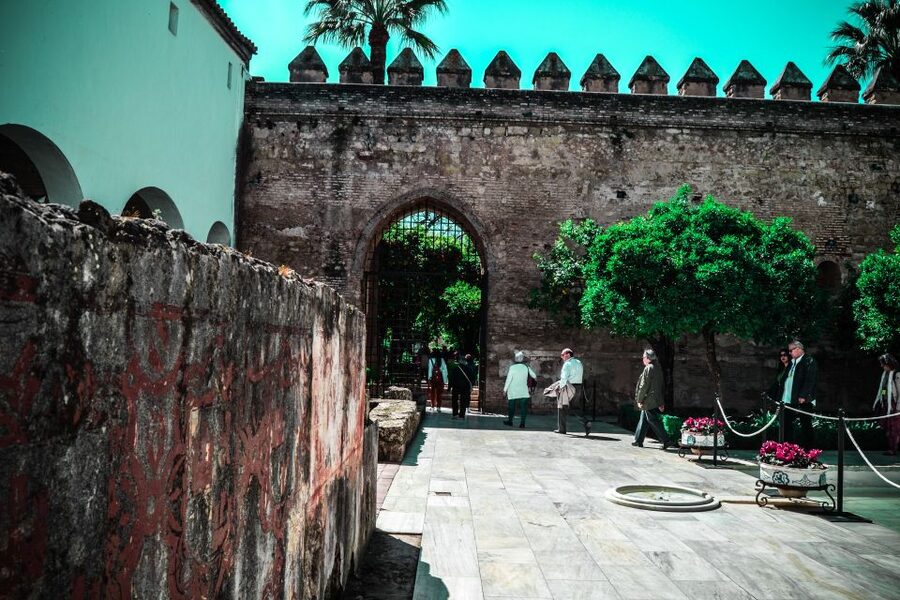
This is a live guided tour with English and Spanish. If you want extra reinforcement or you’re traveling with mixed language comfort, it helps that there’s also an audio guide included, with Spanish and French options.
For most visitors, the guide’s spoken explanation is the main layer. But the audio support can be useful in two common situations. One is when acoustics or group positioning make it hard to catch everything. The second is when you want to pause and re-hear a key part while you look around.
I also learned to pay attention to sound quality during tours like this. If your guide’s microphone is weak, you can miss details quickly in a 1-hour format. If you’re sensitive to that, consider keeping your spot close to the guide at the start, so you hear clearly throughout.
Price and time value: paying for tickets, a guide, and skip-the-line access
At $26 per person for a 1-hour guided experience, this tour is priced like a “make the most of limited time” option. And in this case, you are paying for three things together: your tickets, an official tour guide, and skip-the-line entry.
That bundle matters because skip-the-line is not just convenience. It’s time. In a 1-hour format, saving time at the start means more of your hour can go toward the mosaics, the Columbus story point, and the courtyard themes, instead of waiting outside.
Also, because it includes tickets, you’re not dealing with separate purchases mid-plan. That simplifies your day, especially if you’re trying to fit multiple sights in Córdoba without constant ticket hassles.
Would I call it a bargain? It depends on how you travel. If you love self-guided exploration and you’re happy reading signage, you might decide you do not need a guide. But if you want meaning in the hour, this is a fair deal.
Who this tour suits best, and who should choose something else
I think this tour is a strong fit if you want a guided overview of a major Córdoba monument in one hour. It works well for first-timers who need orientation, and it suits travelers who care about art plus architecture plus stories tied to specific places.
It also fits families who can handle a stroller-free meetup, since strollers must be left at the entrance. If you’re traveling with older kids who can walk steadily, the short length can be a plus.
On the other hand, it’s not the best choice for anyone who cannot manage uneven historical paths or a tight walking pace. It is not recommendable for those with mobility issues, and the rule about strollers signals that the route is not built for pushing in and out.
If sound is a major factor for you, also keep your expectations realistic. A guide with a poor microphone can cut into your experience in such a condensed visit. The good news is that there is an audio guide included, so you have a fallback.
Should you book Alcázar de los Reyes Cristianos tour?
I’d book this tour if you want a fast, structured way to understand what the alcázar is, what it contains, and why a Columbus story and Roman mosaics belong in the same building. The skip-the-line part is especially valuable here because it protects your time.
I’d skip it if you are looking for a slow, wandering experience where you can stop for long stretches in every courtyard and room. This is a guided hit list, and it moves.
My final advice is simple: plan comfortable shoes, choose this for days you want efficiency, and show up at Calle Caballerizas Reales by the Torre de los Leones with the orange umbrella. If you do that, you’ll likely leave with exactly what you came for, a memorable hour inside Córdoba’s layered past.
FAQ
Where do I meet the guide?
Meet your guide with the orange umbrella in Calle Caballerizas Reales, in front of the Torre de los Leones.
How long is the tour?
The guided tour lasts 1 hour.
What languages are available?
The live tour guide is available in English and Spanish. An audio guide is also included in Spanish and French.
Is skip-the-line entry included?
Yes, the tour includes skip-the-line entry.
Are tickets included in the price?
Yes, tickets are included, along with an official tour guide.
Is this tour suitable for mobility issues or strollers?
Strollers must be left at the entrance, and the tour is not recommendable for those with mobility issues.
When does the tour operate?
The tour operates Tuesday to Saturday.
What is not included in the tour?
A ticket for the night show is not included.
More Tour Reviews in Alcazar Of The Christian Monarchs

Not for you? Here's more nearby things to do in Alcazar Of The Christian Monarchs we have reviewed
More Córdoba Tours from Seville worth a look.
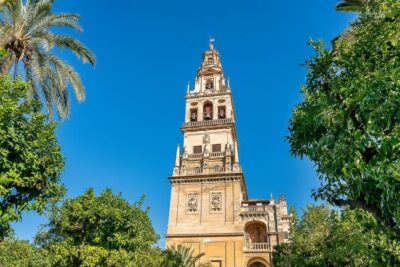 ★ 4.6Córdoba: Skip-the-Ticket-Line Mosque-Cathedral Guided TourFrom $319,634 reviews
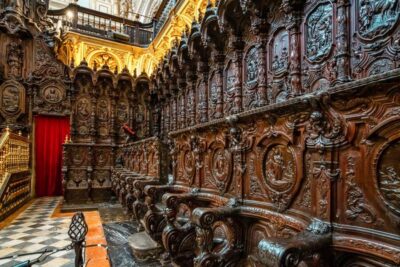 ★ 4.7Cordoba Mosque-Cathedral: Skip-the-Line Guided TourFrom $356,610 reviews
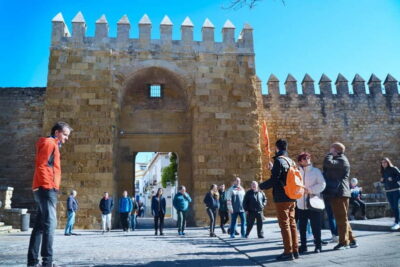 ★ 4.7Córdoba: Jewish Quarter, Mosque, and Alcázar TourFrom $504,279 reviews
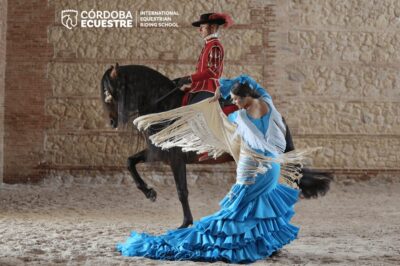 ★ 4.5Cordoba: Equestrian Show General EntryFrom $212,333 reviews
 ★ 4.1Cordoba: Mosque-Cathedral E-Ticket with Audio GuideFrom $212,124 reviews
 ★ 4.6Cordoba Mosque & Jewish Quarter Tour with TicketsFrom $401,996 reviews
 ★ 4.2Cordoba: Alcazar Guided Tour and Skip-the-Line TicketFrom $231,792 reviews
 ★ 4.7Córdoba: Skip-the-Line Great Mosque-Cathedral History TourFrom $381,690 reviews
Continue by place or experience