
REVIEW · CóRDOBA TOURS FROM SEVILLE
Cordóba: Gardens & Fortress of Catholic Monarchs Guided Tour
Córdoba’s palace-fortress tells three stories at once. This guided tour at the UNESCO-listed Fortress of Catholic Monarchs is a smart way to connect the building’s royal life to its later prison chapters, without getting lost in the details. I especially love how the visit is guided by a high-qualified local guide and how the gardens feel planned, preserved, and worth slowing down for. The only real drawback to keep in mind is that the fortress interior has, at times, been closed for restoration, so you may see alternatives instead of every room you expect.
You’ll start at Avenida del Alcázar and head straight to the main door by the river. After that, the tour focuses on a selection of rooms tied to the Christian monarchs, then shifts to the palace gardens and the Avenue of the Monarchs with statues linked to the site. Plan for a visit that should be about an hour, but the garden component can push it closer to 90 minutes depending on how the day is running.
Key things to know before you go
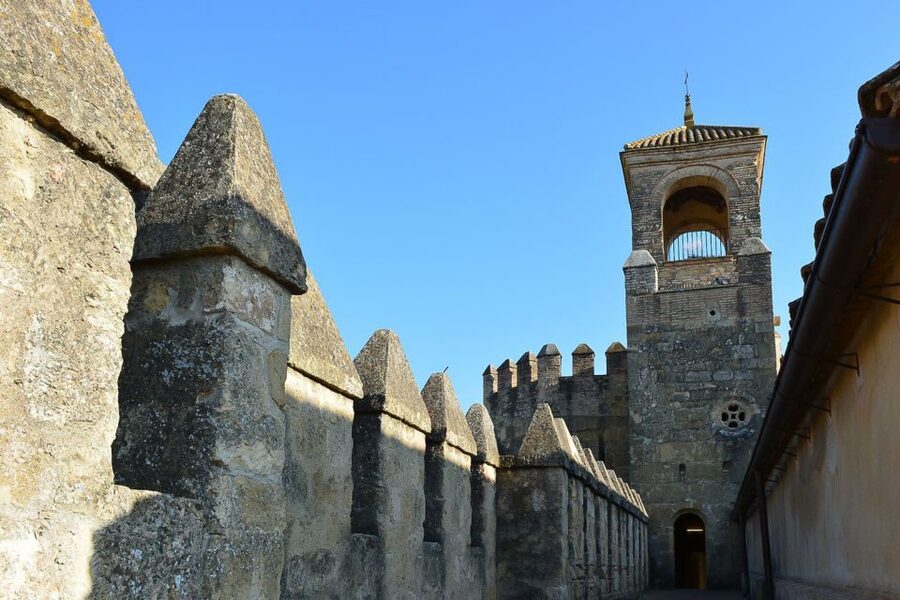
- Royal residence and later prison uses: The same walls served the monarchs, the Courts of the Holy Offices, then prison life, later turning military.
- A guided route through only a selection of rooms: You will not see every corner, but the guide’s choices make the story easier to follow.
- Gardens with legal protection since 1986: You’re not just touring plants, you’re seeing a space that the city has actively safeguarded.
- Avenue of the Monarchs and its statues: It’s one of the quickest ways to understand who had connections to the palace-fortress.
- Sometimes the interior is under restoration: On closure days, your guide may swap in other nearby highlights like the Caliphal Baths or the Jewish quarter area.
Córdoba’s Fortress of Catholic Monarchs: a palace built on older power
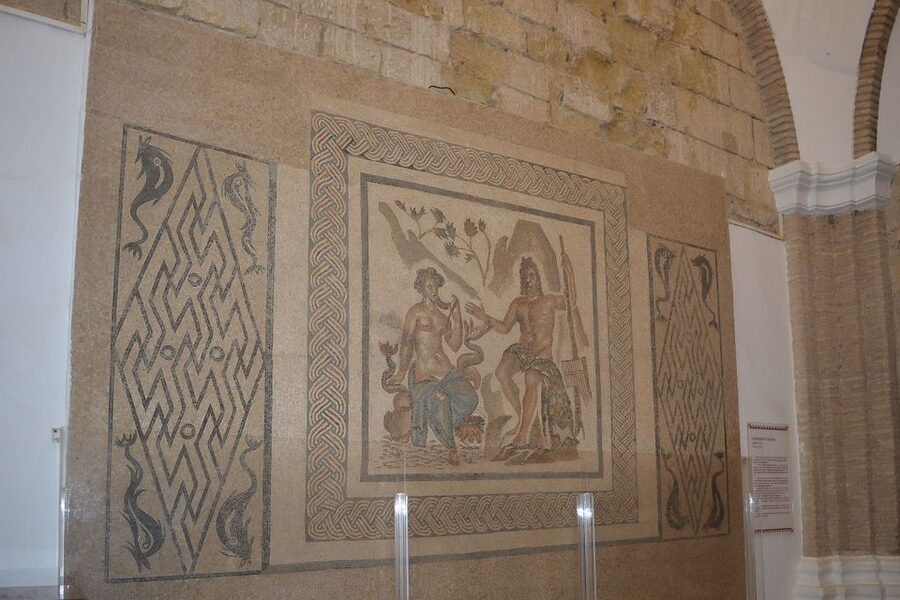
Cordóba’s Fortress of Catholic Monarchs is the kind of place where one layer feeds the next. The site sits on the remains of a former caliph’s palace, and then the monarchs took over the ground and reshaped it into a royal residence and power base. That change matters, because it turns your visit from a single-period museum stop into a timeline you can actually walk through.
What I like most is how the building’s later uses help you understand why the structure feels fortress-like. It wasn’t just decorative. It was used for control, including the Courts of the Holy Offices, then a civil prison, and later a military prison. Even if you’re not a history buff, you can feel that shift in tone as you move from royal spaces toward darker chapters.
Also, this fortress isn’t some random local landmark. It was declared a Historical Monument in 1931 and is part of the UNESCO World Heritage area designated in 1994. That helps explain why the site gets protected and why the gardens remain part of the plan, not an afterthought.
You can also read our reviews of more tours and experiences in Cordoba.

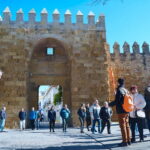
Entering the royal residence, then walking the prison timeline
Your tour route begins at the main door of the fortress on Avenida del Alcázar, near the river. From there, you’ll do a guided visit focused on the Alcázar of the Christian Monarchs. Think of it as an orientation plus a story. You do not just wander. You get directed through a selection of rooms that connect the monarchs’ reign to what came later.
What you’ll learn as you move room to room
The big advantage of a guided structure is that you see the building as a system, not a set of rooms. A good guide helps you connect three key ideas:
- The palace function under the Christian monarchs, when it served as a royal residence.
- The shift into the Courts of the Holy Offices, when religious authority and power were centralized in the same spaces.
- The conversion into civil, then military imprisonment, which changes your interpretation of the architecture.
Because the tour is designed to cover only selected rooms, you’re not racing to check boxes. You’re learning the logic behind the site’s evolution.
A practical note about timing
The experience is listed as 1 hour, but the garden visit is described as part of a longer about 90-minute format. I treat that like a heads up. If you’re trying to chain other sights right after, give yourself a little buffer so you’re not stuck rushing out.
The gardens and the Avenue of the Monarchs: where the setting does the explaining
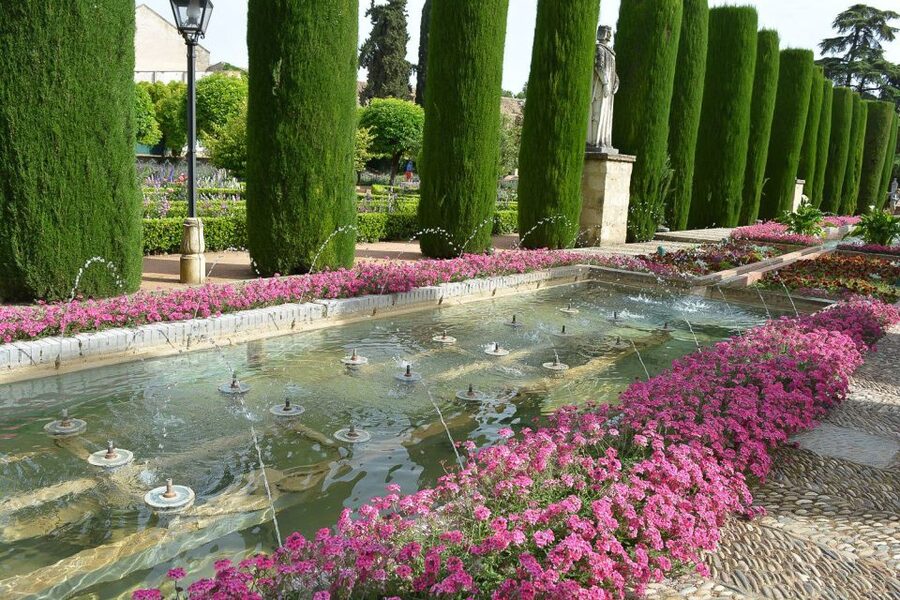
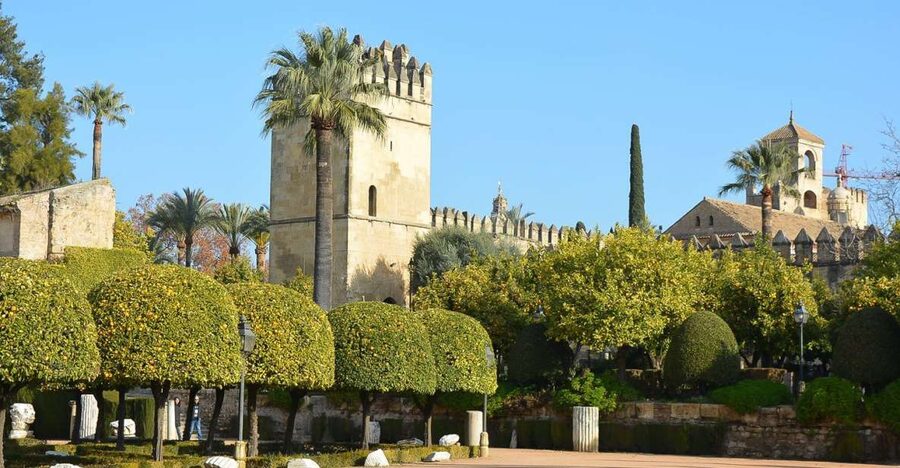
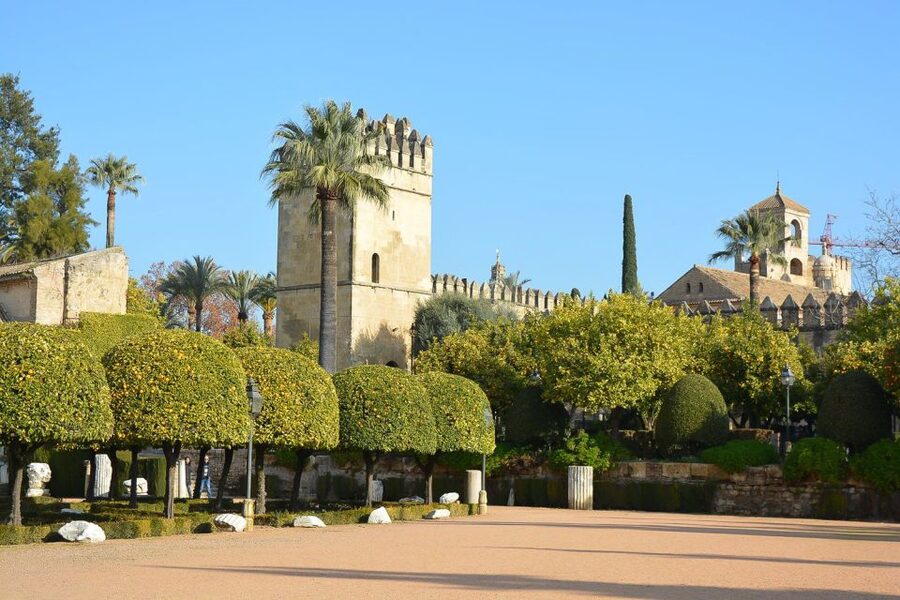
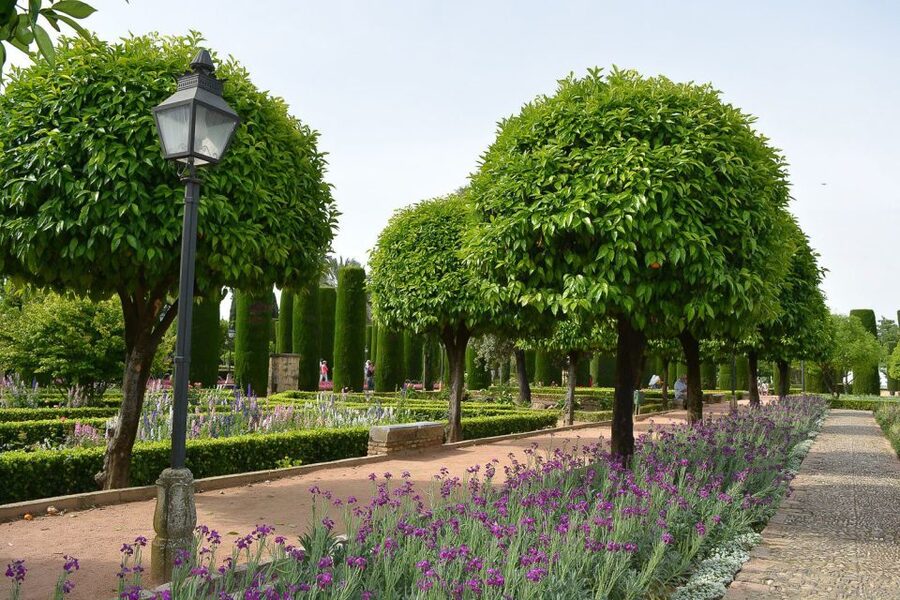
The gardens are not just pretty scenery. They’re part of why this place works as an experience. You’ll visit the fortress gardens as part of the guided tour, and the planning protections since 1986 are the reason they don’t feel like a random park stop.
Here’s what makes this garden time useful for first-timers. The space gives you breathing room after the fortress interiors, and it also reinforces the palace idea. Royal spaces were meant to be lived in and shown off. Even when the site later became prison territory, the garden setting helps you understand the original intention of power and presence.


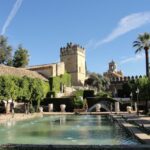
The Avenue of the Monarchs
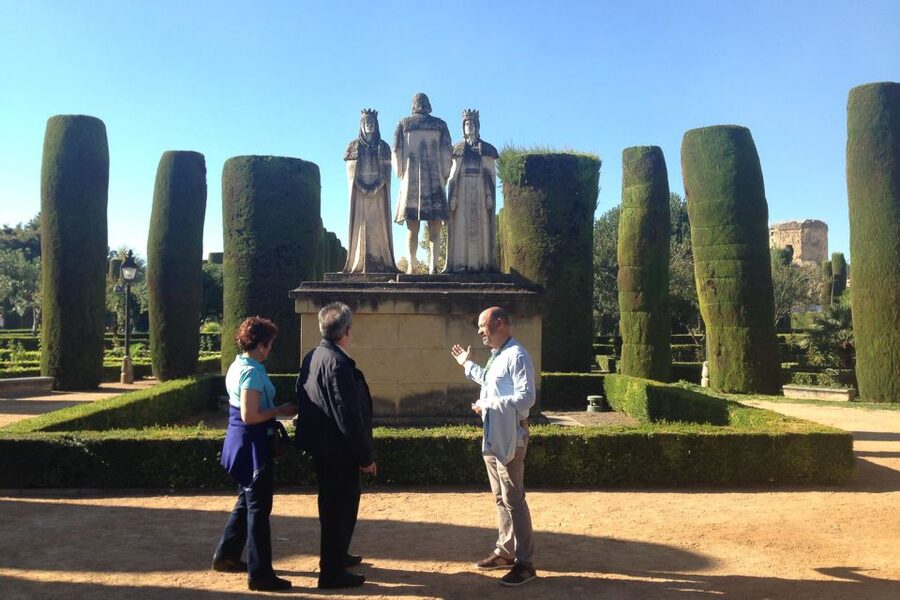
One highlight you should look for is the Avenue of the Monarchs. It features statues of monarchs connected to the palace-fortress. The statues make the story easier to remember, because they give you names and figures tied to the site. It’s a visual shortcut that turns “who ruled when” into something you can grasp on the walk.
Where you’ll feel the site’s layers
If you keep your eyes up and not just on the ground, the garden walk can help you connect architecture to politics. You’ll see how the fortress sits within the larger designed space, which makes the UNESCO element feel less like paperwork and more like a living site.
Why the guide matters: what you can learn with Paquita and Carmen
The tour’s quality often comes down to one thing: the person leading it. The guiding style here is repeatedly praised for making the place clearer and more human, with conversations that go beyond dates.
In the info you have, you’ll see names like Paquita and Carmen connected to memorable experiences. What that signals to you as a traveler is simple: you’re not just buying access, you’re buying interpretation.
What good guiding looks like in this specific fortress
For a site with multiple eras and uses, a guide helps you:
- Translate complicated political and religious shifts into plain language.
- Point out which rooms matter for the monarchs and which matter for the later prison chapters.
- Tie the Avenue of the Monarchs to the building itself, so you don’t treat gardens and statues as separate attractions.
If you can, ask one question early. Something like what changed most between the monarchs’ reign and the later prison use. On a good day, your guide will shape the whole tour around what you want to understand.
Price and value: is $35 worth your time?
At $35 per person, this isn’t an impulse buy. But it can be good value if you match it to the kind of visit you want.
What your money covers
Included in the price:
- Qualified local guide
- Fortress admission fee
- VAT
- Skip the ticket line
Not included:
- Transportation
- Food and drinks
For me, the value comes from two things. First, you’re getting admission plus a guided story. Second, skipping the ticket line saves time, especially when you’re in a busy UNESCO zone.
Where the price can feel steep
This is the part to be honest about. The fortress interior is meant to be the main attraction, and if closures happen, you may not see everything you expected. Some people also feel the cost is high relative to what they saw on the day. That doesn’t mean the tour is bad, it means the experience is sensitive to what’s open.
So use this logic: if you want the fortress story specifically, the tour is worth considering. If you’re flexible and happy to swap in nearby alternatives, the guide can keep the day rewarding even when the interior is limited.
What to bring and the little rules that keep things smooth
This tour is straightforward, but a few details matter.
Bring:
- Passport or ID card
- Comfortable shoes (you’ll be moving through an outdoor garden zone too)
Not allowed:
- Luggage or large bags
If you’re traveling light, great. If you have a daypack, it’s usually fine, but large bags are not. The easiest approach is to travel with what you can carry comfortably and avoid bulky luggage.
Also, come in ready to listen. Because the guided route covers only a selection of rooms, the guide’s pacing matters. You’ll get more out of it if you’re not constantly checking your phone to figure out what to look for.
When the fortress is closed for restoration, here’s how to handle it
This is the issue that can make or break expectations. There have been days when the fortress was closed for restoration, while the gardens remained accessible. On those days, guides have offered substitutions instead of giving up entirely.
Based on the info you provided, examples include:
- A substitution that took people to the Caliphal Baths area when the fortress interior could not be visited.
- Another substitution involving the Jewish quarter and synagogue area.
So how do you plan wisely?
- Keep your day flexible. If you’re stacking multiple attractions back-to-back, build buffer time.
- Decide in advance if you’re okay with a swap. If your top goal is specifically the interior rooms, closures are the risk.
- Ask at the start what is open that day and what the guide will do if the interior is limited.
A good guide will adjust. Still, it’s smart to go in knowing that the fortress is an active historic site, not a perfectly locked time capsule.
Should you book this Córdoba guided tour?
I’d book this tour if you want a guided, story-driven visit to the Fortress of Catholic Monarchs and you care about understanding how the site changed from royal residence to prison uses. It’s also a solid choice if you enjoy gardens with real context, not just a quick stroll.
Don’t book if your priority is a full, uninterrupted interior tour every time, with zero uncertainty. The biggest caveat is that restoration closures can limit what you see, and the experience may pivot to other nearby highlights guided by the same local lead.
If you do book, I’d pick this mindset: treat it as a guided interpretation of Córdoba’s power layers, and let your guide’s choices shape the day. With a strong guide like the ones you see highlighted in the info, this can be a surprisingly meaningful hour in the middle of a city packed with must-sees.
FAQ
Where do I meet the guide?
Please meet your guide at the main door of the Fortress of Catholic Monarchs, Avenida del Alcázar, in front of the River.
How long is the tour?
The activity is listed as 1 hour. The garden visit is described as part of a longer about 90-minute format, so plan for around 1 to 1.5 hours.
What’s included in the ticket price?
The price includes a qualified local guide, the fortress admission fee, and VAT. It also includes skipping the ticket line.
What is not included?
Transportation, and food and drinks are not included.
What languages are available?
The live tour guide is available in Spanish, French, and English.
What should I bring?
Bring a passport or ID card, and wear comfortable shoes.
Is luggage allowed?
No, luggage or large bags are not allowed.
Is free cancellation available?
Yes. Free cancellation is available up to 24 hours in advance for a full refund.
More Tour Reviews in Cordoba
Not for you? Here's more nearby things to do in Cordoba we have reviewed







More Córdoba Tours from Seville worth a look.
 ★ 4.6Córdoba: Skip-the-Ticket-Line Mosque-Cathedral Guided TourFrom $319,634 reviews
 ★ 4.7Cordoba Mosque-Cathedral: Skip-the-Line Guided TourFrom $356,610 reviews
 ★ 4.7Córdoba: Jewish Quarter, Mosque, and Alcázar TourFrom $504,279 reviews
 ★ 4.5Cordoba: Equestrian Show General EntryFrom $212,333 reviews
 ★ 4.1Cordoba: Mosque-Cathedral E-Ticket with Audio GuideFrom $212,124 reviews
 ★ 4.6Cordoba Mosque & Jewish Quarter Tour with TicketsFrom $401,996 reviews
 ★ 4.2Cordoba: Alcazar Guided Tour and Skip-the-Line TicketFrom $231,792 reviews
 ★ 4.7Córdoba: Skip-the-Line Great Mosque-Cathedral History TourFrom $381,690 reviews
Continue by place or experience