
REVIEW · CóRDOBA TOURS FROM SEVILLE
Córdoba: Guided Tour of Azahara Medina
Ruins with palace politics in 3 hours. This guided trip to Madinat al-Zahra turns a short hop from Córdoba into a real sense of how power was staged in the early 10th century. I love the way you get context first at the visitor center, then move into the main sections of the palace-city.
I also love the guides. People like Emilio, Almudena, Maria, Rapha, and Alejandro are repeatedly praised for storytelling, a good pace, and answering questions so the stones start to feel human. If you care about architecture, you’ll appreciate how that story gets anchored to what you’re actually standing in.
Just keep one thing in mind: summer heat can hit hard, and Azahara Medina is still partly excavated, so what you see depends a bit on the day and the state of the site.
Key highlights to watch for
- Madinat al-Zahra’s 10th-century purpose: built as Abd al-Rahman III’s seat of government and a political statement
- A real visitor center orientation: about an hour with Moorish history and a video that reconstructs the city
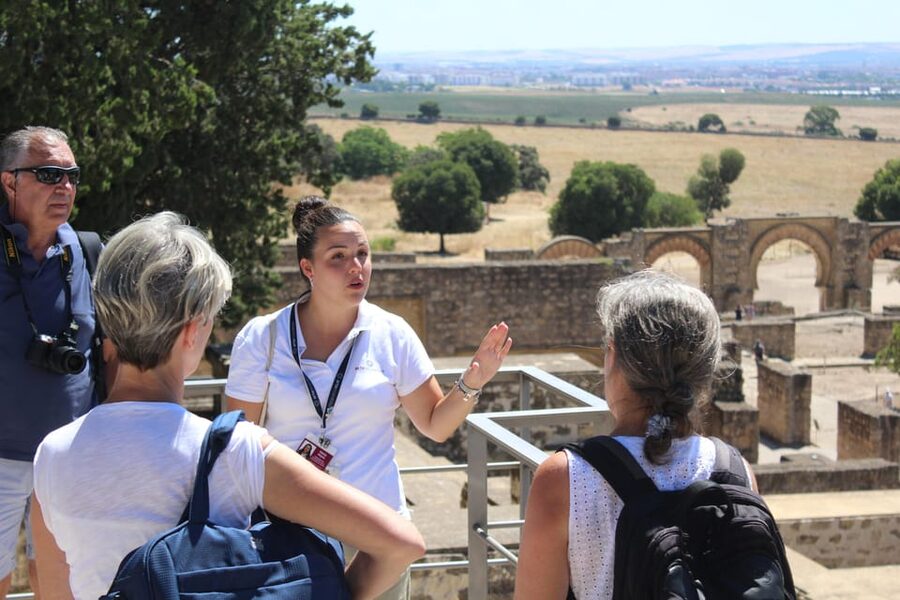
- Your guide’s job is interpretation: the tour focuses on how everyday life might have worked, not just where walls are
- Hidden corners with guidance: you’ll cover the main areas one by one, plus side areas you may miss alone
- Two tour styles: bus option for a smoother transfer, no-bus option if you prefer a more direct flow
Azahara Medina from Córdoba: the short ride that changes how you see the ruins
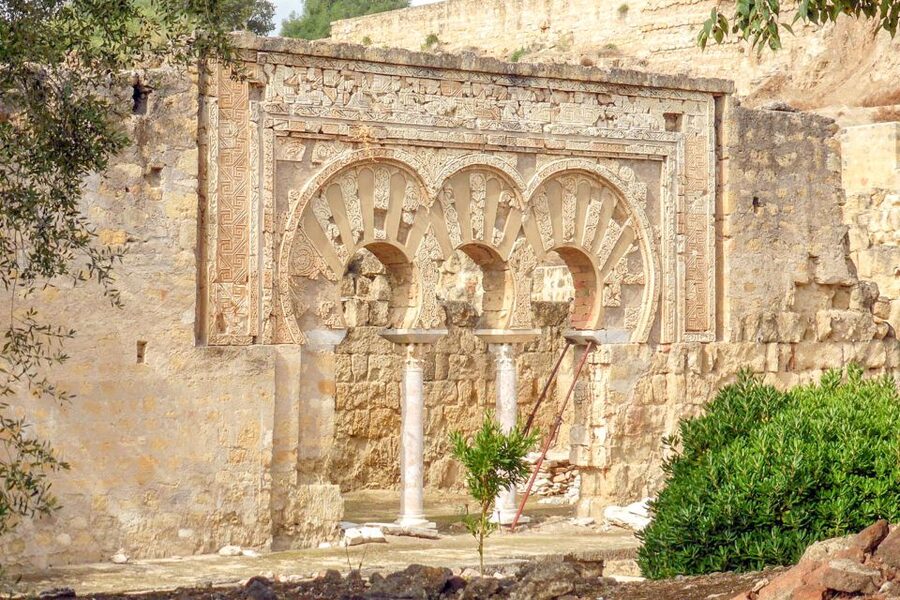
Azahara Medina, also known as Madinat al-Zahra, sits about 5 miles (8 km) from Córdoba in Andalusia. That distance matters because it lets you treat the site like a focused half-day event rather than a huge excursion. In only 3 hours, you get enough structure to make sense of what you’re seeing, instead of just wandering through fragments of walls.
The big reason this tour is worth your time is the story behind the site. The Caliph of Umayyad Córdoba, Abd al-Rahman III, ordered the construction of Madinat al-Zahra in the early 10th century. The palace-city was meant to project power toward enemies, and it also functioned as official government buildings. That dual purpose comes through best when you have a guide turning the architecture into a sequence of decisions: who built what, why it was arranged that way, and what it likely meant for people working there.
If you’ve already spent time walking around Córdoba’s historic center, this trip adds another layer. Córdoba shows the heart of the caliphate world. Azahara Medina shows how that power was displayed in a dedicated administrative city. Even if the ruins are incomplete, the tour helps you connect the dots quickly.
You can also read our reviews of more tours and experiences in Cordoba.

Bus option vs without-bus option: choose the pace you want
This tour comes in two guided styles, and picking the right one is about comfort and flow.
With the guided tour (with bus), you hop aboard a tourist bus for the round trip Córdoba to Azahara Medina and back. Once you arrive, you use transportation inside the area from the visitor center toward the main monuments. The order of the day follows a logical pattern: visitor center first, then northward through the main sections of the palace-city.
With the guided tour (without bus), you still start with the visitor center, but you manage the transfer yourself. The visitor center visit includes a screening and a virtual recreation style video of what the city might have looked like in the 10th century. After that, you head north to explore the main sections one by one, guided by your leader.
So which should you choose? If you want less time thinking about logistics, the bus option is the easiest buy. If you’d rather stay flexible and don’t mind arranging your own ride to the site, the without-bus option can feel more straightforward. Either way, the tour is built around the same core rhythm: visitor center context, then guided walking through the main parts.
Visitor center first: the hour that makes the ruins make sense
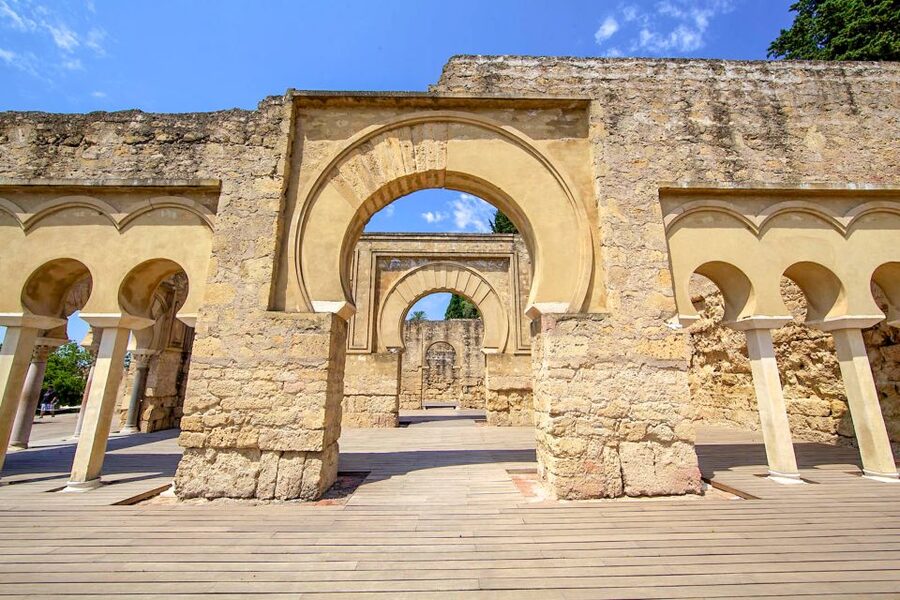
A standout part of the experience is the roughly 1-hour stop at the visitor center. This is not just a lobby with a brochure. It’s where you get the historical framing before you step into the open air.
Expect a focused introduction to Moorish history, plus a video that virtually recreates what Madinat al-Zahra may have been like in the 10th century. The goal is simple: you should be able to look at the remains later and think, not just recognize. Instead of guessing, you start forming mental images of function and layout.
Many guides also use what’s in the museum space to connect the excavated pieces to everyday life. One of the most common compliments is that the tour feels like a documentary told out loud, with the guide linking the physical evidence to the likely reality of how people lived and worked in that government-focused city.
One practical thought: the center experience sets expectations for what you will and won’t see in the ruins. Azahara Medina is famous, but it’s still under archaeological interpretation. So going in with the visitor center context makes the remaining sections feel coherent rather than random.
Palace-city in fragments: what you’ll actually explore on-site
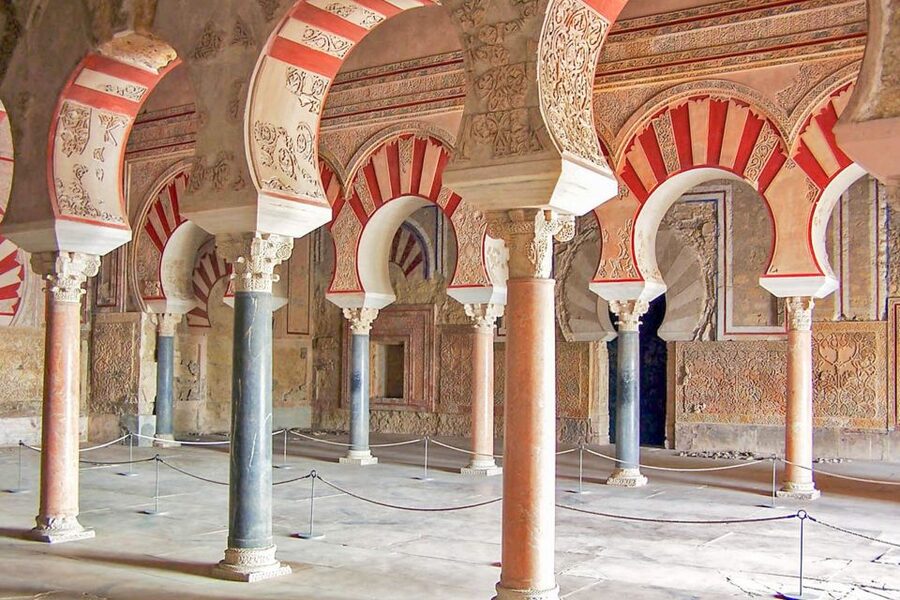
After the visitor center, the tour heads north to cover the main sections of the city in sequence. This is where you start to experience Azahara Medina as more than a historic name.
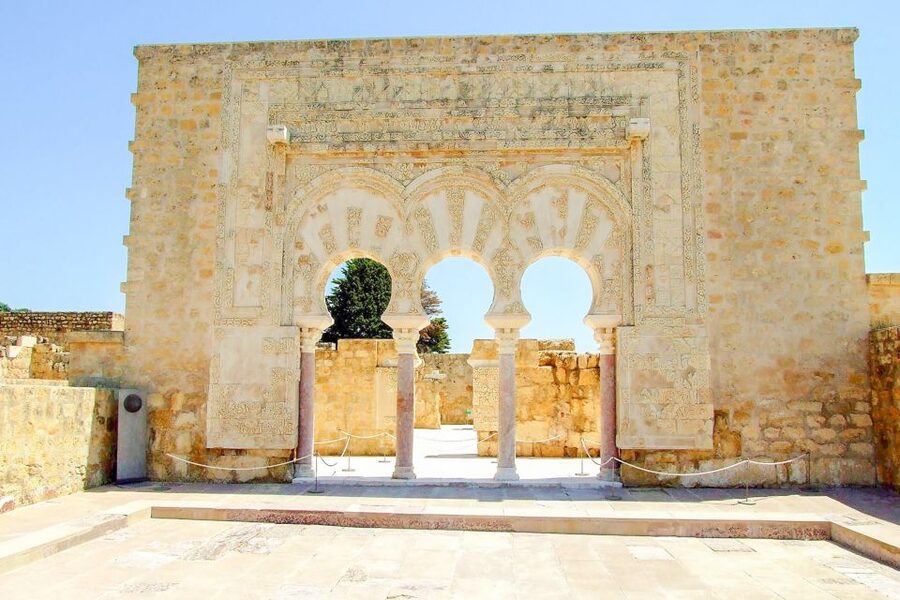
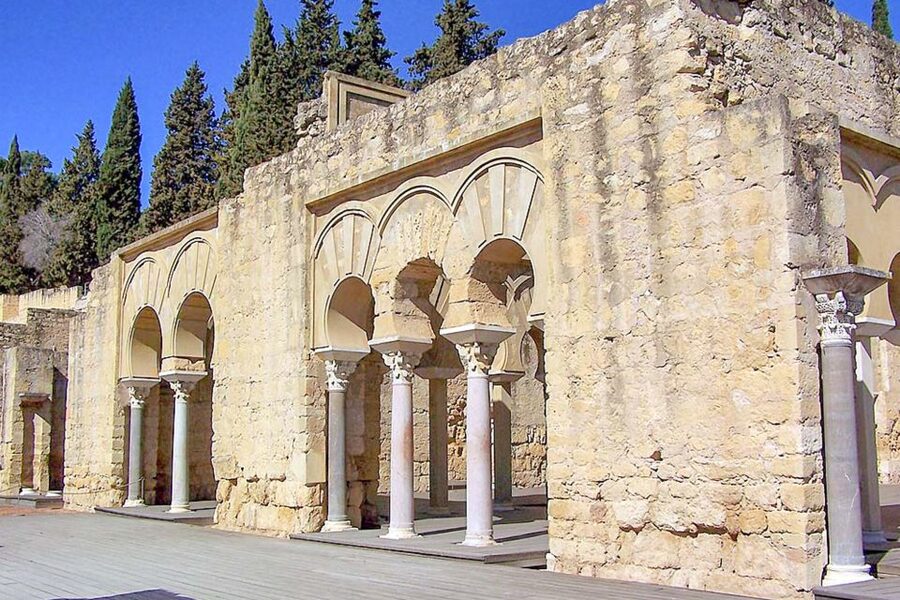
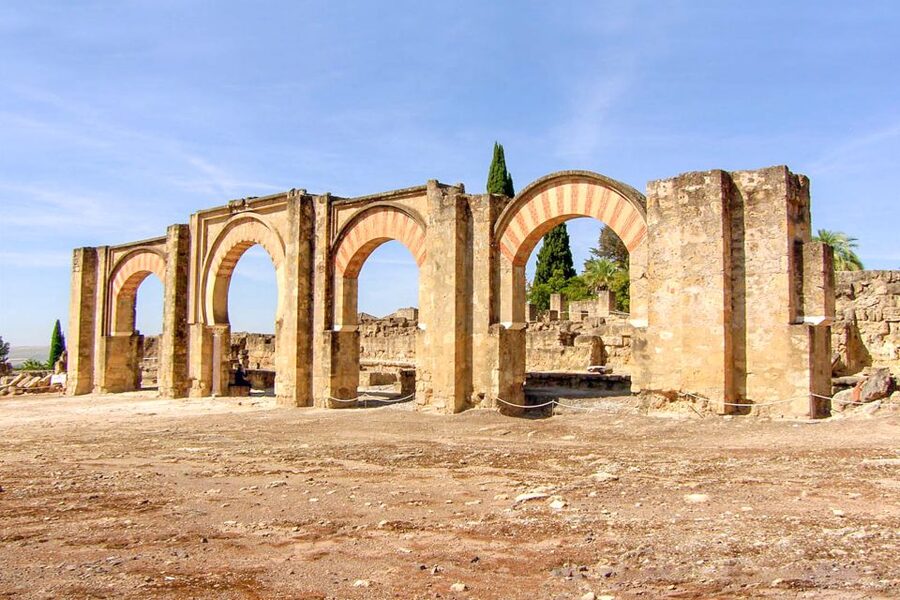
You’ll see an impressive collection of ornate buildings and monuments that were created as both a symbol of caliphal power and a set of government buildings. The tour’s structure matters because it’s easy to get lost in ruins. With a guide, each area gets explained in relation to what came before and what likely came after.
Also, adjust your expectations for excavation status. The site has been excavated over time, but it’s still not fully restored, and parts of the city remain buried or only partially revealed. One comment noted that the site is only partially excavated, around 12 percent. That means some big questions stay unanswered until more excavation happens, and your guide’s role is to help you “read” what is there without pretending everything is complete.
The most praised tours are the ones that treat the ruins like a functioning place. Guides repeatedly bring the stonework to life by explaining likely daily life in the 10th century, not only the political story. In practice, that looks like hearing why spaces may have been used the way they were, and how the layout supported administration and ceremony.
And yes, there are hidden corners. Your guide helps you investigate areas you might otherwise skip, which is where the tour starts to feel worth paying for rather than just ticking a box.
The guides: storytelling that turns architecture into everyday life
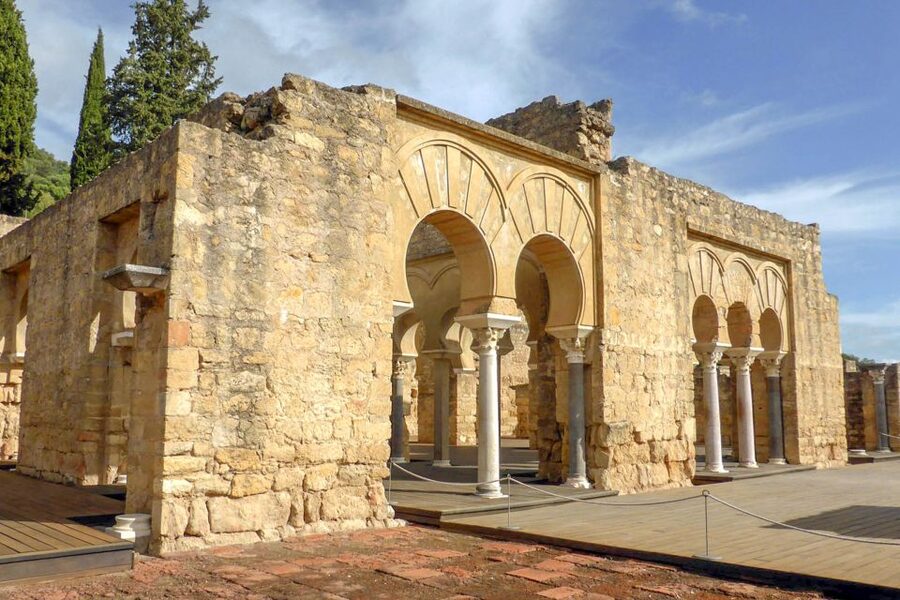
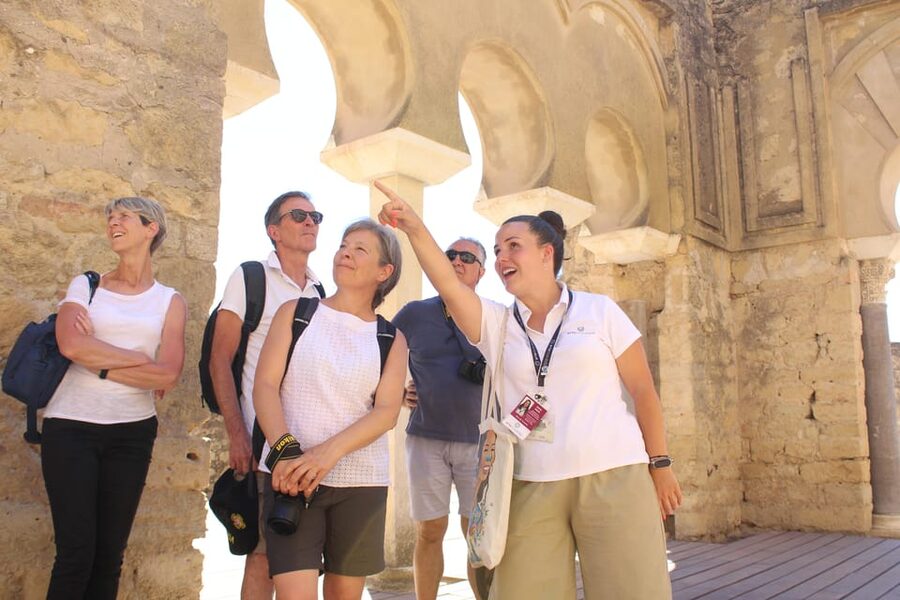
The biggest recurring theme in the experience is the guides. People come away praising guides for one core skill: turning dry structure into a narrative you can follow in your head while you walk.
You’ll hear names like Emilio, Almudena, Maria, Rapha, Alejandro, Pilar, Ana, Jema, Jose Manuel, Juan Varela, and Fatima in the guide lineup people mention. While the names vary, the style is similar in the best cases:
- a balance of history and what might have happened day to day
- humor that keeps the pace moving on hot ground
- patience with questions, including clarifying points of perspective
A common compliment is the feeling of being guided like a well-produced documentary. That’s not just entertainment. It changes how you learn. When you’re standing in a ruin, you can’t zoom out like you would on a screen. A strong guide supplies the missing middle, so you understand what you’re looking at instead of simply seeing old walls.
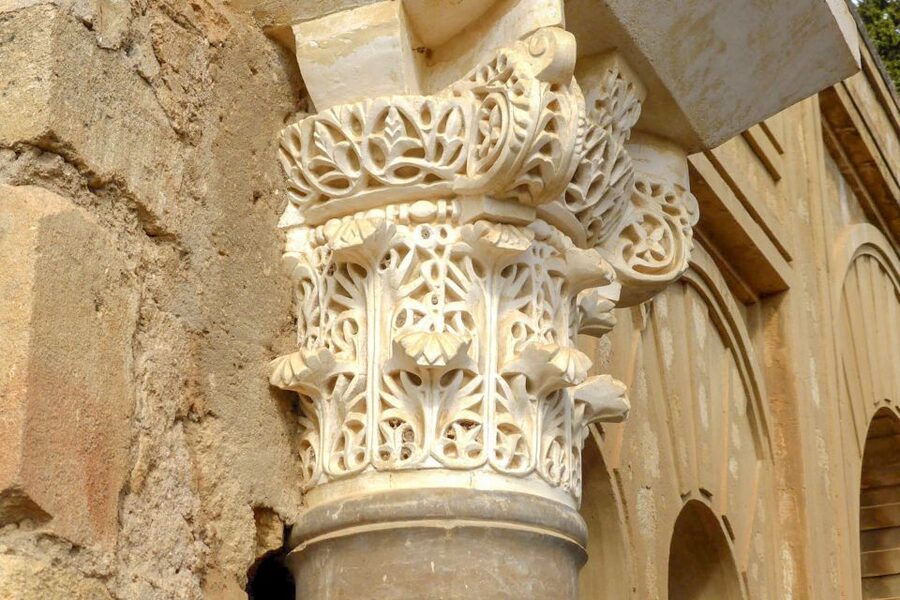
If you care about architecture, this matters even more. You want an explanation that tells you what elements suggest about design choices, not just dates and labels. Many of the best guides described here are doing exactly that, and they also mention ongoing archaeological work, so you learn that the site is still in progress, not frozen in time.




Price and value: why $23 for 3 hours can feel like a bargain
At $23 per person for a 3-hour guided experience, the value is mostly about what’s included. You’re paying for more than an entrance ticket. The tour includes:
- a live guide
- entrance to the site
- transportation from the visitor center to main monuments once you’re on-site
- and, if you choose it, tourist bus transport Córdoba to Azahara Medina and back
Food is not included, so you should bring water or plan to buy something before or after. But compared with a self-guided visit, the cost makes sense because the guide’s interpretation is what turns partial ruins into a clear story.
Also, there’s a practical payoff. A 3-hour tour is short enough that it fits into a tight Córdoba itinerary, but long enough to include the visitor center orientation and then cover the main sections on-site. That time balance is why people feel the experience is worth it rather than rushed.
One practical note from real-world experience: tours in Spain may run slightly longer than the posted time. If you have dinner plans or a train to catch, keep a little cushion.
What to bring, and the two “real life” tips that matter
This kind of site visit is outdoors-heavy, so pack like you’re walking in Andalusian sun. The essentials are already clear:
- comfortable shoes
- hat
- drinks
- comfortable clothes
The reviews add one extra reality check: summer heat can be intense. If you’re traveling in high season, plan to move slowly, sip often, and protect your head. The guide can help with pacing, but your gear determines how comfortable you are.
For the bus option, meeting points can take attention because they may vary. One helpful tip shared by someone who used Google Maps was to look for the semi-circle bus stop called Parada Bus, across from the regular bus stops and behind Eurostars Hotel. If you’re doing the bus option, double-check your exact meeting point in your confirmation and arrive a bit early to avoid a stressful start.
Who should book this tour, and who might skip it
Book this if you want the fastest path to understanding Azahara Medina without guesswork. It’s especially a strong fit if:
- you like history tied to places you can see, not just museum reading
- you’re curious about how the 10th century caliphate worked day to day
- you want a guide to explain both architecture and the likely human story inside the ruins
Consider skipping or choosing a different style if you:
- can’t handle outdoor heat and walking
- want a very quiet self-paced roam with no guidance
- dislike structured museum-style orientation at the start
The tour works best when you’re open to being led. The whole point is that excavation fragments can feel confusing, and your guide is the tool that makes it click.
Should you book Córdoba: Guided Tour of Azahara Medina?
Yes, if your goal is to understand Madinat al-Zahra in a single, well-structured outing. The price-to-time ratio is hard to beat, especially because entrance and interpretation are included, not just transport. If you choose the bus option, you also remove a chunk of logistical friction.
My advice: pick the tour style that matches your comfort level. If you want the simplest experience, go with the bus option. If you like controlling your own pace to and from the site, the without-bus tour is still guided where it matters most. Either way, bring your sun protection, show up ready to learn, and you’ll leave with a clear sense of how Abd al-Rahman III turned government power into stone.
FAQ
How far is Azahara Medina from Córdoba?
Azahara Medina is about 5 miles (8 km) from Córdoba.
How long is the guided tour?
The tour duration is 3 hours.
What is included in the bus option versus the without-bus option?
With the bus option, you get tourist bus transportation Córdoba to Azahara Medina and back. With the without-bus option, you still do the guided visit, but you arrange your own transfer to the site.
What do you do at the visitor center, and how long is it?
You have a 1-hour stop at the visitor center to learn about Moorish history, including a screening and a virtual recreation video of the city in the 10th century.
How do you reach the main monuments once you arrive at Azahara Medina?
You get transportation at Azahara Medina from the visitor center to the main monuments.
Is entrance to Azahara Medina included?
Yes. Entrance is included in the tour.
What languages are the live guides available in?
Live tour guides are available in English and Spanish.
Do I need to bring food or drinks?
Food is not included, and you should bring drinks. The tour expects you to come prepared with water since the visit is outdoors.
Can I cancel for a full refund?
Yes. You can cancel up to 24 hours in advance for a full refund.
More Tour Reviews in Cordoba
Not for you? Here's more nearby things to do in Cordoba we have reviewed







More Córdoba Tours from Seville worth a look.
 ★ 4.6Córdoba: Skip-the-Ticket-Line Mosque-Cathedral Guided TourFrom $319,634 reviews
 ★ 4.7Cordoba Mosque-Cathedral: Skip-the-Line Guided TourFrom $356,610 reviews
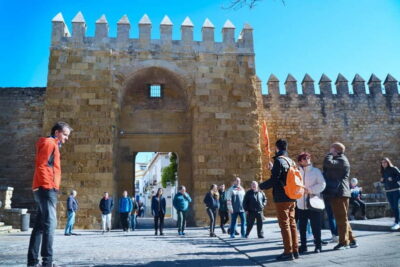 ★ 4.7Córdoba: Jewish Quarter, Mosque, and Alcázar TourFrom $504,279 reviews
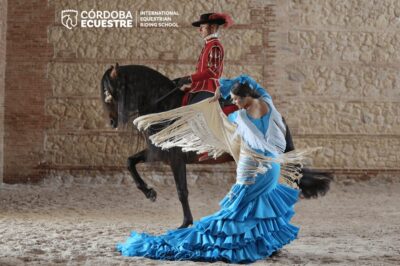 ★ 4.5Cordoba: Equestrian Show General EntryFrom $212,333 reviews
 ★ 4.1Cordoba: Mosque-Cathedral E-Ticket with Audio GuideFrom $212,124 reviews
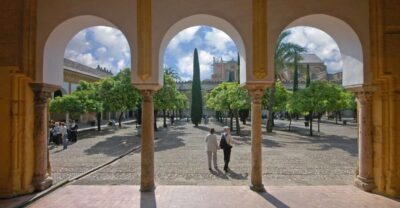 ★ 4.6Cordoba Mosque & Jewish Quarter Tour with TicketsFrom $401,996 reviews
 ★ 4.2Cordoba: Alcazar Guided Tour and Skip-the-Line TicketFrom $231,792 reviews
 ★ 4.7Córdoba: Skip-the-Line Great Mosque-Cathedral History TourFrom $381,690 reviews
Continue by place or experience