
REVIEW · CóRDOBA TOURS FROM SEVILLE
Cordoba: Jewish History Private Tour
A walk through Córdoba’s Jewish memory. On this private 2-hour circuit, I love how the Jewish Quarter turns names you read in history books into real streets and buildings. The guide connects what you see with the lives of Jewish scholars who shaped Córdoba’s intellectual life.
I especially like the chance to visit the 14th-century synagogue and spend time with the Mudejar-style details, then finish with stories linked to Moshe Ben Maimon, also known as RaMBaM. It’s a guided experience you can actually feel, because you’re not just looking at stone, you’re learning why these places mattered.
One consideration: it’s not suitable for wheelchair users, and you’ll be walking and stopping around narrow lanes. Comfortable shoes and a steady pace will make the biggest difference.
Key highlights you’ll care about
- 14th-century Córdoba synagogue access where you can focus on meaning, not just photos
- Mudejar Chapel stop that ties Córdoba’s style to a layered past
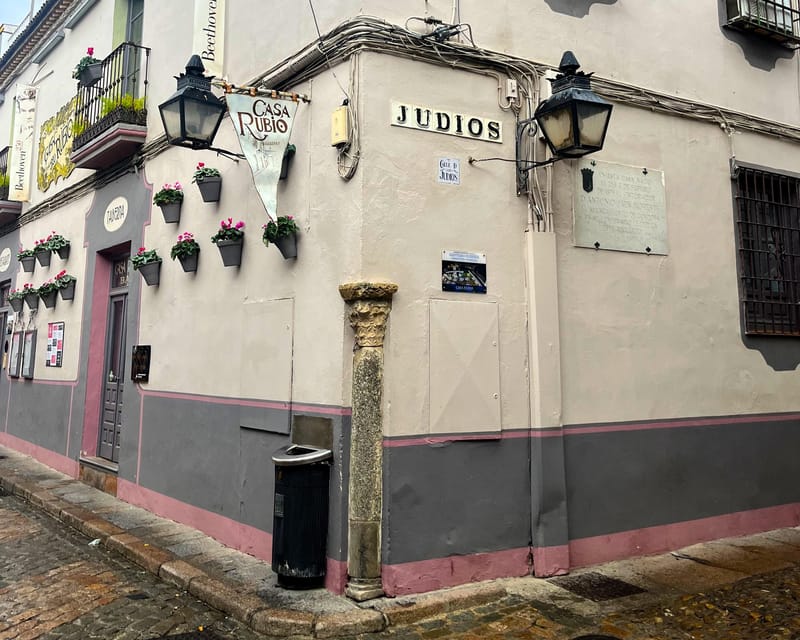
- RaMBaM connections with the Moshe Ben Maimon monument and why his ideas traveled
- Question-friendly private guiding with real time to ask follow-ups in English or Spanish
- A tight route of specific landmarks starting at Puerta de Almodóvar and ending at Puerta de Sevilla
Why this Córdoba Jewish Quarter tour feels different than a quick sightseeing loop
Córdoba can be stunning on its own, but this tour adds the missing layer. Instead of treating the Jewish Quarter as a backdrop, you walk through it with an expert who explains who lived here, what they studied, and how Córdoba’s community fit into the wider world of learning.
I like that the focus stays practical and human. You’re shown the most significant sites, then you get context that makes those sites easier to understand later, even when you’re outside the tour. And because it’s private, the pacing feels right for asking questions on the spot.
The other thing I appreciate is that the tour doesn’t pretend the past is simple. Jewish life in medieval Spain intersected with Islamic and Christian worlds, and the stories you hear reflect that mix. You end up thinking about ideas, not just dates.
You can also read our reviews of more tours and experiences in Cordoba.
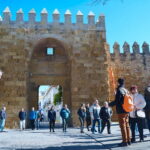
Starting at Puerta de Almodóvar, where the walking route already tells a story
You meet at Puerta de Almodóvar, in front of the arch. That location matters because gates like this help you orient yourself fast in Córdoba, and they give the tour a clear beginning instead of starting in the middle of nowhere.
From there, you work through the Jewish Quarter at a manageable pace for a 2-hour private tour. The route is built around meaningful stops, not a long bus-style shuffle. You get a sequence of places you can remember, because each one is tied to a person or theme.
Even if you’ve wandered Córdoba before, this kind of organized starting point helps you see how the streets connect. It also keeps the whole experience from turning into a blur of small corners and pretty walls.
Córdoba Synagogue: what you’re really looking at and why it matters
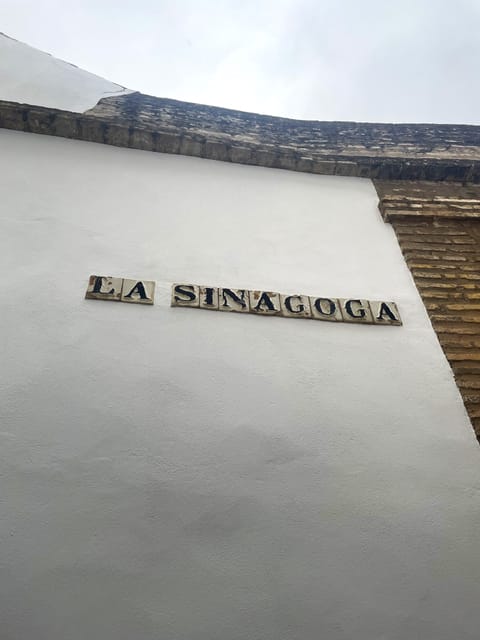
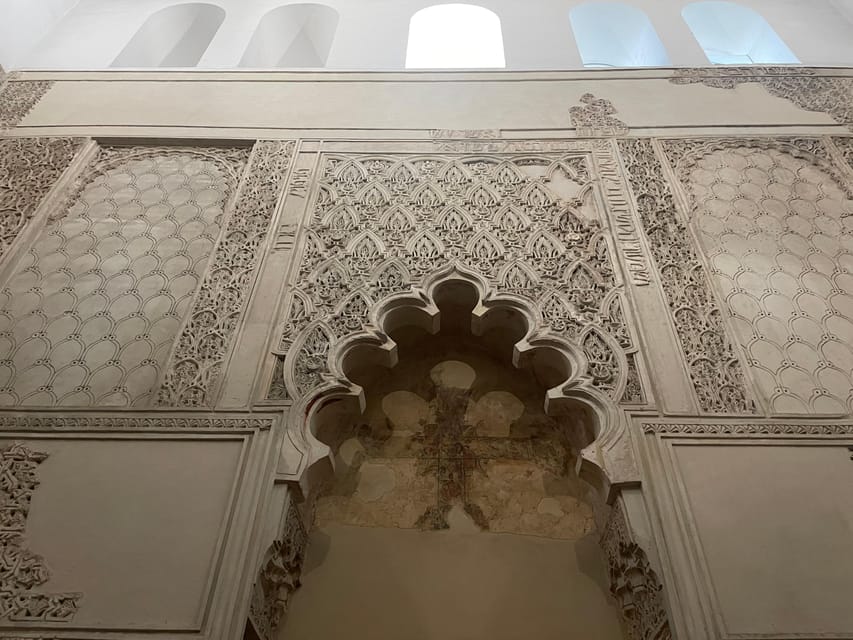
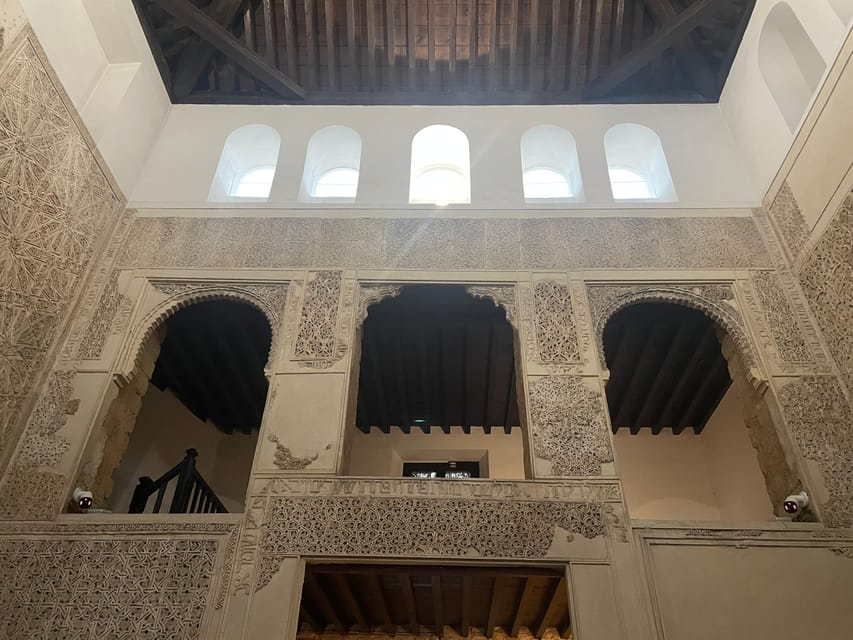
The tour’s most important stop is the synagogue. You’ll get a guided visit, with the focus on what the site represents and how it connects to the Jewish community that lived here.
This is one of Spain’s last remaining synagogues, and the guide’s job is to help you understand what that survival means. A building like this isn’t only architecture, it’s evidence. It’s proof that a community had enough stability, organization, and cultural life to leave a lasting footprint.
During your time inside, pay attention to details you might normally skip. The guide helps you notice features without turning it into an architectural exam. That’s the sweet spot for most people: you walk away understanding the significance, not just where things are.
If you’re the kind of person who reads about Jewish scholars like RaMBaM and then wishes the story had a map, this stop does that connecting work.
Capilla de San Bartolomé and the Mudejar Chapel details
Next you visit Capilla de San Bartolomé, with special attention to the Mudejar Chapel style. Córdoba is famous for layers of culture, and Mudejar artistry is one of the clearest visual examples of how styles can overlap in a city.
What I like about this stop is that it bridges two ways of thinking. You see decorative elements, but you also learn how those details fit into the larger story of Córdoba. That makes the experience feel less like a checklist and more like a coherent narrative.
Mudejar work can look delicate at first glance, so it helps to have a guide to slow you down. You’ll likely catch more in a guided visit than you would on your own, because someone explains what to look for and why it’s there.
Calleja de la Hoguera: narrow streets where you can picture everyday life
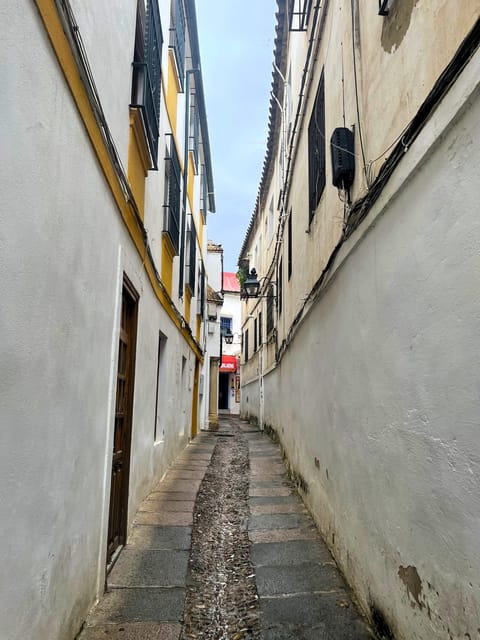
One of the tour’s strengths is that it doesn’t stop at big-ticket sites. You also walk through lanes like Calleja de la Hoguera, where the “small” street becomes part of the lesson.
The Jewish Quarter here is known for narrow, winding streets and whitewashed buildings. That physical layout does something to your imagination. It makes it easier to picture daily routines instead of only focusing on scholars and monuments.
I find these street walks useful for two reasons. First, they give you breathing room between interior stops. Second, they help you remember what you learned, because you’re learning with your feet.
If you’re short on time in Córdoba, this is also a smart way to make a concentrated neighborhood feel complete.
Plaza de Judá Levi: turning a name into a place
Another stop is Plaza de Judá Levi. This is exactly the kind of detail that can feel random if you’re just passing by. With a guide, it becomes a clue.
The name connects the area to the people who shaped Jewish intellectual life in Córdoba. You’re not only learning about famous scholars, you’re learning how the community branded its identity through public memory.
I like how this part of the tour reinforces the idea that history is both personal and public. People carried ideas in books and classrooms, but they also lived them in neighborhoods and spaces.
It’s a good moment to pause and look around slowly, because you’ll understand more of what you’re seeing than you would without the context.
Hasday Ibn Shaprut and the scholar network behind Córdoba
You also stop at Hasday Ibn Shaprut. The guide’s interpretation here matters, because it frames scholars as connectors. In other words, these weren’t isolated thinkers in a vacuum.
Córdoba became a place where Jewish scholars could thrive, and part of that story includes how communities supported learning. When you hear how figures like Hasday Ibn Shaprut connected the right people and ideas, you start to see the city as an engine, not a stage.
This is also where you may feel the tour’s “reflective” side. In one of the experiences I’m basing my expectations on, the guide’s storytelling made the past feel relevant to how communities share knowledge today. You don’t need to force a modern lesson, it just lands naturally when the guide explains the stakes of intellectual exchange.
If you enjoy biographies and cultural history, this stop is one of the most satisfying in the middle of the route.
San Basilio and the way the tour keeps showing you layers
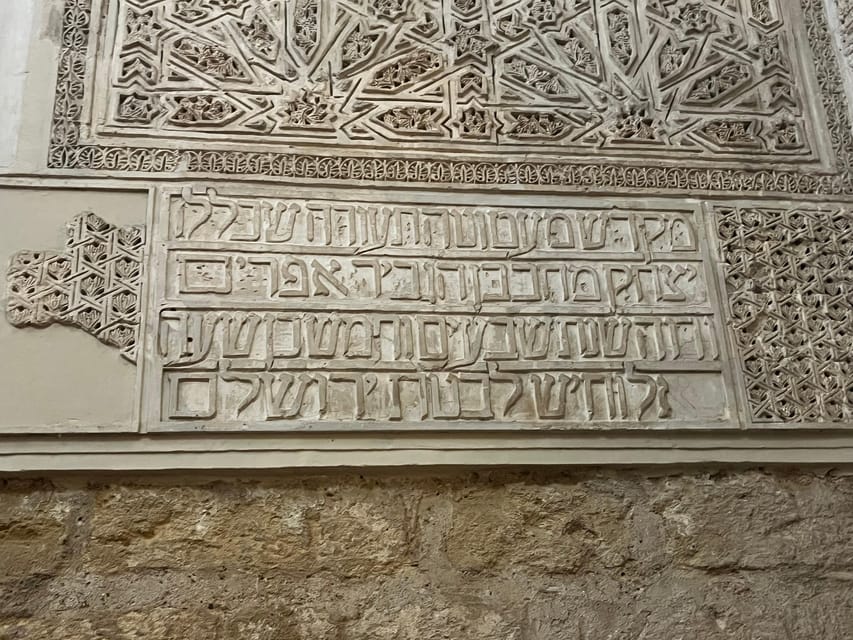
At San Basilio, the tour continues the pattern of connecting place to theme. Even if you’re not an architecture fan, it’s worth paying attention because the city’s religious and cultural layers are part of what makes Córdoba so compelling.
This stop can help you reset your brain after more character-driven story stops like Hasday Ibn Shaprut and Plaza de Judá Levi. You’re getting a different angle on the same theme: how communities coexist and leave traces.
I recommend using this moment to take a quick breath. The route is short, but you are outside in the historic quarter for most of it. A little pacing awareness will make the whole tour more enjoyable.
Moshe Ben Maimon monument and the story of RaMBaM’s wider impact
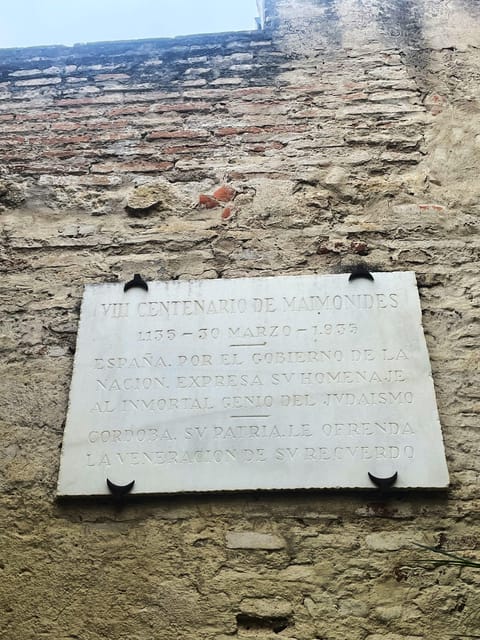
The tour includes the Moshe Ben Maimon monument, tied to RaMBaM. This is one of the easiest stops to remember later, because the monument gives you a focal point, and the guide’s story explains why Maimonides mattered beyond one community.
The tour highlights how his impact reached Jewish and Islamic thought. That detail is more than trivia. It helps you understand why Córdoba’s Jewish heritage is tied to a broader tradition of learning across cultures.
If you’ve read any Maimonides summaries, you’ll probably recognize names and themes in the way the guide explains the connections. If you haven’t, no problem. This tour gives you a clean starting point and keeps the big ideas grounded in a real location.
How long is it, and what $131 buys you in the real world
At $131 per person for 2 hours, you’re paying for two main things: access to guided visits and a focused route through the Jewish Quarter’s most significant sites.
You’re not buying a long day tour. You’re buying concentration. That can be a smart value in Córdoba because the city rewards focused attention. And with a private group, you’re not competing with other people’s questions or rushing through stops.
If you’re trying to decide between a self-guided walk and this guided format, here’s the practical way I’d think about it. If you want a meaningful experience and you like context, this tour is money well spent. If you only want pretty streets and photos, you could walk the neighborhood on your own. But you would miss many of the “why” answers.
Also, the fact that the tour includes the synagogue and the Mudejar Chapel visits (not just exterior viewing) is a strong practical reason to book a guide.
Private group guiding in English or Spanish, and what that means for your experience
This is a private group tour with a live guide in English and Spanish. That matters more than people think. Private guiding changes how a tour feels, because the guide can adjust pacing and answer your questions in real time.
In one of the guide experiences I’m using to shape expectations, Lola stood out for being friendly and happy to answer questions. That question-friendly style makes a difference with a topic like Jewish heritage in medieval Spain, where it’s easy to have follow-ups.
If you’re traveling with family or friends who want different levels of detail, a private format also gives you room to choose how deep you want to go at each stop.
Not included: Casa Sefarad, and how to plan your follow-up
One thing to plan around: Casa Sefarad (Sepharad Center) is not included in this tour. The good news is you can visit it after your tour if you want more museum-style context.
Think of this guide stop as the neighborhood and the key sites, then Casa Sefarad as the place where you might go deeper with exhibits. If your schedule allows, this pairing can work very well. You’ll have stories in your head as you enter the center, and the center can help you turn those stories into a bigger picture.
Practical tips so you get the most from the 2-hour walk
I’d treat this as a short walk tour, not a sit-and-chat experience. You’ll be outside in historic streets and moving between stops, so you’ll get more out of it with a little preparation.
- Wear comfortable, grippy shoes. The route includes narrow, winding lanes.
- Bring a small water bottle if the weather is warm, since you won’t be sitting long.
- If you like questions, start thinking of them before you reach the synagogue. The guide can answer as you go.
Because it ends near Puerta de Sevilla, you’ll have an easy next step. Just plan to keep exploring after the tour. Córdoba rewards that habit.
Should you book the Córdoba Jewish History Private Tour?
I think you should book this tour if you want a short, guided walk that connects the Córdoba synagogue, the Mudejar Chapel details, and major names like RaMBaM to real places. It’s also a good choice if you care about how Jewish thought interacted with the broader intellectual world, not just dates and architecture.
Skip it if you want a purely casual stroll with no structure and no interior visits, or if mobility is an issue. Since it’s not suitable for wheelchair users, you’ll need an alternative plan if access is a concern.
If you’re the type who likes your travel with context, this is a strong value way to spend two hours in Córdoba.
FAQ
What is the duration of the Córdoba Jewish History Private Tour?
The tour lasts 2 hours.
Where do I meet the guide?
You meet at Puerta de Almodóvar, in front of the Arch.
What sites are included in the tour?
The tour includes a guided visit to the Córdoba Synagogue and a visit to the Mudejar Chapel.
Is Casa Sefarad included in this tour?
No. Casa Sefarad (Sepharad Center) is not included, but you can visit it after your tour.
What languages is the tour guide available in?
The live guide is available in English and Spanish.
Is the tour wheelchair accessible?
No, the tour is not suitable for wheelchair users.
More Tour Reviews in Cordoba
Not for you? Here's more nearby things to do in Cordoba we have reviewed



More Córdoba Tours from Seville worth a look.
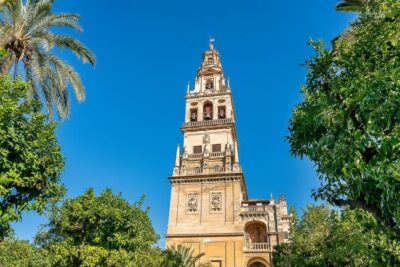 ★ 4.6Córdoba: Skip-the-Ticket-Line Mosque-Cathedral Guided TourFrom $319,634 reviews
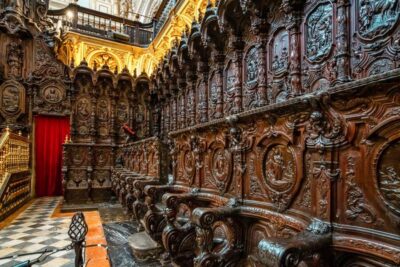 ★ 4.7Cordoba Mosque-Cathedral: Skip-the-Line Guided TourFrom $356,610 reviews
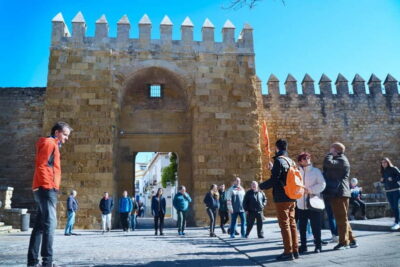 ★ 4.7Córdoba: Jewish Quarter, Mosque, and Alcázar TourFrom $504,279 reviews
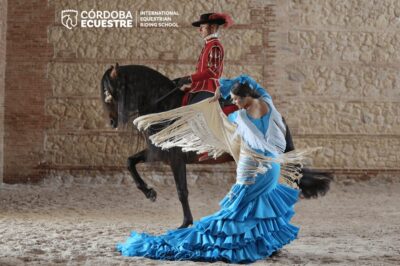 ★ 4.5Cordoba: Equestrian Show General EntryFrom $212,333 reviews
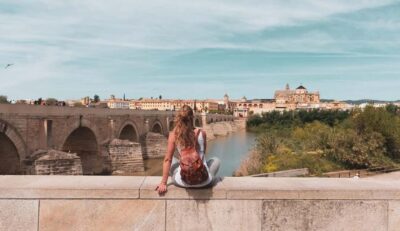 ★ 4.1Cordoba: Mosque-Cathedral E-Ticket with Audio GuideFrom $212,124 reviews
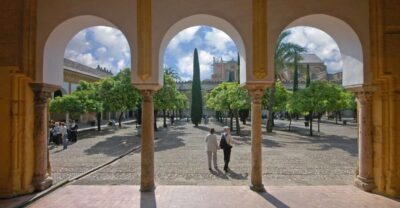 ★ 4.6Cordoba Mosque & Jewish Quarter Tour with TicketsFrom $401,996 reviews
 ★ 4.2Cordoba: Alcazar Guided Tour and Skip-the-Line TicketFrom $231,792 reviews
 ★ 4.7Córdoba: Skip-the-Line Great Mosque-Cathedral History TourFrom $381,690 reviews
Continue by place or experience