
REVIEW · CóRDOBA TOURS FROM SEVILLE
Córdoba: Tour of the three cultures to see the city in a day
Córdoba in two hours, three eras, one walk. I like how the tour links Jewish, Arabic, and Christian Córdoba into one clear storyline, and I love that synagogue entry tickets are included so you can see the real place, not just pass by it. One watch-out: it’s a walking-focused route and it’s marked not suitable for people with mobility impairments, even though it’s also listed as wheelchair accessible.
I also appreciate that the guide is local and official, and the energy is real. You’ll hear passion and good pacing from guides such as Paula, Antonia, Angie, and Angela, and even when the tour is in Spanish, they tend to explain key points between stops so you can keep up.
Key highlights at a glance
- Three cultures as your main thread, not random stop-by-stop sightseeing
- Synagogue tickets included, so the Jewish Quarter visit feels complete
- A wall-of-Córdoba perspective, helping you picture what the city was built to protect
- Maze-like La Judería streets with guided context, not just wandering
- A Roman Bridge finish, giving you an easy “last photo, then done” payoff
The Three Cultures idea that actually works in one day
Córdoba can feel like a lot, fast. This tour has a simple advantage: it organizes what you see into Jewish, Arabic, and Christian layers, so the city starts making sense instead of turning into a photo album. In a short walk, you get enough context to understand why certain neighborhoods, streets, and landmarks matter.
I also like that it’s not only “see the big sights.” You’ll learn how the city used to function, including how the wall of Córdoba shaped the feeling of being inside a protected, evolving place. That turns the maze streets and historic sites from scenery into story.
The pace is friendly for a short orientation. You’ll have multiple photo stops, quick guided moments at each stop, and breaks built into the route.
You can also read our reviews of more tours and experiences in Cordoba.
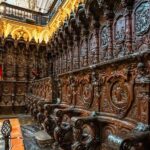
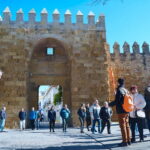
Starting at Plaza de las Tendillas, then letting the city sort itself out
You kick off in Plaza de las Tendillas, which is a practical choice. It’s central enough to feel like you’re stepping into the city right away, and it gives you a mental starting grid before you head into narrower streets.
From there, the walking takes you into different “modes” of Córdoba. You move from open squares to tighter lanes, and the guide keeps tying it back to how the city changed over time. I find that makes the whole experience more memorable because you notice how the city’s shape influences how people lived.
Roman Temple of Córdoba and Corredera Square: the city before the story gets complicated
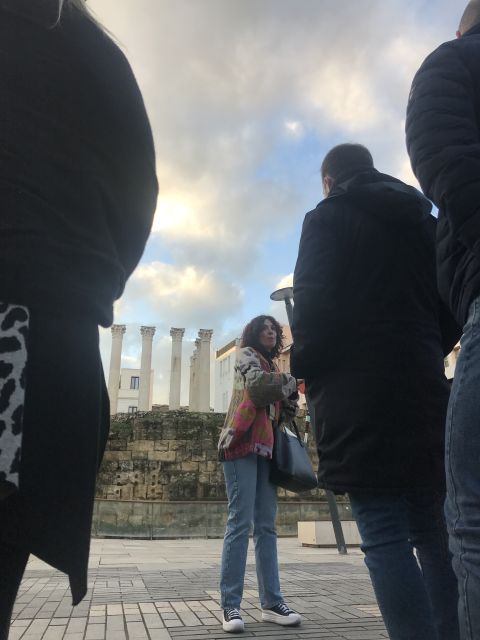
One early stop is the Roman Temple of Córdoba. Even if you know very little about Roman sites, it helps you anchor Córdoba in deep time. The guide’s job here is to connect the visible stone to the idea that this city has been re-used, rebuilt, and reinterpreted for centuries.
Next comes Corredera Square, another useful contrast point. Big squares change your sense of scale. After tighter historic zones, you get a moment of breathing space, and you also get a feel for where city life gathered.
Practical takeaway: use these early stops to get comfortable with the group pace and the guide’s rhythm. You’ll be glad you did before you hit the narrower streets later.
Plaza del Potro and Calle Pedro Jiménez: character, tradition, and the local tempo
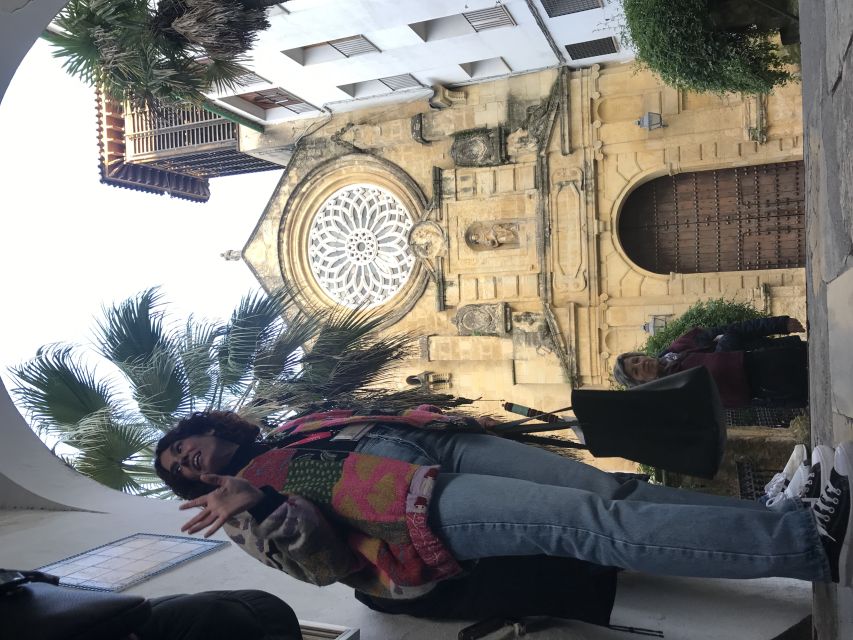
Plaza del Potro is a smart middle stop because it breaks up the Roman-era orientation and starts hinting at Córdoba’s human side. Squares like this are where you understand that historic places weren’t just monuments. They were lived-in stages.
Then you head along Calle Pedro Jiménez, which includes a break time. That matters in a 2-hour tour because it prevents the whole experience from feeling like a sprint. You get time to regroup, take photos without rushing, and reset your legs before the tight lanes.
This is also where you’re more likely to hear curiosities and legends tied to Córdoba’s identity. That blend of place and personality is one reason the tour works well for a first day.
Calleja de las Flores: where the streets start doing the talking
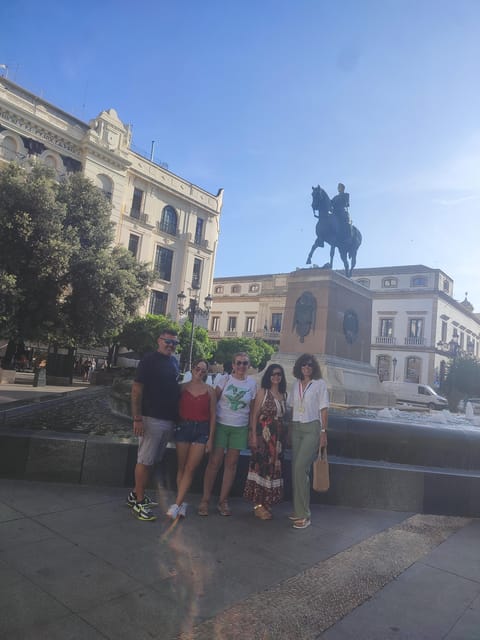
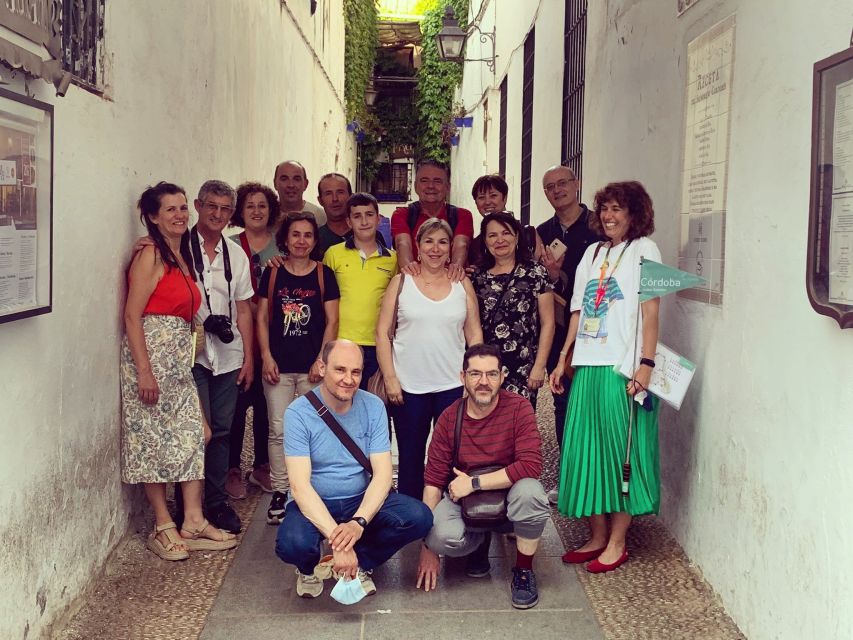
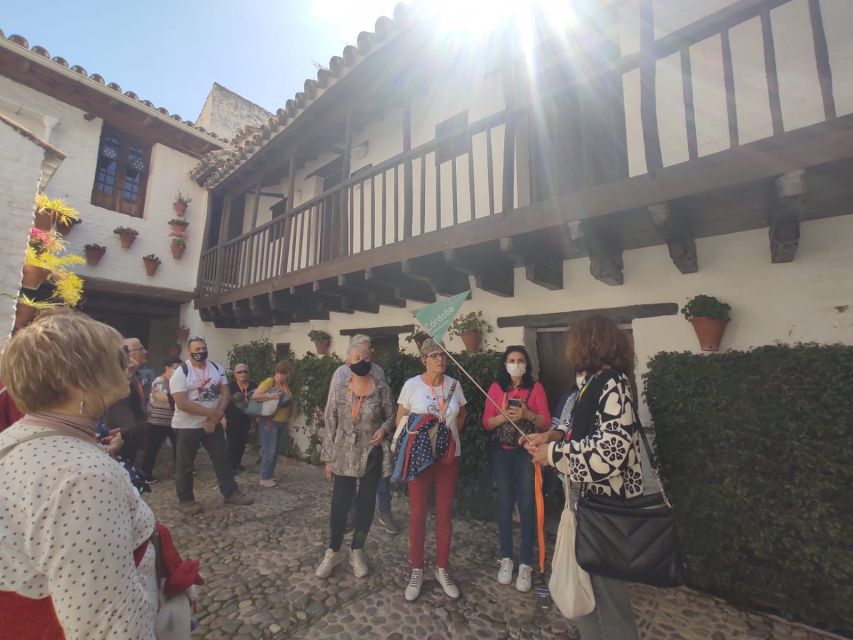
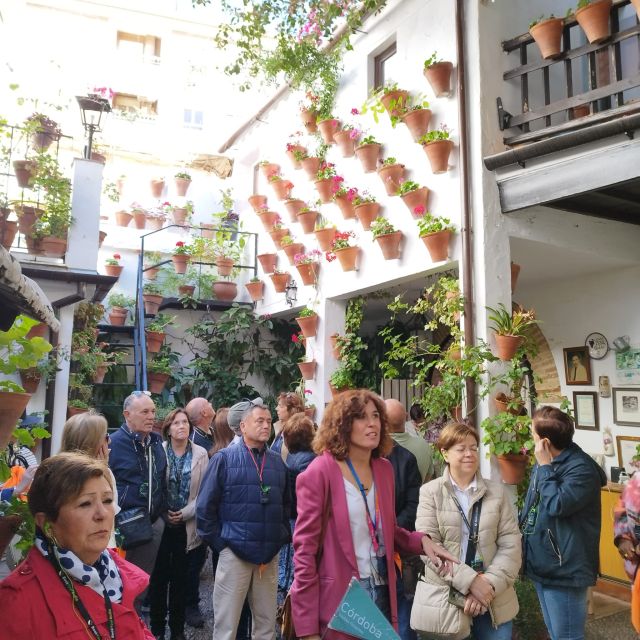
Calleja de las Flores is one of those spots where you immediately understand why Córdoba has a reputation for charming corners. It’s not the kind of street you want to speed through. The guide helps you slow down just enough to notice what makes the alley feel different from the open squares.
Expect photo stops and guided context here, so you’re not only admiring the scene. You’ll connect what you’re seeing to the broader story of how different eras shaped the city’s fabric.
Tip for you: if you’re prone to getting “photo tunnel vision,” remind yourself to listen for the cultural links the guide points out. This is where the three-cultures theme becomes more tangible.
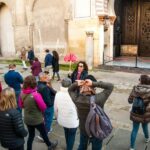
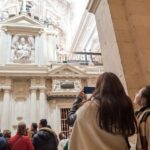
La Judería and the synagogue: the Jewish Quarter as a living maze
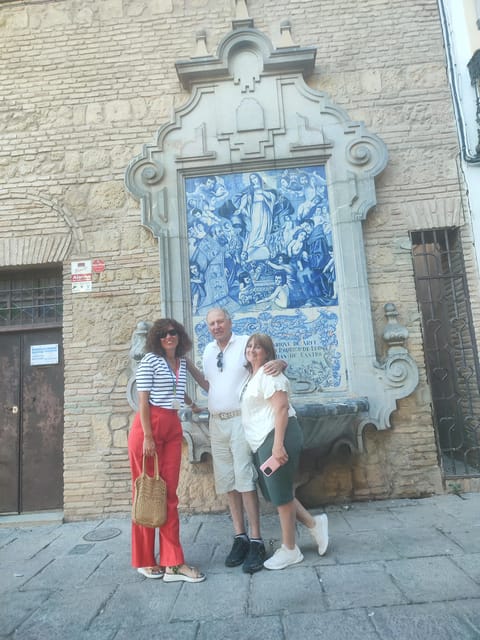
The heart of the tour is La Judería, Córdoba’s Jewish Quarter area. This is where the city’s layout becomes part of the lesson. The streets are labyrinth-like, and the guide’s commentary helps you understand how the neighborhood’s shape contributes to that feeling of going back in time.
You’ll also have synagogue entry included, which is a big deal for value and for meaning. Passing by a historic site can be easy to forget. Walking through and seeing the space makes the Jewish chapter of Córdoba’s story feel real and specific.
This section is also where you get the most help picturing the city’s earlier defenses. You’ll learn what the wall of Córdoba was like in the context of protection, boundaries, and city life. Even when you cannot “see everything” in ruins and remains, the explanation gives you a functional mental model.
One more thing I like: the tour keeps the focus on how Jewish, Arabic, and Christian eras formed the city’s culture together. It doesn’t treat them like separate museums that happen to be in the same zip code.
Finishing at the Roman Bridge: the clean wrap-up shot
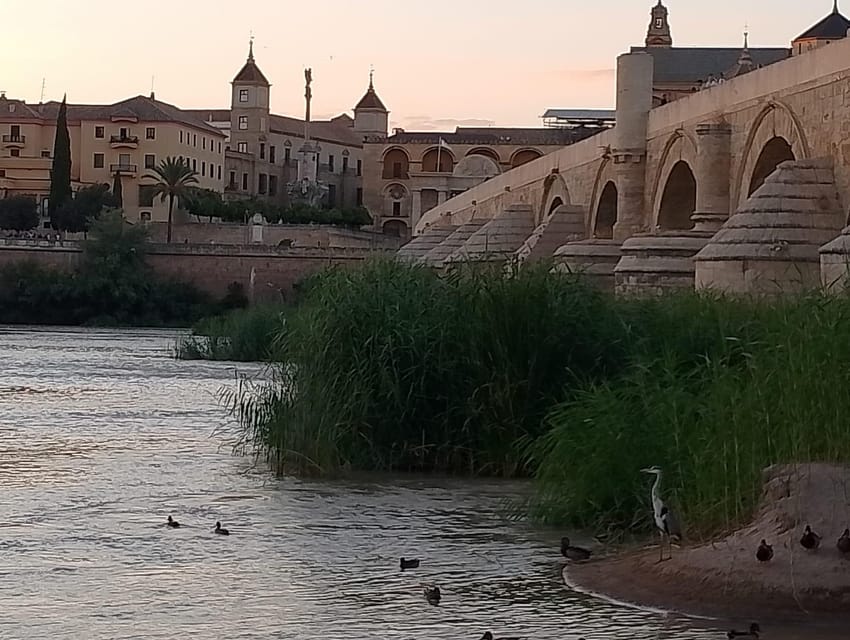
You end at the Roman Bridge of Córdoba. This is the best kind of finish for most people because it’s visually strong and easy to photograph, and it naturally signals the end of the walking loop.
A Roman bridge has a special advantage for tours like this. It ties together the idea that Córdoba sits on layers: Roman infrastructure, later cultural shifts, and centuries of change all feeding into the city you see today.
After 2 hours, you’ll have a stronger sense of where things are in relation to each other, so you can keep exploring without feeling lost.
Price and what you get for $11
At about $11 per person for a 2-hour guided walk, this tour is priced like a smart add-on. It’s not trying to be a full-day, sit-and-rest type of experience. It’s built for people who want a strong overview fast.
Here’s why the value feels solid:
- Synagogue tickets are included, which often costs extra on similar tours
- A live Spanish guide guides you through the street-level context
- You may get headsets when the group is larger than 15, which helps you actually hear the story
- There’s an audio guide included in Spanish
If you’re deciding what to do on your first day, this is the kind of tour that helps you spend the rest of your time with more confidence. You won’t just revisit landmarks, you’ll know what to look for.
Guide quality and language support: Spanish-led, but not left in the dark
The tour is guided live in Spanish, and it includes an audio guide in Spanish as well. That’s worth planning for if you don’t speak Spanish. Still, the pacing is designed so you can follow along with the big ideas.
The best sign is the guide’s approach. Guides such as Antonia and Angie come across as upbeat and very focused on making the city’s story understandable. In practice, that usually means they summarize key points between stops so you can stay with the group even if your Spanish is limited.
My practical advice: use the first half to “train your ear.” If you miss a detail here and there, don’t panic. The tour’s structure keeps returning to the three-cultures theme, so you regain your footing quickly.
Practical tips: shoes, weather, and the mobility reality
Bring comfortable shoes. The route is a walking tour through historic streets, including narrow lanes in La Judería. In old towns, “comfortable” means supportive soles and shoes that handle uneven paving.
Weather note: the tour runs regardless of weather conditions. So if Córdoba is hot or rainy during your visit, plan for it. Light layers, a small umbrella, and water or a quick snack can make the difference between “fun day” and “why did I wear these shoes.”
Accessibility needs some extra attention. The activity is listed as wheelchair accessible, but it’s also marked not suitable for people with mobility impairments. If you or someone in your group has mobility concerns, check directly with the operator so you get a truthful answer about the walking demands and route suitability for your specific needs.
Group size detail: headsets are provided when groups exceed 15 people. That’s a nice quality-of-life detail because you’ll hear the guide even when the streets get crowded.
Who should book this tour, and who might skip it
This is a great fit if:
- You want a first-day orientation that explains Córdoba’s major cultural layers
- You like walking tours where the guide adds meaning to what you see
- You’re short on time and want synagogue access with your overview
You might skip it if:
- Your mobility needs are limited and you need a very low-walking experience
- You prefer a longer, slower pace with more free time for independent exploration
If you fall somewhere in the middle, ask yourself what you want most on day one. If it’s context and a smart overview, this tour is a strong candidate.
Should you book Córdoba Única’s Three Cultures tour?
I’d book it if you’re trying to make Córdoba click quickly. The price is reasonable for what’s included, the route is short enough to handle as an intro, and the three-cultures theme gives you a clear way to understand what you’re seeing.
Do book with eyes open. It’s a walking-focused 2 hours, the guide leads in Spanish, and the Jewish Quarter section requires comfort with narrower streets. If that sounds fine, this tour is a very practical way to start seeing Córdoba as more than postcards.
FAQ
How long is the Córdoba three cultures tour?
The tour lasts 2 hours.
How much does the tour cost?
The price is listed at $11 per person.
What language is the tour guide speaking?
The live tour guide language is Spanish, and an audio guide in Spanish is included.
Is there an entry ticket included for the synagogue?
Yes, entry tickets to the synagogue are included.
Where does the tour start and end?
It starts at Plaza de las Tendillas and finishes at the Roman Bridge of Córdoba.
Does the tour run in bad weather?
Yes. The tour takes place regardless of weather conditions.
Is the tour accessible for wheelchair users or people with mobility impairments?
The activity is listed as wheelchair accessible, but it is also marked not suitable for people with mobility impairments. If you have specific mobility needs, it’s worth confirming with the provider before you go.
More Tour Reviews in Cordoba
Not for you? Here's more nearby things to do in Cordoba we have reviewed



More Córdoba Tours from Seville worth a look.
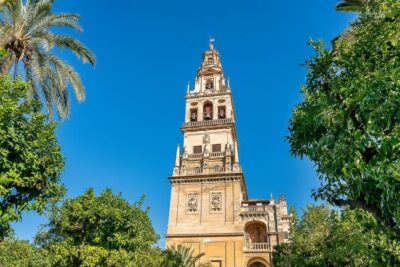 ★ 4.6Córdoba: Skip-the-Ticket-Line Mosque-Cathedral Guided TourFrom $319,634 reviews
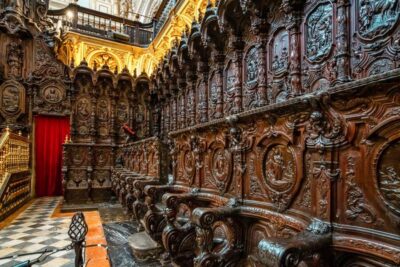 ★ 4.7Cordoba Mosque-Cathedral: Skip-the-Line Guided TourFrom $356,610 reviews
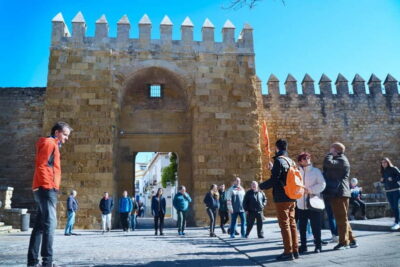 ★ 4.7Córdoba: Jewish Quarter, Mosque, and Alcázar TourFrom $504,279 reviews
 ★ 4.5Cordoba: Equestrian Show General EntryFrom $212,333 reviews
 ★ 4.1Cordoba: Mosque-Cathedral E-Ticket with Audio GuideFrom $212,124 reviews
 ★ 4.6Cordoba Mosque & Jewish Quarter Tour with TicketsFrom $401,996 reviews
 ★ 4.2Cordoba: Alcazar Guided Tour and Skip-the-Line TicketFrom $231,792 reviews
 ★ 4.7Córdoba: Skip-the-Line Great Mosque-Cathedral History TourFrom $381,690 reviews
Continue by place or experience