
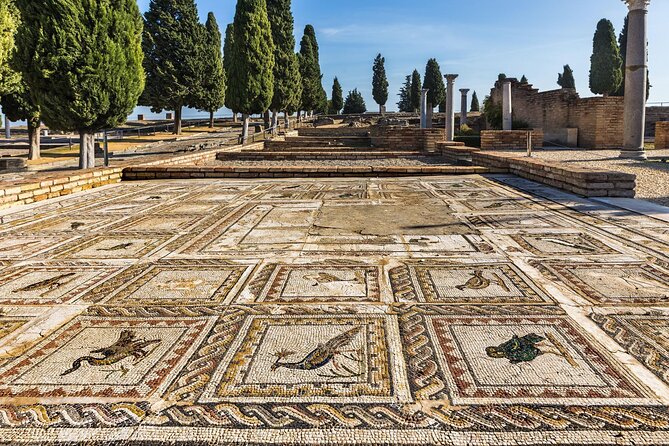
REVIEW · ITáLICA RUINS FROM SEVILLE
Excursion to Italica from Seville
It’s one of the fastest ways to see two very different time periods. This excursion takes you from Seville to ancient Itálica in about 15 minutes, then continues to the San Isidoro del Campo monastery, so you get Roman ruins and medieval art without juggling buses or tickets. I especially like the way the guide turns the site into a story you can follow, and how the tour includes time at the big-ticket sights like the amphitheater and theatre. One thing to consider is that this is a 5-hour, structured loop, and it may feel a bit short if you want to linger for photos at every corner.
The group stays small (up to 8), and you ride in an air-conditioned vehicle with a guide-driver, which makes the day feel easy. You’ll also get English commentary and a mobile ticket, so you can focus on the ruins and not on logistics. If you’re heat sensitive, plan for a morning start and wear comfortable shoes, because you are walking through an archaeological site.
Key Highlights to Know Before You Go
- Small group size (max 8) means more chances to ask questions.
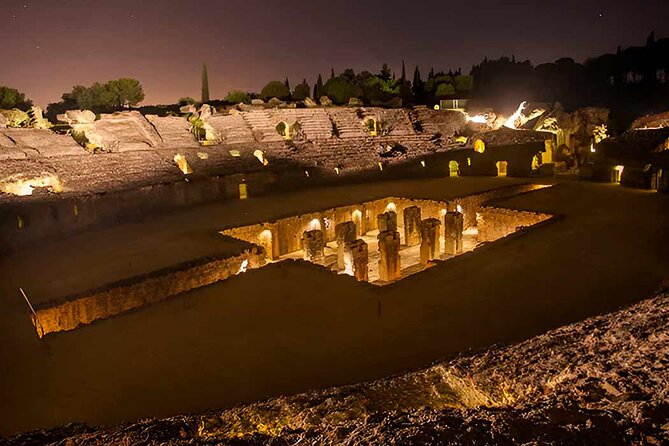
- Itálica’s amphitheater is the third largest in the world, with capacity for about 25,000 spectators.
- Admission included at both stops saves time and makes the tour feel like real value.
- San Isidoro del Campo mixes Mudejar, Gothic, and Baroque styles in one medieval fortress-like complex.
- English guide-driver team keeps the history clear and practical.
Roman Itálica From Seville: The Easy Morning That Actually Works
Seville is one of those cities where you can fill every day, and still feel like you never leave the center. This trip is a relief because it’s built to get you out fast and back without drama. You start at Sevilla Moving, near public transportation, and you set out around the 9:30 a.m. mark after a 9:00 a.m. meeting time. In just over 15 minutes you’re in Santiponce, at the doorstep of one of the most important Roman sites in the area.
I like that the schedule is tight enough to keep momentum, but not so rushed that you’re only staring at signage. Also, the tour uses an air-conditioned vehicle and private transportation, so the ride feels controlled, not chaotic. With this format, you get a full dose of Roman architecture and then still have time for a second stop that is totally different in mood and materials.
If you’re the type who likes your history explained in plain language, you’ll probably enjoy this. Several people praised the guide for being friendly and engaging, and for sharing lots of context you can carry with you while you walk. That matters at Itálica, where the layout can feel like “just ruins” unless someone points out what each building type used to do.
You can also read our reviews of more tours and experiences in Seville.



The Amphitheater and Roman Theatre: Seeing Roman Spectacle Up Close
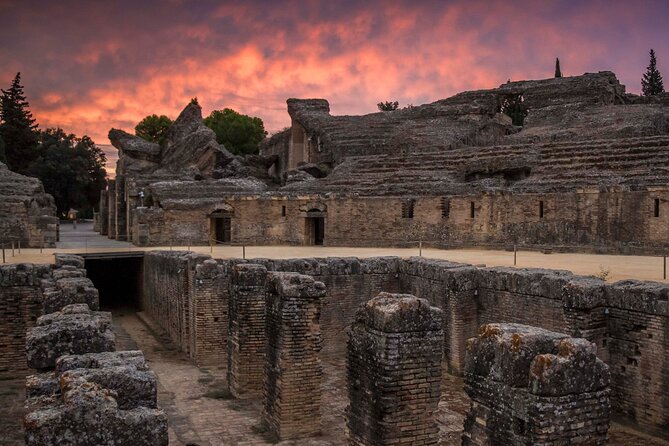
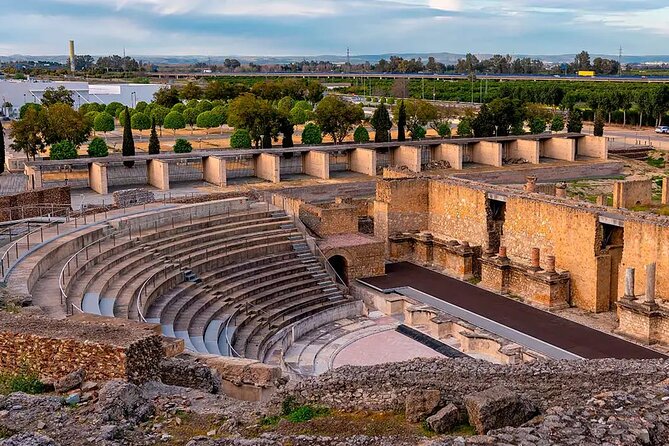
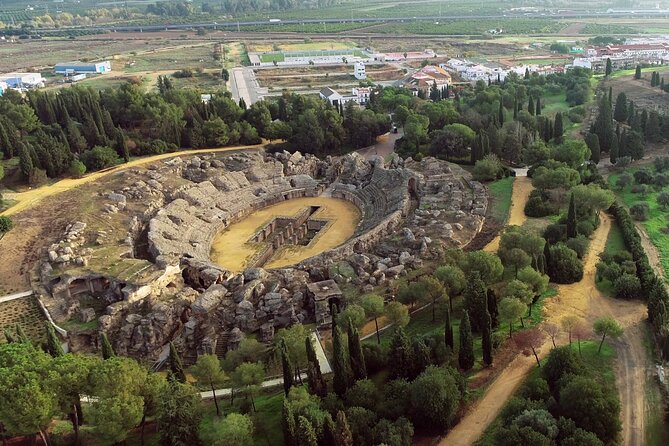
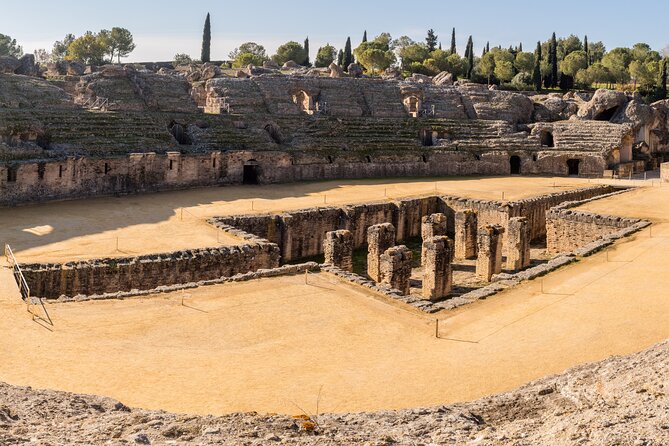
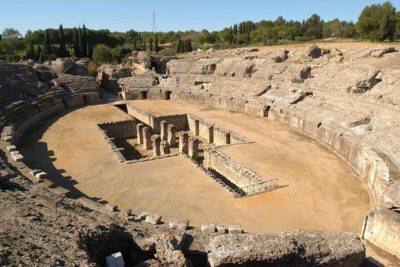
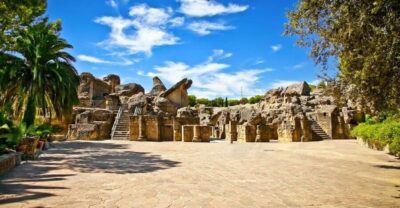
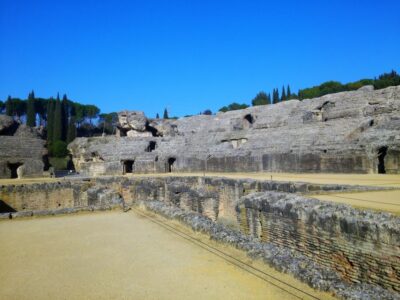
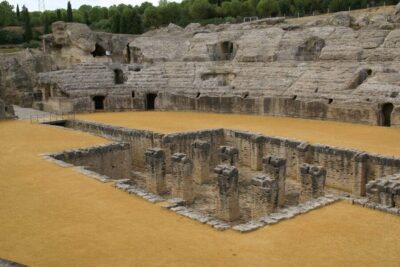
The first stop is the Anfiteatro de Italica, and it’s the kind of place where your brain suddenly goes, okay, this was serious. The amphitheater is described as the third largest in the world, with seating for around 25,000. Even if you don’t care about gladiator history specifically, you’ll get the scale quickly, because the structure is made to hold huge crowds and amplify drama.
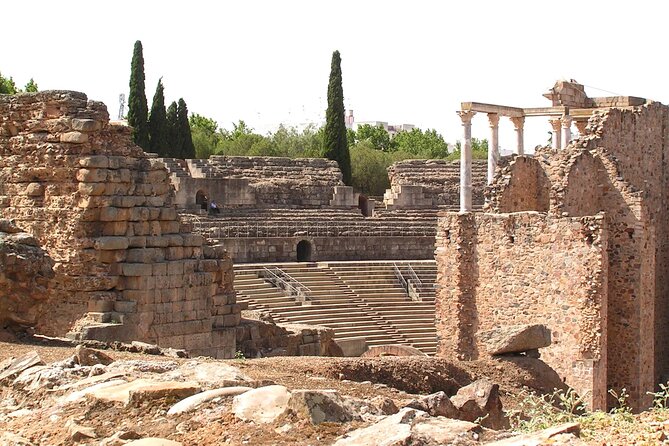
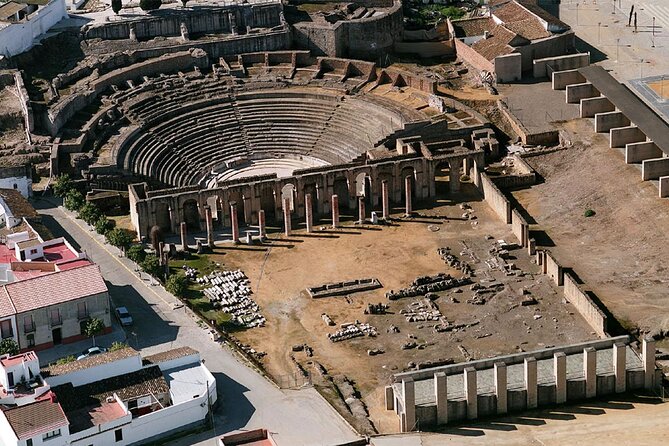
The tour includes about 3 hours at Itálica, so you’re not only taking a quick look and moving on. You’ll walk along Roman streets and see key features that help you understand how the site functioned. One highlight is the amphitheater itself, where those famous gladiator fights took place in Roman times. Then there’s the Roman Theatre, discovered in the middle of the 20th century, which gives you a contrast to the amphitheater.
That contrast is useful. Amphitheaters were about spectacle and crowd intensity, while theatres were about performance and social life. If you’ve visited other Roman sites, you might notice the patterns right away, but here you also get the local angle: Itálica is tied to emperors like Hadrian and Trajan, and learning that before you look around makes the walls feel less random.
A possible drawback is that the biggest attention goes to the major structures. If you want an ultra-deep archaeology session, you may wish you had extra time after you see the amphitheater and theatre. Still, for a half-day style outing, the pacing is smart.
Walking Itálica’s Roman Streets: Mosaics, Baths, and Real Domestic Life
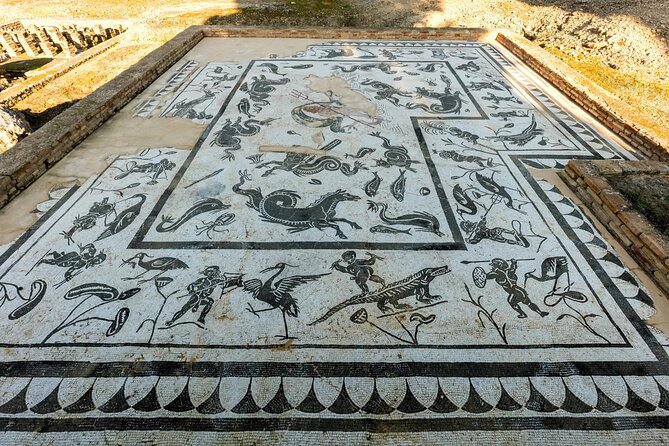
Here’s what makes Itálica more than just “a big amphitheater”: the site includes residential spaces, mosaics, and public facilities that help you picture everyday life. On this tour, you walk past preserved wonders like mosaics and thermal baths, so you’re not stuck only with outer walls and broken columns.
One set of rooms you’ll hear about are houses such as Neptune’s and the House of the Birds. These names are more than trivia. They cue you into how mosaics and decorative themes worked as status displays and artistic identity inside Roman homes. When you stand where those floors were meant to be seen, it’s easier to understand why the Romans cared so much about color, pattern, and narrative imagery, even in domestic settings.
The thermal baths are another strong reason to go with a guide. Bath complexes can look similar across sites if you’re not sure what to look for. With context, you start recognizing how these places fit into daily rhythms, from bathing routines to socializing. You also get to move through Roman streets in a way that helps you grasp the city layout.
If you’re the kind of visitor who loves asking questions, you’ll likely appreciate that the guide’s format leaves room for it. People specifically called out that they could ask questions and get helpful insights while walking. That’s exactly what turns ruins into understanding.
And yes, there’s an extra layer of perspective here: Itálica is not yet recognized by UNESCO, but it clearly represents heritage worth paying attention to. That doesn’t automatically make it better or worse than UNESCO sites. It does, however, mean you may enjoy a more focused, less touristy feel, especially compared with the most famous Roman names.
San Isidoro del Campo: A Medieval Fortress with Mudejar, Gothic, and Baroque Works
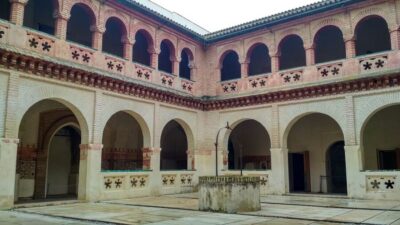
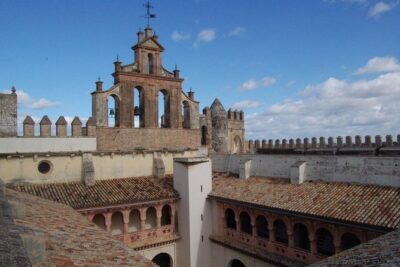
After the archaeological stop, the tour moves on to the Monasterio de San Isidoro del Campo. This is where the day changes texture. Instead of open-air Roman ruins, you get a medieval complex that feels like a fortress, and the decoration spans multiple artistic phases.
You’ll have about 2 hours here, which is enough to take in the big architectural beats and still slow down for artworks like paintings and murals, plus sculptures highlighted during the visit. The monastery is described as hiding treasures from the Mudejar, Gothic, and Baroque periods. That mixture is a big deal because Spain’s layered history shows up physically, not just in books.
What I like about this stop is that it gives you variety without requiring a second transport headache. You leave Itálica, transition to the monastery with the same guide team, and then you return to Seville afterward with the tour ending back at the meeting point.
A realistic consideration: churches and monasteries can sometimes involve stairs or uneven surfaces. The tour notes that most travelers can participate, but like any historic site, your comfort will depend on your mobility. Comfortable shoes are the safe play.
If you’re curious about how different styles can live side by side, this monastery is a good match. You see how the later periods responded to earlier structures and tastes, and that helps you understand why Andalusian art feels so layered.
The 5-Hour Timing: How to Plan Your Day Around It
This tour runs about 5 hours, and that matters for planning because Seville is full of good evening options. If you want to keep the afternoon flexible, this works nicely. You get the morning’s “big impact” sights, then you’re back in Seville with the rest of the day for tapas, museums, or simply wandering neighborhoods at your own pace.
The tour starts at 9:00 a.m. at Sevilla Moving, with departure around 9:30 a.m. The first site takes about 3 hours, then the monastery takes about 2 hours. That structure means you won’t feel like you’re spending your entire day in transit or waiting around. You’ll also be with a guide-driver, which typically makes the transition between stops smoother than a do-it-yourself plan.
Because food and drinks are not included, I suggest you treat this like a true morning expedition. Have breakfast before you go, or grab something quick near your start point if you need to. Then plan to eat after you return. Keeping that in mind will make the second half more comfortable, especially if you’re used to snacking regularly.
Group size is capped at 8, which is another timing advantage. Smaller groups tend to move more efficiently through entrances and meeting points, so you lose less time.




Value Check: Is $83.08 Worth It?
At $83.08 per person, this tour isn’t the cheapest option in Seville, but it also isn’t overpriced when you look at what you’re actually getting. You’re paying for a guide-driver, air-conditioned vehicle transport, and admission included for both main stops. That last part is the hidden value. Museum tickets and site entries can add up fast, and having them bundled saves you time and decision fatigue.
Also, this is a guided experience in English with a small group. If you’ve ever tried to do major ruins on your own, you know how quickly “cool place” becomes “what am I looking at?” The guide role is not optional here. It’s the difference between seeing mosaics and understanding why they matter, between walking past a theatre and realizing what kind of city life it supported.
So who is it best for? People who like history, archaeology, and architecture but don’t want to spend half their day figuring out routes. It’s also a good fit for couples, solo travelers, and anyone who appreciates a clear pace, with the chance to ask questions.
Who might want a different option? If you want unlimited time in one location, or if you’re strongly interested in deep technical archaeology details without interpretation, you might feel the schedule is too compact. But for most visitors doing Seville as a trip with limited hours, the mix of Itálica plus a monastery is a strong use of your time.
How the Guide Makes the Difference (and Why It Shows in Reviews)
The most praised aspect of this experience is the guide quality. People highlight that guides like Miguel can explain Roman sites clearly and add insights that you wouldn’t guess from the remains alone. They also mention friendly, engaging delivery, plus the ability to ask questions during the walk.
That’s exactly what you want at Itálica. Roman ruins are full of visual clues, but you still need help connecting the dots. When a guide points out which spaces were domestic versus public, why mosaics were placed where they were, or what the amphitheater’s scale implies about Roman entertainment, the whole place “locks in” emotionally.
The monastery visit benefits too. Mudejar, Gothic, and Baroque elements can blend together at first glance. A good guide helps you see transitions, not just collections of art.
If the weather is good, the outdoor portions feel far more enjoyable. Several comments praised the fact that conditions allowed a pleasant visit. Even if the weather is mild, keep expectations practical: you are outdoors at an archaeological site, so wear sun protection and hydrate before you start walking.
Quick Practical Tips to Get the Most Out of This Tour
A few small choices can make the day feel smoother.
- Wear comfortable walking shoes, because you’ll cover the Roman streets and site paths.
- Bring water since drinks aren’t included.
- Plan for sun, especially if the day is bright, and consider sunglasses or a hat.
- Keep your questions ready for the guide, this format supports back-and-forth.
One more practical point: you’ll be using a mobile ticket, so have your phone charged and accessible before you arrive.
Should You Book This Itálica and San Isidoro del Campo Excursion?
I recommend booking if you want a guided half-day that covers two highlights with admissions handled for you, and you like history that’s explained in a human way. The small group size and the guide’s strong reputation for answering questions are big reasons this works.
I’d skip it or choose a longer alternative if you tend to get frustrated by fixed time slots, or if you want to spend hours in one site without moving on. Also, if you’re extremely sensitive to walking or uneven surfaces, you should think carefully, because you’ll be out at archaeological terrain plus a monastery complex.
For most people visiting Seville, this is a smart way to see beyond the city streets, with Roman Itálica doing the heavy lifting in the morning and San Isidoro del Campo giving you a powerful shift into medieval Spain.
FAQ
How long is the excursion to Itálica from Seville?
It lasts about 5 hours.
What’s included in the tour price?
You get air-conditioned vehicle transport, private transportation, a guide-driver, and admission tickets for both Itálica and the San Isidoro del Campo monastery.
Is food and drinks included?
No. Food and drinks are not included.
What language is the tour in?
The tour is offered in English.
How many people are in the group?
The tour has a maximum of 8 travelers.
Where do I meet, and when does it start?
You meet at Sevilla Moving, C. Luis Montoto, 19, Local Bajo, 41003 Sevilla. Start time is 9:00 a.m., and the excursion departs from Seville around 9:30 a.m.
What ticket do I need?
You’ll use a mobile ticket.
What is the cancellation policy?
Free cancellation is available up to 24 hours in advance of the experience start time for a full refund.
Is the tour near public transportation?
Yes. The meeting point is near public transportation, and most travelers can participate.
More Tour Reviews in Seville
Not for you? Here's more nearby things to do in Seville we have reviewed









More Itálica Ruins from Seville worth a look.
 ★ 4.5From Seville: Italica Roman City & Medieval Monastery TourFrom $461,051 reviews
 ★ 4.5Historical Italica: Half-Day Guided Tour from SevilleFrom $47416 reviews
 ★ 4.3Game of Thrones and Roman Empire Italica TourFrom $21372 reviews
 ★ 4.5Visit to Italica Roman Ruins Tour tickets includedFrom $19285 reviews
 ★ 4.2Italica Roman Ruins City TourFrom $21147 reviews
 ★ 4.4From Seville: Italica Roman City TourFrom $51139 reviews
 ★ 4.9From Seville: Half-Day Guided Bike Trip to ItalicaFrom $53126 reviews
 ★ 5.0Private hald day tour to the historic roman city of ItalicaFrom $9343 reviews
Continue by place or experience