
REVIEW · ITáLICA RUINS FROM SEVILLE
From Seville: Italica Roman City Tour
It takes you from modern Seville back to Rome. I love how the tour packs Italica’s big highlights into a tight 4 hours, with real structure on what to look for, from the streets to the seating. The main trade-off is that the pacing is efficient, so you will not have hours to wander on your own.
My favorite parts are the Italica Amphitheater experience and the uncovered mosaic floors, especially when the guide ties everything to how Romans actually lived. Guides like Jose Luis and Jesus have been called out for making the place feel understandable, not like a pile of stones. One consideration: some groups can run large, so you may want to position yourself so you can hear the narration.
Key Highlights Worth Marking on Your Mental Map
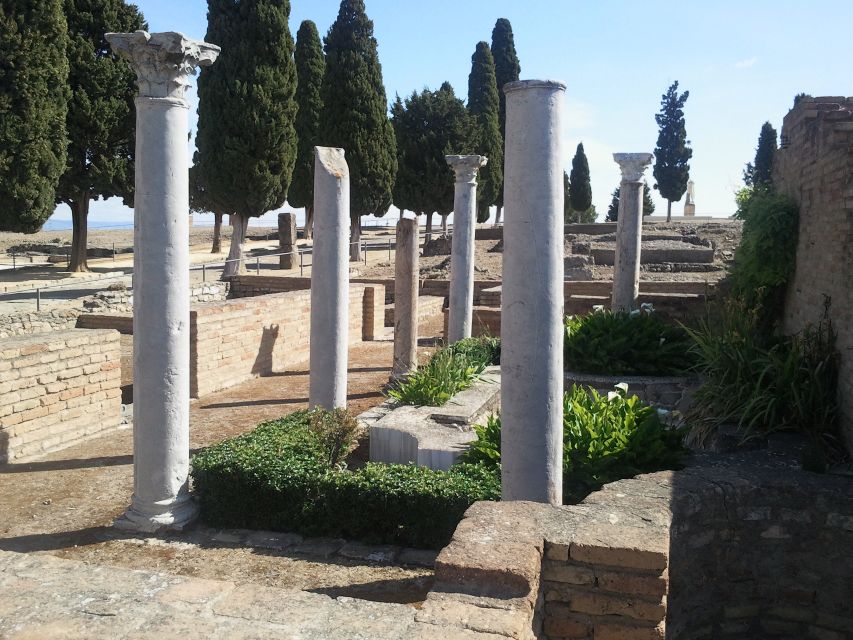
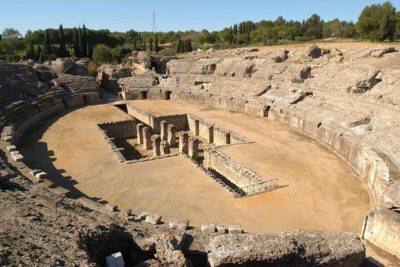
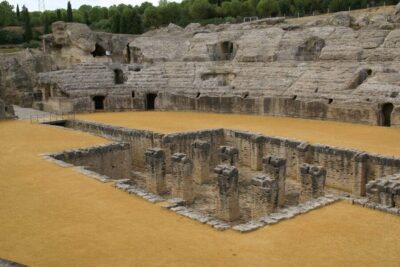
- The amphitheater: built for about 25,000 spectators, and still the third largest in the Roman world
- Roman streets and public buildings inside the Archaeological Ensemble of Itálica
- Mosaics and major sites like the Traianeum and Roman baths
- Santiponce Roman theater with a partially reconstructed stage area
- Transport + entrance included, plus skip-the-line access
- Guide-led storytelling, with several guides praised by name (Jose Luis, Jesus, Alberto, Miguel, Nieves)
From Seville to Italica: Easy Pickup, Real Time-Saver
This is the kind of half-day trip that makes sense if you are trying to see more than one thing without burning the whole day on logistics. You get a coach ride from Seville, with round-trip transportation included. The meeting points are in easy-to-reach areas around the center, not out in the outskirts.
Pick-up times listed for the morning include:
- 09:45 Calle Rastro, 12A
- 09:50 Hotel Don Paco, Plaza Padre Jerónimo de Córdoba nº4
- 10:00 Calle Trajano, 6
From there, you ride out to Italica, about 15 minutes from Seville by car, which helps you start sightseeing without feeling like you are commuting all morning. The tour window is 4 hours total, so the schedule stays focused.
One practical note: there can be surprises in how the day runs. The operator notes that the order of visits may change due to unexpected circumstances, and the tour may run in two languages to keep things moving. That is not a bad thing, but it does mean you should treat the day like a guided route, not a strict script.
You can also read our reviews of more tours and experiences in Seville.



Archaeological Ensemble of Itálica: Where the Ruins Become a City
Once you are at Italica, the best way to enjoy it is to think like a Roman for a few hours. This is not just a monument. It is a whole Archaeological Ensemble of Itálica, laid out so you can walk old streets and picture daily life.
You typically spend the tour’s main chunk walking through the ruins of:
- house areas and neighborhoods
- public buildings
- key architectural pieces that show why Italica mattered
The city’s Roman origin is a big part of why this site feels different from random ruins. Italica is described as the first authentically Roman city in Spain, founded in 206 B.C. by Roman general Publius Cornelius Scipio Africanus. It is also tied to later emperors, including Trajan and Hadrian, which is why the guide’s context matters so much here.
I like the way the guide’s stories help you connect the dots. Several guides were praised for explaining not just what you see, but what it meant. Jose Luis and Jesus, for example, were singled out for clarity and how much detail they brought. The point is simple: if you only look at walls, it can feel flat. If someone puts them in context, you start noticing the patterns in the streets, the social spaces, and the way entertainment and status were built into Roman life.
Traianeum, Statues, and Public Space That Feels Purposeful
Among the standout elements are the Traianeum and the religious or symbolic spaces tied to Roman emperors. Even if you are not a classical-architecture specialist, the tour design is meant to guide you toward the meaning of these sites.
You will also see statues associated with major figures such as:
- Diana
- Venus
- Trajan
These are not random name drops. They help you understand how Roman power and culture showed up in public spaces. The Traianeum in particular gives you a sense of how an empire-centered identity was staged on the ground, right inside the city fabric.
And then there are the practical spaces that make Italica feel real: the tour includes sights connected to public baths. That matters because baths were a daily ritual and a social engine. When a guide points out what you are standing near, it stops being abstract history and becomes architecture you can almost use in your imagination.
Italica Amphitheater: The Moment You Will Remember
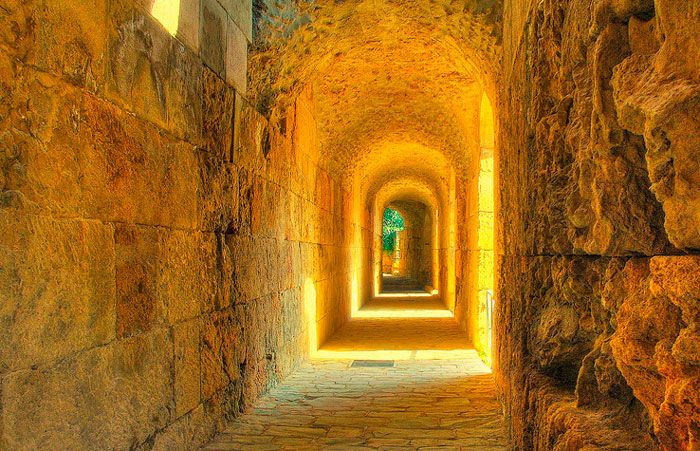
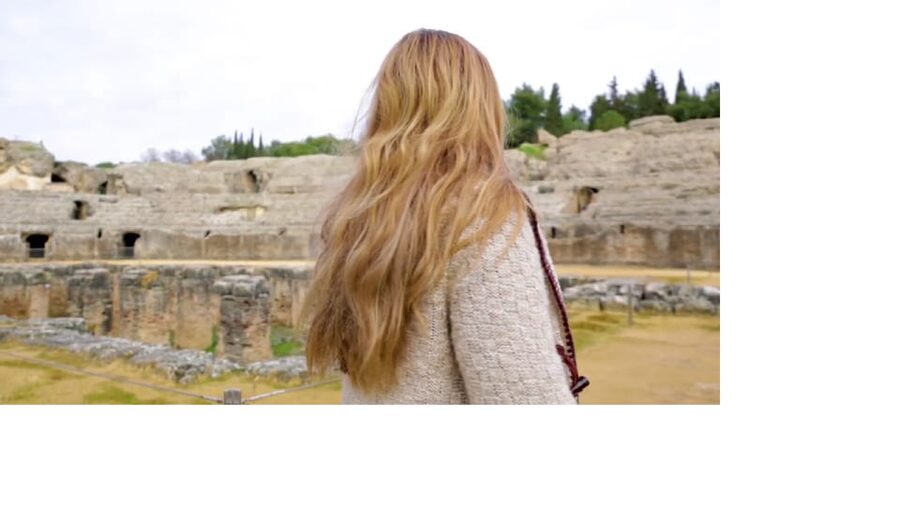
If you do only one thing at Italica, make it the amphitheater. This is a big deal in scale and in how well it helps you picture Roman crowds.
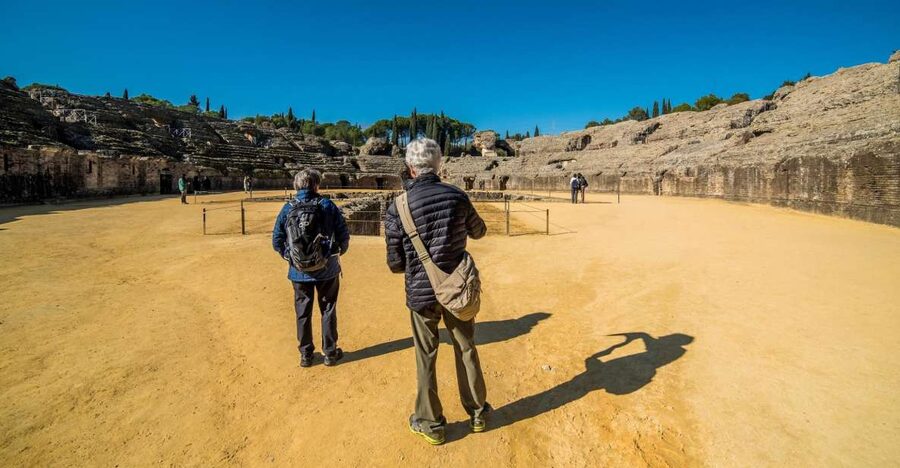
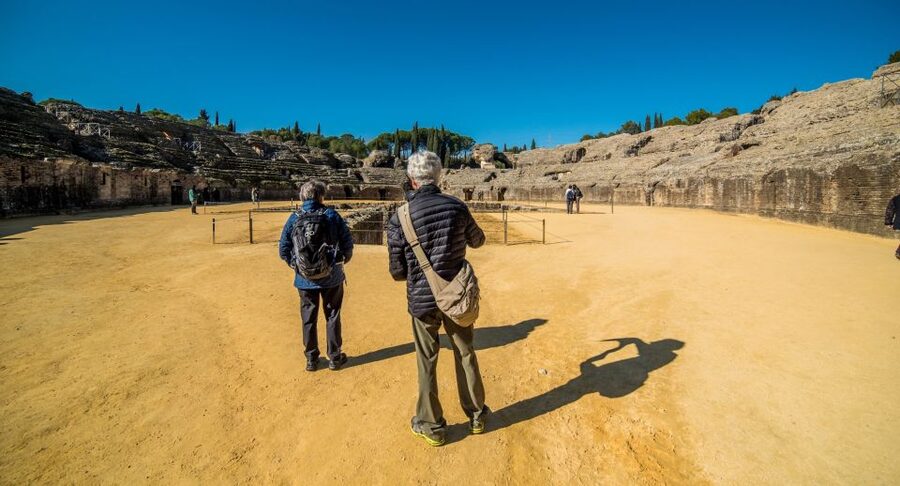
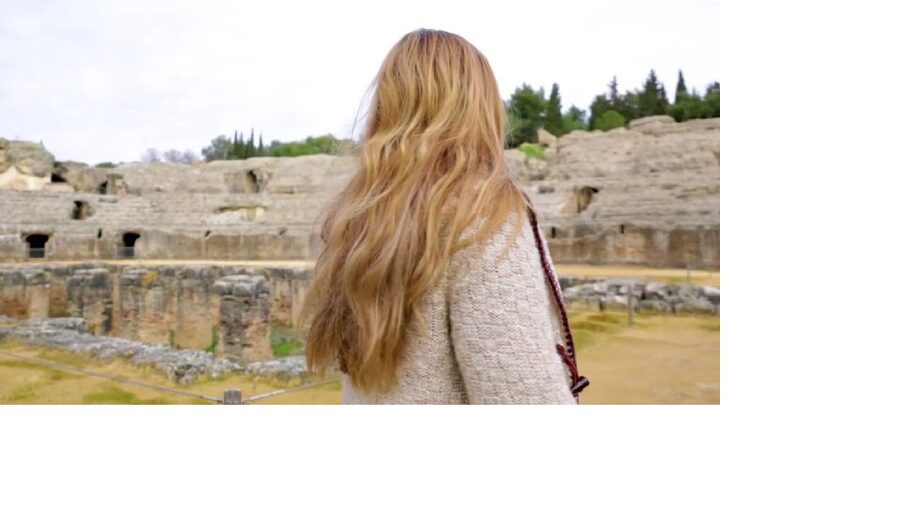
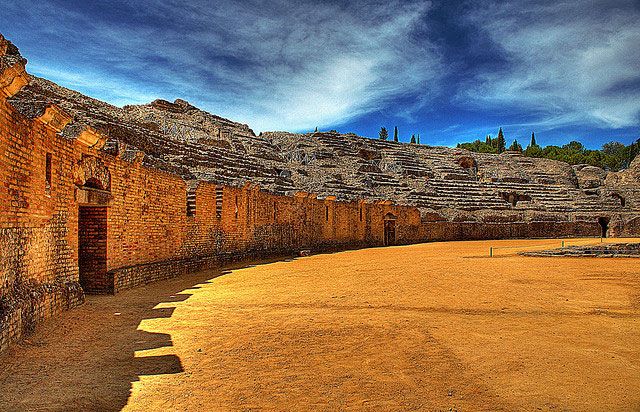
The amphitheater had a seating capacity of around 25,000, and it is described as the third-largest amphitheater in the Roman Empire. That number is impressive, but the bigger value for you is how the guide helps you visualize where people sat, how sound and movement would work, and what kind of spectacle these arenas held.
One detail that came up in reviews is access to spaces under and around the seating. Sarah mentioned walking through tunnels under the coliseum seating, which is the kind of small experience that turns a stop into a memory. If your departure allows those passages, take your time in them. It is one of those “oh wow” moments because you see the venue like a Roman might have approached it.
Bring a bit of patience here. The amphitheater is a highlight, so the group attention can get concentrated. That is normal. If your group is large, it can be harder to hear from every angle, so try to stand where you can face the guide.
Mosaics in Italica: Why the Floor Matters More Than You Think
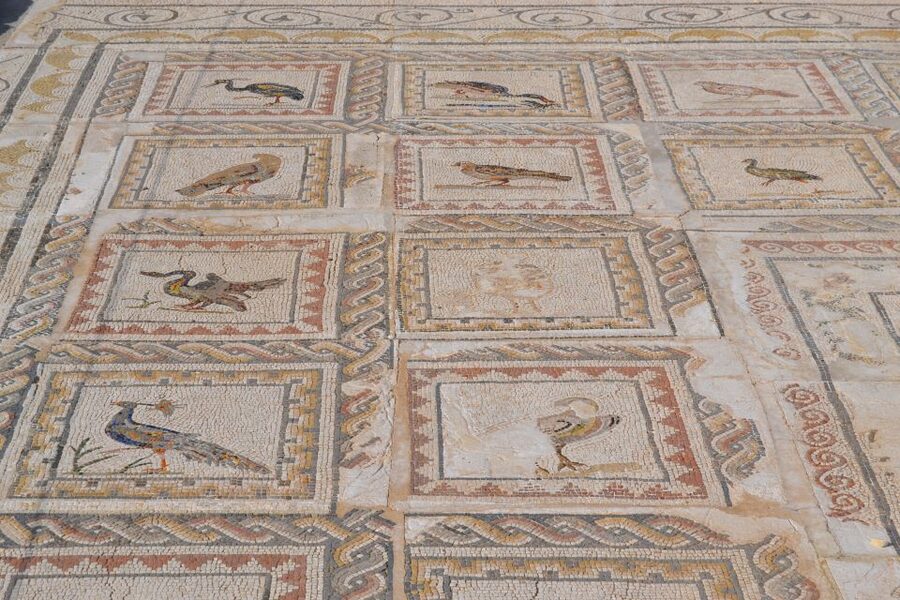
A Roman city is full of big structures, but what often grabs people are the mosaics. They are visually gorgeous, yes. But they also tell you something about what the city valued and who had access to decoration.
The tour experience includes mosaic floors in the excavated homes. You do not just get to see the patterns. With a good guide, you learn how they functioned, how you might have interpreted them, and how they connect to wealth and status.
Jenna and others specifically praised the mosaic flooring as a highlight. I agree with that instinct. When you stand over a mosaic that has survived in place, it is a reminder that the Romans invested in everyday beauty, not only in monuments.
If you like photography, this is also where you can get shots that look better than your usual ruin pictures. The trick is to watch the light and slow down. Mosaics reward close attention.




The Partially Reconstructed Roman Theater in Santiponce
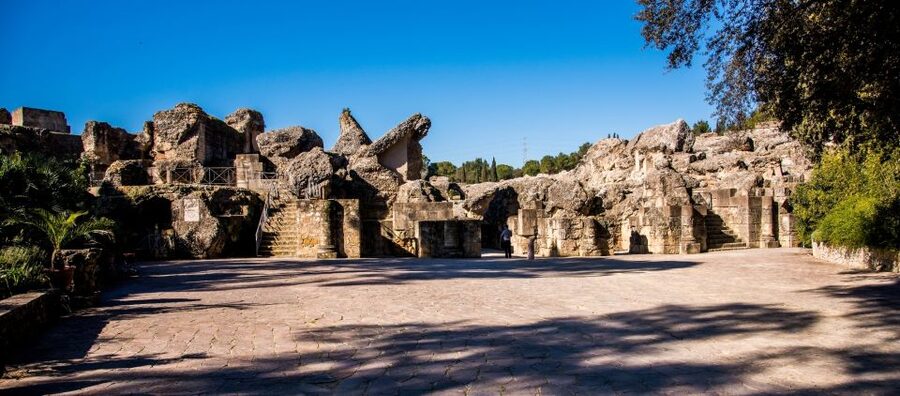
After Italica, the tour includes a stop at Santiponce, where you see a Roman theater with a portion that is partially reconstructed. This is the balance point of the day: you go from the amphitheater’s arena style to a theater built for performances and speeches.
The partially reconstructed stage area helps you understand how the space worked. Without that context, a theater can feel like a curved wall. With it, you can better imagine where performers stood and how the audience would have faced the action.
This stop also supports a deeper understanding of entertainment in Roman culture. Amphitheaters were about spectacle and crowds. Theater spaces were about storytelling, drama, and structured performance. Seeing both in one tour gives you a fuller picture without needing extra trips.
Timing and Pacing: A 4-Hour Tour With a Tight Focus
This is a half-day tour, so the schedule is structured. The bus segments take time, and then the guide-led walk takes time, leaving less for solo drifting.
That works in your favor if you:
- want an efficient introduction
- like having someone show you what to notice
- are short on days in Seville
But it can feel limiting if you crave long breaks and free wandering. One reviewer noted they hoped for more time to explore on their own, and another said there was not much time for personal exploring. So plan for this as a guided experience first, rather than a self-guided ruins day.
Also pay attention to comfort. Some guides and groups can move briskly, especially around the amphitheater and mosaics. Wear shoes you trust on uneven ground, and bring a light layer. In open-air ruins, the weather shifts your mood fast.
Price and Value: Is $51 Actually Fair?
At $51 per person for a 4-hour trip, the value comes from what is bundled together:
- round-trip transportation between Seville and Italica
- entrance fees to Italica
- an official tourist guide
- skip-the-ticket-line access
For many visitors, the biggest hidden cost is always time and hassle. Getting to Italica on your own means figuring out transit, paying for entry separately, and still hunting down the best route through a large site. Here, you get the “just show me the highlights and tell me what I am seeing” package.
So I look at this like a trade:
- You give up some independence.
- You buy back time, guidance, and smoother entry.
Given how often guides were praised for narration and pacing, the guide element is usually doing real work here. If you get a strong guide, this can feel like a small bargain. If you get a less effective guide, you might wish you had more time to explore quietly. That is the main risk, and it is why choosing this format matters.
The Best Match: Who Will Enjoy This Tour Most?
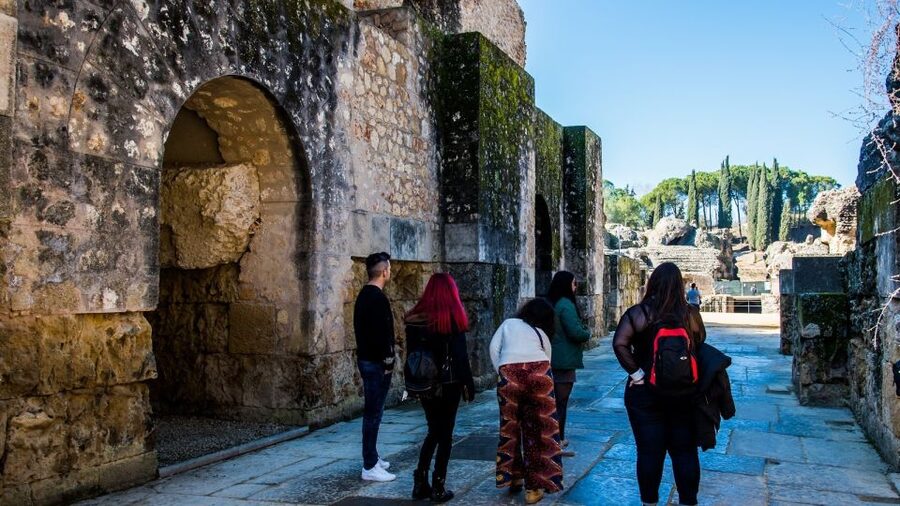
I think this works best for:
- first-time visitors to Roman ruins
- people who want a guided overview rather than an all-day archaeological rabbit hole
- families who can handle a steady walk and appreciate the amphitheater highlight
One review mentioned bringing a young child, with advice to bring a stroller since you might not use it for the whole time. That is the kind of practical hint that is worth listening to if you travel with kids or need mobility support. Ground conditions and crowd flow can affect where you can easily move.
If you are a hardcore Roman-history fan who wants every inscription and side chapel, you might want a self-guided day or a longer program. But for most people using Seville as a base, this is a strong “see the essentials with context” outing.
What to Ask the Guide to Make It Even Better
You cannot control everything about a guided tour, but you can steer it with smart questions. Here are a few you can ask on the spot:
- What is the best way to read the space at the amphitheater, layout-wise?
- Which mosaics are most important and why, not just what they depict?
- Where should I stand for the best sense of scale in the Roman theater area?
- Are there areas where people often miss details?
It also helps to watch for the guide’s story beats. Reviews highlighted guides like Alberto, Miguel, and Nieves for making you imagine the city, not just recognize the structures. When someone can explain where you are standing in the larger picture, your experience improves quickly.
Should You Book the Italica Roman City Tour From Seville?
Yes, if you want a high-impact Roman outing with transport, entry, and a guide handled for you. This is one of those tours where the structure pays off because the site is large enough that you benefit from someone pointing out the key elements.
I would book it if:
- you have limited time in Seville
- you care about the amphitheater and mosaics
- you prefer organized routes over figuring it out alone
I would think twice if:
- you strongly dislike guided group formats
- you need lots of free time to roam without stopping
- you are very sensitive to hearing issues in larger groups
Overall, this is a solid way to see Italica without turning your day into logistics. The amphitheater is the headline, the mosaics add the beauty, and the Roman theater in Santiponce gives you that satisfying sense of a complete entertainment world.
FAQ
How long is the Seville to Italica tour?
The total duration is 4 hours.
What time are the pickup options in Seville?
Pickup times listed are 09:45 at Calle Rastro 12A, 09:50 at Hotel Don Paco (Plaza Padre Jerónimo de Córdoba nº4), and 10:00 at Calle Trajano 6.
What sites do you visit during the tour?
You visit Italica and explore the Archaeological Ensemble, including the amphitheater and Roman theater areas, and you also see the Roman theater in Santiponce.
Is entrance to Italica included?
Yes, entrance fees to Italica are included.
Does the tour include transportation?
Yes, round-trip transportation between Seville and Italica is included.
What languages are available?
The tour is available in Spanish and English, with other languages available on request.
Is there an optional lunch, and how much is it?
Yes, optional lunch is available for €18.
More Tour Reviews in Seville
Not for you? Here's more nearby things to do in Seville we have reviewed









More Itálica Ruins from Seville worth a look.
 ★ 4.5From Seville: Italica Roman City & Medieval Monastery TourFrom $461,051 reviews
 ★ 4.5Historical Italica: Half-Day Guided Tour from SevilleFrom $47416 reviews
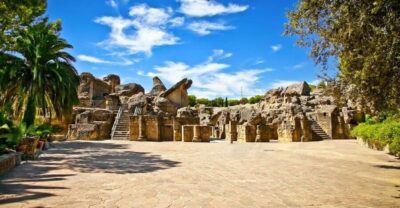 ★ 4.3Game of Thrones and Roman Empire Italica TourFrom $21372 reviews
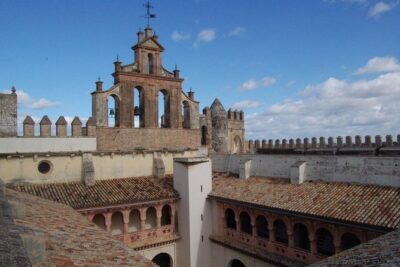 ★ 4.5Visit to Italica Roman Ruins Tour tickets includedFrom $19285 reviews
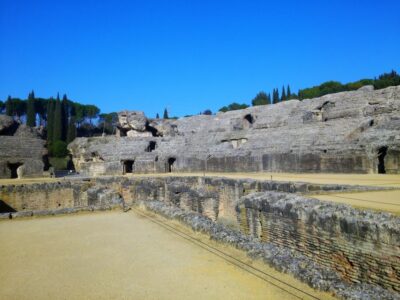 ★ 4.2Italica Roman Ruins City TourFrom $21147 reviews
 ★ 4.9From Seville: Half-Day Guided Bike Trip to ItalicaFrom $53126 reviews
 ★ 5.0Private hald day tour to the historic roman city of ItalicaFrom $9343 reviews
 ★ 4.5Italica Roman City Tour from SevilleFrom $4640 reviews
Continue by place or experience