
REVIEW · CóRDOBA TOURS FROM SEVILLE
Extra Virgin Olive oil tasting
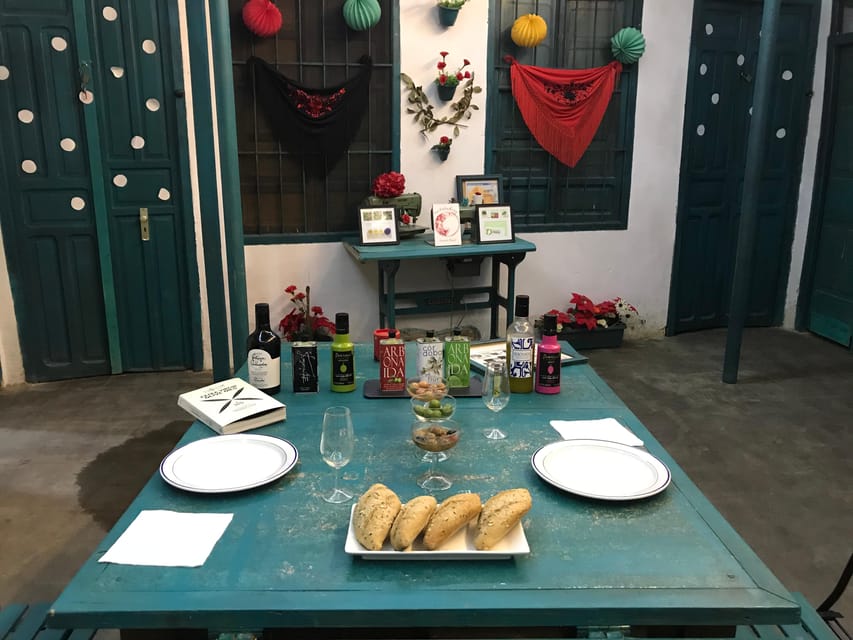
Olive oil tasting in Córdoba feels like a food lesson. I like how this 75-minute breakfast brings six extra virgin olive oils to life, with stories tied to local farming and real tasting technique. Two things I especially love are the chance to learn the organoleptic cues (taste and aroma) and the simple, delicious way you taste them with bread. One drawback to note: it is not built for wheelchair access.
You will also get a fun, easygoing vibe, not a stuffy lecture. I find it helpful that guides such as Adrian and Barbara focus on what you should notice in each oil, from olive variety to harvest and how you eat it the traditional way. If you are expecting a long, sit-down meal, this is more of a guided tasting rhythm than a full breakfast feast.
Quick takeaways from the oil tasting
- Six oils, one smart tasting method, so you learn to spot differences fast
- Variety focus on picual, arbequino, picudo, and hojiblanca
- Desayuno molinero style tasting with pan del vacar
- Arabic coffee and palate resets between pours, so flavors stay clear
- You can buy bottles on-site to take your favorite home
Córdoba’s liquid gold, from the market clock to the tasting room
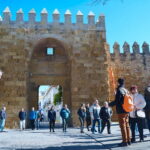
Start at the edge of Córdoba’s daily food life, right near the Corredera Square market. The meeting point is specific: look for the big clock under the main entry to the market. It is an easy landmark, and it saves you from wandering in circles with a map open.
Once you meet up, the experience has that “local first” feel. You get guided context about why Córdoba matters so much for olive oil production, then you move into a cool, comfortable tasting setup. The pacing is relaxed enough that you can ask questions, but guided enough that you will actually learn how to taste.
You can also read our reviews of more tours and experiences in Cordoba.

What 6 oils means in real terms: learning to taste, not just sip
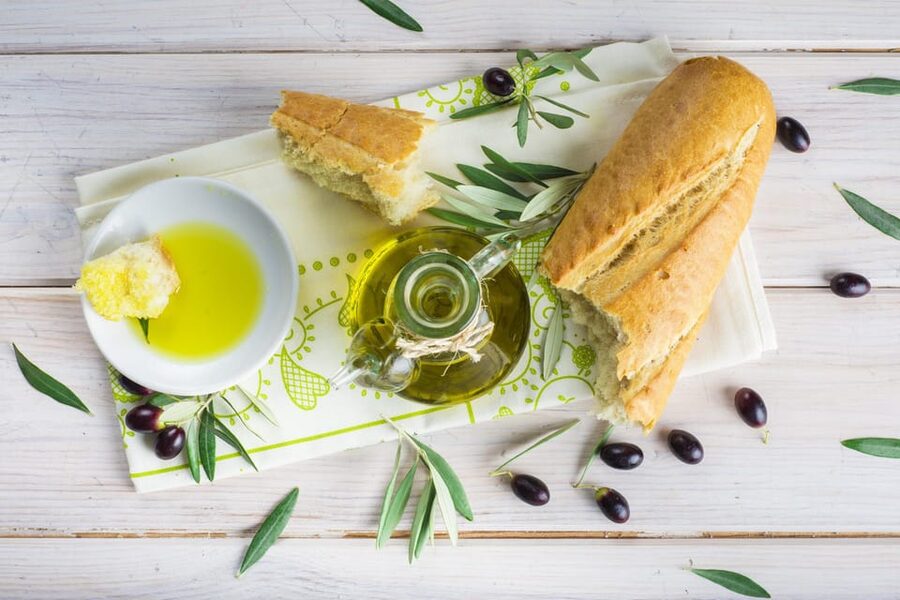
This is not a random flight where you taste and then forget. The whole point is learning how extra virgin olive oil should show up in your senses. You taste multiple oils back to back, which is how your brain starts to notice contrasts in bitterness, fruitiness, and intensity.
You also get help connecting what you taste to what you are holding. The guide explains how each oil is made, which olive variety is involved, and how the process leads to the final flavor. That variety link is what turns this from “tasting something good” into “understanding why it tastes that way.”
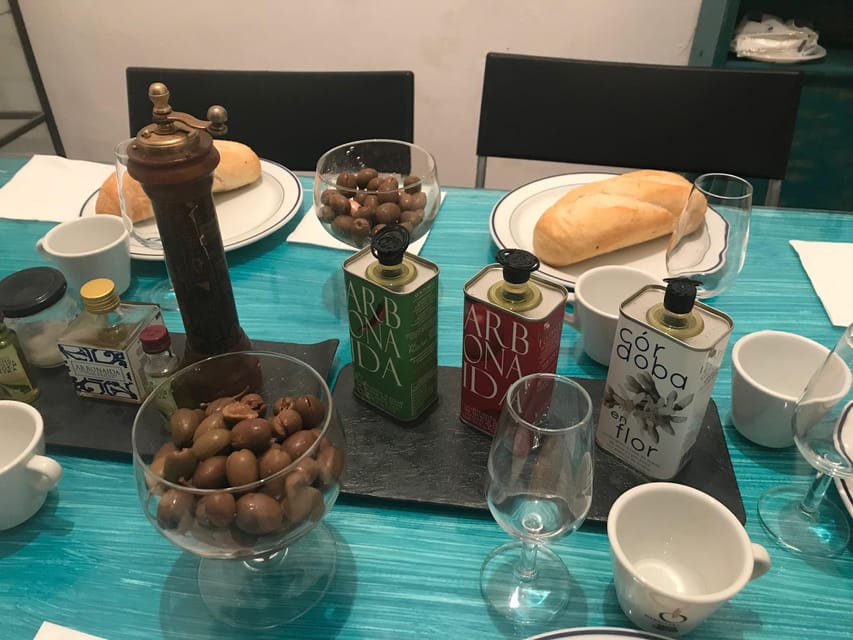
A small but important practical detail is how the tasting format works. You taste the oils one at a time, and you use bread between pours to keep the experience clear and not muddy. Several guides also use water and coffee breaks to reset your palate, which helps a lot if you have never done oil tasting before.
The olive varieties you’ll taste: picual, arbequino, picudo, hojiblanca

You get a structured look at major Córdoba-area varieties, including picual, arbequino, picudo, and hojiblanca. Each variety brings its own fingerprint, and the guide helps you connect that fingerprint to the flavor you experience.
Here is why this matters for you. If you only ever buy olive oil based on a brand label, you can end up with bottles that taste nothing like what you expected. After this tasting, you will have a clearer idea of what you personally like, whether you prefer a more robust bite or something softer and fruitier.
You will also hear about organoleptic characteristics, which basically means the sensory attributes you can detect. Expect talk that translates into real life, like what to notice as the oil hits your palate and how aroma plays in before you even taste.
Desayuno molinero with pan del vacar, breakfast as a tasting tool
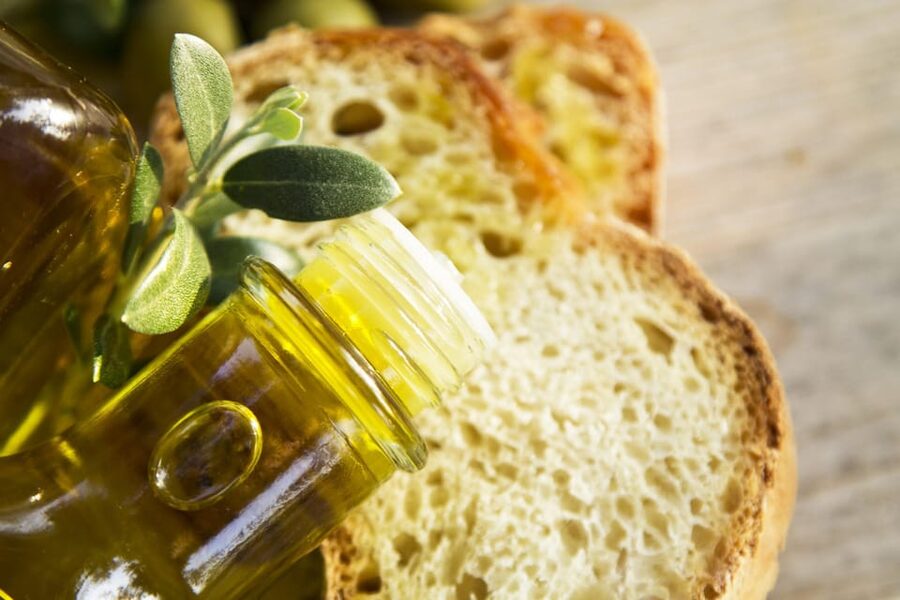
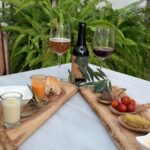
The breakfast element is more than a nice extra. The tour uses the traditional habit called desayuno molinero, paired with the typical bread pan del vacar. That combination is smart because bread gives you something neutral to measure against.
Think of it like this: oils alone can be tricky for first-timers, because your palate does not always know what baseline to use. Bread tasting gives you a consistent structure, so you can compare oils with less confusion.
You also get to experience how locals think about olive oil as part of daily eating, not just something you drizzle at the end. Even if your cooking is already solid, this gives you new ideas for where different oils might fit, depending on the flavors you prefer.
Arabic coffee and palate resets: staying sharp through six tastings
Expect coffee and tea, plus breaks that help you stay able to taste. One highlight is the Arabic coffee from a local top-quality producer. It is not just caffeine, it supports the flow so you do not get overwhelmed by strong flavors.
Between tastings, the setup helps you reset. You will taste oils, then clear your palate, then taste again. That rhythm makes the differences show up more clearly, especially if you are learning for the first time.
If you are sensitive to bitterness or strong notes, do not worry. This format lets you adjust at your own pace while still keeping the sequence moving. You will have moments to pause and ask what the guide is looking for in each oil.



How the production stories connect to flavor
The tour is built around explanation, but it stays practical. You learn how the oil goes from olive harvest to the final bottle, and you hear how the production choices affect what you taste.
That connection is valuable because it stops the “magic” and replaces it with cause and effect. For example, when you understand that different varieties behave differently, your tasting makes more sense. You start thinking like a shopper and a cook, not just a tasting participant.
Guides bring personal energy, too. People have described hosts like Gloria and Mara as especially charming, with a way of making the science feel friendly. You get that feeling that the guide actually cares about the product and the region.
Buying bottles on-site: turn your favorite taste into a take-home plan
One of the best practical perks is that there is an in situ store where you can buy the olive oil you liked. That matters because you can match your purchase to your taste during the session, instead of guessing later.
If you want good value, this is where you pay attention. Buy what you truly enjoyed, not what sounded impressive. If you are buying as a gift, consider taking one bottle in the style you liked most, and another that contrasts it, so the recipient has options for cooking.
Also, this is a smart way to avoid the souvenir problem. Olive oil is easy to pack and easy to use at home, and you leave knowing you chose it because it matched your palate.
Duration and group vibe: 75 minutes that actually feel focused
The experience runs about 75 minutes, which is ideal when you have a busy Córdoba schedule. It is long enough to taste multiple oils, learn the key differences, and still feel energetic afterward. It is also short enough that it does not swallow your morning.
You will likely find the group is kept small, which helps the guide tailor explanations. That also makes it easier to ask questions without feeling like you are interrupting a production line.
You can also plan around start times by checking availability. The tour does not lock you into one awkward window, so it tends to fit naturally into a morning built around the market area.
Price and value: is $15 worth it?
At $15 per person, this tasting is priced like a food workshop, not a museum ticket. The value comes from a combination of things you cannot fake at home: multiple oils tasted side by side, production context tied to variety, and breakfast items included with the method.
You are not paying only for oil samples. You are paying for the guide’s translation of sensory experience into something you can use. After this, you are more likely to buy oil that matches what you enjoy, which can save you money on bottles that miss the mark.
Also consider what you get at this price point: six olive oils, coffee and tea, and bread for desayuno molinero. Add the opportunity to buy your favorites right away, and the experience stops being purely educational. It becomes practical.
Who should book this olive oil breakfast tasting
This experience is a great match for you if you:
- Love food that teaches you something, even if you are not a cooking expert
- Want a Córdoba activity that feels local and not like another generic walking tour
- Enjoy tasting and comparing flavors in a structured way
- Plan to buy a bottle or two to bring home
It may be less of a match if you want a big, slow breakfast. This is an efficient tasting lesson, with breakfast elements used as part of the technique.
One more note for planning: it is not suitable for wheelchair users, so if accessibility is a factor, you’ll want to choose an alternative that fits better.
Should you book the Córdoba extra virgin olive oil tasting?
I think you should book it if you want an experience that is both fun and useful. The combination of six tastings, variety education, and the breakfast format (pan del vacar with desayuno molinero) makes this more than just sampling. And if you enjoy buying what you taste, the on-site shop turns your favorite flavors into a take-home plan right away.
If you are short on time but want a Córdoba food moment that is genuinely different from the usual sightseeing, this hits the sweet spot.
FAQ
How long is the extra virgin olive oil tasting experience?
The experience lasts 75 minutes.
What is included in the $15 per person price?
You get 6 olive oils from Córdoba, plus coffee and tea, and bread for the desayuno molinero tasting.
Where is the meeting point in Córdoba?
Meet at the big clock under the main entry to the Corredera’s square market.
Which languages are offered?
The instructor guides in Spanish and English.
Can I buy olive oil during or after the tasting?
Yes. There is an in situ store where you can purchase the olive oil you liked.
Is the tasting wheelchair accessible?
No, it is not suitable for wheelchair users.
What olive varieties will you learn about and taste?
The tasting includes organoleptic information and tasting tied to picual, arbequino, picudo, and hojiblanca.
Is Arabic coffee included?
Coffee and tea are included, and the experience mentions Arabic coffee as part of the tasting breakfast.
Is free cancellation available?
Yes. You can cancel up to 24 hours in advance for a full refund.
Is reserve now, pay later available?
Yes. You can reserve now & pay later, meaning you do not have to pay today.
More Tour Reviews in Cordoba
Not for you? Here's more nearby things to do in Cordoba we have reviewed






More Córdoba Tours from Seville worth a look.
 ★ 4.6Córdoba: Skip-the-Ticket-Line Mosque-Cathedral Guided TourFrom $319,634 reviews
 ★ 4.7Cordoba Mosque-Cathedral: Skip-the-Line Guided TourFrom $356,610 reviews
 ★ 4.7Córdoba: Jewish Quarter, Mosque, and Alcázar TourFrom $504,279 reviews
 ★ 4.5Cordoba: Equestrian Show General EntryFrom $212,333 reviews
 ★ 4.1Cordoba: Mosque-Cathedral E-Ticket with Audio GuideFrom $212,124 reviews
 ★ 4.6Cordoba Mosque & Jewish Quarter Tour with TicketsFrom $401,996 reviews
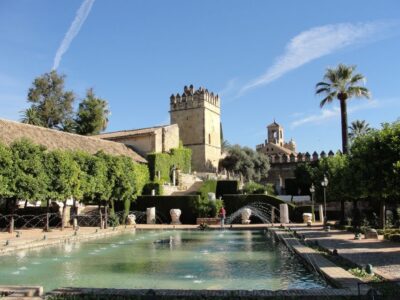 ★ 4.2Cordoba: Alcazar Guided Tour and Skip-the-Line TicketFrom $231,792 reviews
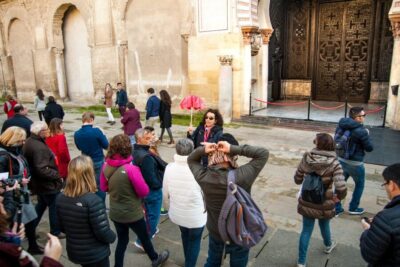 ★ 4.7Córdoba: Skip-the-Line Great Mosque-Cathedral History TourFrom $381,690 reviews
Continue by place or experience