
REVIEW · ITáLICA RUINS FROM SEVILLE
Italica, city of emperors
Italica turns Roman ruins into a living story. In about 1.5 hours, you get a guided look at the city’s big moments, from veterans setting roots to emperors like Trajan and Hadrian raising the splendor. I especially like how the tour keeps things clear and human, not just stone facts, and how the walk ends at the amphitheater that you might recognize from Game of Thrones.
The main thing to consider is the entrance cost: the monument entrance is free for EU citizens, but it is listed as not included for visitors outside the EU, so you may need to budget extra.
Key things to know before you go
- Spanish guide focus: Explanations are built for real understanding, not a rushed scan of ruins.
- 120 minutes, well paced: Long enough to connect the dots, short enough to fit a day in Andalusia.
- Emperors made visible: You’ll link the city’s layout to the rise of Roman power, not just dates.
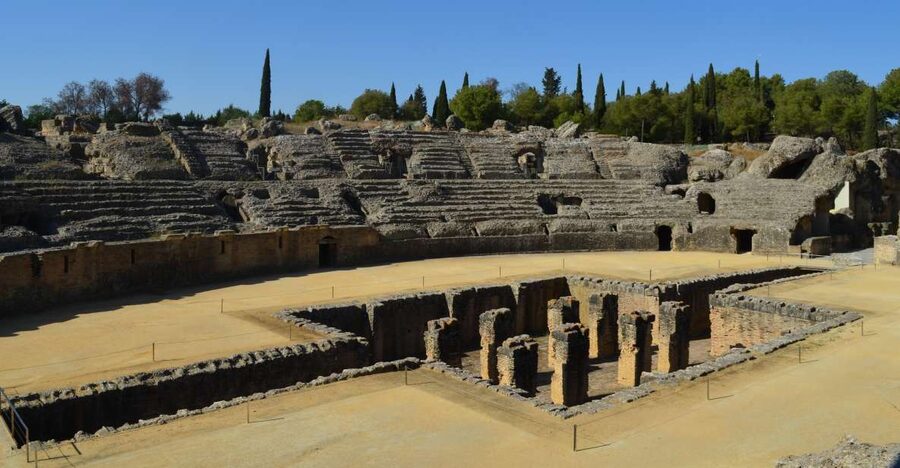
- Amphitheater moment: The site is known as a major Roman arena and a Game of Thrones filming location.
- Transport included: You’re not left figuring out how to get yourself there.
- Wheelchair accessible: The tour is listed as wheelchair accessible.
Roman emperors in the middle of Andalusia
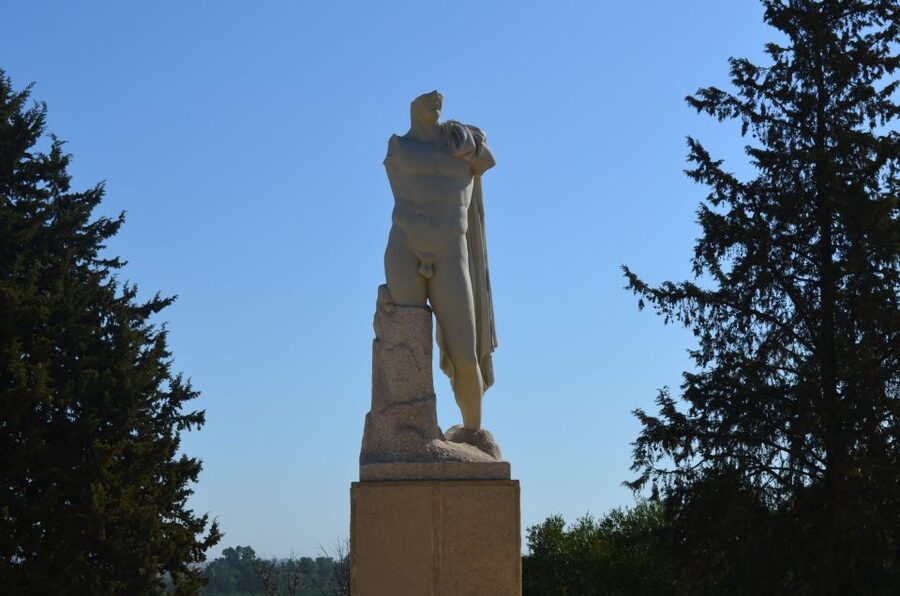
Italica is one of those places where you stop thinking of ruins as leftovers and start seeing them as a plan. This was Rome, planted in the south of Spain, then grown and reinforced as the Roman world shifted. The tour title says city of emperors, and it fits, because Italica is tied to the rise of emperors from the region, especially Trajan and Hadrian.
Created in 206 B.C., Italica began after the Second Punic War, when Roman forces won against Carthage. The story on site connects the dots: veterans settled here after the fighting, and what started as a provisional Roman foothold became a place worth upgrading. That matters because it explains why you’ll see both practical settlement remains and later, grander expressions of Roman life.
You’ll also notice the guide’s approach. Instead of only pointing out what’s left, the tour helps you understand why it was built where it was. That makes the experience feel less like sightseeing and more like learning the logic of an actual Roman town.
You can also read our reviews of more tours and experiences in Seville.



Price and what it really buys you
At about $15 per person for a 1.5-hour guided tour, this is good value if you want structure. What you’re paying for is not just access, but interpretation. A guided walk through an archaeological enclosure can easily turn into a series of “I guess this was important” moments if you’re on your own. Here, the price includes the guide time in Spanish and the tour format is designed to keep you moving through the key parts without feeling lost.
Two practical notes that affect your total cost:
- Entrance may be extra for non-EU visitors. The listing specifically says entrance to the monument is not included for citizens outside the EU. If you’re not EU-based, check what admission you’ll need to pay at the site.
- You’re getting transport to the old Roman city included in the highlights. That’s often where independent plans add cost and friction.
If you’re short on time, this is the kind of tour that helps you get “Roman Italica, explained” without eating up your whole day.
Meeting up with a red flag at the entrance
Your start point is Conjunto Arqueológico de Itálica. The meeting instructions are simple: the guide will be at the entrance with a red flag.
This small detail matters more than it sounds. Archaeological sites often have multiple entrances or paths, and you don’t want to waste your paid time hunting for the group. If you arrive a few minutes early, you’ll be able to spot the flag quickly and settle in before the walk starts.
The tour also lists Spanish language only. If you’re not comfortable in Spanish, this is the one potential snag, because the value of the experience comes from the guide’s narration and explanations.
The guided enclosure tour, where “customs” become real
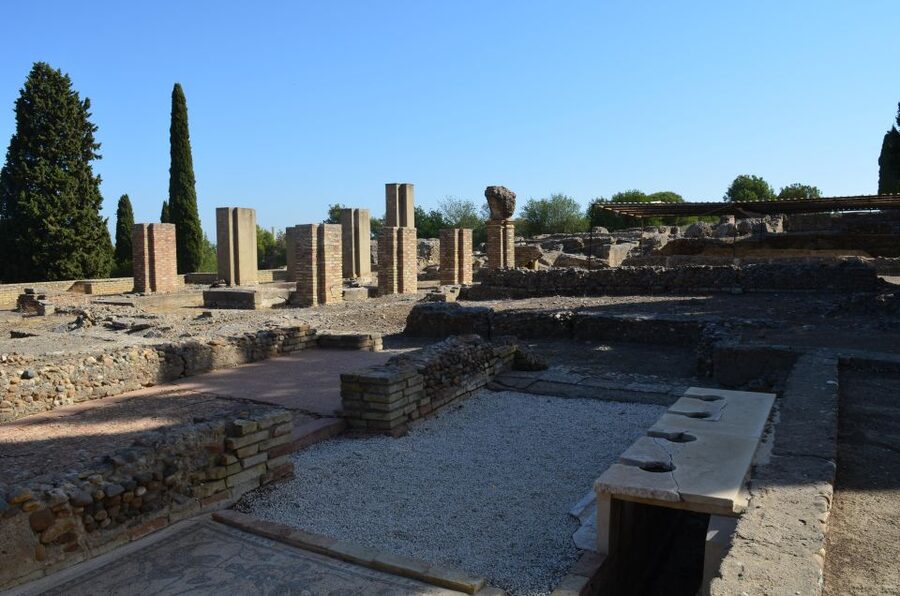
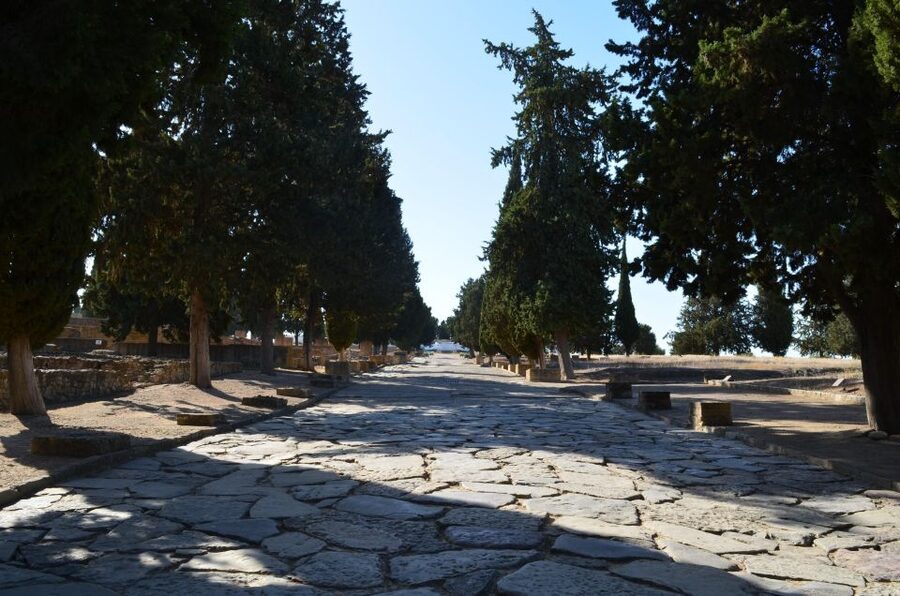
Inside the archaeological enclosure, the tour is framed around “customs in the different buildings.” That phrasing is helpful. It signals that you’re not only seeing monuments, you’re connecting them to how Romans lived.
You’ll spend around 120 minutes moving through the site with the guide. The best way to enjoy this pacing is to treat it like a conversation. If you ask yourself, what did people do here? you’ll start noticing patterns fast. Roman cities weren’t built at random. They were built to support daily routines, civic life, and public spectacle.
Because the experience is recommended for all audiences, the tone is likely accessible. Still, keep in mind that Roman Italica is spread out, and outdoors walking takes a little energy. If you’re the type who enjoys taking photos every ten steps, you might feel the time pressure. If you slow down to really watch how the guide is building the story, you’ll get more out of those 1.5 hours.
From Roman veterans to emperor territory
The heart of Italica is its transformation. The tour story starts with the founding moment: a Roman settlement after victory in the Second Punic War. The key idea is that veterans didn’t just pass through. They stayed, and that decision shaped what the city became.
Then comes the shift to emperor glory. You’ll learn how good circumstances helped Italica grow, eventually becoming associated with the birth of the Betic emperors Trajan and Hadrian. The guide uses this arc to explain the city’s splendor, meaning you should pay attention when the tour moves from early settlement logic to later monumental upgrades.
Here’s what I like about this structure from a visitor’s point of view: it gives you a reason to care about the ruins. You’re not only looking at remains, you’re seeing how power and prestige changed architecture and public spaces over time.
If you’re a fan of Roman politics or you just like understanding why cities evolve, this is the part that will likely stick with you long after the tour ends.




Domus, public buildings, and the everyday Roman agenda
Italica’s remains include the kind of spaces that show Roman priorities. The overview highlights “great mansions” and public buildings, and the tour’s wording points you toward understanding the function of what you see.
You’ll hear about:
- Domus, the grand houses that reflect status and domestic life
- Public buildings, which show how the city organized civic space
- Hot springs, described as larger hot springs tied to the later, upgraded Italica
Even without going into ultra-technical detail, the logic is clear. Romans invested in places that made daily life easier and social life possible. Baths and hot springs weren’t just for cleanliness. They were a meeting zone. Public buildings weren’t decoration. They were where a community performed its identity.
One caution: with archaeological sites, you can only see fragments. Don’t expect every wall to survive intact or every function to be obvious at a glance. The guide is what turns scattered remains into a coherent picture, so let them do the connecting.
The amphitheater, Roman scale and a Game of Thrones nod
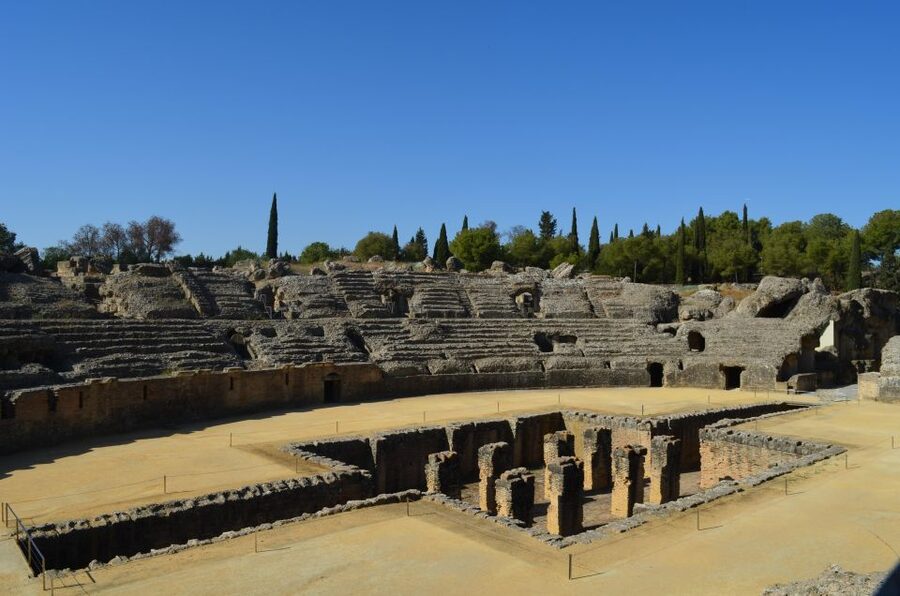
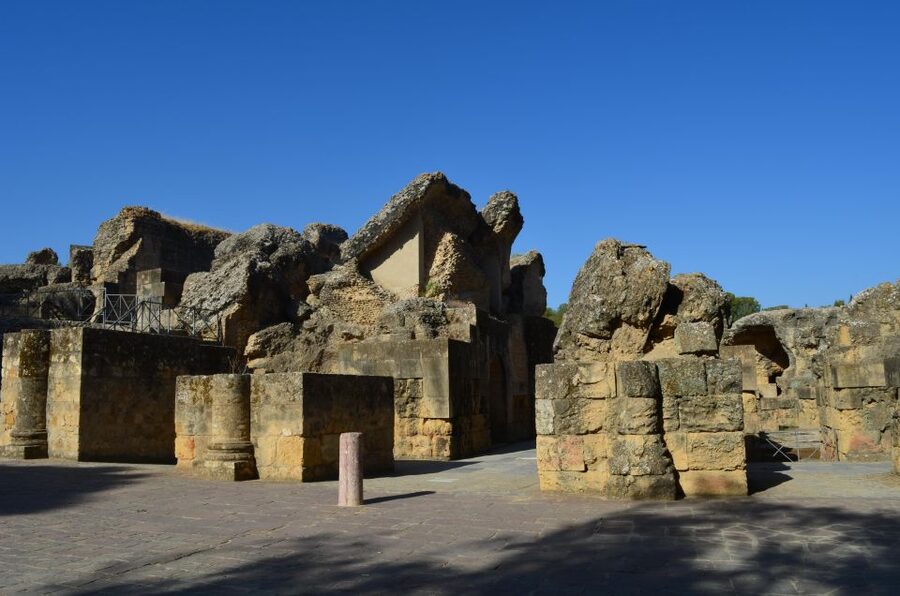
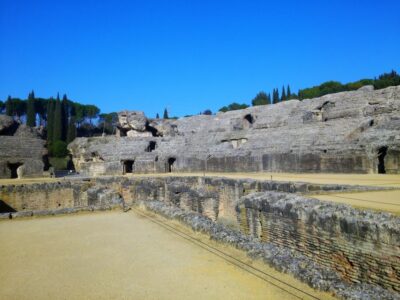
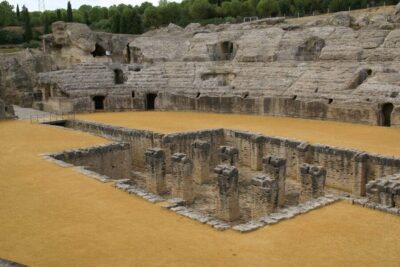
If there’s one stop designed to give you that wow feeling, it’s the amphitheater. The tour makes a big point that it’s known as the second largest in the Roman Empire, behind the Colosseum in Rome.
That scale matters when you stand in front of it. Roman amphitheaters weren’t only venues. They were propaganda you could sit inside. They displayed engineering confidence, civic pride, and the power to gather crowds for spectacle.
What adds a fun layer here is pop culture. The amphitheater is described as a location where Game of Thrones was shot. Even if you don’t care about the show, it helps you anchor your imagination. You can look at the seating and think about how the sound would carry and how the space would feel when filled.
Practical tip: when you reach the amphitheater section, take a moment to look around the full curve before you start taking photos. If the guide points out vantage points, follow their cues. That’s how you’ll understand why this site is remembered.
How to make the most of your 1.5 hours
You only have so much time, so you’ll get more value by preparing your brain for the visit.
- Wear comfortable shoes. Archaeological enclosures involve uneven ground and walking on paths.
- If you’re Spanish-limited, still listen for the guide’s structure. The story arc from founding to emperors is the “backbone” of the tour.
- At the amphitheater, slow down. Let the scale register, then connect it to what the guide explained about Roman civic life.
- When you hear Trajan and Adriano, pay attention to what changes in the city afterward. The tour is designed around that contrast.
Also, if you’re the type who likes quick context, consider arriving with one sentence in mind: Italica started with veterans and later became tied to emperors. That’s enough to make the guide’s explanations feel extra satisfying.
Who should book this tour
This experience is a strong fit if:
- you want a guided introduction to Roman Italica without planning every step yourself
- you like “story first” tours where buildings connect to real people
- you’re curious about emperors like Trajan and Hadrian
- you want a Roman highlight that also ties into a modern filming location
It may be less ideal if:
- you need an English-language tour (the tour is listed as Spanish)
- you’re hoping for a super-long, deep archaeology course. At about 120 minutes, it’s focused on the essentials, not every detail in the site.
For families, it’s recommended for all audiences, which usually means explanations stay clear and understandable, not overly academic.
Should you book it?
Yes, I think you should book it if you want an efficient, well-guided Roman experience in Andalusia. For about $15, you’re buying clarity: a structured Spanish walkthrough that turns Italica from “pretty ruins” into a city with a timeline and purpose. The amphitheater is a major highlight, and the Game of Thrones connection gives you an easy hook to make the scale memorable.
Just do two checks before you commit: confirm whether the monument entrance will be included for your citizenship category, and make sure you’re comfortable enjoying the narration in Spanish.
FAQ
How long is the Italica guided tour?
The duration is approximately 120 minutes, about 1.5 hours.
Is the tour in Spanish?
Yes. The guided tour is listed as Spanish language.
What does the tour include?
It includes a guided tour in Spanish inside the archaeological enclosure.
Is the entrance to the monument included?
It says entrance is free for certain visitors, but it is not included for citizens outside the European Union.
Where do we meet?
You meet at Conjunto Arqueológico de Itálica, and the guide will be there with a red flag at the entrance.
Is the experience wheelchair accessible?
Yes, the tour is listed as wheelchair accessible.
Can I cancel for a full refund?
Yes. Free cancellation is listed up to 24 hours in advance for a full refund.
More Tour Reviews in Seville
Not for you? Here's more nearby things to do in Seville we have reviewed









More Itálica Ruins from Seville worth a look.
 ★ 4.5From Seville: Italica Roman City & Medieval Monastery TourFrom $461,051 reviews
 ★ 4.5Historical Italica: Half-Day Guided Tour from SevilleFrom $47416 reviews
 ★ 4.3Game of Thrones and Roman Empire Italica TourFrom $21372 reviews
 ★ 4.5Visit to Italica Roman Ruins Tour tickets includedFrom $19285 reviews
 ★ 4.2Italica Roman Ruins City TourFrom $21147 reviews
 ★ 4.4From Seville: Italica Roman City TourFrom $51139 reviews
 ★ 4.9From Seville: Half-Day Guided Bike Trip to ItalicaFrom $53126 reviews
 ★ 5.0Private hald day tour to the historic roman city of ItalicaFrom $9343 reviews
Continue by place or experience