
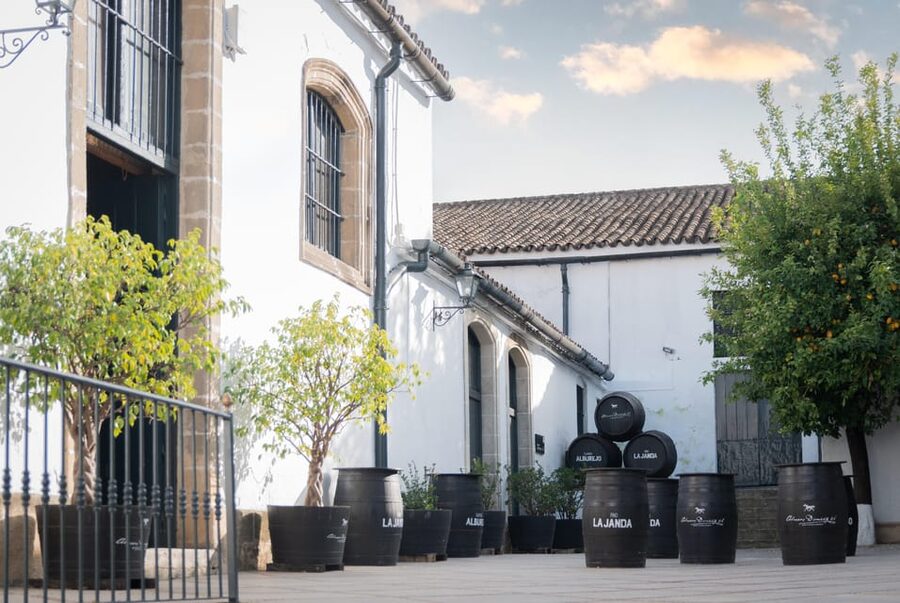
REVIEW · JEREZ TOURS FROM SEVILLE
Jerez: Bodegas Álvaro Domecq Guided Tour with Wine Tasting
One of Jerez’s best answers to sherry questions. A guided tour through Bodegas Álvaro Domecq walks you through how the solera system shapes flavor, and then lets you taste the results in a clean, well-paced tasting. I like that the tour leans both on hands-on cellar viewing and on real product history, including the family legend of Mr. Álvaro Domecq, known for horseback bullfighting.
Two things I especially like: you get a guided look at the solera and criaderas aging process, and you finish with a structured tasting that ranges across classic sherry styles and older V.O.R.S bottles. If you want a guide who can make it click fast, names like Cristina and Laura pop up often in their explanations, and the experience tends to feel personal.
One drawback to consider: this is a short 1.5-hour visit, so if you want a super slow, deep wine geek session, you may want to budget extra time afterward for the shop (and maybe a second stop). Also, depending on the moment and the group, English explanations can mix with Spanish.
Key takeaways before you go
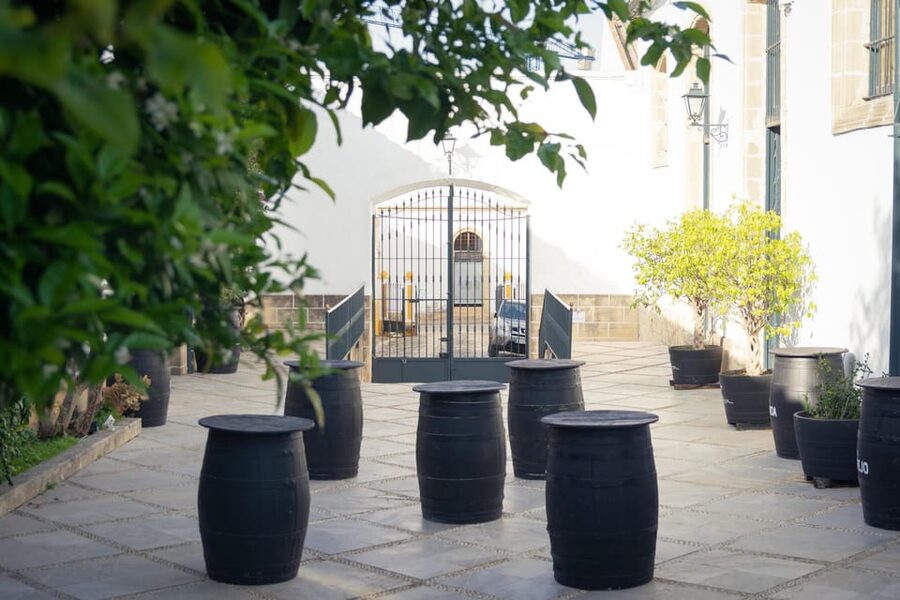
- Town-center bodega: easy to pair with flamenco and lunch in Jerez
- Solera and criaderas made visual: you see how aging works instead of just hearing slogans
- V.O.R.S options: older wines (over 30 years) help you taste what time does
- More than sherry: the tour highlights brandy and vinegar too, including a rare Designation of Origin vinegar
- Audiovisual Oloroso cellar: short tech support that helps the cellar story land
- Flexible guide language: guides work in English and Spanish, and the pace is steady
Entering Jerez’s Álvaro Domecq, where tradition feels lived-in
Jerez can overwhelm you fast. You hear terms like Fino, Oloroso, Pedro Ximénez, and suddenly you’re standing in a store with your brain doing the cha-cha. This tour is built for that moment.
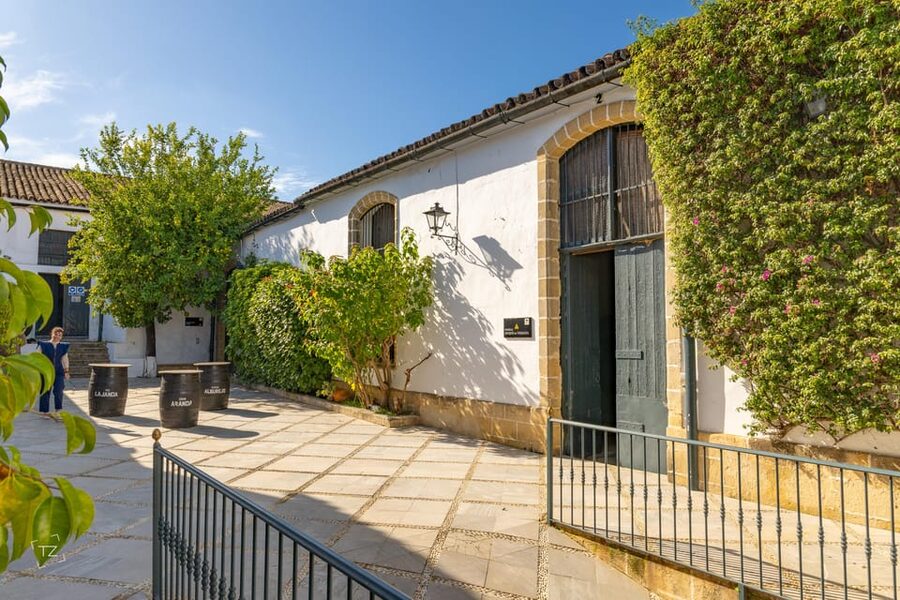
You start in central Jerez, meeting at Callejón en la calle madre de dios, next to the flamenco venue Puro Arte. Then you head to the bodega, where the day’s format is simple: a short walk through the working spaces, an explanation of how the wines (and related products) are made, and a tasting that brings it together. It lasts about 1.5 hours, and it’s designed so you leave with a sense of how sherry culture actually works, not just what to buy.
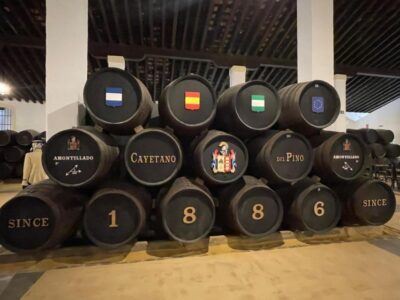
What I like most is the “family + process” angle. The tour doesn’t treat sherry as a museum piece. It connects the older building and cellar rooms with the craft steps: fermentation, aging in specific woods, and the long-term blending logic that happens in soleras.
You can also read our reviews of more tours and experiences in Jerez De La Frontera.



Meeting point and the first real tip: arrive ready to ring the bell
The meeting point is precise, and that’s good. You’ll meet at Callejón en la calle madre de dios, by the tablao flamenco Puro Arte, and you call the bell to connect with the group. If you’re the kind of traveler who hates last-minute confusion, this matters, because you want your tour to start smoothly.
Once you’re in, the bodega visit stays focused on the center of Jerez life. This is not a far-out countryside detour. It’s the kind of stop that fits neatly into a half-day plan: tour now, flamenco or lunch later.
Practical tip: wear shoes you’re comfortable walking in. The experience moves through cellar areas and tasting spaces, and the whole thing is more hands-on than you might expect for a “quick” tour.
How solera and criaderas actually shape flavor (and why you should care)
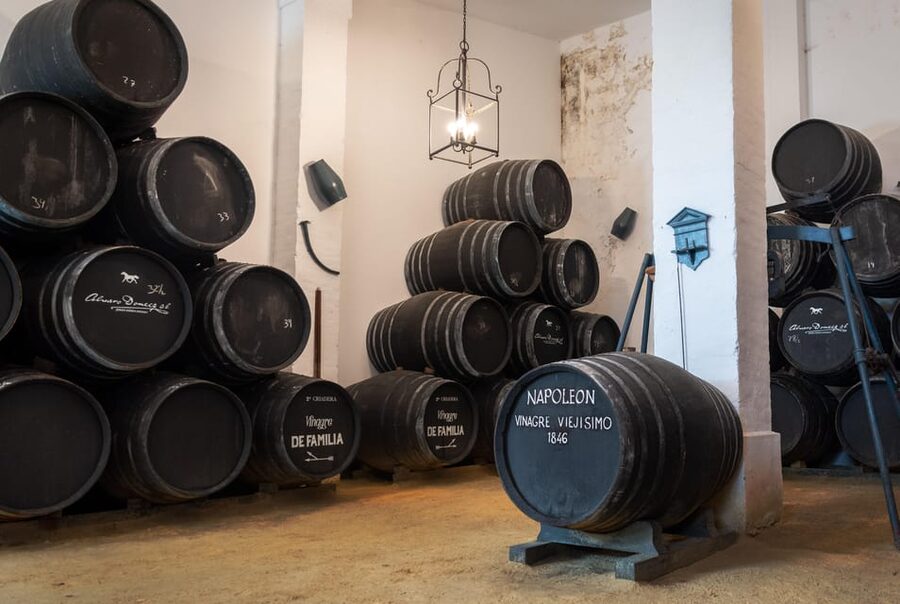
The heart of the tour is aging, and not in a vague way. You get an explanation of the solera and criaderas system, which is the core mechanism behind many classic sherries. The simple idea is that the wines are aged in a structured set of tiers, then blended and refreshed over time. Instead of a single batch aging in isolation, the system keeps “older wine” influencing “younger wine” year after year.
That concept matters because it answers the big sherry question: why does Jerez taste consistent, even though you are tasting a bottle produced across time? The tour’s cellar walk makes the logic feel concrete. You can connect the storage and the barrel arrangement to what’s in your glass later.
You’ll also hear about the wood choice and aging environment, including the use of traditional American oak barrels for the process. Even if you don’t become a full-time sherry nerd by the end, you’ll understand why certain styles taste the way they do. That’s the value.
One added layer that makes the explanations more fun: the winery ties the craft back to the family legacy. Mr. Álvaro Domecq is described as someone known for expertise as a horseback bullfighter. That may sound like a left turn, but it helps you picture the people behind the brand as real humans with a long presence in Andalusia.
The cellar stops: from Oloroso rooms to Fino-focused lands
A big part of what you get is a route through different cellar themes. You don’t just walk into one storage room and out again. You typically see multiple areas that match the wine styles.
One stop centers on the Oloroso side of the story, with an audiovisual presentation. That matters because Oloroso aging is not the same path as styles shaped by flor, and the tour uses the media to keep you from getting lost in jargon. If you notice that the screen uses subtitles for English, choose your seat accordingly. Front rows can save you from squinting.
Then there’s time spent on the Fino wines cellar angle, including how land and grape variety contribute to the final character. That’s a useful framework for you as a buyer. When you later read labels back home, you’ll know what the winery means when it hints at location, style, and intended aging.
If you like experiences where the guide connects a physical space to the flavor outcome, you’ll appreciate this format. It’s not only “here’s a barrel.” It’s “here’s what this room does to wine.”
The tasting: how to approach Fino, Oloroso, Cream, and Pedro Ximénez
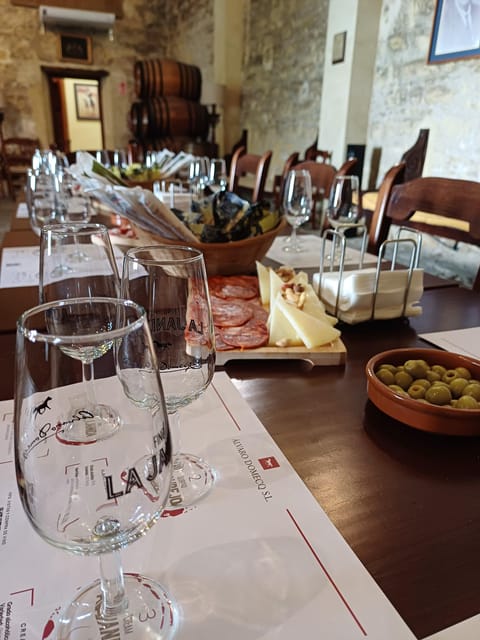
The tasting is the payoff. It’s also where you can learn fastest, because you can taste first and interpret second. The tour is described as culminating in a guided tasting of representative wines from the Álvaro Domecq line, and the selection can include multiple sherries, plus other signature products.
From the experience description, expect styles that commonly include Fino, Oloroso, Amontillado, Palo Cortado, and Pedro Ximénez. The exact lineup can vary by the tasting option and what the group is doing that day, but the structure tends to stay consistent: you sample a range, then the guide helps you place what you’re tasting into a sherry-style map.
One detail that makes the tasting easier: the tour connects each pour to aging method, not just taste descriptors. You’ll be guided on how the solera system affects maturity, why certain wines lean oxidative or not, and what to notice in aromas and texture.
If your idea of sherry is limited to sweet Pedro Ximénez or basic Fino, this tasting is a chance to widen the lens. Older sherries, in particular, can feel like a separate category. The tour highlights V.O.R.S wines that come with more than 30 years of aging. If you are curious about what time does beyond color, this is the portion that most helps.
Taste tip: don’t just chase sweetness or dryness. Sip slowly, then ask yourself what changed from one glass to the next. Is it more nutty? More dried fruit? More savory? More rounded? The guide’s explanations help you connect those clues to the right process.

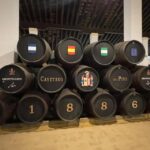


The V.O.R.S tasting ups the time factor, but only if you want it
The tour describes an upsell or additional option connected to the V.O.R.S lineup. In plain terms, it’s about showing you how older wine tastes when you have the patience to wait for it.
In sherry, age isn’t only about “older.” It changes structure. You often get different aromatic intensity, different integration of flavors, and a texture shift that can feel smoother and more layered. If you’ve ever bought a bottle and wondered why it tasted different than expected, V.O.R.S-style pours give you a direct education.
If you’re already sold on trying the full range, you’ll probably enjoy the extra time spent on older bottles. If you’re newer and want to keep it simple, you may still be completely happy with the standard tasting mix, since the guide’s explanations cover the key basics either way.
Beyond wine: brandy and vinegar stops that surprise people
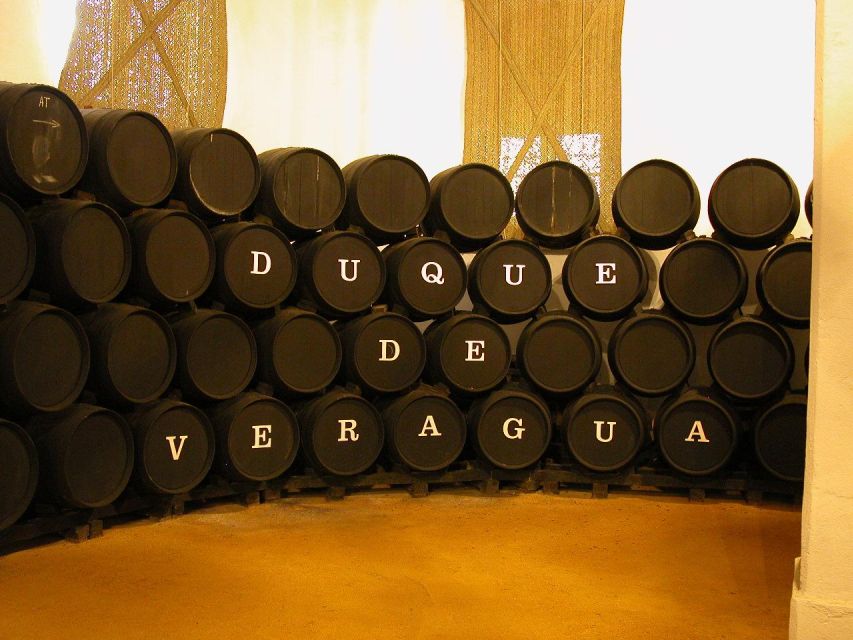
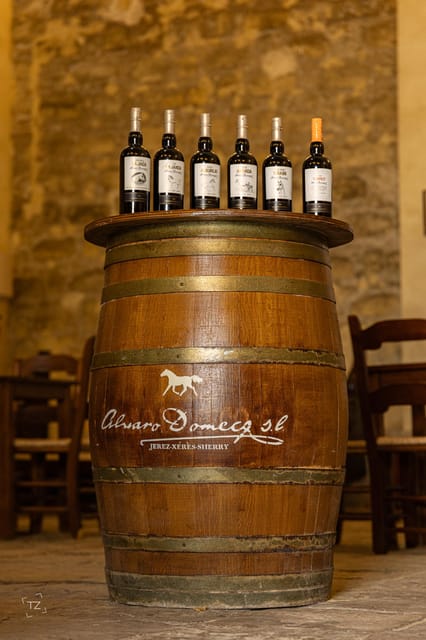
A lot of Jerez tours focus only on wine, then call it a day. This experience keeps going. You learn about brandy and vinegars, and the tour description names specific products in those categories, including brandies like Solera Gran Reserva Duque de Veragua and Solera Reserva Veragua, plus vinegars like Vinagre Reserva de Familia and Vinagre Gran Reserva 1730.
Two reasons this matters to you:
1) It gives you a wider view of how Andalusian producers use aging and solera logic across different products.
2) It can make your shopping more confident, because you’re not wandering into a vinegar bottle aisle without context.
The tour also highlights the vinegar cellar and calls out something unusual: it says this is the only vinegar worldwide with a Designation of Origin. Even if you don’t care about legal labels, the point is that the vinegar here is treated as a serious product, not an afterthought.
If you like culinary pairings, vinegar is one of the easiest things to bring home and use immediately. Sherry and brandy are great too, but vinegar tends to translate quickly into meals.
The tasting room finish, then the shop strategy
The tour ends in a tasting room setting and culminates in your representative sampling. After that, there’s a shop where you can buy wines, brandies, vinegars, and other Jerez items.
This is where I recommend you slow down and decide what you want to learn next. If you loved something, ask the guide what they think is the best style pairing for that bottle type. If you didn’t love something, ask for the “bridge” style, the one that helps you move from what you liked into the next category.
One practical tip: if vermut is offered in the tasting context, take it. The experience description and tour feedback indicate vermut shows up as part of the tasting flow, and it can be a friendly entry point if you’re not yet comfortable with sherry.
Pacing, language, and group reality in 1.5 hours
Time is the tradeoff here. With only 90 minutes, the tour can’t turn into a three-hour lecture. The good news is that the pacing seems designed to avoid overwhelm.
Language is another strength. The tour is described as having a live guide with English and Spanish support. In practice, the guide may switch between languages as needed, and that’s useful if you want clarity without feeling like you’re being left behind.
Group size can affect how much attention you get. Some visit formats can run with larger or mixed-language groups, which can reduce how often the guide checks in with you personally. Still, the tour is repeatedly described as informative and friendly, and the explanations are structured enough that even if you miss a phrase, you can still track the process.
If you want the best experience, do this:
- be present during the key cellar explanations
- ask one question you truly want answered
- don’t treat the tasting as a race
You’ll get more from the same time.
Price and value: why $26 can feel like a bargain in Jerez
At about $26 per person, this tour is priced for people who want a real education without a big commitment. In Jerez, the wine options can range from super formal to quick pours. This one aims for middle ground: enough cellar time and enough tasting structure to be worth your afternoon.
Here’s how I think about value for you:
- If you’re new to sherry, the solera and criaderas explanation saves you from hours of label confusion later.
- If you already like sherry, you get a guided tasting across styles and can decide which bottle categories you want to hunt for.
- If you’re the type who enjoys food and regional products, the brandy and vinegar components give you extra value beyond just wine.
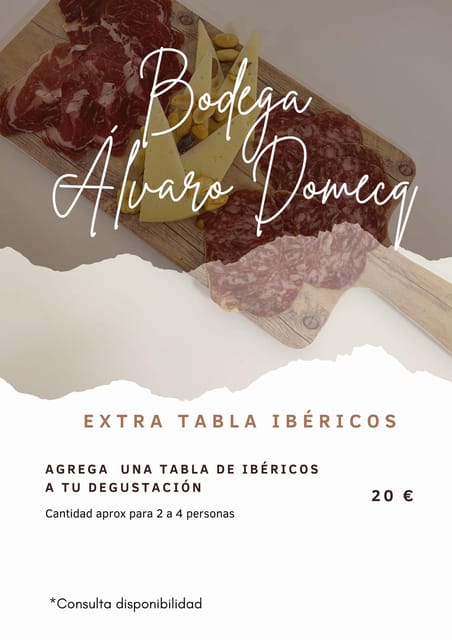
The main cost you might add is extra food with Iberian products, suggested for about 2 to 4 people. If you’re building a meal plan, pairing the tour with lunch can make the whole outing feel like a complete experience, not a quick stop.
Also, if you’re tempted by older wines, consider whether you want the V.O.R.S add-on. It costs more, but it directly addresses the question many people have, what does real age change?
Who should book this sherry, brandy, and vinegar tour
This tour is a strong match if you:
- want a short, focused Jerez bodega visit without a long day
- care about how sherry is made, including solera and criaderas
- want to taste multiple sherry styles and not just one
- have a food-curious mindset and want to learn vinegar and brandy too
It may not be your best fit if you:
- hate structured tastings and prefer self-guided wandering only
- want a deep, long-form history lesson beyond what fits into a 90-minute format
- expect a huge distillation or bottling spectacle. You’ll see cellar aging and learn the process, but the focus is on aging and production explanations rather than factory-style walkthroughs.
Should you book Bodegas Álvaro Domecq in Jerez?
If you’re spending time in Jerez and you want one tasting tour that teaches you something real in a short window, I think this is an easy yes. The combination of cellar walk + solera explanation + guided tasting across styles, plus the extra attention to brandy and vinegar, gives you more variety than the typical sherry-only option.
Book it if you like clear guidance and you want to leave with smarter bottle choices. If you’re already fluent in sherry, you might want to add the older V.O.R.S tasting option. Either way, it’s the kind of afternoon that makes Jerez’s wine culture feel understandable, not intimidating.
FAQ
How long is the Álvaro Domecq guided tour?
The tour lasts about 1.5 hours.
What does the tour cost?
The price is listed as $26 per person.
What is included in the experience?
You get a winery tour in the town center of Jerez and wine tastings.
Are there tastings beyond wine?
The experience description includes brandies and vinegars as part of what you learn about, and the tasting focus centers on the winery’s representative products.
What languages are available for the guided tour?
The live guide is available in English and Spanish.
Where do I meet for the tour?
The meeting point is Callejón en la calle madre de dios, next to the tablao flamenco Puro Arte, and you should call the bell.
Can I add food to the experience?
Extra food with Iberian products can be added, sized for about 2 to 4 people.
What is the cancellation policy?
Free cancellation is available up to 24 hours in advance for a full refund.
More Tour Reviews in Jerez De La Frontera
Not for you? Here's more nearby things to do in Jerez De La Frontera we have reviewed









More Jerez Tours from Seville worth a look.
 ★ 4.7Jerez de la Frontera: Andalusian Horse Dance and MuseumsFrom $381,289 reviews
 ★ 4.8Jerez: Yeguada de la Cartuja Carthusian Horses TourFrom $22970 reviews
 ★ 4.6Jerez: Royal Andalusian School of Equestrian Art AdmissionFrom $18882 reviews
 ★ 4.8Jerez: Bodegas Fundador Guided Tour with Tasting SessionFrom $21714 reviews
 ★ 4.4Jerez: Guided Winery Tour with Wine TastingFrom $22636 reviews
 ★ 4.6Jerez de la Frontera: Sherry Winery Tour with TastingFrom $29309 reviews
 ★ 4.5Jerez: Historic Center Guided TourFrom $26272 reviews
 ★ 4.5Jerez: Flamenco Show and Menú at Tablao Puro Arte 2025From $41213 reviews
Continue by place or experience