
REVIEW · CóRDOBA TOURS FROM SEVILLE
Olive Oil tasting breakfast & Tour in Cordoba
Olive oil turns into a real morning plan. In about 1 hour 15 minutes, you move from Plaza de la Corredera to the Mercado de la Corredera, then into a tasting room for olive oil varieties and a Molinero-style breakfast. I love that the guide turns production into taste, not theory, and I especially like the small-group feel, capped at 10. One thing to consider, breakfast is light and focused on bread, olives, and coffee or tea, not a big sit-down meal.
You start with three different olive varieties, so your palate has a baseline before the oil pours begin. You’ll also get a quick, local-food walk that helps you place olive oil in everyday Córdoban life. If you want a full, hearty breakfast with lots of food options, plan to eat beforehand.
I like that the tone is friendly and question-friendly, and the tour runs in English for easy back-and-forth. Guides who lead these sessions include people like Mara, Barbara, Adrian, and José, and they share a family-style passion for olive-growing and tasting. And yes, you do leave knowing why olives and olive oil flavors can feel so different.
Key points before you go
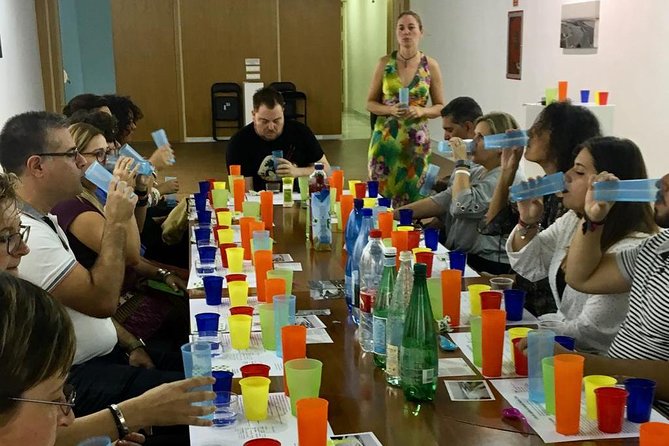
- Small-group tasting room session (max 10) with plenty of chances to ask questions
- Market stop in Plaza de la Corredera and Mercado de la Corredera to build context before tasting
- Start with olives, then move to olive oils so you learn in the right order
- Molinero-style breakfast that connects olive oil to Andalusian worker traditions
- Cordoba-focused flavor lessons across mild, fruity, and stronger styles, with some infused oils in the mix
- A practical, hands-on pace that fits well between bigger sightseeing blocks
A 75-minute olive oil morning that teaches your palate
This tour works because it respects your time. You get a compact morning format: a short walk and market look, then a tasting room lesson that stays practical and sensory. If you like food tours, but you do not want to spend half the day, this hits the sweet spot.
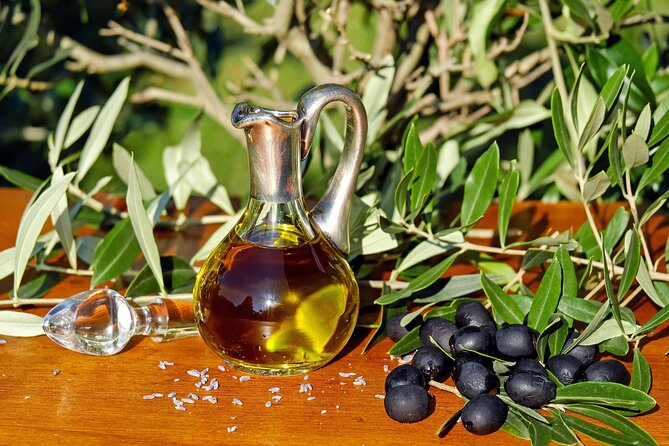
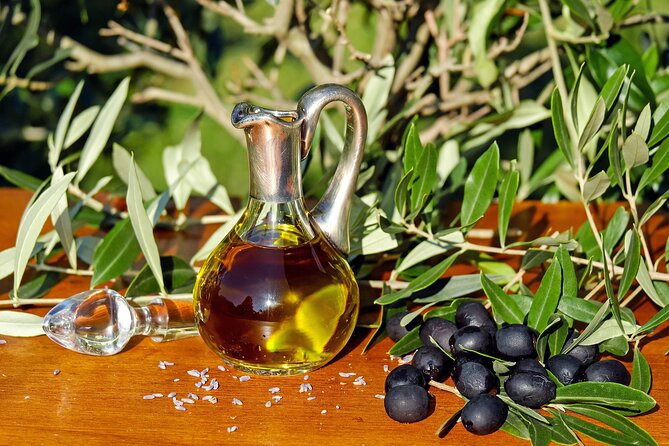
The biggest win for me is how the tasting is set up. You begin with olives, then you taste olive oils, and the guide talks you through what to notice as flavors change from mild to peppery. That order matters, because once you learn what olives are doing, the oil tasting makes more sense.
You also get a real sense of how locals fold olive oil into daily eating. It is not only about saying olive oil is healthy or fancy. It is about how it tastes with bread, how people learn to choose varieties, and how worker traditions shaped everyday habits.
You can also read our reviews of more tours and experiences in Cordoba.
Finding Things to Do Cordoba on C. Carlos Rubio, 11
You meet at Things to Do Cordoba, at C. Carlos Rubio, 11, local, Centro (14002 Córdoba). It is a straightforward city-center meeting point, and the tour ends back there. The tasting room is close by, and the experience starts right at the meeting location rather than with a long meet-and-gather shuffle.
When you arrive, keep an eye out for the black door on the right at street level, as that is part of how the tasting room is described. The tour also runs with a mobile ticket, so have your ticket ready on your phone.
Because this is a walking-and-tasting format, wear shoes that handle cobblestones comfortably. It is not an all-day hike, but you will still be on your feet for the market segment and the walk between stops.
Plaza de la Corredera to Mercado de la Corredera for real local context
The itinerary begins at Plaza de la Corredera, then you head into Mercado de la Corredera. I like this sequencing because the market stop gives you a frame for what you will taste later. You are not just collecting flavors in isolation, you are seeing where local produce and food culture show up in the day-to-day.
In the Plaza area, your guide helps you get oriented in the neighborhood. You will also get cues on what to look for as you move through the market space. Even if the market itself is small, the value comes from the commentary and food choices tied directly to olive oil culture.
In a city with lots of tourist food experiences, a market stop like this can be a fast way to feel the local rhythm. You will also pick up practical language and food vocabulary as you go, which helps once you start ordering on your own.
Three olive varieties first, then your Molinero-style breakfast
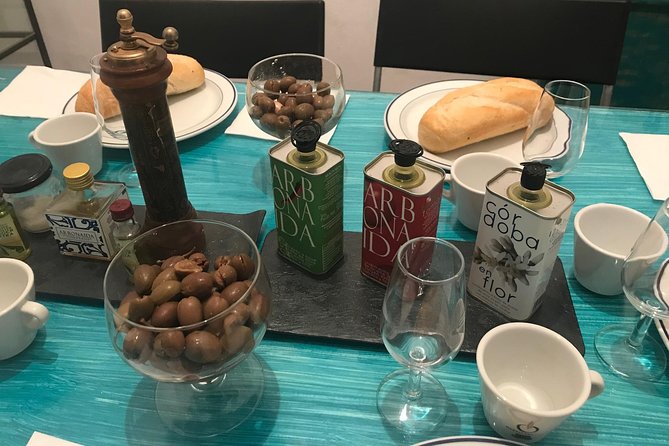
Before any oil tasting, you begin with olives. You taste three different olive varieties so you can register differences like fruitiness, bitterness, and intensity. This step is clever because it trains your senses early, before you get hit with multiple olive oils at once.
Next comes breakfast in Molinero style, called in Spain Desayuno Molinero, from the mill. The idea is tied to worker routines when olives were processed and people ate simply while the work was happening. It is presented as an ancient style breakfast, and the guide explains how this meal connects to the olive-to-oil workflow.
Now, here is the honest part: this is not a classic hotel breakfast spread. Based on how the experience is described, it is more like coffee or tea plus bread and olives, with olive oil used in the tasting itself. Some people are thrilled by the simplicity because it matches how locals eat olive oil, especially with bread.
If you arrive hungry expecting a big breakfast, you might feel slightly underfed. A few tour notes also mention that coffee can be instant, and bread may be used as a way to sop up oil. I think that is fine for a food lesson, but it is worth adjusting expectations.
The tasting room lesson: mild, strong, and infused oils in Cordoba styles
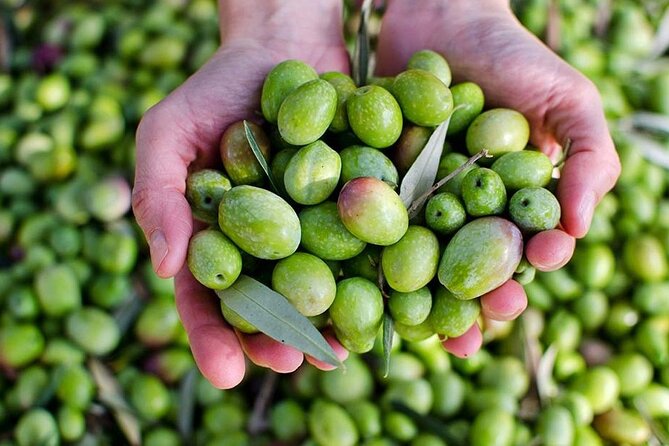
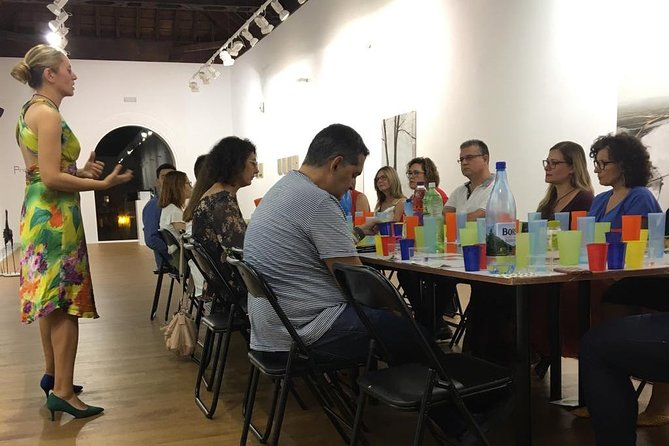
After the market and breakfast segment, you return to the tasting room where the olive oil lesson takes over. You taste different olive oils from different varieties from Cordoba, and the guide explains what to look for in your palate. The goal is not to memorize a list of terms. It is to learn how to recognize flavor shifts as the oil changes.
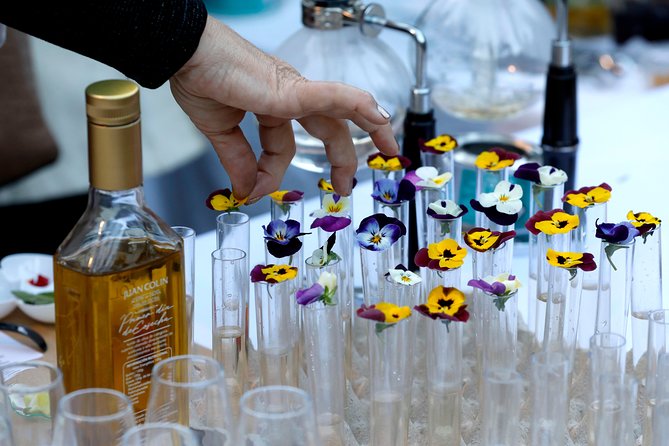
A common pattern is that you sample a range, from mild and fruity oils to stronger, more peppery styles. That range is useful because it helps you understand why bottles taste so different once you leave the U.S. Many tasting sessions also include infused oils, sometimes more than one, which can add flavors beyond pure olive character.
What I like most is the approach. You are guided step-by-step on how to taste, when to pause, and what questions to ask so you get something you can use later in shops and restaurants. You are not just drinking oil. You are learning how to judge aroma and finish without overthinking it.
You can also ask questions throughout, and guides are clearly comfortable answering everything from harvesting to processing to how people choose oils for different foods. If you have ever wondered why one oil tastes green and another tastes buttery, this is the kind of explanation that makes the difference click.
Some sessions include a small finish such as sherry or a dessert wine component, depending on the flow of that morning. Either way, the tasting stays centered on olive oil as the main event.


How much is it worth at $25.34, and what you actually get
At about $25.34 per person for roughly 1 hour 15 minutes, this is priced like a focused food experience, not a bargain for a full meal. The value is that you get a guided market walk plus a structured tasting room lesson, and the group size stays small at up to 10.
If you compare it to a simple olive oil shop tasting, the difference is context and teaching. In a shop, you may taste and buy. Here, you walk through market food culture first, then taste with an explanation that helps you understand what you are tasting. If you plan to buy bottles later, the lesson can save you money by helping you pick something you actually like.
If you want a big breakfast or a long sit-down meal, you might feel this is too light. But if you see it as a food class with breakfast-style fuel, it is good value.
Also note the schedule is popular, with bookings made about 14 days in advance on average. If you are traveling in peak season, it is smart to lock your slot early.
Who this olive oil breakfast tour suits best
This is a great fit if you want something different from the usual city checklist. It is also a nice break if you have done several churches and monuments in a row and your brain needs a reset.
You will love it most if you fall into one of these buckets:
- You like food tours, especially those that teach you how to taste
- You want a small-group experience rather than a crowd
- You are curious about how olive oil varieties change flavor in the cup and on the bread
- You want a morning activity that stays in the city center and does not eat your whole day
It is not ideal if you are expecting a full breakfast spread or you need a very specific meal format for morning meds. The breakfast is described as a field worker or mill style meal, and it can be sparse. If that matters to you, eat a bit before you arrive and treat this as the flavor lesson, not a replacement for breakfast at home.
Practical tips to get more from the tour
Ask questions early, not at the very end. Good ones are simple: when do they pick olives, how does processing change flavor, and what food styles match mild versus strong oils.
Take your time while tasting. A quick sip does not help your brain learn the difference between similar oils. Pause, smell, taste, then notice the peppery or fruity finish.
If you are buying oil, bring a short shopping plan. Decide what you want it for, bread dipping, salads, or cooking, then ask your guide what style matches that use.
One more small tip: since you start with olives and then move to oils, your tasting notes will make more sense if you remember the sequence. When you later taste oil at a shop, you will start comparing the same way.
Should you book this olive oil tasting breakfast tour?
If your goal is a small-group olive oil education with a market context and a mill-worker style breakfast, then yes, I would book it. It is short, well focused, and you leave with a better sense of how Córdoban olive oil varieties differ, not just that olive oil is good.
Skip it only if you need a full, heavy breakfast or you are very sensitive to the idea of bread-and-oil style tasting replacing a normal meal. In that case, consider pairing your morning with extra food on the side so the tasting stays fun, not stressful.
FAQ
How long is the olive oil tasting breakfast tour?
It runs for about 1 hour 15 minutes.
What does the tour cost?
The price is $25.34 per person.
Is the tour offered in English?
Yes, the tour is offered in English.
What is the group size?
The tour has a maximum of 10 travelers.
Where do I meet the tour?
You meet at Things to Do Cordoba, C. Carlos Rubio, 11, local, Centro, 14002 Córdoba, Spain.
What do you do during the tour?
You visit Plaza de la Corredera and Mercado de la Corredera, then you taste olives and olive oils in a tasting room. You also enjoy a Molinero style breakfast during the experience.
Is there a breakfast included?
Yes. You have a Molinero style breakfast, served in the traditional mill worker style, along with coffee or tea and other tasting elements like bread and olives.
Do I get a ticket on my phone?
Yes, the tour offers a mobile ticket.
What happens if the weather is bad?
This experience requires good weather. If it is canceled due to poor weather, you will be offered a different date or a full refund.
Can I bring a service animal?
Yes, service animals are allowed.
What is the cancellation policy?
You can cancel for free up to 24 hours in advance for a full refund.
More Tour Reviews in Cordoba
Not for you? Here's more nearby things to do in Cordoba we have reviewed




More Córdoba Tours from Seville worth a look.
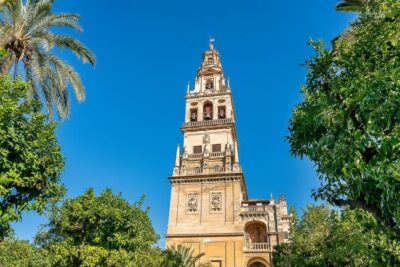 ★ 4.6Córdoba: Skip-the-Ticket-Line Mosque-Cathedral Guided TourFrom $319,634 reviews
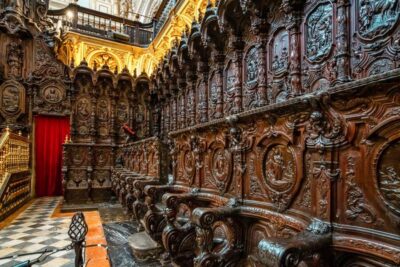 ★ 4.7Cordoba Mosque-Cathedral: Skip-the-Line Guided TourFrom $356,610 reviews
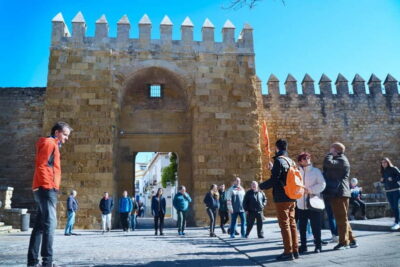 ★ 4.7Córdoba: Jewish Quarter, Mosque, and Alcázar TourFrom $504,279 reviews
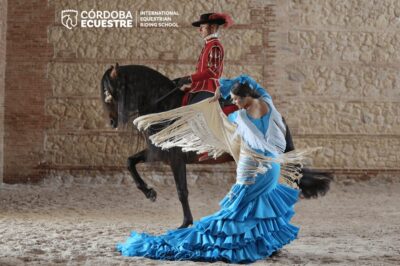 ★ 4.5Cordoba: Equestrian Show General EntryFrom $212,333 reviews
 ★ 4.1Cordoba: Mosque-Cathedral E-Ticket with Audio GuideFrom $212,124 reviews
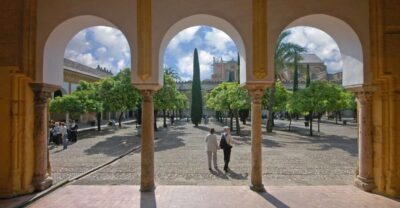 ★ 4.6Cordoba Mosque & Jewish Quarter Tour with TicketsFrom $401,996 reviews
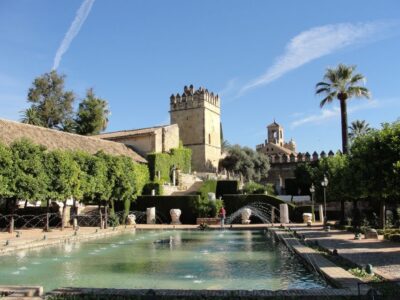 ★ 4.2Cordoba: Alcazar Guided Tour and Skip-the-Line TicketFrom $231,792 reviews
 ★ 4.7Córdoba: Skip-the-Line Great Mosque-Cathedral History TourFrom $381,690 reviews
Continue by place or experience