
REVIEW · RONDA, SETENIL & WHITE VILLAGES
Ronda: Guided Walking Tour
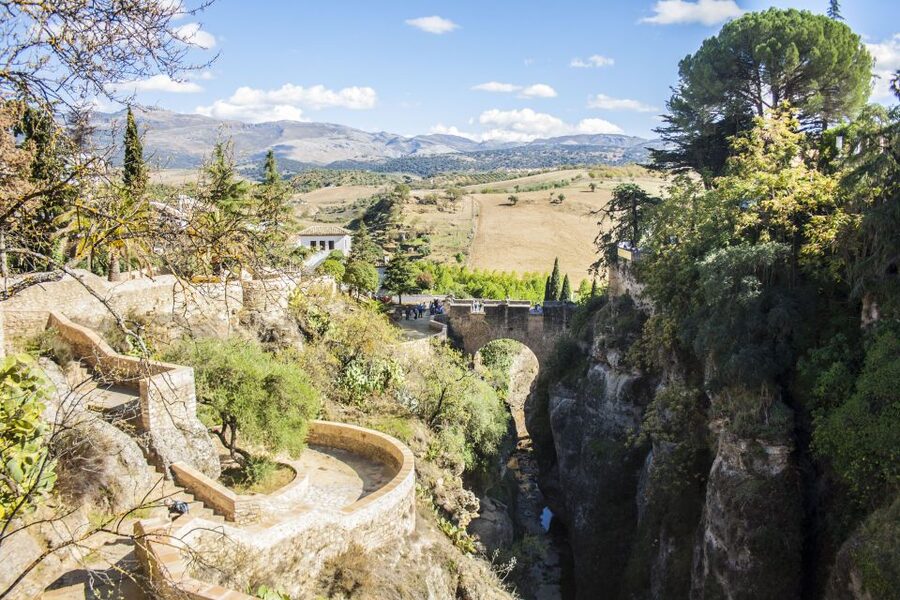
Ronda can feel split in two, literally, and that makes it a standout walk. In just 1.5 hours, you get expert-guided connections between everyday streets and big themes like Celts, Greeks, and later cultures, plus jaw-dropping views over the Tajo de Ronda gorge.
I love how the tour isn’t just sightseeing. You stop at places like the Plaza de Toros and the key lookouts around town, and your guide ties each spot to what it meant for Ronda.
One heads up: the walking pace is easy, but the tour includes time spent on bullfighting at the ring, so if that subject makes you uncomfortable, consider booking with a private guide or going with low expectations on that portion.
Key highlights at a glance
- Tajo de Ronda viewpoints with a real sense of scale over the canyon
- Plaza de Toros and the square nearby, explained in context, not as a photo stop
- Puente Nuevo, Aldehuela, and Viajeros Románticos lookouts that help you understand how Ronda is laid out
- Celtic and Greek origin stories, including why the name Runda matters
- Backstreets and hidden corners where you can stumble on everyday local life
- A guide-led experience in English or Spanish, with private options if you want it tailored
Ronda in 90 minutes, without feeling rushed
This is the kind of tour that makes sense on a day when you want to get your bearings fast. You are walking through Ronda’s old core, and the route is built around the places that explain the city’s shape: one side of town, the other side above the gorge, and all the viewpoints that make that split feel obvious.
At $71 per person for a 1.5-hour walk, you’re paying for two things: a local guide and the way they connect the dots. If you only plan to take photos at a few landmarks, you could do some of it on your own. But if you want the why behind the where, this is the value play.
You can also read our reviews of more tours and experiences in Ronda.
Where the tour starts: meeting in Ronda’s square
The meeting point can vary by option, so you’ll want to double-check your exact location when you book. Still, the structure is consistent: you meet your guide, then start walking through town right away.
Because the walk begins in the older, central area, you avoid that awkward phase where you’re trying to figure out which direction everything is. Guides also tend to spot quick opportunities for context, like how Ronda’s streets funnel you toward the gorge, then pull you back toward the town’s historic layers.
Celtic origins, Greek naming, and why that story matters
One of the most memorable parts of this tour is the origin framing. Your guide tells the story of Ronda’s Celtic roots and how Greeks are tied to the name Runda. Even if you already know a little about Iberian history, hearing it stitched into what you can actually see helps it stick.
This is also a good way to understand why Ronda feels like a cultural mixing bowl. You’re not just reciting dates. You’re learning the idea that different groups left marks on the city, and those marks show up in the way the town was organized, defended, and lived in.
I also like that the guide brings in broader geography, including the Sierra de Grazalema. Even from within the town, the surrounding mountains are part of the setting, so you leave with a mental map of where Ronda sits in Andalusia.
The gorge views: where you really understand Tajo de Ronda
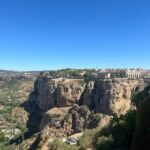
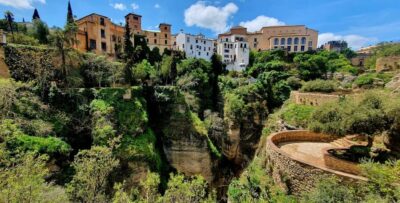
The core visual payoff is the Tajo de Ronda canyon. This is the kind of sight that changes how you read a city. Up on the terraces and lookouts, you see why Ronda developed the way it did: the gorge is both a natural boundary and the reason the city feels dramatic.
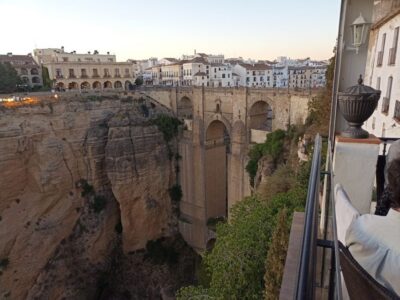
Plan for short viewpoint pauses where you can take in the scale. The stops to watch for include the key angles tied to Puente Nuevo and the lookouts around the gorge. If you are the type who enjoys standing still for a minute and then suddenly seeing the whole layout, you’ll be happy here.
And if the weather turns, you still go. The tour runs rain or shine, so bring weather-appropriate clothing. Wet stone plus viewpoints can be slippery, so comfortable shoes matter more than you might expect.
Plaza de Toros: more than a ring, it is a statement
You’ll see the Plaza de Toros and the square around it, and your guide explains how that space fits into Ronda’s story. Even if you are not a bullfighting fan, the ring is a major landmark, and it helps explain how tradition and controversy coexist in this part of Spain.
That said, there’s a balance to strike. One participant felt the bullfighting portion leaned too far into glorifying the spectacle and how the fighters and animals are treated. So here’s my practical take: if you know this topic is a dealbreaker for you, don’t assume you can tune it out. If you’re unsure, choose a private tour so the guide can tailor how much time they spend there and how they frame it.
Puente Nuevo and the lookout route that teaches the city
After you get oriented, the tour pivots to a lookout sequence built to show Ronda’s structure. You hit viewpoints including Puente Nuevo, Aldehuela, and Viajeros Románticos. Each one is useful because it shows a different angle on how the gorge slices through town.
This is where a guide earns their fee. Without guidance, you might see three pretty spots. With guidance, you start to connect them. You understand how the bridge area relates to older neighborhoods, where the streets funnel people toward the best views, and why certain buildings and terraces matter.
Think of these stops as visual bookmarks. When you later walk on your own, you’ll remember what you saw, and your photos will look better because you will know where the composition comes from.
Old streets and everyday moments you might catch along the way
This tour is not only monuments. You also get time on quieter streets, the sort of backstreets that help Ronda feel lived-in. Several guides in this experience are known for bringing humor and real local storytelling, and that approach often makes the walk feel like a conversation instead of a lecture.
In a perfect world, you’d always spot something interesting. In the real world, Ronda is full of small daily rhythms. Depending on the day and timing, you might run into moments like street musicians or everyday deliveries that add texture to the walk. One person even described baker activity tied to a nearby convent school, and that kind of detail is exactly why guided time can feel more rewarding than a self-guided checklist.
Just remember: these are day-to-day moments, not guaranteed stops.
Guides make the difference: Susana, Gema, Antonio, Christophe, and Cristobal
A walking tour lives and dies on the guide’s storytelling. The standout theme here is consistent praise for guides who combine facts with personality.
I’m seeing strong recommendations tied to Susana, Gema, Antonio, Christophe, and Cristobal. The descriptions of their guiding style overlap: expert local knowledge, friendliness, and a sense of humor that keeps the pace easy.
If you have a history-leaning brain, you’ll probably enjoy how the guides connect origin stories and city layout to the sites you walk past. If you’re more into atmosphere, you’ll likely appreciate the way the guide keeps things moving, while still pausing long enough for you to take in the views.
Group or private: choose based on how you travel
You can choose a group tour or go private. For me, the difference comes down to how you want your attention handled.
A group works well if you enjoy sharing a route, hearing others’ questions, and keeping things efficient. The tour is short enough that you won’t get stuck in a long slog with people who move at a different pace.
A private tour is a better fit if you want control over what you focus on. If you are sensitive to the bullfighting emphasis, or if you want your guide to spend more time at certain lookouts, privacy helps. It also makes it easier to ask follow-up questions without waiting for the group to settle.
Price and value: is $71 worth it
Let’s talk value honestly. $71 for 1.5 hours is not the cheapest option in Ronda, and one participant even mentioned paying more than they expected compared with what they believed was available through another tourism channel for less. That doesn’t mean this tour is overpriced across the board, but it does mean you should feel confident checking the range of options before you buy.
So what makes the price feel justified for the right person?
- You’re buying interpretation, not just entry to a spot.
- You get a curated route that hits the places that explain Ronda’s layout: Plaza de Toros, the gorge viewpoints, and the lookouts that frame Puente Nuevo.
- You get context on origins, including the Celtic and Greek naming story, plus cultural layers that you can’t easily pick up from signs alone.
If you’re the kind of traveler who reads quickly and prefers to do self-guided walking with your own research, you might feel the price is steep. If you want a local voice to compress your learning into a short time, the cost can feel fair.
What to bring so you enjoy every step
This is a comfortable walk for most people, but you are moving through older streets and viewpoint areas, so preparation matters.
Bring:
- Comfortable shoes with good grip
- Weather-appropriate clothing, because the tour runs rain or shine
If you run hot, bring a light layer anyway. Viewpoints can be breezy, and you’ll likely do some stop-and-start walking where temperature swings happen fast.
Who this tour suits best
I think this tour is ideal if:
- You only have a short window in Ronda and want the main mental map, not a random route
- You enjoy history that connects to what you can see in front of you
- You want the gorge views plus cultural context without planning for every stop
It might be less ideal if:
- You strongly dislike any bullfighting discussion and don’t want your guide to spend time there
- You’d rather wander solo and look up details at your own pace
Should you book this Ronda guided walking tour?
If your goal is to leave Ronda feeling oriented and impressed, I’d say yes. The combination of Tajo de Ronda viewpoints, the Plaza de Toros, and the standout lookout sequence around Puente Nuevo, Aldehuela, and Viajeros Románticos is a strong package for 1.5 hours.
If the bullfighting topic is a concern, I’d lean toward a private tour or go in with a heads-up so you can mentally decide how you want to handle that segment. And if price is your top priority, it’s smart to compare options before you book.
Overall, the strong guide reputation, paired with an efficient route and real storytelling, makes this a solid first walk in Ronda.
FAQ
How long is the Ronda guided walking tour?
It lasts 1.5 hours.
What language is the tour guide available in?
The live tour guide is available in English and Spanish.
Is there a private tour option?
Yes, a private group is available.
Where do we meet for the tour?
The meeting point may vary depending on the option booked.
What should I bring?
Bring comfortable shoes and weather-appropriate clothing.
Does the tour run if it rains?
Yes, the tour takes place rain or shine.
More Tour Reviews in Ronda
Not for you? Here's more nearby things to do in Ronda we have reviewed
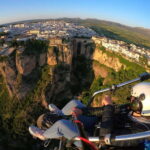
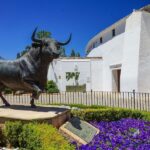

More Ronda, Setenil & White Villages worth a look.
 ★ 4.5From Seville: Pueblos Blancos and Ronda Full-Day TripFrom $523,849 reviews
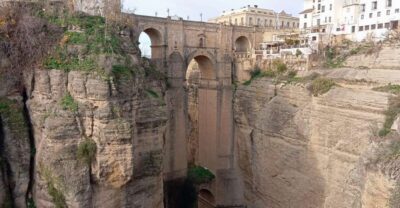 ★ 4.4From Seville: Ronda+Setenil de las Bodegas Day TripFrom $533,562 reviews
 ★ 4.8From Malaga: Ronda and Setenil Tour with Scenic TrainFrom $282,895 reviews
 ★ 4.5White Villages and Ronda Day Tour from SevilleFrom $952,049 reviews
 ★ 4.5Ronda: Guided Walking Tour with English or Spanish GuideFrom $29423 reviews
 ★ 4.5White Villages and Ronda Guided Day Tour from SevilleFrom $95415 reviews
 ★ 5.0Ronda, Setenil and Sevilla Small Group Tour from MalagaFrom $118334 reviews
 ★ 5.0White Villages and Ronda Day Trip from SevilleFrom $107295 reviews
Continue by place or experience