
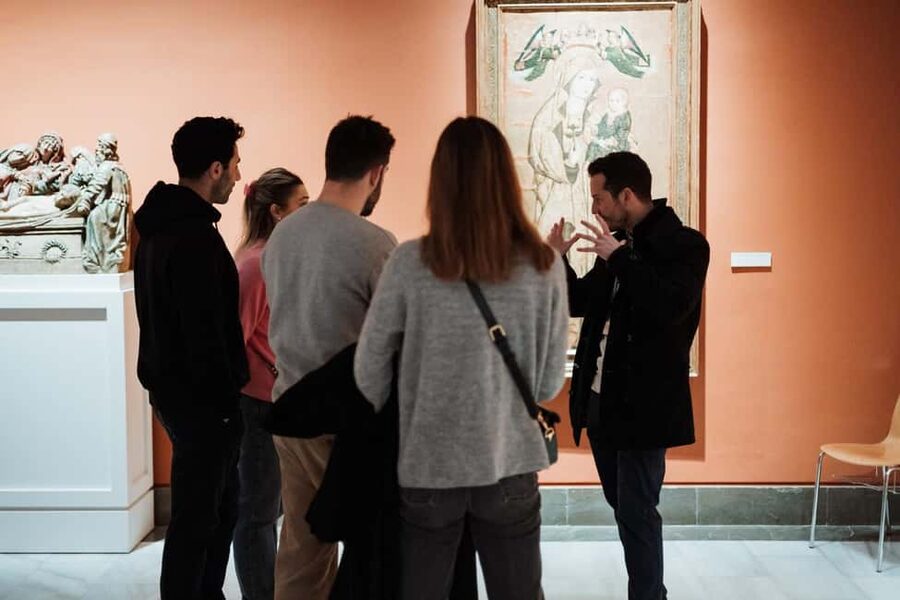
REVIEW · SEVILLE PRIVATE GUIDES & CUSTOM TOURS
Private Tour of the Museum of Fine Arts, Seville
Art in Seville hits differently.
On this private, 2-hour Museum of Fine Arts tour, you get a focused walkthrough of major works inside Spain’s second largest art gallery, with a real sense of why Seville mattered in European art history (Museum of Fine Arts, La Merced). I especially like having a guide connect the dots between the building itself and the art inside.
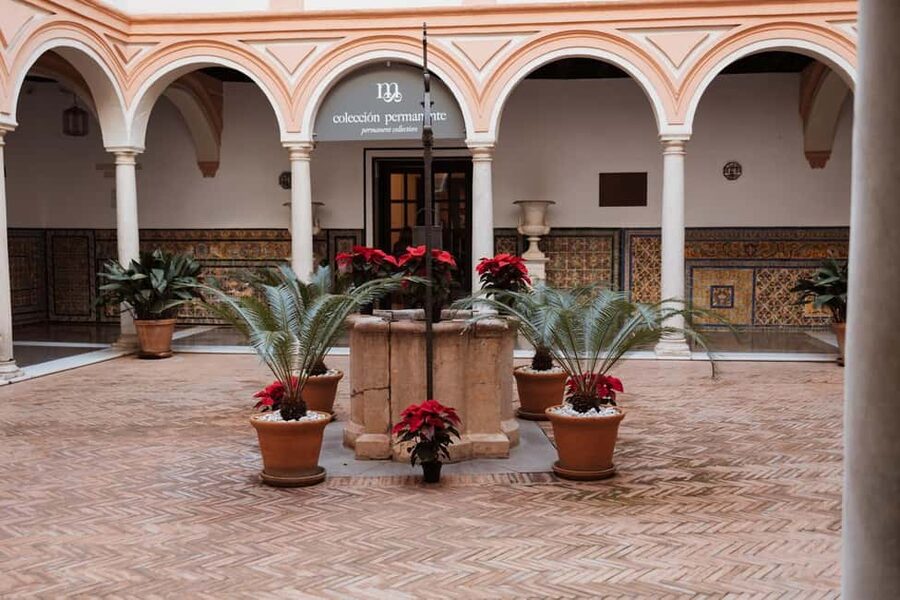
I love two things most: the setting and the sweep of styles. You’ll see how the museum lives in the former Convent of La Merced (13th-century origins, remodeled in the 17th century), and you’ll follow the evolution of art from Sevillian Gothic work through major Renaissance turning points, including Torrigiano’s imposing San Jerónimo Penitente.
The main drawback to consider is time. Two hours is a tight, efficient route, so if you want a slow, standalone museum day with lots of extra detours, this will feel more like a curated hit list than a long wander.
Key Highlights Worth Your Time
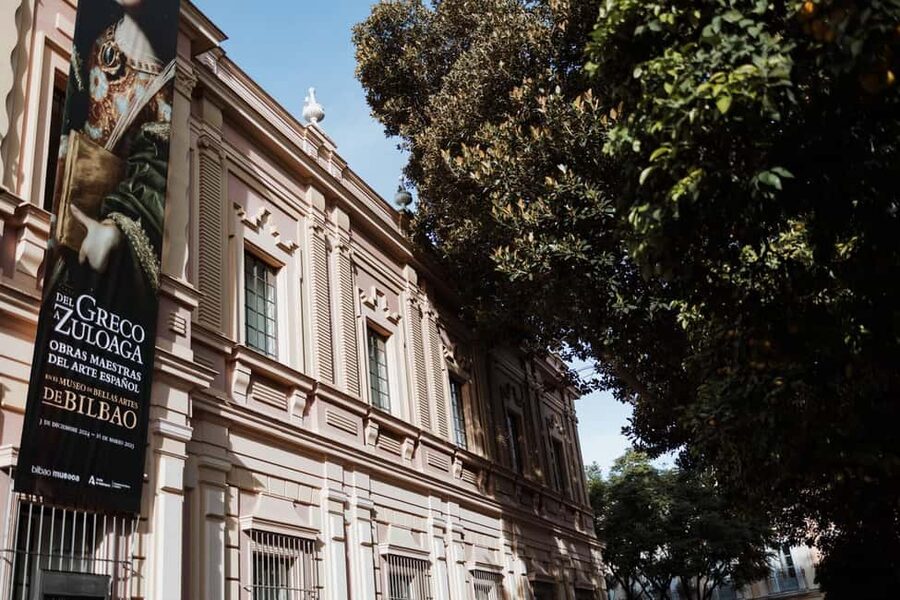
- La Merced setting: Renaissance and Baroque architecture inside a historic convent complex in the historic center.
- A guided style timeline: From Sevillian Gothic to Renaissance breakthroughs, then into Mannerism and Baroque.
- Big-name religious art moments: Works tied to major orders and devotional themes, including Torrigiano and Mercedarian cycles.
- Murillo’s dedicated space: A special room focused on Bartolomé Esteban Murillo in the former church area.
- Sculpture power indoors: Sculptures by Martínez Montañés and Juan de Mesa from the former Santa María de las Cuevas convent collection.
- 19th-century costumbrismo: Seville’s everyday-life art, including Gonzalo Bilbao, Antonio María Esquivel, and José Villegas Cordero.
Where the Museum Lives: La Merced in Seville’s Historic Core
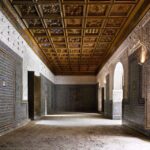
The Museum of Fine Arts is not just a place to look at paintings. It also teaches you something by existing in the former Convent of La Merced, a building that traces back to the 13th century and was remodeled in the 17th. That matters because Seville’s big art revolved around churches, orders, and the way religious life shaped patronage.
You also get an architectural double lesson. The museum setting brings together Renaissance and Baroque character, so your first impressions are already telling a story: the city changed, styles changed, and the art changed with them. Instead of feeling like you’re walking into a modern box, you’re walking into a historic stage where the artwork makes more sense.
If you like museums that explain context through the walls, this is the kind of venue where you’ll feel the connections fast.
You can also read our reviews of more tours and experiences in Seville.


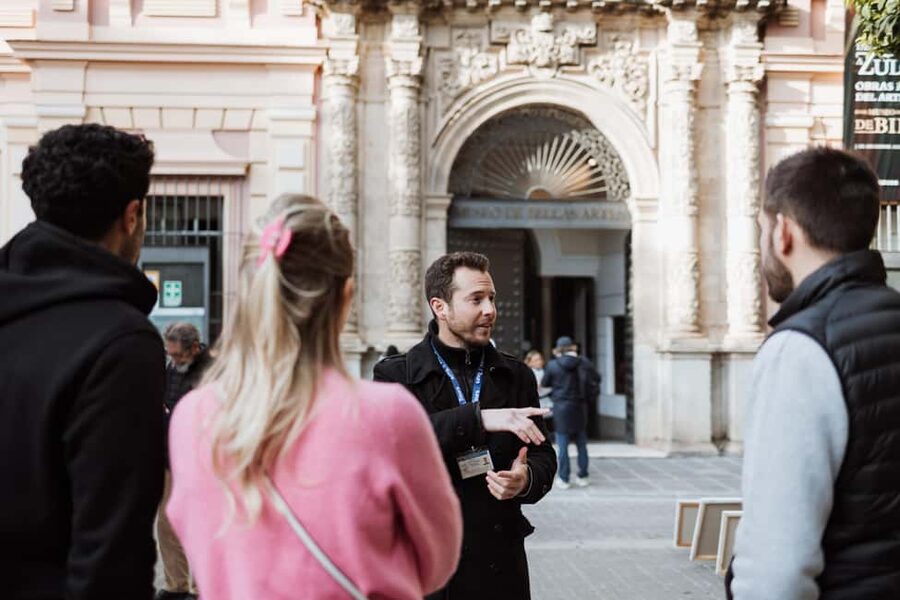
Getting Started at Plaza del Museo and What Your Guide Will Do
Your tour begins at Plaza del Museo, where the guide meets you holding a blue umbrella or wearing a Seville Guides & Tours nametag. Plan to arrive a few minutes early and get your bearings around the plaza before you start. When a meeting point is clear, your 2 hours stay focused.
This is a private group tour, and it runs for 2 hours. That timing is built for a curated experience. You’re not trying to cover everything the museum has. Instead, you’re getting the handful of rooms and masterpieces that create a clear understanding of Seville’s art journey.
The guide speaks English or Spanish, and the tour includes entrance to the museum. One more practical detail I appreciate: it’s wheelchair accessible, which is a big plus if mobility is part of your planning.
And based on what you’ll hear from your guide, you’ll likely appreciate how personal the delivery is. In particular, Julio is called out for combining warm, personable handling with strong context about the art and its significance to Seville and Europe. When a guide can explain why a work mattered beyond its looks, your whole visit clicks into place.
A Smart Route Through Sevillian Gothic, Renaissance Breakthroughs, and Mannerism
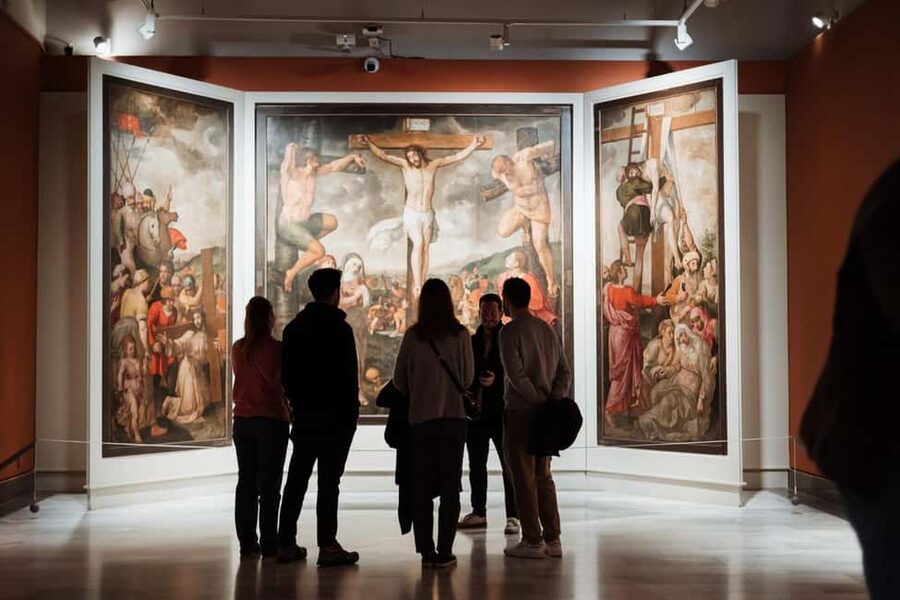
This tour moves through periods in a way that helps you remember what you’re seeing. You start with the earlier Sevillian Gothic works, then you jump forward into Renaissance momentum. The goal is not to memorize dates. The goal is to understand change: how forms, power, and patronage shaped what artists made.
One standout moment is the Renaissance milestone of San Jerónimo Penitente by Torrigiano. This is the kind of artwork that benefits from a guide-led explanation because it’s big on presence and intention. Once you understand what makes it significant for Seville’s Renaissance, you’ll look at it differently than if you just read a title card.
Then you’ll encounter Pacheco’s pictorial series dedicated to the Mercedarians, featuring San Pedro Nolasco and San Román Nonato. The tour frames this as Mannerism, which is useful because Mannerism can look like it’s all about style for style’s sake if you are not given the context. With a guide, you get a sense of how artists were playing with conventions, and why those choices mattered to the people who commissioned and received the work.
What I like about this structure is how it trains your eye. After a few rooms, you start noticing visual language: how figures are arranged, how drama shows up, and how religious themes translate into artistic decisions.
Baroque Drama: Valdés Leal, Zurbarán, and Alonso Cano
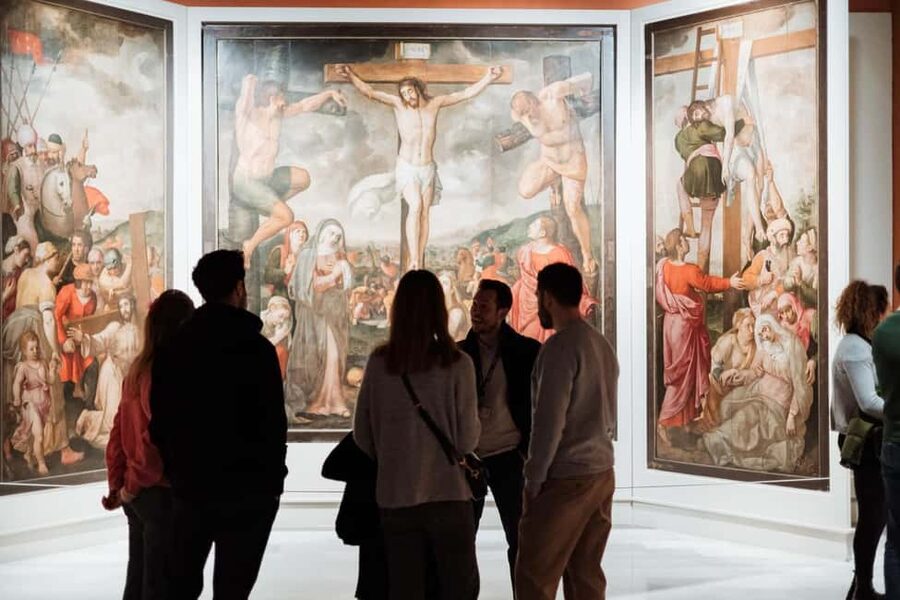
After the Renaissance-to-Mannerism transition, the tour leans into Baroque. This is where Seville’s intensity really shows. Baroque is about impact. It’s about emotion you can almost feel in the brushwork and the staging of sacred scenes.
You’ll meet Baroque works by Valdés Leal, Zurbarán, and Alonso Cano. A guide’s commentary is especially helpful here because Baroque art can feel overwhelming at first, like everything is loud. When you get the context, you start separating what’s decorative from what’s meaningful, and what’s designed to persuade from what’s designed to move.
This is one reason I think a private guide is worth it for this museum. The museum is full of beautiful art, yes. But Baroque works are most rewarding when you understand what they were meant to do.
Murillo in the Former Church Space: One Room, Strong Payoff
One of the most visitor-friendly parts of the experience is the spectacular room dedicated to Bartolomé Esteban Murillo. It’s located in the former church of the Convent. Even if you aren’t trying to chase every single painting, this is the section that tends to stick with people because the display gives Murillo room to breathe.
Murillo is known for a very particular kind of humanity in religious art. With a focused visit, you get to see how his style fits into the wider story the tour is telling. You’re not just looking at a single artist. You’re seeing why this moment in Seville’s artistic life felt distinct enough to earn its own dedicated space.
If you like the feeling of “this is the best way to see a highlight,” Murillo’s room is exactly that.


Sculpture Indoors: Martínez Montañés and Juan de Mesa
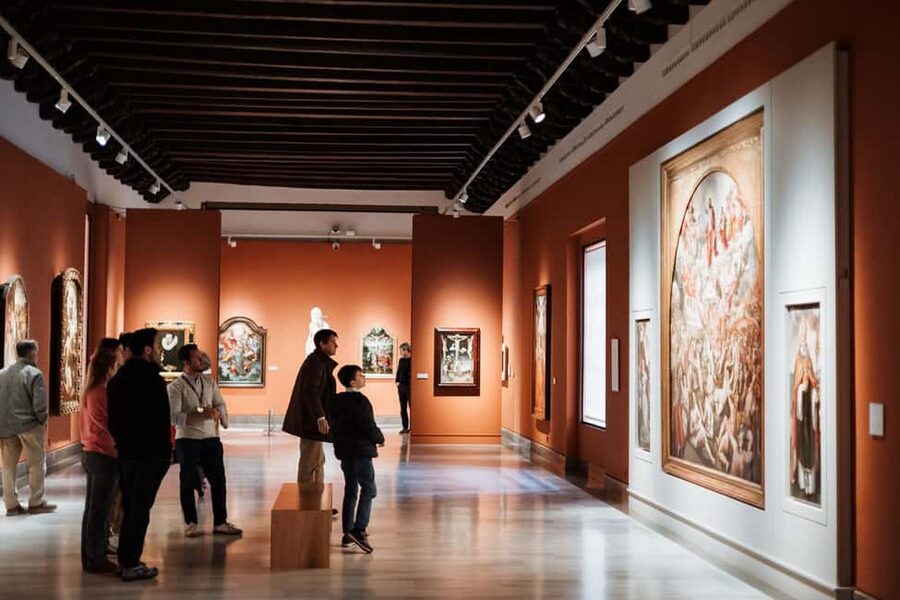
Paintings get most of the attention in art museums, but this tour also gives you a real taste of sculpture. You’ll see sculptures by Martínez Montañés and Juan de Mesa, drawn from the collection associated with the former Convent of Santa María de las Cuevas.
This matters because Seville’s art identity was not only about what artists painted. It was also about what they carved and how sculpture shaped devotion. When you see these sculptors’ works in the museum context, it’s easier to understand how sacred art functioned as something more physical than imagery.
This is also a good “palette cleanser” from painting density. If you find yourself starting to glaze over after too many canvases, sculpture helps reset your attention and your appreciation.
The 19th-Century Seville You Don’t See at First Glance
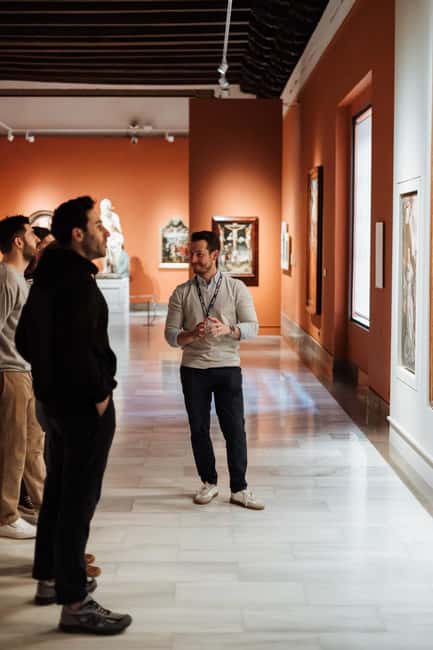
Not every museum trip is just Renaissance and Baroque. A big plus here is the museum’s reach into 19th-century Sevillian costumbrismo, the art of everyday life. This part of the tour helps you understand that Seville’s cultural identity did not stop with older masters.
You’ll look at works by Gonzalo Bilbao, Antonio María Esquivel, and José Villegas Cordero. Even if you do not know costumbrismo before arriving, you can still appreciate why it’s included in the story: it shows Seville documenting itself, shaping its own image, and turning daily scenes into art.
I like this ending because it stops the visit from feeling like a straight line ending in the 1600s. Instead, it gives you a sense of continuity, and it helps your last rooms feel like a bridge to later cultural life.
Price and Value: $261 for a Private Group Up to Four
The price is $261 per group (up to 4) for a 2-hour guided visit, with entrance included. On the surface, that can look like a “private tour” premium. But here’s where value comes in.
First, you’re paying for a guide to navigate a large museum without you needing to guess what to prioritize. For a place like this, the difference between walking in cold and walking in with structure can be huge. The tour is designed to give you a coherent story from Sevillian Gothic to Renaissance milestones, Mannerism, Baroque, then into Murillo and 19th-century costumbrismo.
Second, the private pricing becomes much more reasonable if you’re traveling with a small group. If you’re one or two people, it still may be worth it if you care about context and want the highlights, not a random walk. If you’re a solo traveler, you might decide to compare against other tour types, because this specific pricing is clearly built for families and small friend groups.
In short: you’re not paying for extra time. You’re paying for focus, and that focus is what turns the museum into a story you’ll remember.
Who This Private Tour Fits Best
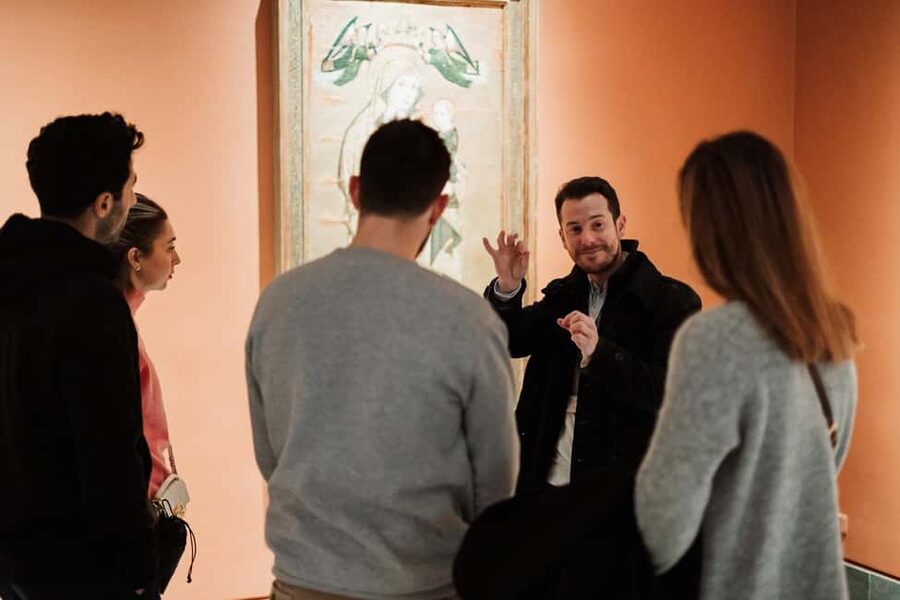
This tour is a strong match if you:
- Want a curated route with fewer decision points.
- Like art history that connects artists and styles to Seville’s place in broader Europe.
- Care about seeing both major painting highlights and sculpture.
- Prefer a guide-led experience over reading plaques alone.
It may be less ideal if you want an unstructured, half-day museum lounge where you can take your time with every single room. The route is built for a clear 2-hour understanding, not for long wandering.
Should You Book This Private Tour of the Museum of Fine Arts?
Yes, if you want a Seville museum visit that makes sense quickly. This tour is built around the museum’s strengths: the historic La Merced setting, the sweep through Sevillian Gothic to Renaissance to Baroque, and the standout focus rooms and artists like Murillo, plus sculpture by Martínez Montañés and Juan de Mesa. Add the 19th-century costumbrismo section, and you get a fuller picture than a purely old-master route.
I’d especially book it if you’re with up to four people and you want your time in Seville to feel intentional. Meeting at Plaza del Museo, getting museum entrance handled, and having a guide like Julio who can explain historical context and significance are the kinds of practical wins that turn a good museum stop into a genuinely satisfying one.
If you’re the type who loves to understand why a work was made, not just that it exists, this private format is a great fit.
FAQ
How long is the private tour of the Museum of Fine Arts, Seville?
The tour lasts 2 hours.
Where do we meet the guide?
You meet at Plaza del Museo. The guide waits with a blue umbrella or with a Seville Guides & Tours nametag.
What languages are available for the guide?
The guide is available in Spanish or English.
Does the tour include museum admission?
Yes. Entrance to the museum is included.
Is this tour wheelchair accessible?
Yes, the tour is wheelchair accessible.
What is the price for this experience?
It costs $261 per group, for groups up to 4 people.
What is the cancellation policy?
Free cancellation is available up to 24 hours in advance for a full refund.
Do I need to pay immediately?
You can reserve and pay later, with the option to keep plans flexible.
More Tour Reviews in Seville
Not for you? Here's more nearby things to do in Seville we have reviewed







More Seville Private Guides & Custom Tours worth a look.
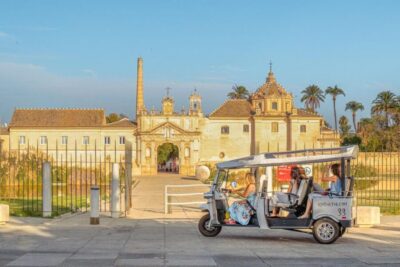 ★ 4.8Private City Tour by Eco Tuk TukFrom $33963 reviews
 ★ 5.0Seville Private Walking Tour with Alcazar & Cathedral TicketsFrom $276332 reviews
 ★ 5.0Private Walking Tour Alcazar and Cathedral in SevillaFrom $171172 reviews
 ★ 5.0Alcazar and Cathedral of Seville Private TourFrom $241149 reviews
 ★ 5.0Private Tour Jewish Quarter, center and Plaza de EspañaFrom $189127 reviews
 ★ 5.0Private personalized Seville street tour of 2.5 hoursFrom $54116 reviews
 ★ 5.0Private Half Day Walking Tour of SevilleFrom $133101 reviews
 ★ 4.5Alcazar of Seville Private TourFrom $11693 reviews
Continue by place or experience