
REVIEW · SANTA CRUZ & SEVILLE JEWISH QUARTER
Seville Jewish Quarter walking tour: Santa Cruz District
Santa Cruz has stories in every corner. This walking tour shines because a local guide brings the neighborhood to life with humor and clear context, and because the route threads you through courtyards and plazas you would not notice on your own. You end up leaving with Seville’s past feeling personal, not textbook.
I especially like how the legends are tied to real street names and real places, from Susona to the ghostly folklore of Barrabás. Along the way, you get a strong sense of the Jewish quarter atmosphere, plus Golden Age landmarks like Hospital de los Venerables.
One thing to plan for: it is a 1.5-hour walking loop through stone lanes and tight turns, so you will want comfortable shoes and sun protection.
Key points to know before you go
- Susona, Miguel Mañara, and Barrabás: legends explained in a way that makes the neighborhood easier to understand.
- Plaza de Doña Elvira and orange-tree calm: a peaceful reset inside a maze of streets.
- Calle Susona and street-name storytelling: you learn how place names and history connect.
- Hospital de los Venerables and Golden Age anchors: major stops that help you picture Seville’s bigger story.
- Opera connections near Rosina’s Balcony: culture shows up in surprising street corners.
- Small-group energy is possible: guides can often tailor explanations when the group is small.
Santa Cruz feels like an open-air storybook
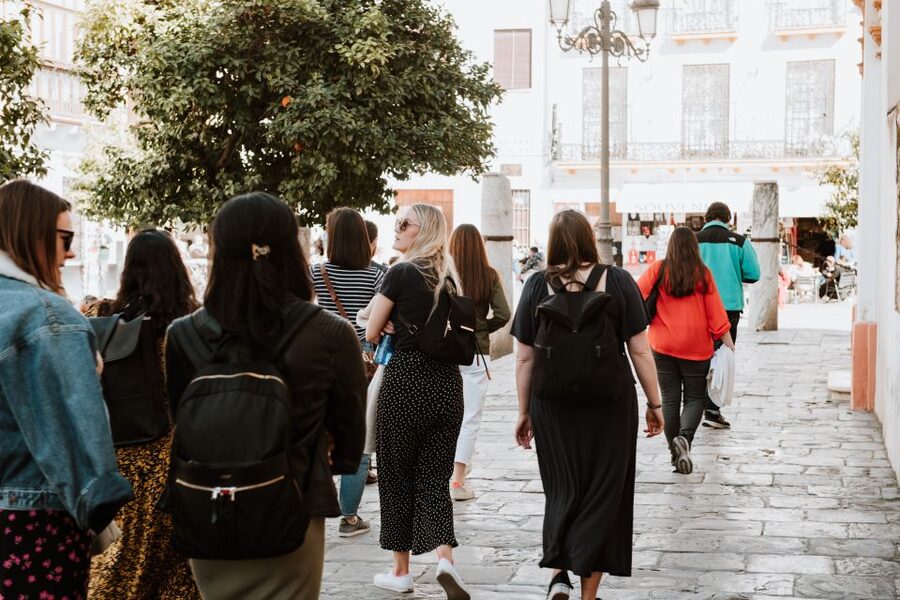
Santa Cruz, Seville’s old Jewish quarter, is all narrow lanes, whitewashed walls, and sudden little pockets of quiet. This tour works because it does not just point at sights. It connects the streets to people, fears, hopes, and rumors that shaped how the neighborhood was remembered.
I like the balance of story plus seeing. You get to walk the maze, but you also stop at meaningful places where the guide can slow things down, explain the symbolism, and help you read what you are looking at. Even if you are not the type to track dates, the legends make it click.
And yes, this is one of the most emblematic areas of Seville, part of Spain’s largest historic center. The charm is real, but what makes the walk worth your time is how the guide turns that charm into understanding.
You can also read our reviews of more tours and experiences in Seville.


Price and value: why $15 can feel like a bargain
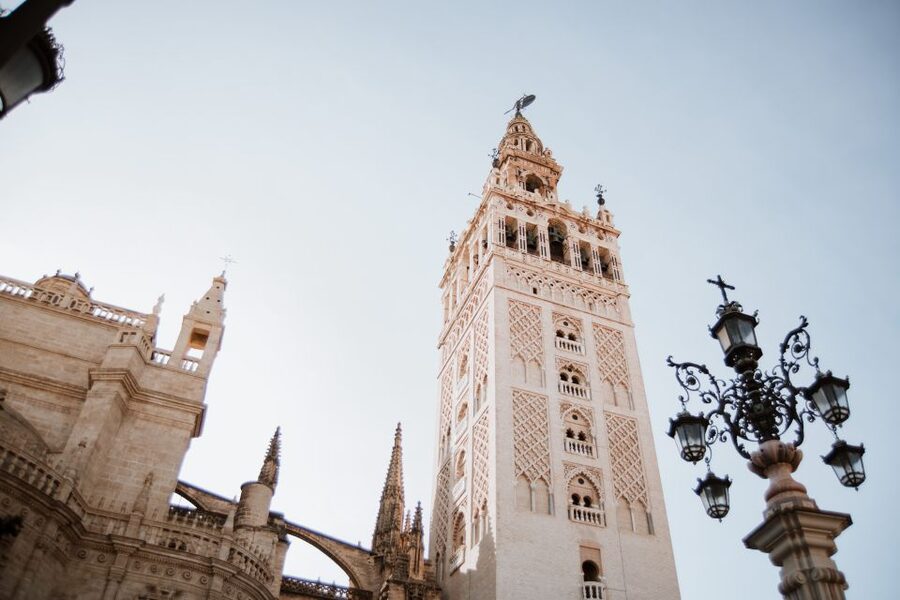
Fifteen dollars for a 1.5-hour guided walk is strong value in Seville. You are not paying for a long bus transfer or a museum ticket. You are paying for a local expert who knows how to connect a neighborhood’s architecture, street names, and folklore into one story you can carry with you.
The best part is that the tour is built for storytelling, not just sightseeing. That matters because Santa Cruz can be confusing if you are wandering solo. With a guide, you learn what you are looking at and why it matters, which means your time in Seville feels more efficient.
Also, the tour includes an optional flamenco show. If you want to add a cultural evening without doing extra planning, you can ask at the meeting point whether there is availability.
Where to meet at Plaza del Triunfo (and start on the right footing)
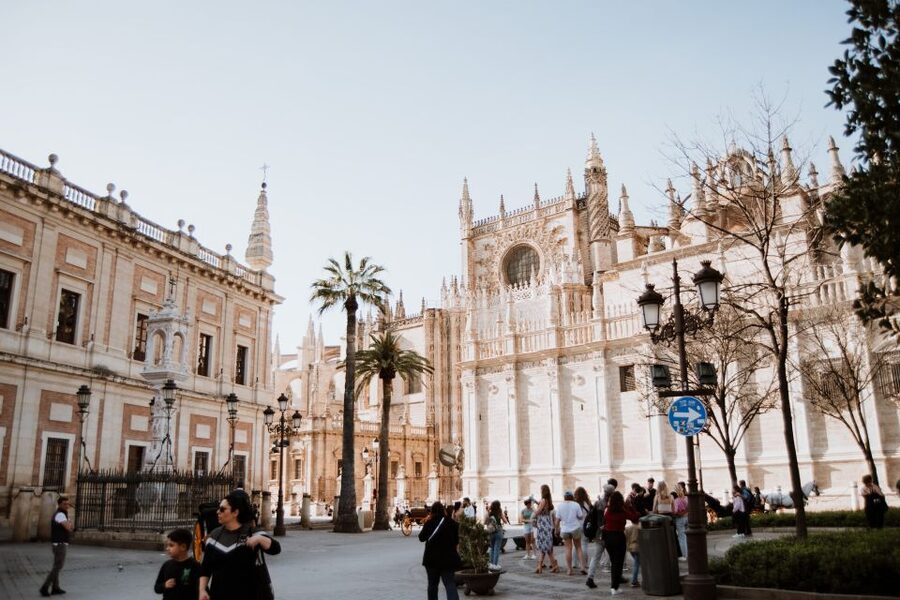
You meet in Plaza del Triunfo under the Virgen de la Inmaculada statue. The guide holds a blue umbrella or has a nametag with the Sevilla Guías & Tours logo, so it is usually straightforward to find the group.
This starting point is smart. You begin where Seville feels grand and public, then you gradually shift into the intimate, tucked-in streets of Santa Cruz. That first transition sets you up to enjoy what comes next instead of feeling like you are immediately lost.
The tour runs in English or Spanish. And if you are traveling with mobility needs, the route is listed as wheelchair accessible, so you can ask about the best approach for your group when you book.
Plaza de la Alianza: a Golden Age checkpoint for your imagination
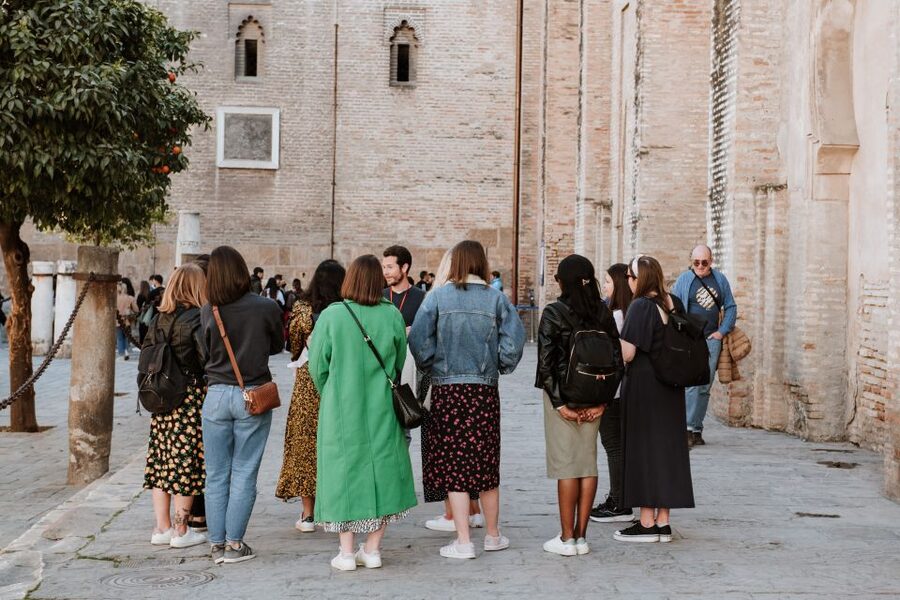
After the initial orientation at Plaza del Triunfo, you head toward Plaza de la Alianza. This is the kind of stop that helps the neighborhood make sense. The guide uses it as a checkpoint to connect what you are about to see with what Seville was during its big historical growth.
When a guide frames a place like this, it changes how you walk. Suddenly, the walls and corners feel like part of a timeline instead of random backdrops. It also helps you understand why Santa Cruz gets talked about so much, because the area is not only pretty, it is historically important.
One consideration: plazas in Seville can be sun-heavy. Plan to go at a time when you can handle the heat, and follow the simple advice already given for the tour, comfortable shoes and sunblock.
Plaza de Doña Elvira: orange-tree calm in the middle of the maze
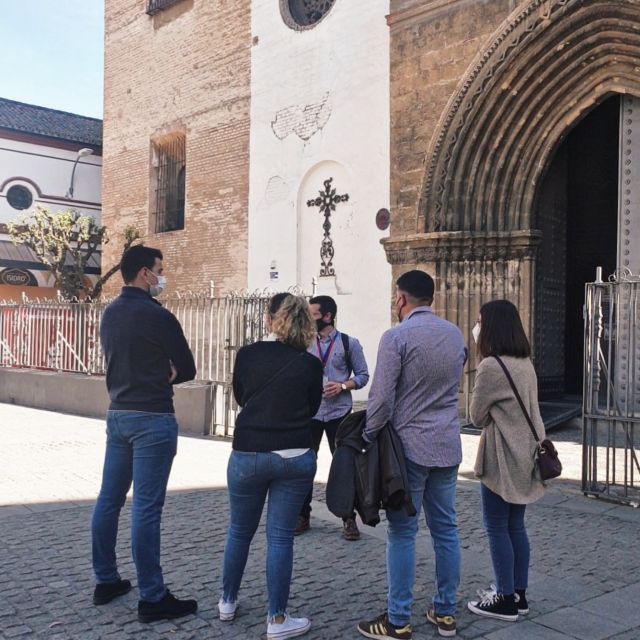
Next comes Plaza de Doña Elvira, the sort of place where you stop without even realizing you have slowed down. Orange trees, soft atmosphere, and the way the area holds quiet between louder streets make it a great breathing break.
I like this stop because it gives contrast. Santa Cruz can feel tight and twisty, then the plaza opens up and lets you reset your eyes. If you take photos, this is a good place for it, too, because the setting is naturally photogenic without feeling staged.
This is also where a good guide earns their keep. The stories here are not just random folklore. They set up the emotional tone of the neighborhood, so when you later hear about love, betrayal, identity, and rumor, you understand why people would have talked about these themes in this exact kind of street world.



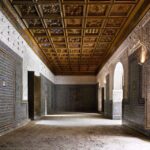
Callejón del Agua and the power of street-name stories
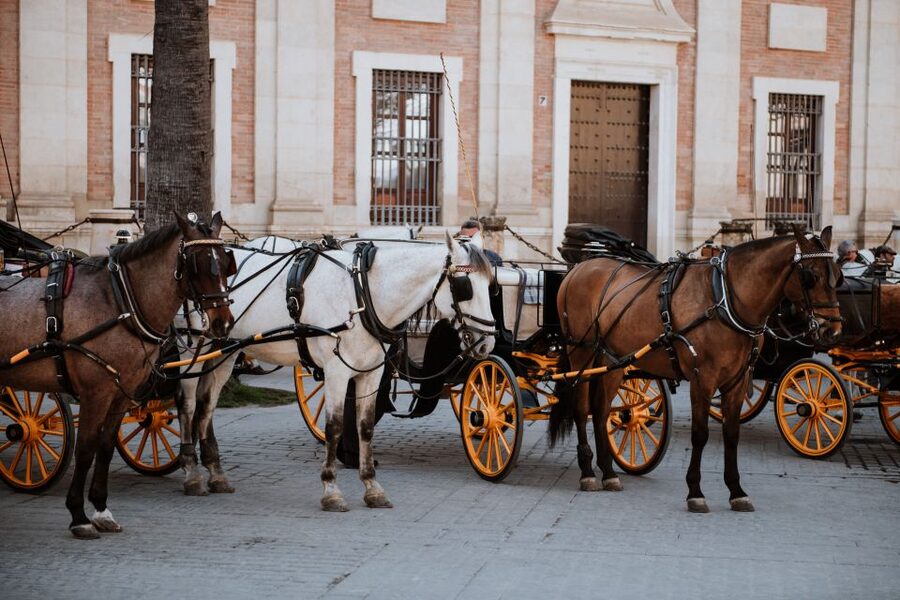
Along the way, you encounter Callejón del Agua. Even if you are not sure what to look for, this is a moment where the guide makes the stones feel purposeful.
I love walks where you learn why a street has a name. When you hear the connection between water, daily life, and how communities worked, you start noticing details you would otherwise miss. And Seville is especially good for this. A narrow lane can hide a whole system in plain sight.
From the practical side, it is also a reminder to go slow enough to hear your guide. In narrow lanes, you cannot multitask. If you keep listening, you get more out of every stop.
Calle Susona and the legends that give the quarter its pulse
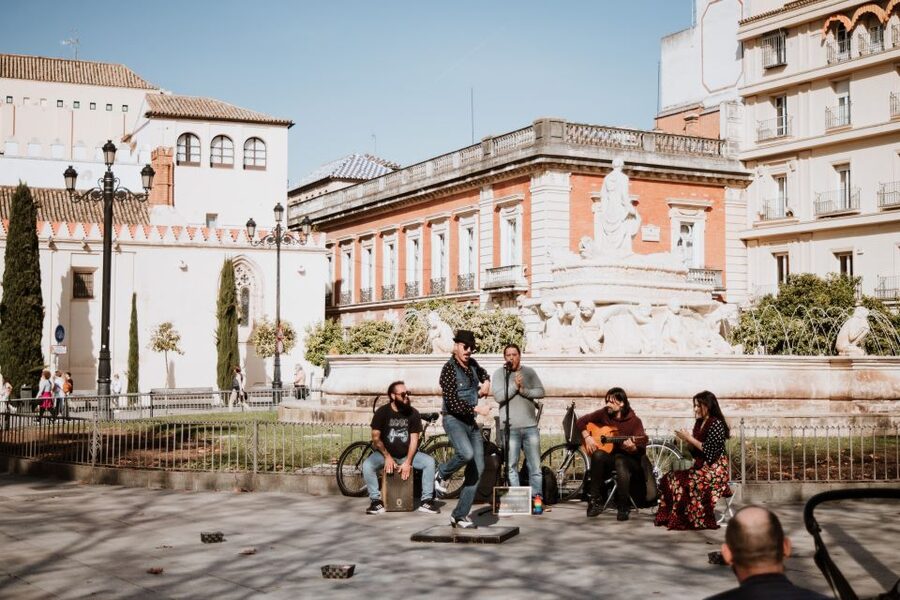
Calle Susona is one of the stops that makes this tour feel different from a generic walking circuit. Instead of treating the street as a photo stop, the guide ties it to the legend of Susona, a young Jewish woman whose story involves love, betrayal, and identity.
This legend matters because it is still remembered, and the guide shows you how that memory lives in the street itself. You do not just hear a tale and move on. You learn why it stuck in local imagination and how it shaped what people said about the neighborhood.
You also hear about Miguel Mañara and how his life inspired the tale of Don Juan. That is a fascinating connection because it links Jewish quarter legends to wider Seville storytelling traditions, including literature and theater.
And then there is the ghost story element, the mysterious folklore of Barrabás. You do not have to believe in ghosts to enjoy the telling. What you end up appreciating is how folklore helped people interpret fear, change, and loss, especially in places with long, complicated memories.
A quick practical note: legends are most fun when the guide paces them well. The reviews praise guides like Juan and Alfredo for explaining clearly, answering questions, and keeping the energy steady. That is what you want from this kind of tour.
Hospital de los Venerables: when you learn how Seville’s big story shows up locally
Hospital de los Venerables is the kind of stop that anchors your understanding. The name signals importance, and the guide uses it to connect the neighborhood to Seville’s Golden Age.
This is where the tour stops feeling like a set of cute corners and starts feeling like a coherent city story. You learn how social life, institutions, and power played out in and around Santa Cruz.
If you enjoy architecture and historical details, this is likely to be a highlight. One guide example from past groups: Julio has been praised for pointing out traces you can still recognize, including original walls and water systems that remain in place. Even if you are not studying history, those kinds of physical references are what make the tour feel real.
For some visitors, this is also the best spot to ask questions. The tour design gives you a moment where the guide’s explanations can connect back to earlier legends and street-name clues.
Casa Murillo and the kind of pauses that make photos and facts work together
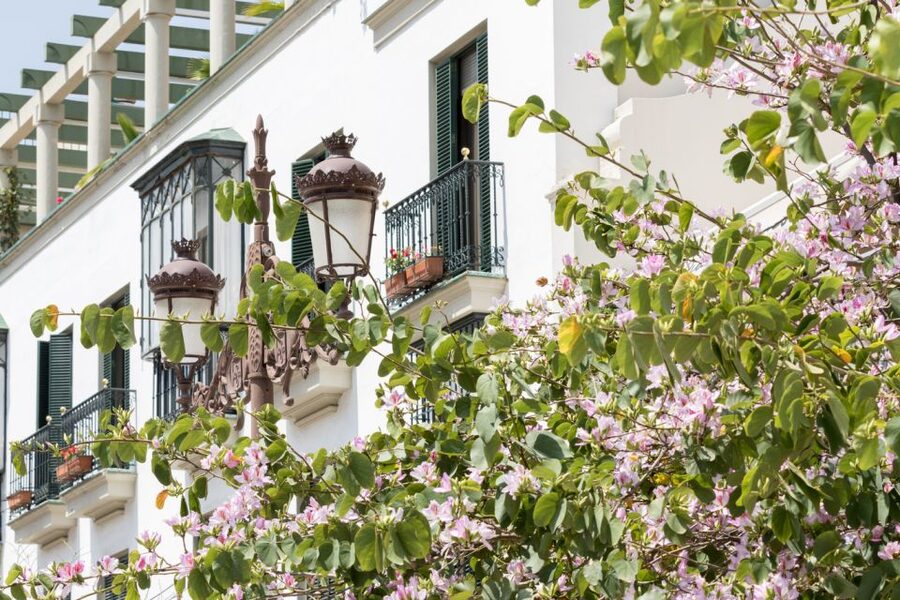
Casa Murillo is a stop that helps you slow down and look closely at how buildings shape the neighborhood vibe. Santa Cruz architecture is not just decorative. It is part of the story, because narrow streets and inward-facing courtyards shaped daily life.
This is also a good moment to catch your breath. You have had several named stops already, and this one gives you a chance to enjoy the details without feeling like you are sprinting between sights.
If you are someone who likes to understand how places function, you may notice the way the guide links architecture to daily routines, water use, and community life. That is one of the tour’s strengths, it ties physical spaces to how people lived, not just who owned what.
Rosina’s Balcony and Calle Ópera Carmen: where opera becomes a street map
Then you get to the more playful side of Seville storytelling: Rosina’s Balcony and Calle Ópera Carmen. Even if you are not an opera fan, these stops work because they show how culture sticks to places.
Past guides have been praised for connecting the neighborhood to opera references, and for using those connections to explain how Seville’s image is carried into art. When you hear the opera connection explained at the right moment, it stops being random pop culture and becomes another lens for understanding the city.
This section is also where the guide’s personality really matters. Guides like Valentin and Anna have been singled out for humor and for making the explanation feel alive, not like a lecture. If you enjoy a tour where you are allowed to ask questions and get full answers, this is where you will feel it most.
Patio de Banderas finish: how to keep exploring after the stories land
You wrap up around Patio de Banderas, with a quick point where the route aligns with a hop-on hop-off stop before finishing. Functionally, this ending location is helpful. It gives you an easy jumping-off point for the rest of your day.
I like ending here because the tour leaves you with momentum, not closure. Once you understand the legends and the street-name meaning, you start seeing Santa Cruz differently on your own walk. You are more likely to notice courtyards, hidden water references, and how plazas create tiny social worlds.
If you are deciding what to do next, I suggest pairing this tour with more strolling in the areas you now understand. Go back to a plaza you liked, or follow one street longer than you did during the guided walk. With the guide’s context, you will get more value from time you spend wandering without a plan.
Who should book, and who should rethink
Book this tour if you want story-led sightseeing in Santa Cruz, and if you like learning how legends connect to real street corners. It is especially a good fit if you enjoy history with a human tone, the kind where Susona, Miguel Mañara, and Barrabás are explained in a way that makes them feel part of Seville’s everyday language.
You might skip it if you prefer purely factual tours with minimal folklore, or if you need lots of museum-style downtime. This is a moving, stop-and-explain walking experience. It is designed for 1.5 hours of getting oriented and energized, not for long, slow lingering.
FAQ
FAQ
How long is the Seville Santa Cruz Jewish Quarter walking tour?
The tour lasts about 1.5 hours.
Where do I meet the guide?
Meet in Plaza del Triunfo under the Virgen de la Inmaculada statue. The guide will be holding a blue umbrella or wearing a Sevilla Guías & Tours logo nametag.
What language is the tour offered in?
The guided tour is available in English or Spanish.
Is there an optional flamenco show?
Yes. An optional flamenco show is mentioned, and you can ask the guide at the meeting point or contact in advance to check availability.
Is the tour wheelchair accessible?
Yes, it is listed as wheelchair accessible.
What should I wear or bring?
Wear comfortable shoes and consider using sunblock in Seville.
Is hotel pick up included?
No, hotel pick up is not included.
What is the cancellation policy?
Free cancellation is available up to 24 hours in advance for a full refund.
Should I book this tour?
If you want a well-paced orientation to the Santa Cruz Jewish Quarter with legends like Susona, Miguel Mañara, and Barrabás tied directly to specific streets and plazas, it is a smart, good-value way to spend time in Seville. For most people, it is an easy yes.
More Tour Reviews in Seville
Not for you? Here's more nearby things to do in Seville we have reviewed







More Santa Cruz & Seville Jewish Quarter worth a look.
 ★ 4.9Small-Group Jewish Quarter Discovery Walking TourFrom $29499 reviews
 ★ 5.0VIP Guided Seville Alcazar Pre-Opening, Cathedral & Old TownFrom $138191 reviews
 ★ 4.51-Hour Walking Tour Barrio de Santa CruzFrom $18131 reviews
 ★ 5.0Private Tour Jewish Quarter, center and Plaza de EspañaFrom $189127 reviews
 ★ 5.0Small Group Jewish Quarter Tour with Tapas & DrinksFrom $59119 reviews
 ★ 5.0Seville Jewish Quarter Small Group Tour with Tapas and DrinksFrom $71110 reviews
 ★ 5.0Seville Former Jewish Quarter Walking Tour: Santa CruzFrom $18105 reviews
 ★ 5.0Seville Jewish Quarter Small-Group Walking Tour: History & GemsFrom $3296 reviews
Continue by place or experience